
Top 5 Freeze-Dried Treats for 2026 — Nutrient Retention & Quality
Freeze-dried treats are natural snacks that retain their full nutrition and flavor by removing only the moisture. Based on preservation methods, ingredients, and palatability, we recommend the top five options suitable for both dogs and cats.
What Are Freeze-Dried Treats? Why Is Nutrient Retention High?
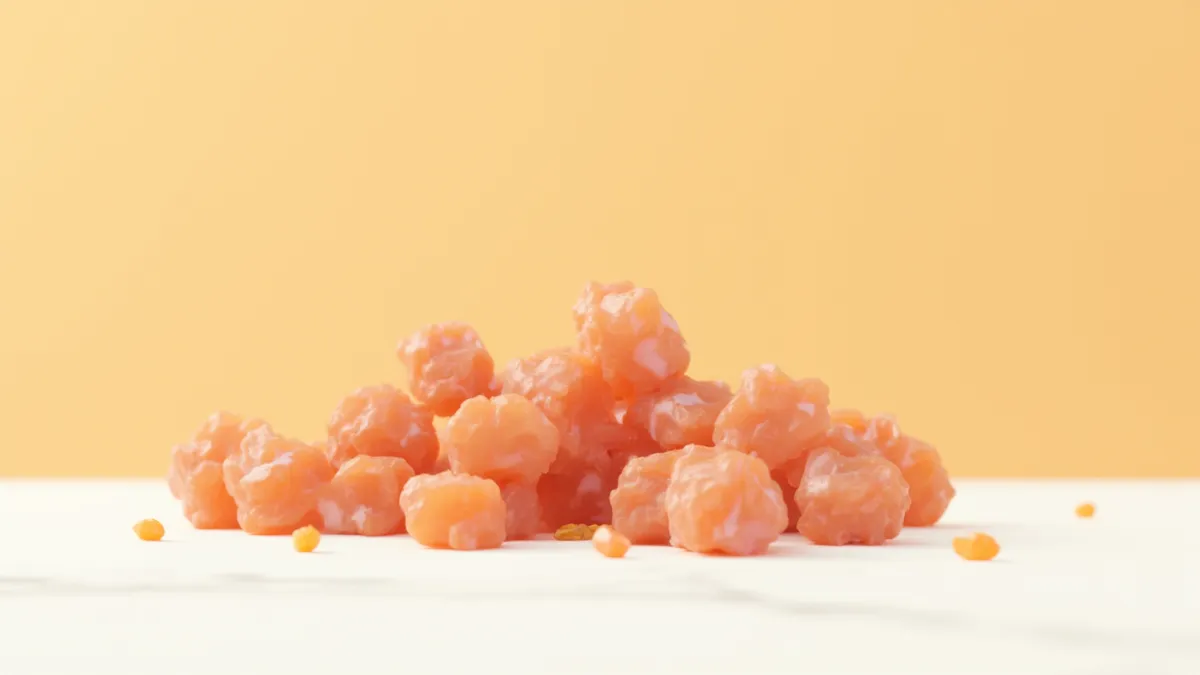
Advantages of Freeze-Dried Treats — How Do They Differ from Regular Dried Treats?
4 Key Things to Check When Choosing Freeze-Dried Treats
1) Check if it’s a single-ingredient product — the simpler the ingredient list, such as “100% chicken breast,” the lower the risk of allergies. 2) Look for country of origin and slaughter grade labeling — prioritize products labeled as human-grade or HACCP-certified. 3) No additives — avoid products containing preservatives, artificial colors, sugar, or salt. 4) Moisture content of 5% or less — genuine freeze-dried products have very low moisture levels. If this isn’t stated, be cautious.
Top 5 Freeze-Dried Treats for 2026 at a Glance
| Item | No.1 Pet Factory chicken breast | No.2 Canimal beef | No.3 Bistro salmon | No.4 The Real duck | No.5 Natural Core pollock |
|---|---|---|---|---|---|
| Main ingredient | 100% domestic chicken breast | 100% Australian beef | 100% Norwegian salmon | French duck breast | Domestic pollock |
| Protein content | 78% | 72% | 65% | 70% | 75% |
| Moisture content | 3% | 4% | 3% | 4% | 3% |
| Additives | None | None | None | None | None |
| Recommended for | All dog breeds/cats | Large dogs & highly active pets | Skin & coat care | Dogs with chicken allergies | Weight management & seniors |
| Price range (50 g) | $10 | $10 | $10 | $10 | $10 |
Based on lowest online prices as of April 2026. Subject to change depending on the time.
No. 1 — Chicken Breast Freeze-Dried: The Most Gentle Starter Treat
No. 2–3 — Beef & Salmon: If You Want to Boost Nutritional Balance
No. 4–5 — Duck & Pollock: For Allergies & Weight Management

Feeding Amounts and Storage: Do It This Way
Freeze-dried treats are nutrient-dense, so it’s best to keep them under 10% of your dog’s daily caloric intake. For a 5kg dog, about 5–10g per day is appropriate. After opening, store the treats in an airtight container in a cool, dark place away from direct sunlight, and try to finish them within 2–3 weeks. Exposure to moisture can accelerate rancidity.
Freeze-Dried Treats: Pets to Be Cautious With
Reviewed by a veterinarian

Dr. Tony — Punnawat Phongkittirak
VeterinarianA veterinarian who majored in veterinary medicine at Khon Kaen University, Thailand, and completed the IVSA program at North Carolina State University in the United States. Drawing on clinical experience at animal hospitals, he works in the pet healthcare field and is dedicated to building a digital care environment that connects pet parents with veterinarians.
Reviewed 2026-04-30
Frequently Asked Questions
Are freeze-dried treats and raw food the same thing?
Can I soak it in water before feeding it to my pet?
Can cats also eat freeze-dried treats made for dogs?
What happens to freeze-dried treats after their expiration date?
Is it safe to give this to my pet every day?
Share
Related Guides
My Senior Cat Won’t Eat — A Complete Guide to Choosing Food for Cats with Weak Digestion
Top 5 Prescription Diets for Feline Pancreatitis Recommended by Veterinarians — Low-Fat, Highly Digestible Food Guide

Royal Canin vs Hill’s vs Purina vs Orijen — Which Brand Is Right for Your Pet, According to Veterinarians?
Top Recommended Products and Selection Criteria for Managing Cystine Uroliths in Dogs
Top Recommended Products and Selection Criteria for Managing Bladder Polyps and Growths in Dogs

Top Recommended Canine Bladder Nerve Stimulation Therapy Management and Selection Criteria

Top 3 Recommended Products for Managing Bladder Diverticula in Dogs and Selection Criteria
Top Recommended Products for Managing Bacterial Cystitis in Dogs and Selection Criteria

Top Recommended Products and Selection Criteria for Managing Canine Amyloid Nephropathy
Complete Guide to Increasing Your Cat’s Water Intake: Top Recommendations and Selection Criteria
References
[1] National Research Council. Nutrient Requirements of Dogs and Cats. Washington, DC: National Academies Press, 2006.
[2] Little, S. The Cat: Clinical Medicine and Management, 2nd Edition. Elsevier, 2024.
[3] Hand, M.S., Thatcher, C.D., Remillard, R.L. Small Animal Clinical Nutrition, 5th Edition. Mark Morris Institute, 2010.