
Dog Intraocular Pressure Measurement (Tonometry) — 7 Checkpoints to Not Miss Glaucoma
Measuring intraocular pressure in dogs is key to early detection of glaucoma. We recommend the top three tonometers based on their accuracy and ease of use.
What Is Dog Intraocular Pressure Measurement (Tonometry)?
Selection Criteria: Tips for Choosing a Clinic for Intraocular Pressure Measurement
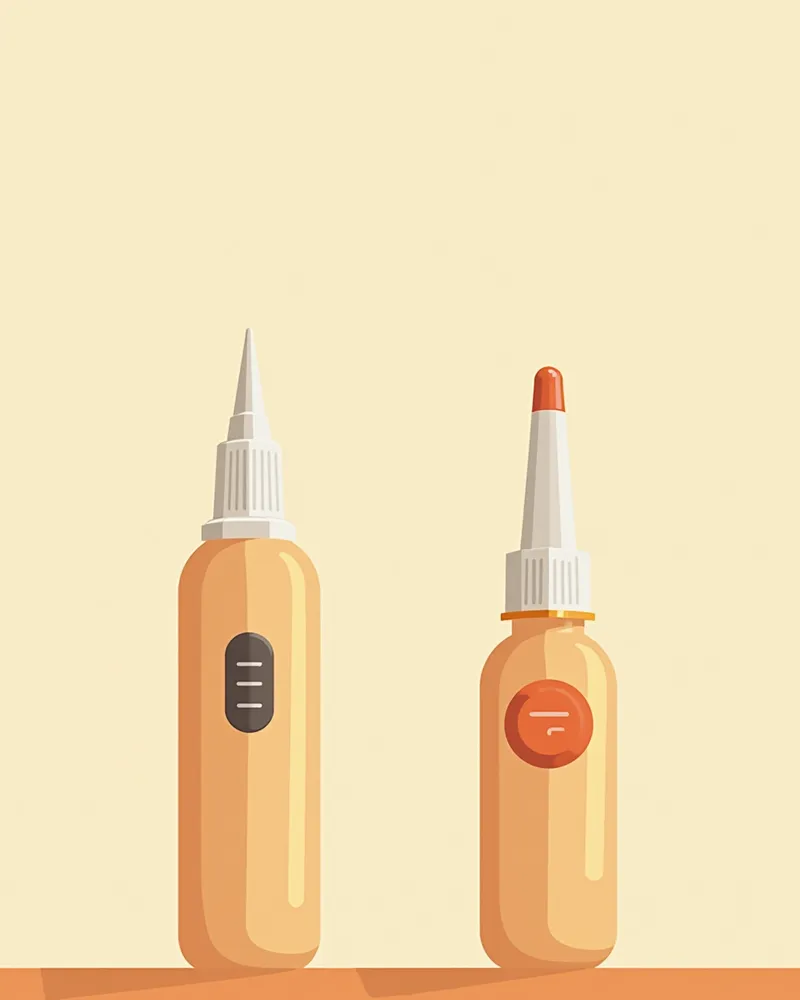
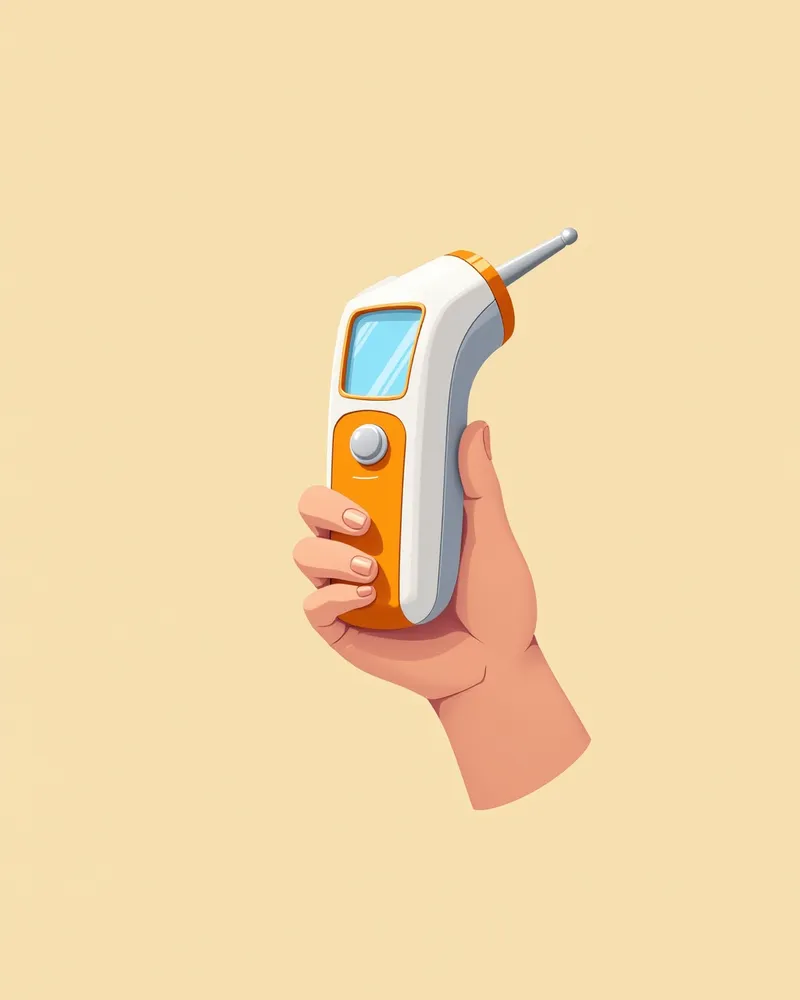
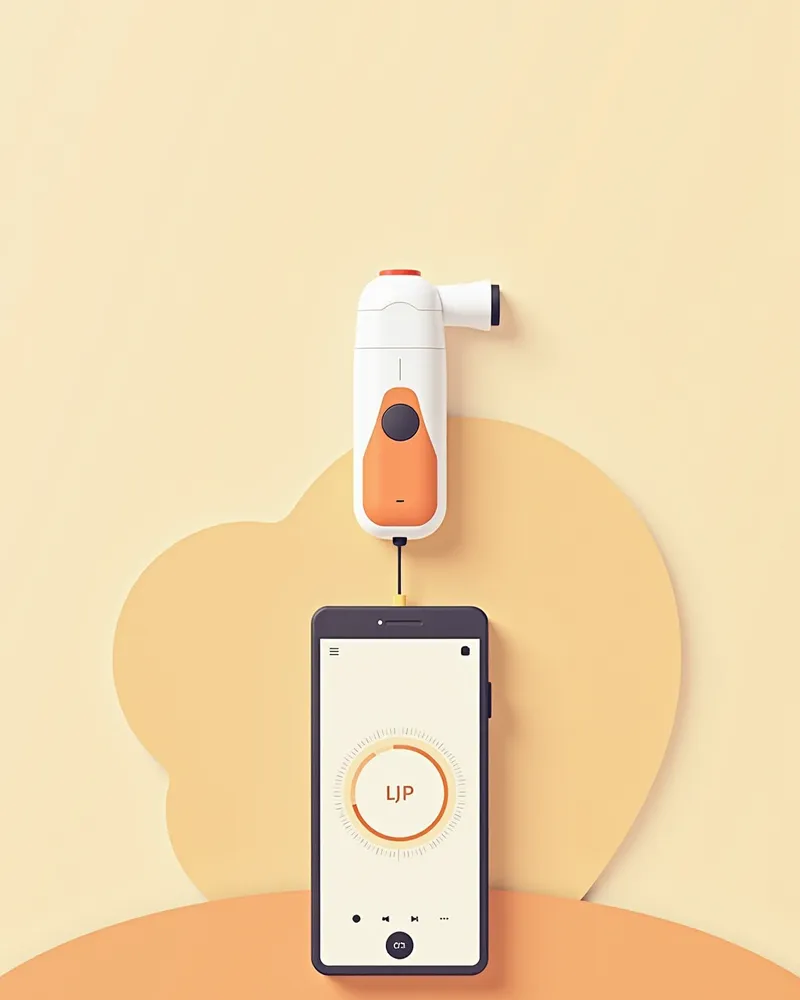
Check 1: Whether Accurate Tonometers Are Available
Check 2: Whether Bilateral Comparison and Repeated Measurements Are Performed According to Indications
Check 3: Whether Results Are Interpreted in Conjunction with Ophthalmic Examinations
Checklist for Choosing a Clinic for Intraocular Pressure Measurement (Tonometry)
| Item | Recommended Criteria |
|---|---|
| Equipment | A clinic equipped with a dedicated tonometer such as rebound or applanation (finger palpation is inaccurate) |
| Test Operation | A clinic that observes trends through both-eye comparison and repeated measurements and also examines the underlying disease |
| Interpretation Capability | An ophthalmology-experienced veterinarian who interprets in combination with ophthalmic exams such as cornea and fundus |
| Result Interpretation | A clinic that immediately guides treatment appropriate to the cause, such as glaucoma or uveitis |
| Cost Information | A clinic that informs you in advance of the estimated cost and the possibility of additional tests before the exam |
This is not a table recommending specific products or clinics, but a set of criteria to reference when consulting your veterinarian. Decisions about treatment and testing must always be made together with your veterinarian through an examination.
Caution: Contraindications for Tonometry
When a dog has corneal ulcers, severe inflammation, or other eye injuries, tonometry can irritate the cornea or worsen the ulceration, so caution is essential. However, if the eye is painful or severely red, measuring intraocular pressure may be crucial to differentiate between glaucoma and uveitis. Rather than delaying the test on your own, please ensure it is performed safely under veterinary supervision. Rebound tonometry, which involves minimal contact, may pose less risk of damage than applanation tonometry, which requires pressing against the cornea. Additionally, avoid excessive restraint of the neck, as this can artificially elevate intraocular pressure readings. Incorrect measurement techniques can stress the eye and distort results.
Usage Tips: How to Make Dog Intraocular Pressure Measurement Easier
Reviewed by a veterinarian

Dr. Tony — Punnawat Phongkittirak
VeterinarianA veterinarian who majored in veterinary medicine at Khon Kaen University, Thailand, and completed the IVSA program at North Carolina State University in the United States. Drawing on clinical experience at animal hospitals, he works in the pet healthcare field and is dedicated to building a digital care environment that connects pet parents with veterinarians.
Reviewed 2026-06-03
Frequently Asked Questions
How often should a dog’s intraocular pressure be measured?
Does tonometry hurt dogs?
Can I measure my dog’s intraocular pressure at home?
Does high intraocular pressure always mean glaucoma?
How often should the tonometry device be replaced?
Share
Related Guides

Top 5 Dog Tear Supplements Recommended for 2026
What is Lutein? Effects on Dog Eye Health

The Best Canine Uveitis Management Products and Selection Criteria: A Comprehensive Guide
Best Recommendations and Selection Criteria for Brachycephalic Dog Surgical Correction Management

Top Recommended Products for Managing Canine Bacterial Pneumonia and Selection Criteria
Top Recommended Products for Managing Aspiration Pneumonia in Dogs and Selection Criteria

Top Recommended Products and Selection Criteria for Managing Feline Viral Upper Respiratory Infections
Top Picks and Selection Criteria for Feline Lung Percussion and Thoracentesis Management
The Best Recommendations and Selection Criteria for Feline Thoracic X-ray Interpretation Management

Best Cat Respiratory Rate Monitoring Methods, Management Recommendations, and Selection Criteria: A Complete Guide
References
[1] Gelatt, K.N. et al. (1998). Distribution of intraocular pressure in dogs. Veterinary Ophthalmology, 1(2–3), 109–114.
[2] The Veterinary Workbook of Small Animal Clinical Cases. Case 30: The Dog with 'Blue' and 'Red' Eyes. 2020.
[3] Tilley, L.P. et al. (2007). Blackwell’s Five-Minute Veterinary Consult: Canine and Feline. 4th ed. Ames, IA: Blackwell.