

Top 7 Vet-Recommended Tips for Managing Feline Lens Luxation — When to Visit the Clinic
Feline lens luxation is an acute eye condition that can cause vision loss and pain. With proper care and treatment, complications can be prevented.
Feline lens luxation is an acute condition that poses serious risks to the eyes
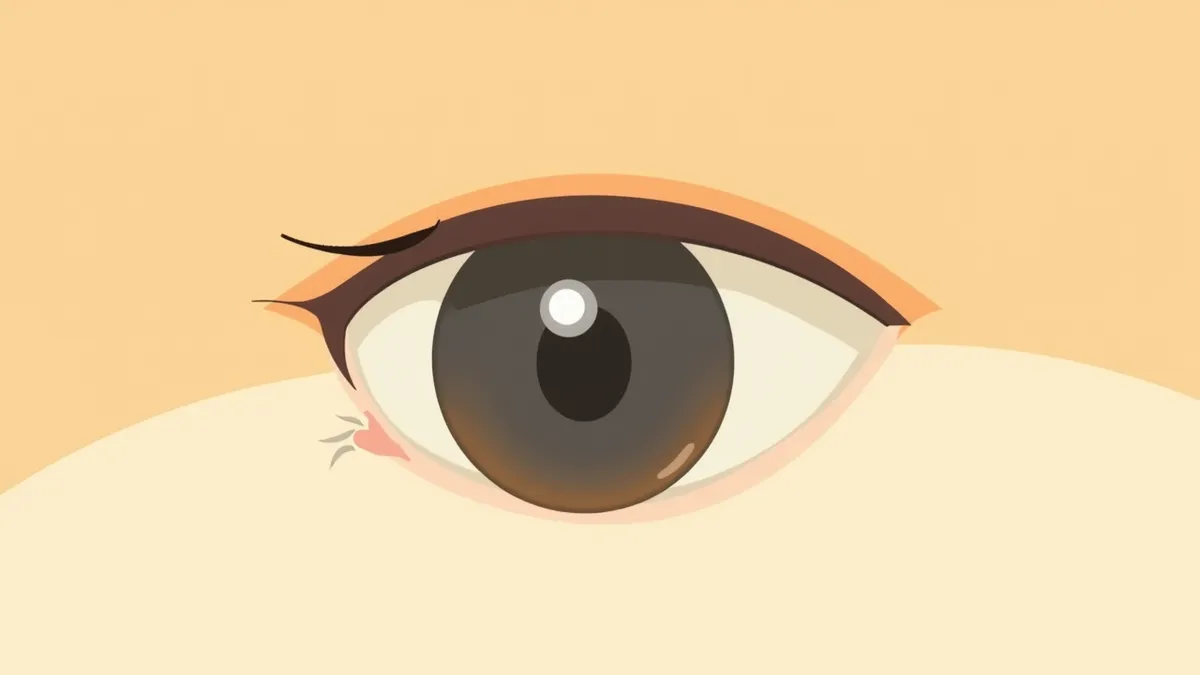
Know This: Managing Lens Luxation

Know This 1: Understanding Lens Luxation and Its Urgency
Know This 2: Diagnosis and Treatment Options

Know This 3: Management and Monitoring the Opposite Eye
Key Points About Lens Luxation
| Item | Key Points |
|---|---|
| Condition | The lens is displaced from its position; intraocular pressure may rise or fall (in cats, glaucoma from anterior lens luxation is less common than in dogs) |
| Causes | In cats, primary (hereditary) cases are rare; secondary cases from chronic uveitis, glaucoma, or trauma are more common (zonular degeneration in older cats is also a cause) |
| Diagnosis & treatment | Ophthalmic examination plus intraocular pressure measurement (ultrasound if needed), lowering intraocular pressure and anti-inflammatory management, and in some cases lens removal surgery (for secondary cases in cats, surgery is not routinely recommended) |
| Emergency | Go to the clinic immediately if the eye enlarges, there is severe pain, or redness |
| Management | Follow-up examinations; also carefully monitor the other eye |
This is not a table recommending specific products or clinics, but a reference for criteria when consulting your veterinarian. Treatment and testing decisions must always be made together with your veterinarian through an examination.
Caution: Lens Luxation Is an Emergency Requiring Immediate Veterinary Care
If your cat suddenly starts rubbing its eyes, shows redness, or appears to have diminished vision, it may be suffering from lens luxation. Anterior luxation, in particular, can lead to increased intraocular pressure and potentially cause blindness, so prompt veterinary ophthalmic care is crucial. If any vision remains, referral to a veterinary ophthalmologist is recommended. Self-diagnosis or delayed treatment can pose serious risks.
Usage Tips: Practical Checkpoints for Effective Management
Reviewed by a veterinarian

Dr. Tony — Punnawat Phongkittirak
VeterinarianA veterinarian who majored in veterinary medicine at Khon Kaen University, Thailand, and completed the IVSA program at North Carolina State University in the United States. Drawing on clinical experience at animal hospitals, he works in the pet healthcare field and is dedicated to building a digital care environment that connects pet parents with veterinarians.
Reviewed 2026-06-02
Frequently Asked Questions
Can a dislocated lens in cats be completely cured?
Is there a genetic component to lens luxation?
Will vision return after a dislocated lens?
Could my cat have a dislocated lens?
How long should I use the lens dislocation management product?
Share
Related Guides

Top 5 Dog Tear Supplements Recommended for 2026

What is Lutein? Effects on Dog Eye Health

The Best Canine Uveitis Management Products and Selection Criteria: A Comprehensive Guide

Top 5 Supplements for Feline Atopic Dermatitis and Allergies — Immune Modulation

Top 5 Dog Anti-Itch Soothing Sprays — Immediate Relief

Top 5 Recommended Single-Protein Prescription Diets for Cats with Allergies — A Comparison Guide for Hydrolyzed and Novel Protein Diets

Top 5 Prescription Diets for Feline FLUTD — Comparison by Struvite and Calcium Oxalate Stones

Top 5 Patellar Support Braces for Dogs — Stage-by-Stage Size Guide

Top 5 Omega-3 Fish Oil Recommendations for Dogs — EPA and DHA Content Comparison

Top 5 Recommended Dog Atopic Shampoos — Comparison Guide for Low-Irritant, Ceramide-Containing Products
References
[1] Curtis R. Lens luxation in the dog and cat. Vet Clin North Am Small Anim Pract. 1990;20(3):755–773.
[2] Binder DR, Herring IP, Gerhard T. Outcomes of nonsurgical management and efficacy of demecarium bromide treatment for primary lens instability in dogs: 34 cases (1990–2004). J Am Vet Med Assoc. 2007;231(1):89–93.
[3] Feline Emergency and Critical Care Medicine, 2nd Ed. Elsevier; 2020.