Like
Share
멍실장
고양이 안구 건조증 치료(사이클로스포린) 관리 추천 BEST와 고르는 기준 총정리

Veterinarian-Recommended Top 7 Cyclosporine Management Tips for Feline Dry Eye

Eye HealthTop PicksMeongsiljang Veterinary Advisory Board

Feline dry eye, or keratoconjunctivitis sicca, is a condition caused by insufficient tear production, and cyclosporine-based medications are the primary treatment. Here’s a guide to choosing an effective and safe product.

What is Feline Dry Eye Treatment (Cyclosporine)?

Dry eyes in cats
Feline dry eye, or keratoconjunctivitis sicca (KCS), is an ocular condition caused by insufficient tear production, with cyclosporine-based eye drops being the primary treatment. This medication helps stimulate tear production by modulating the immune response that interferes with normal tear secretion. Cyclosporine eye drops are available in various concentrations, allowing veterinarians to select the most appropriate product and strength based on the cat’s tear volume and corneal condition. Since KCS often requires ongoing management rather than a definitive cure, these drops serve as a key long-term tool for maintaining ocular health. While side effects such as hypersensitivity or gastrointestinal irritation may occur, it is important to monitor for any adverse reactions and follow your veterinarian’s instructions for safe use. When combined with regular check-ups, this treatment can significantly improve your cat’s eye health.

Things to Know: What to Look for in Cyclosporine Eye Drop Therapy
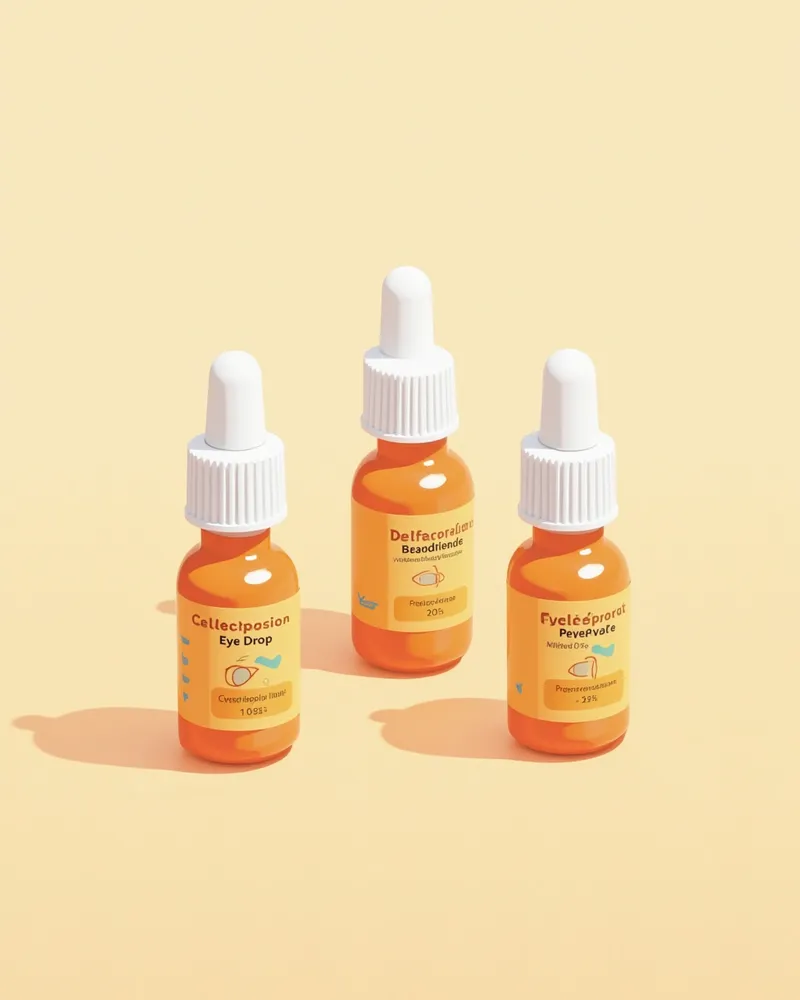
- Ingredient concentration: Cyclosporine eye drops are available in various concentrations. It’s best to consult your veterinarian to choose the right concentration based on your cat’s tear production and corneal condition. - Preservative-free options: Products without preservatives are gentler on cats’ eyes and generally safer. - Ease of use: Drop or tube formats allow for precise dosage control, making them easier to manage. - Veterinarian recommendations: Products that are widely used and recommended in clinical practice tend to be more reliable. - Cost-effectiveness: Choosing an affordable yet effective product can make long-term management more manageable. - Product stability: It’s important to select products with clear expiration dates and storage instructions.
Comparison of cyclosporine concentration and the presence of preservatives

Things to Know 1: What is the treatment and when is it used?
Cyclosporine eye drops are a prescription medication that helps restore tear production by modulating the immune response that interferes with tear secretion. They are primarily used to treat keratoconjunctivitis sicca (KCS), also known as dry eye, a condition in which insufficient tears cause the cornea to become dry and inflamed. Unlike simple artificial tears, cyclosporine aims to increase tear production by addressing the underlying cause. However, not all cases of dry eye have the same cause, so it is important for a veterinarian to assess tear volume and corneal health through testing before prescribing this medication.
What is this treatment, and when is it used? Refer to the related guide image.

Things to Know 2: Consistent eye drop administration and prescription compliance are key
Cyclosporine must be applied consistently and regularly to allow tear production to recover fully, and it may take some time for the medication to take effect. Stopping use prematurely because symptoms seem to improve can lead to a relapse. Since dry eye (keratoconjunctivitis sicca) often requires long-term or lifelong management, it is important to continue treatment as directed by your veterinarian. For best results, wash your hands before administration and maintain appropriate intervals when using other eye medications. If you notice significant irritation or redness during use, discontinue the medication and consult your veterinarian.
Consistent eye drop administration and adherence to the prescribed treatment plan are key. Refer to the accompanying instructional image.

Things to Know 3: Adjust with regular monitoring

During treatment, we periodically perform Schirmer tear tests to monitor whether tear production has increased and assess the corneal condition to adjust the treatment plan accordingly. Since the degree of tear recovery varies from pet to pet, regular check-ups are essential to determine whether to continue or adjust medication. Because dry eye (keratoconjunctivitis sicca) often requires long-term management rather than a complete cure, ongoing care in partnership with your veterinarian is key to maintaining your pet’s eye health.
Adjust through regular monitoring. See the related guide image.

Points to Note About Cyclosporine Eye Drop Therapy

ItemKey Points
Treatment overviewPrescription eye drops that modulate the immune response to increase tear production
Determining suitabilityThe veterinarian prescribes after checking tear volume and corneal condition through testing
ConsistencyIt takes several weeks to take effect; apply regularly and do not stop without guidance
MonitoringTrack tear volume with the Schirmer test and check corneal condition
ConsultationDiscuss worsening irritation or redness and long-term management with your veterinarian

This is not a table recommending specific products or clinics, but a reference for criteria when consulting your veterinarian. Treatment and testing decisions must always be made together with your veterinarian through an examination.

Precautions and Contraindications

Cyclosporine eye drops are contraindicated in cats with hypersensitivity. If you notice redness or severe itching in the eyes, discontinue use immediately and consult your veterinarian. Additionally, because interactions may occur when used with other eye medications, always follow your veterinarian’s instructions.

Usage Tips and Management Points
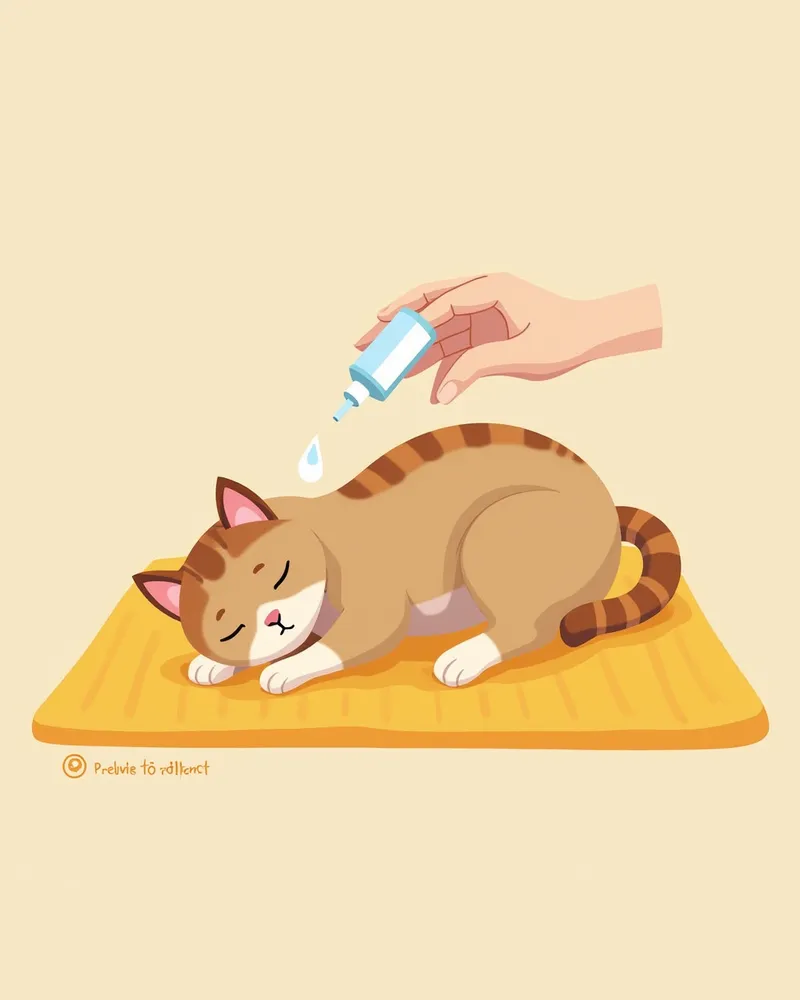
- Administer exactly as prescribed by your veterinarian: Apply the correct dose at the scheduled times, consistently. - Wash your hands thoroughly: Clean your hands before use to prevent bacterial contamination. - Handle the dropper tip with care: Avoid touching the eye and keep the tip free from contamination. - Apply in a calm environment: If your cat seems anxious, approach slowly and administer the medication gently. - Consistency is key: The product’s effectiveness depends on regular, ongoing use. - Monitor for reactions: If you notice redness or itching in the eyes, stop using the product immediately and consult your veterinarian.
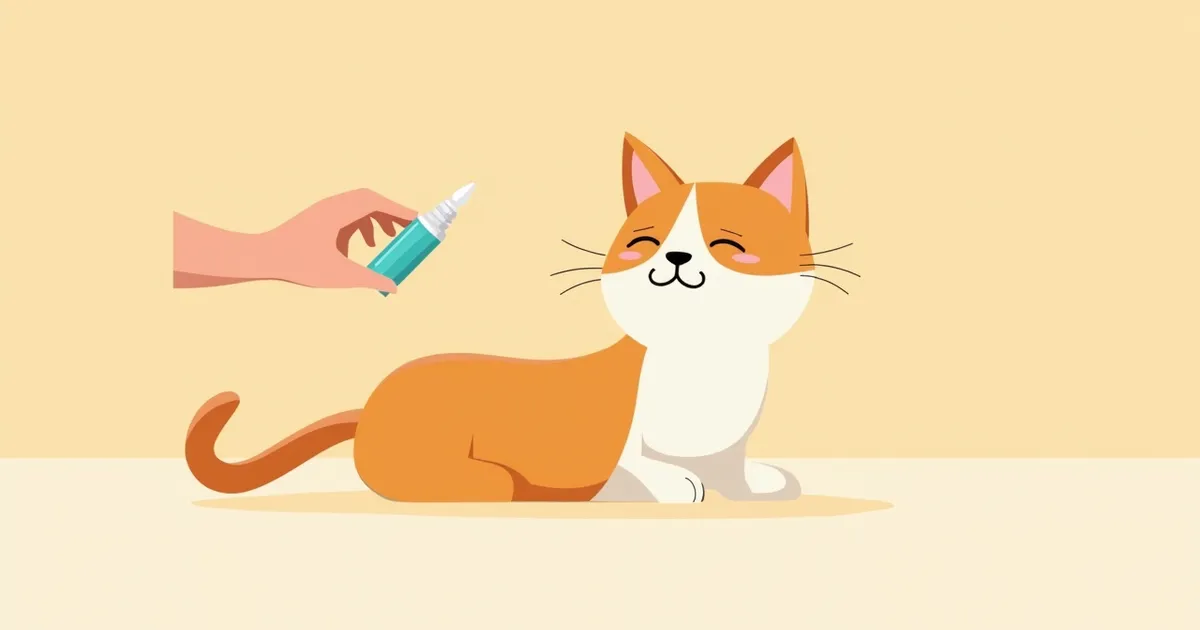
Administering eye drops to a cat

Reviewed by a veterinarian

Dr. Tony — Punnawat Phongkittirak

Dr. Tony — Punnawat Phongkittirak

Veterinarian

A veterinarian who majored in veterinary medicine at Khon Kaen University, Thailand, and completed the IVSA program at North Carolina State University in the United States. Drawing on clinical experience at animal hospitals, he works in the pet healthcare field and is dedicated to building a digital care environment that connects pet parents with veterinarians.

Frequently Asked Questions

When do cyclosporine eye drops start to take effect?
The time it takes for the medication to take effect varies from cat to cat. It’s best to continue administering the eye drops as directed and monitor improvement in tear production during regular check-ups. Since dry eye (keratoconjunctivitis sicca) often requires ongoing management rather than a complete cure, long-term use of the medication is common.
Can dry eye return after stopping eye drops?
Yes, long-term management is necessary. Even after the effects become apparent, it is recommended to continue the medication for a certain period as directed by your veterinarian.
My cat hates eye drops. What should I do?
Approach your cat slowly in a quiet space, and use treats to help them relax before you begin. Once they feel comfortable, they'll be more receptive.
Are products containing preservatives safe?
Although most products containing preservatives are designed to be low-irritation, they can still cause eye irritation with long-term use. Preservative-free products are safer.
Are there any other treatment options besides cyclosporine?
Yes, tear substitutes, immunomodulators, and surgical treatment are also options. Please consult with your veterinarian to choose the most suitable approach for your pet.

Share

Related Guides

References

[1] Dodi PL. Immune-mediated keratoconjunctivitis sicca in dogs: current perspectives on management. Vet Med (Auckl). 2015;6:341–347.

[2] Hendrix DV, Adkins EA, Ward DA, Stuffle J, Skorobohach B. An investigation comparing the efficacy of topical ocular application of tacrolimus and cyclosporine in dogs. Vet Med Int. 2011;2011:487592.

[3] Plumb's Veterinary Drug Handbook, 10th Ed. Wiley Blackwell, 2021.

This information is based on veterinary literature and does not replace diagnosis or treatment. Please consult a veterinarian for specific health concerns.

Metapet Co., Ltd. | CEO: Park Sung-yong | Business Reg. No. 417-88-02562 | Seoul, South Korea | Customer Center

Feline Dry Eye: Top 7 Cyclosporine Tips Vets Recommend | Meongsiljang