

7 Best Liver Tumor Management Products for Dogs Recommended by Veterinarians — Criteria for Primary and Metastatic Cases
While early detection of liver tumors in dogs is challenging and complicates treatment, proper care and the right nutritional supplements can significantly improve their quality of life. This article outlines effective management strategies and recommends the best products.
Liver Tumors in Dogs (Primary and Metastatic) Are Conditions Managed in Partnership with Owners
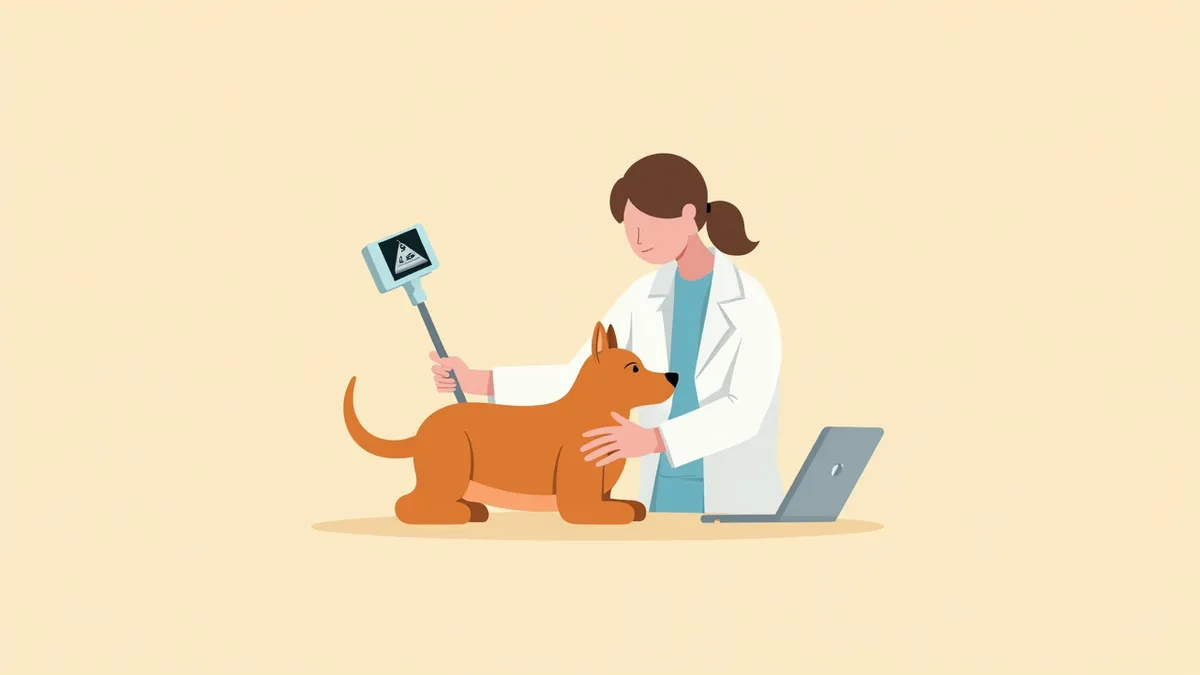
5 Key Criteria for Choosing Liver Tumor Management Products for Dogs

BEST 1: Hepatoprotective Protein Jelly (Silymarin-Based)

BEST 2: Liver Health Capsules (Glucosamine + Silymarin Combination)
BEST 3: Liver Protection Powder (100% Natural Ingredients)

Comparison Table of Products BEST 1–3
| Item | Product Name | Key Ingredients | Form | Recommended Body Weight |
|---|---|---|---|---|
| BEST 1 | Hepatocyte Protection Protein Jelly | Silymarin, N-acetylcysteine | Jelly | 5 kg or more |
| BEST 2 | Liver Health Capsule | S-adenosylmethionine (SAMe), silymarin | Capsule | 3 kg or more |
| BEST 3 | Liver Protection Powder | Silymarin, lemon balm, coenzyme Q10 | Powder | 2 kg or more |
Dosage can be adjusted according to body weight; use is recommended after consulting your veterinarian.
Caution: If Liver Function Is Severely Compromised, Always Consult Your Veterinarian Before Use
If your dog’s liver function is severely compromised, certain ingredients may place additional strain on the liver. In particular, interactions can occur when these ingredients are used alongside medications, so it is essential to consult your veterinarian for a proper diagnosis and guidance before administering any treatment. Self-diagnosis or indiscriminate use can be dangerous.
5 Tips for Managing Liver Tumors in Dogs

Reviewed by a veterinarian

Dr. Tony — Punnawat Phongkittirak
VeterinarianA veterinarian who majored in veterinary medicine at Khon Kaen University, Thailand, and completed the IVSA program at North Carolina State University in the United States. Drawing on clinical experience at animal hospitals, he works in the pet healthcare field and is dedicated to building a digital care environment that connects pet parents with veterinarians.
Reviewed 2026-06-07
Frequently Asked Questions
When should I start giving my dog nutritional supplements for liver tumors?
Can I give my pet nutritional supplements more than once a day?
My pet vomited after taking the supplement. Is that normal?
How can we determine whether a liver tumor is primary or metastatic?
Is it safe to continue giving the supplement for more than three months?
Share
Related Guides

7 Key Symptoms and Management Essentials for Canine Cholecystitis Recommended by Veterinarians

Top 5 Milk Thistle (Silymarin) Liver Supplements for Dogs — A Comparison Guide Based on Silybin Content and Absorption Rates

Top Prescription Diets for Dogs with Liver Disease and Selection Criteria

The Best Blood in Urine Management Products for Dogs and How to Choose Them

Top Recommended Products and Selection Criteria for Managing Difficulty Urinating (Stranguria) in Dogs

Top Recommended Products and Selection Criteria for Managing Cystine Uroliths in Dogs
Top Recommended Products and Selection Criteria for Managing Bladder Polyps and Growths in Dogs

Top Recommended Canine Bladder Nerve Stimulation Therapy Management and Selection Criteria

Top 3 Recommended Products for Managing Bladder Diverticula in Dogs and Selection Criteria

Top Recommended Products for Managing Bacterial Cystitis in Dogs and Selection Criteria
References
[1] Nolan, M.W. et al. (2013). Stereotactic radiation therapy for treatment of injection-site sarcomas in cats: 11 cases (2008–2012). J Am Vet Med Assoc, 243(4):526–531.
[2] Penninck, D.G. et al. (1998). Ultrasonography of canine gastric epithelial neoplasia. Vet Radiol Ultrasound, 39:342–348.
[3] London, C.A. et al. (1996). Evaluation of dogs and cats with tumors of the ear canal: 145 cases (1978–1992). J Am Vet Med Assoc, 208(9):1413–1418.