

7 Key Management Essentials and Preparation Criteria for Canine Peritoneal Dialysis Recommended by Veterinarians
Peritoneal dialysis is an important option for managing chronic kidney disease in dogs. I’ve outlined effective management products and criteria.
What is Peritoneal Dialysis for Dogs?
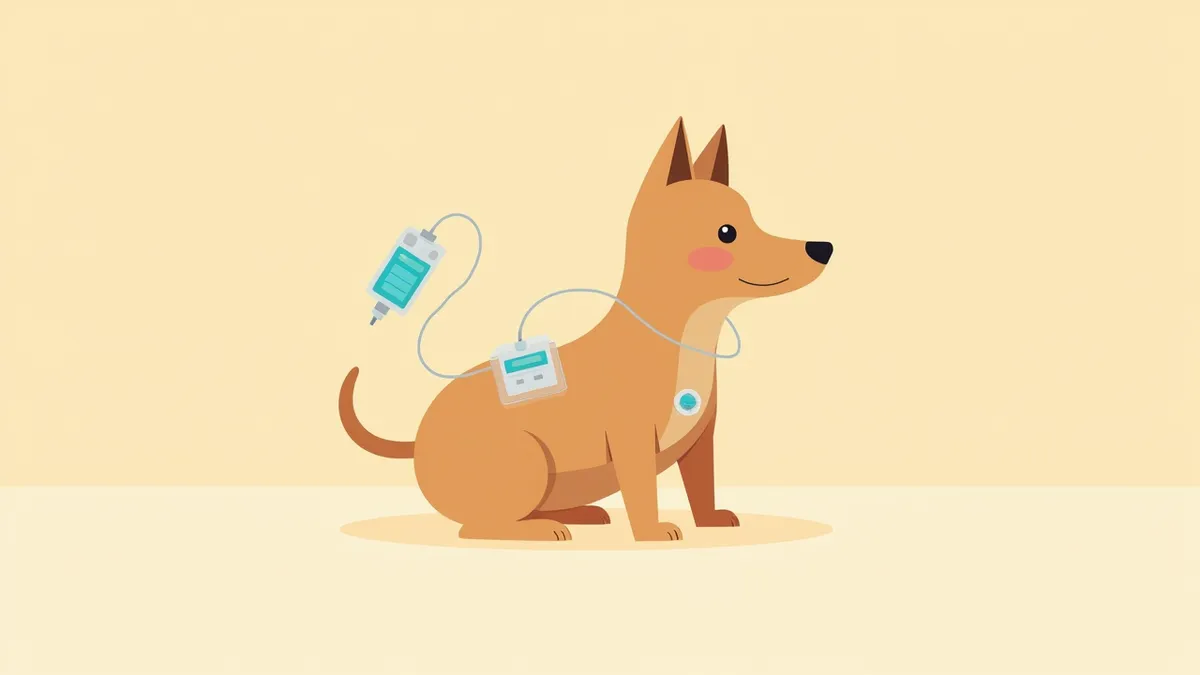
Note: Peritoneal Dialysis is an Intensive Treatment Administered in a Hospital
Check 1: Availability of Facilities and Specialized Personnel for Peritoneal Dialysis

Check 2: Catheter Infection Management and Aseptic Technique Competency

Check 3: 24-Hour Monitoring and Critical Care System

Checklist for Choosing a Hospital for Peritoneal Dialysis
| Item | Recommended Criteria |
|---|---|
| Facilities & Experience | A facility with experience in peritoneal dialysis/intensive kidney care and 24-hour inpatient management |
| Infection Control | A facility with aseptic technique and infection control protocols for catheter insertion and replacement |
| Monitoring | A facility that continuously monitors fluid balance, electrolytes, and vital signs and can respond to emergencies |
| Explanation | A facility that transparently explains the treatment course and costs |
This is not a table recommending specific products or hospitals, but a reference for when you consult your veterinarian. Decisions about treatment and testing must always be made together with your veterinarian through an examination.
Precautions: Beware of Infection Risks During Peritoneal Dialysis
Infection during peritoneal dialysis can be life-threatening. If you notice redness, swelling, or a high fever at the catheter site, seek veterinary care immediately.
Peritoneal Dialysis Management Tips

Reviewed by a veterinarian

Dr. Tony — Punnawat Phongkittirak
VeterinarianA veterinarian who majored in veterinary medicine at Khon Kaen University, Thailand, and completed the IVSA program at North Carolina State University in the United States. Drawing on clinical experience at animal hospitals, he works in the pet healthcare field and is dedicated to building a digital care environment that connects pet parents with veterinarians.
Reviewed 2026-06-05
Frequently Asked Questions
Is peritoneal dialysis painful for dogs?
How many times a day should dialysis be administered?
Where can I get dialysis fluid?
Is peritoneal dialysis a lifelong treatment?
How should I administer dialysis when going out?
Share
Related Guides

Top 5 Prescription Diets for Cats with Chronic Kidney Disease — Stage-Specific Protein Adjustment

7 Emergency Signs and Causes of Acute Kidney Failure in Dogs You Must Not Miss

Top 5 Cat Kidney Supplements Recommended for 2026

The Ultimate Guide to Feline Tumor Biopsy and Fine-Needle Aspiration Management: Best Practices and Selection Criteria

7 Key Management Strategies and Selection Criteria for Feline Soft Tissue Sarcomas According to Veterinarians

7 Key Management Tips for Feline Lung Cancer and Pulmonary Metastasis Recommended by Veterinarians

7 Warning Signs of Feline Nasal Tumors Compiled by a Veterinary Oncologist

7 Key Points and Criteria for Feline Mast Cell Tumor Grading, Treatment, and Management Summarized by a Veterinarian

7 Key Management Strategies for Feline Lymphoma and Treatment Selection Criteria Recommended by Veterinarians

7 Ways to Distinguish Feline Lipomas from Liposarcomas and Manage Them, Explained by a Veterinarian
References
[1] Plumb's Veterinary Drug Handbook, 9th ed. (2023). Wiley-Blackwell.
[2] Feldman, E. C., & Nelson, R. W. (2022). Canine and Feline Nephrology and Urology. Elsevier.
[3] American College of Veterinary Internal Medicine (ACVIM). (2021). Consensus Statement on Peritoneal Dialysis in Dogs.