Like
Share
멍실장
강아지 개 림프종 CHOP 화학요법 관리 추천 BEST와 고르는 기준 총정리

7 Key Points for CHOP Chemotherapy Management in Canine Lymphoma, Selected by Veterinarians

Oncology/CancerTop PicksMeongsiljang Veterinary Advisory Board

We’ve compiled a guide to supportive care products and selection criteria for CHOP chemotherapy, an effective treatment for canine lymphoma. Working closely with your veterinarian to tailor a personalized care plan is essential.

CHOP Chemotherapy is the Core Treatment for Canine Lymphoma

A veterinarian is developing a treatment plan for a dog with lymphoma.
In the treatment of canine lymphoma, CHOP chemotherapy is the most commonly recommended core therapy when multiple (systemic) lymph node involvement is confirmed. Lymphatic tumors such as lymphoma are primarily treated with chemotherapy, and outcomes tend to be better when the tumor burden is lower. However, the goal of treatment is not complete "cure," but rather achieving remission (improvement of symptoms) and maintaining a good quality of life for as long as possible. During treatment, it is essential to closely monitor therapeutic response and side effects through regular blood tests (CBC) and imaging/staging procedures in close collaboration with your veterinarian. Hematologic and gastrointestinal side effects are the most common; therefore, any abnormal signs should be addressed immediately, and consistent veterinary visits must be maintained. The course of treatment is significantly influenced by the owner’s active management and cooperation.

5 Criteria for Selecting CHOP Chemotherapy Support Products
- Ingredient safety: Products with fewer artificial flavors and colors may be gentler on your pet. However, just because something is labeled “natural” doesn’t mean it’s free from side effects. - Veterinary consultation: Some supplements can interact with chemotherapy treatments, so always consult your veterinarian before use. - Ease of administration: Choose a form, such as capsules or gels, that your dog can easily consume. - Minimizing gastrointestinal burden: Opt for products that cause minimal stomach irritation or allergic reactions. - Caution with antioxidants: Some cancer treatment centers recommend avoiding high-dose antioxidants, as they may reduce treatment efficacy. Their effectiveness in pets has not yet been proven, so avoid self-administering them. Consider all these factors together, but make the final decision in consultation with your veterinarian for the safest outcome.
A guide to supplements used as adjuncts in canine lymphoma treatment

BEST 1: Immune Support Supplement (Premium)

- Immune support: Although the product lists high-concentration antioxidants and glucosamine, there is no clear evidence that such supplements prevent immune suppression during chemotherapy. View them strictly as supportive aids that cannot replace medical treatment. - Joint health maintenance: These supplements are sometimes used to manage joints in dogs with reduced mobility, but effectiveness varies by product and individual dog. - Ease of administration: The capsule form makes dosing simple, and most dogs accept it well. - Gastrointestinal impact: Depending on the ingredients, there may be less gastric irritation, but individual responses can vary. - Veterinary consultation required: Especially with antioxidants, which may interfere with treatment efficacy, always consult your veterinarian before use and follow their instructions.
A puppy taking an immune booster supplement.

BEST 2: Gastrointestinal Health Protector
- Probiotic-labeled products: While known to support gut balance, their role in protecting the gastrointestinal barrier during chemotherapy is not definitively proven in standard veterinary textbooks. Use them only as a supplementary aid. - Managing gastrointestinal symptoms: Side effects such as nausea and diarrhea are common during chemotherapy. If symptoms occur, it is safer to follow a veterinarian’s prescription for gastrointestinal protectants rather than relying on self-diagnosis. - Ease of oral administration: The gel formulation allows dogs to consume it relatively easily. - Potential side effects: It is difficult to claim there are absolutely no side effects. When introducing a new supplement, start with a small amount and monitor your pet’s response. - Veterinarian consultation: If your pet has gastrointestinal issues, it is best to consult your veterinarian to choose a safe approach rather than using supplements on your own.
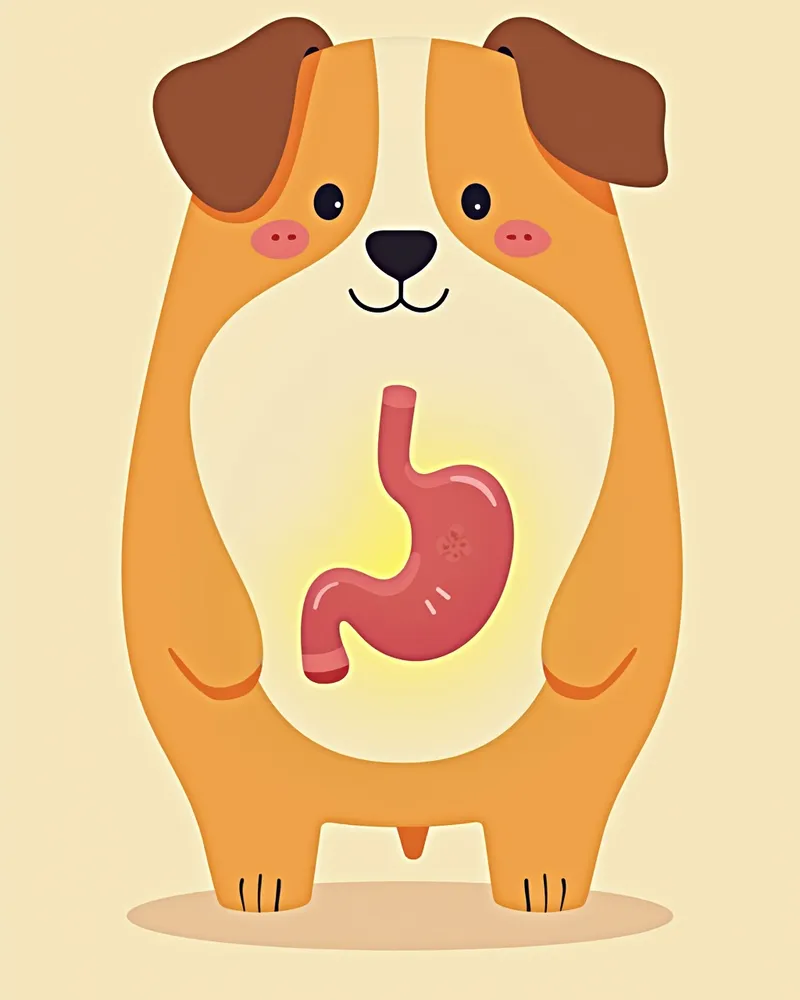
Visualizing the effects of supplements for your dog’s digestive health

BEST 3: Antioxidant Supplement (Low-Cost)

- Caution with antioxidants: Although antioxidants are marketed for their ability to reduce cellular damage during treatment, some cancer care centers advise against high-dose intake because they may actually interfere with treatment efficacy. Self-administering antioxidants during chemotherapy is not recommended. - Affordability: Its relatively low cost makes it easy to use long-term, which is considered a major advantage. - Ease of administration: The powder form can be easily mixed into food for convenient feeding. - Palatability for dogs: Its mild smell and taste result in minimal rejection. - Unproven efficacy: The anti-cancer effects of antioxidant supplementation in pets have not yet been scientifically proven. Always consult your veterinarian before deciding whether to use this product.
A scene of administering an antioxidant supplement to a puppy

Comparison Table of BEST 1–3 Products

ItemBEST 1 (Immune Boosting)BEST 2 (Gastrointestinal Protection)BEST 3 (Antioxidant)
Main ingredientsAntioxidants, glucosamine, omega-3Probiotics, lactic acid bacteria, hyaluronic acidVitamin C, selenium, lutein
Administration methodOne per day, eaten like a treatTwice daily, with mealsOne packet per day, dissolved in water
Price (per month)About $60About $40About $30
Veterinary consultation recommendedConsultation neededConsultation neededConsultation needed (caution with antioxidants)

The efficacy of these supplements has not been sufficiently proven in pets. In particular, antioxidants may reduce the effectiveness of chemotherapy and require caution, so always consult a veterinarian before use.

Caution: Visit the Vet Immediately if Side Effects Worsen During Chemotherapy

If you notice a loss of appetite, persistent vomiting, bloody stools, or fever, contact your veterinarian immediately, as these symptoms may indicate an increased risk of infection during treatment. Do not stop or adjust the dosage of any supplements without your veterinarian's guidance.

5 Tips for CHOP Chemotherapy Management

- Regular feeding: Offer small meals two to three times a day. Keep providing food consistently, even if your pet’s appetite is low. - Adequate rest: Since treatment can be energy-intensive, allow your pet to rest in a comfortable environment. - Minimize stress: Maintain a consistent daily routine in a quiet space. - Moderate walks: Keep walks short and gentle, aiming for about once a day to avoid overexertion. - Record keeping: Document any changes or side effects daily and share them regularly with your veterinarian. Your attentive care plays a vital role in successful treatment.
A puppy resting in a calm, stable environment during treatment.

Reviewed by a veterinarian

Dr. Tony — Punnawat Phongkittirak

Dr. Tony — Punnawat Phongkittirak

Veterinarian

A veterinarian who majored in veterinary medicine at Khon Kaen University, Thailand, and completed the IVSA program at North Carolina State University in the United States. Drawing on clinical experience at animal hospitals, he works in the pet healthcare field and is dedicated to building a digital care environment that connects pet parents with veterinarians.

Frequently Asked Questions

How long does CHOP chemotherapy last?
CHOP is a combination protocol that involves administering several medications on a set schedule over the course of several weeks. The exact duration and number of treatments vary depending on the type and stage of lymphoma, as well as the patient’s response to therapy, so it’s best to follow the schedule provided by your veterinarian.
Will taking supplements improve the treatment outcome?
There is no clear evidence that supplements enhance the effectiveness of chemotherapy. In fact, there are concerns that high-dose antioxidants may actually reduce treatment efficacy. Chemotherapy remains the cornerstone of treatment, so always consult your veterinarian before using any supplements.
Can I mix the supplement into my pet’s food?
Most products can be safely given with meals. However, during chemotherapy, there may be potential interactions, so it’s best to follow your veterinarian’s instructions.
My dog has no appetite during chemotherapy. What should I do?
Try offering a small amount of meat broth or refrigerated liquid food. If the loss of appetite persists, consult your veterinarian.
Will side effects return if I stop the supplement?
Supplements are supportive aids that help alleviate symptoms. Stopping them doesn’t necessarily mean the original side effects will return, but always consult your veterinarian before making any changes to your pet’s regimen.

Share

Related Guides

References

[1] Clinical Medicine of the Dog and Cat, 4th Edition, 2023

[2] The Cat, Clinical Medicine and Management, 2nd Edition, 2021

[3] 100 Top Consultations in Small Animal General Practice, 2022

This information is based on veterinary literature and does not replace diagnosis or treatment. Please consult a veterinarian for specific health concerns.

Metapet Co., Ltd. | CEO: Park Sung-yong | Business Reg. No. 417-88-02562 | Seoul, South Korea | Customer Center

Dog Lymphoma: 7 Vet Keys to CHOP Chemotherapy Care | Meongsiljang