

Top Recommended Products for Canine Ehrlichiosis Management and Key Selection Criteria
Canine ehrlichiosis is a parasitic disease transmitted by mosquitoes, making early detection and proper management essential. We’ve compiled a clear overview of recommended products and key selection criteria.
What is Canine Ehrlichiosis?
Key Facts: Managing Canine Ehrlichiosis
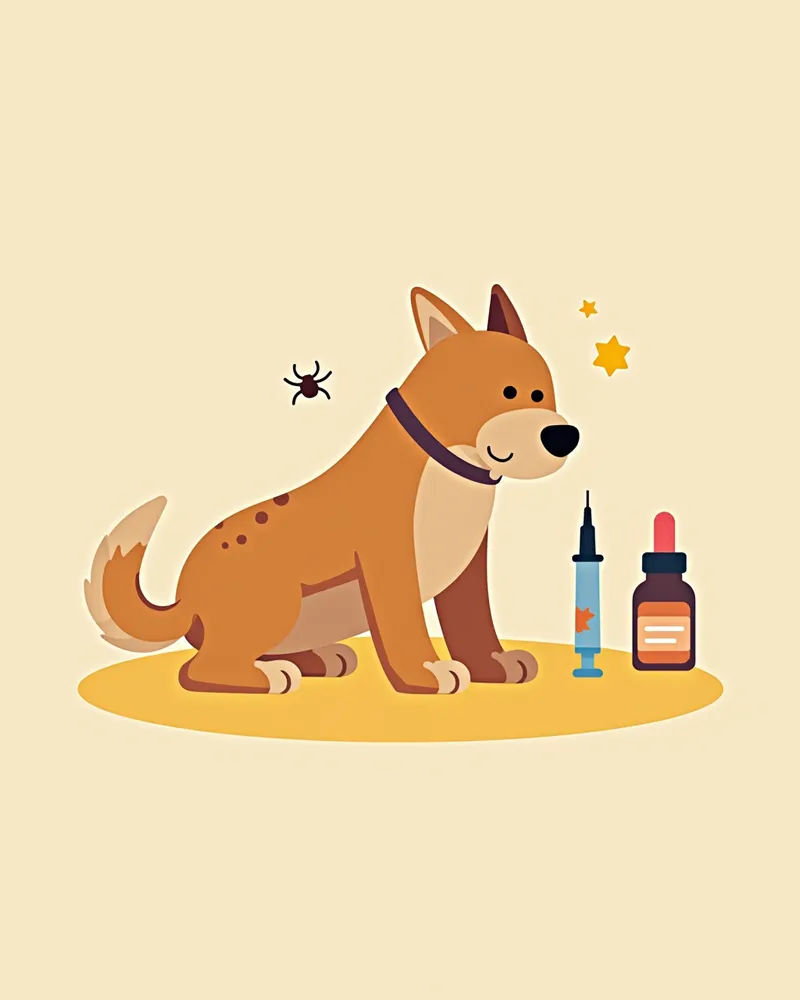
Key Fact 1: Symptoms and Urgency of Ehrlichiosis

Key Fact 2: Diagnosis and Treatment Options

Key Fact 3: Management, Prevention, and the Importance of Veterinary Diagnosis

What Pet Owners Should Know About Canine Ehrlichiosis
| Item | Key Points |
|---|---|
| Symptoms | Fever, lethargy, decreased appetite, bleeding tendency, anemia |
| Cause | Bacteria (Ehrlichia) transmitted through a bite from an infected tick |
| Diagnosis | Comprehensive determination by a veterinarian via blood test, antibody test, and PCR |
| Treatment | Veterinarian-prescribed antibiotics (doxycycline class) taken for several weeks |
| Management | Regular re-examination, tick preventives, no stopping medication at one's own discretion |
This is not a table recommending specific products or clinics, but a reference standard for when you consult your veterinarian. Always make treatment and testing decisions together with your veterinarian through an examination.
Precautions and Contraindications
When using an ehrlichiosis preventive, take your dog’s weight and overall health into account. Puppies, pregnant dogs, and those with compromised immune systems should be evaluated by a veterinarian before use. Watch for side effects such as vomiting, diarrhea, lethargy, or skin rashes, and monitor your dog closely for 24 hours after administration. Incorrect use can actually increase the risk of infection, so always follow the instructions carefully.
Usage Tips and Management Points

Reviewed by a veterinarian

Dr. Tony — Punnawat Phongkittirak
VeterinarianA veterinarian who majored in veterinary medicine at Khon Kaen University, Thailand, and completed the IVSA program at North Carolina State University in the United States. Drawing on clinical experience at animal hospitals, he works in the pet healthcare field and is dedicated to building a digital care environment that connects pet parents with veterinarians.
Reviewed 2026-06-29
Frequently Asked Questions
Can humans get infected with ehrlichiosis?
Which breeds are more susceptible to ehrlichiosis?
Share
Related Guides

5 Flea and Tick Preventives for Cats Recommended by Veterinarians — Ingredient Safety Comparison

The Ultimate Guide to Differentiating Symptoms, Managing Internal Parasites in Dogs, and Choosing the Best Products

Best Practices and Selection Criteria for Dog Heartworm Antigen Testing

7 Key Management Tips for Canine Patent Ductus Arteriosus (PDA) Recommended by Veterinarians

7 Dog Heart Markers Explained by a Veterinarian — How to Read NT-proBNP and Troponin Levels

Veterinarian-Explained: 4 Stages of Canine Heart Failure (ACVIM) and Management Guidelines

Dog Pulmonary Edema Warning — 7 Best Diuretics (Furosemide) for Heart Management

7 Key Points for Emergency Management of Canine Congestive Heart Failure Recommended by Veterinarians

7 Key Management Strategies and Selection Criteria for Canine Bradycardia and Atrioventricular Block According to Veterinarians

6 Key Management Strategies for Feline Ventricular Septal Defect (VSD) Recommended by Veterinarians
References
[1] Plumb's Veterinary Drug Handbook, 9th Edition. 2022. Wiley-Blackwell.
[2] American Veterinary Medical Association. (2021). Canine Ehrlichiosis: Diagnosis and Management. AVMA Guidelines.
[3] Krause, M. et al. (2020). Ehrlichia canis: Pathogenesis and Immune Response in Dogs. Veterinary Parasitology, 284, 109156.