

7 Key Principles of Nutritional Management for Cats with Cancer and Selection Criteria According to Veterinarians
Nutritional management is key to improving treatment outcomes and quality of life for cats with tumors. It’s important to choose the right supplements and care methods.
Nutritional Support for Cats with Tumors is a Key Adjunct to Treatment
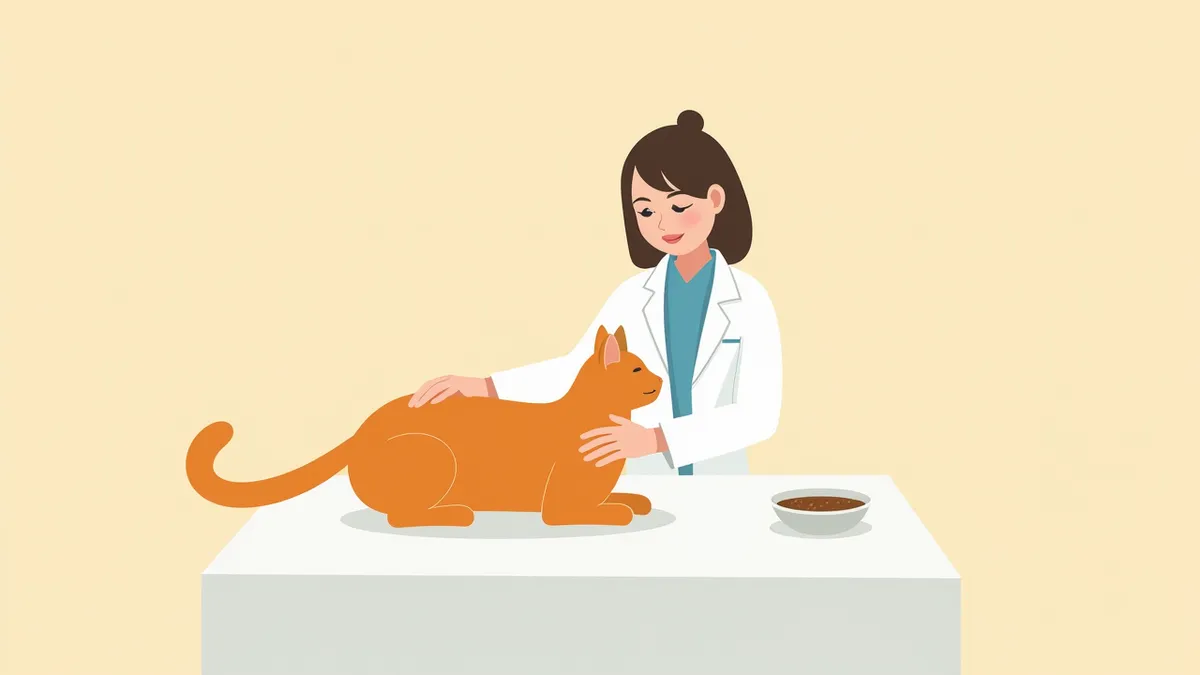
Note: Nutritional Support Management for Cats with Tumors

Note 1: Why Nutritional Support is Necessary for Cats with Tumors
Note 2: Nutritional Support Methods and Treatment Options for Cats with Tumors
Note 3: Home Care Precautions and Caution Regarding Unverified Supplements

What Owners Should Know About Nutritional Support for Cats with Tumors
| Item | Key Points |
|---|---|
| Condition | Decreased appetite, weight loss, and muscle wasting appear |
| Cause | Caused by the metabolic competition of cancer cells and cachexia |
| Diagnosis | The veterinarian evaluates the condition with blood tests and imaging |
| Treatment | Uses prescription diets, tube feeding, and appetite stimulants |
| Caution | Do not use unproven supplements or products claiming a cure |
This isn't a table recommending specific products or clinics; it's a reference for discussing with your veterinarian. Always make treatment and testing decisions together with your veterinarian through an examination.
Side Effects May Occur with Overdosing
Overdosing on supplements can cause side effects such as diarrhea, vomiting, and loss of appetite. In particular, antioxidants and certain supplements may interfere with the efficacy of cancer or radiation therapy, so it is important not to use high doses without veterinary guidance. A veterinarian should determine the appropriate dosage based on your pet’s weight and condition. Always consult your vet before starting any supplement and carefully follow the instructions on the product label.
Usage Tip: Closely Monitor Your Cat’s Response

Reviewed by a veterinarian

Dr. Tony — Punnawat Phongkittirak
VeterinarianA veterinarian who majored in veterinary medicine at Khon Kaen University, Thailand, and completed the IVSA program at North Carolina State University in the United States. Drawing on clinical experience at animal hospitals, he works in the pet healthcare field and is dedicated to building a digital care environment that connects pet parents with veterinarians.
Reviewed 2026-06-07
Frequently Asked Questions
When should I start giving my pet nutritional supplements?
Is it okay to just give nutritional supplements if my pet’s food intake decreases?
Does every cat need the same nutritional supplement?
Is it safe to give my pet nutritional supplements long-term?
Can the ingredients in pet food negatively affect cancer?
Share
Related Guides

Comprehensive Guide to Recommended Hospice Care and Quality of Life Management for Cats with Tumors

7 Factors Determining Prognosis and Life Expectancy in Dogs with Tumors, According to Veterinarians

7 Key Management Points for Canine Transitional Cell Carcinoma (Bladder Cancer) Recommended by Veterinarians — From Symptoms to Care

7 Signs of Drug- or Toxin-Induced Liver Damage in Dogs That Veterinarians Warn About

7 Key Tips for Managing Copper-Associated Hepatitis in Dogs, as Recommended by Veterinarians

7 Best Ways to Manage Chronic Hepatitis in Dogs Recommended by Veterinarians and Selection Criteria

7 Warning Signs of Biliary Obstruction in Dogs and Management Tips Selected by Veterinarians
7 Best Practices for Managing Your Dog’s Bile Acid Test and Selection Criteria Recommended by Veterinarians

7 Key Points for Managing Canine Autoimmune Hepatitis, Summarized by a Veterinarian

Canine Acute Liver Failure — Warning Signs You Must Not Miss and Top 7 Management Tips
References
[1] Stiver, S.L., Frazier, K.S., Mauel, M.J. et al. (2003). Septicemic salmonellosis in two cats fed a raw-meat based diet. J. Am. Anim. Hosp. Assoc. 39: 538–542.
[2] Glenna E. Mauldin. (2011). Nutritional Management of Oncologic Diseases. In Applied Veterinary Clinical Nutrition, 2nd Ed. pp. 484–490.
[3] Klopfleisch, R., Hvid, H., Klose, P. et al. (2010). Insulin receptor is expressed in normal canine mammary gland and benign adenomas but decreased in metastatic canine mammary carcinomas similar to human breast cancer. Vet. Comp. Oncol. 8: 293–301.