Like
Share
멍실장
강아지 소변 pH 관리 관리 추천 BEST와 고르는 기준 총정리

Top Recommended Products for Managing Your Dog’s Urine pH and Selection Guidelines

UrinaryTop PicksMeongsiljang Veterinary Advisory Board

Your dog’s urine pH directly impacts urinary tract health, and maintaining an optimal pH is key to preventing certain urinary tract diseases. In this article, we’ve compiled effective pH-management products and guidelines for choosing the right one.

Managing Your Dog’s Urine pH Is Key to Urinary Tract Health

A puppy's urine sample being tested with a reagent strip.
Your dog’s urine pH is a key indicator of urinary tract health, and it’s important to keep it within the normal range of 5.5 to 7.5. If the urine becomes too acidic or too alkaline, the risk of stone formation increases. Specifically, acidic urine raises the risk of calcium oxalate stones, while alkaline urine is associated with struvite stones. When urine pH exceeds 7.5, conditions become favorable for the formation of both calcium phosphate and struvite stones. Therefore, proper management under veterinary guidance is essential. When using any products, follow your veterinarian’s recommendations to avoid excessively altering urine acidity or alkalinity.

Guidelines for Choosing a Dog Urine pH Management Product

When selecting a product to manage your dog’s urine pH, scientific validation of its ingredients is paramount. However, there is currently insufficient research demonstrating the direct efficacy of ingredients such as glucosamine, creatine, and magnesium in regulating urine pH. Instead, veterinary medicine recommends potassium citrate and sodium citrate as ingredients for alkalinizing urine; these are used based on the type of urinary stone and require caution during long-term use. Ideally, pH regulation should involve maintaining a natural balance, as sudden changes can actually worsen urinary tract conditions. While products recommended by veterinarians or those administered under conditional guidance may be safer, the appropriate choice ultimately depends on each animal’s individual health status.
Mixing liquid supplements into your dog's food

BEST 1: ProVita Urine pH Balance Capsules
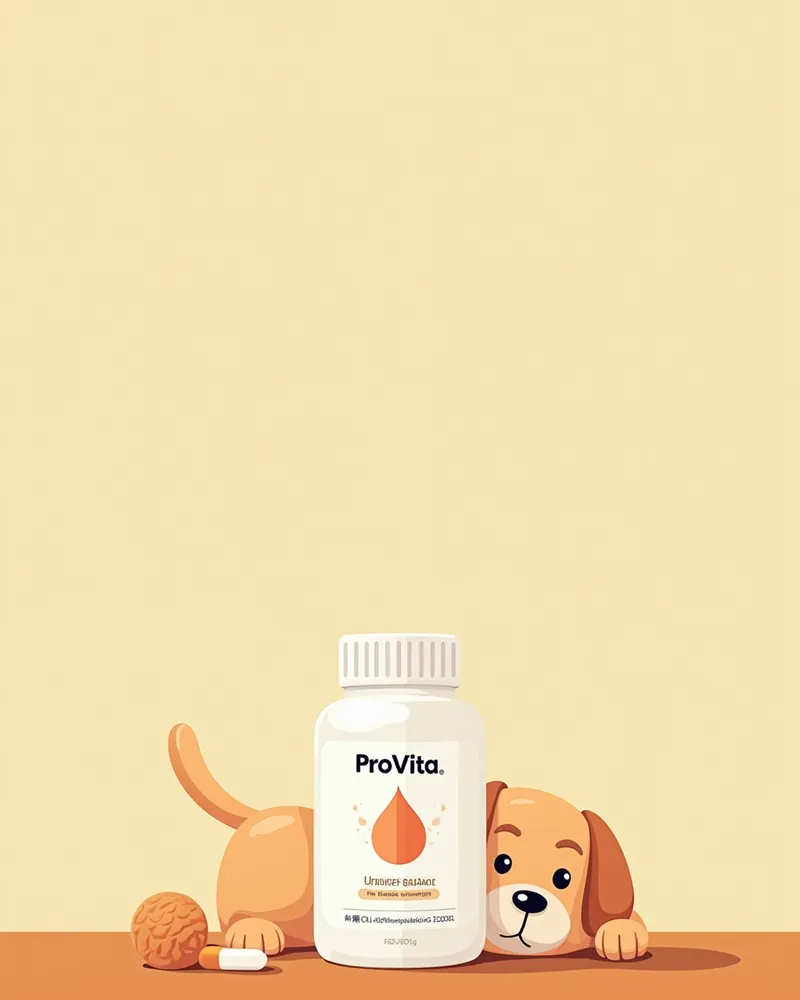
ProVita Urine pH Balance Capsules contain glucosamine and creatine; however, there is currently no veterinary evidence to suggest that these ingredients directly contribute to regulating urine pH. Glucosamine is used for joint health, while creatine is associated with muscle metabolism. For urine pH regulation, citrate-based medications or specific dietary adjustments are more extensively validated in veterinary medicine. This product may be used when recommended by a veterinarian or in special circumstances, but care should be taken to avoid excessive adjustment of acidity or alkalinity, and regular urine tests are necessary during long-term use.
ProVita Urinary pH Balance Capsules product box

BEST 2: Pet Plus Alkaline Fabric Liquid
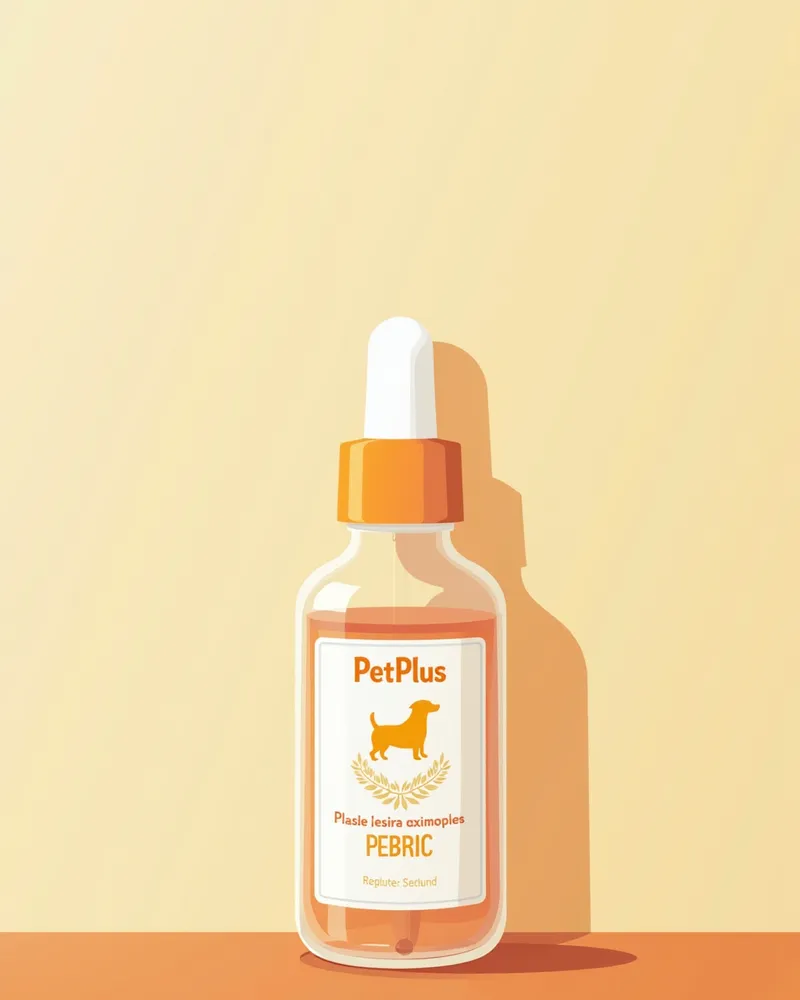
The claim that ingredients in Pet Plus Alkaline Fabric Liquid naturally regulate urine acidity lacks current veterinary evidence. While sodium citrate or sodium carbonate are commonly used as alkalizing agents, these are not clearly listed on the label. Even when administered in liquid form, long-term use without regular monitoring can lead to excessive increases in urine pH. In particular, if the pH rises above 7.5, the risk of calcium phosphate or struvite stone formation may increase, so use should be under veterinary guidance. Caution is still warranted even if recommended by a veterinarian. Although mixing the product with water offers convenience, its effectiveness can vary significantly among individual pets.
PetPlus Alkaline Fabric Liquid

BEST 3: Luna Baby Urinary Health Capsules

Although Luna Baby Urinary Health Capsules are formulated with naturally derived ingredients, there is insufficient scientific evidence to support their ability to regulate urine pH. While the antioxidant and anti-inflammatory components may offer some benefits for urinary tract health, their specific role in pH regulation has not been clearly established. If the goal is pH adjustment, the product should contain acid-base regulators; however, the specific ingredients are not disclosed, and there is no evidence supporting the safety of long-term use. Without consulting a veterinarian, the undisclosed ingredient list could lead to unexpected adverse effects, so caution is advised.
LunaBaby Urinary Tract Health Capsules

Comparison Table of BEST 1–3 Products

ItemIngredient FeaturesAdministration MethodRecommended Weight
Provita pH Balance CapsuleGlucosamine, creatine (regular urinalysis required)1 capsule/day10 kg or more
Pet Plus Alkaline Fabric LiquidAlkaline-regulating ingredient (ingredient name not stated, veterinarian recommendation required)1 ml liquid/day5 kg or more
Luna Baby Urinary CapsuleNaturally derived ingredients (veterinary efficacy not established)1 capsule/day3 kg or more

The veterinarian determines the dosage recommended based on body weight and health condition. In particular, long-term use of pH-regulating products requires monitoring through regular testing.

Caution: pH Adjustment Should Not Be Excessive

Making urine pH too low or too high can actually increase the risk of urinary tract stones and infections. In particular, acidic urine can lead to calcium oxalate stones, while alkaline urine can promote struvite stones. Therefore, pH adjustment should be guided by a veterinarian based on regular urinalysis results, and it is important not to manage it on your own without veterinary supervision. When pH reaches 7.5 or higher, excessive alkalinity may increase the risk of calcium phosphate and struvite stones, so caution is advised.

Usage Tips: Combine with Daily Care
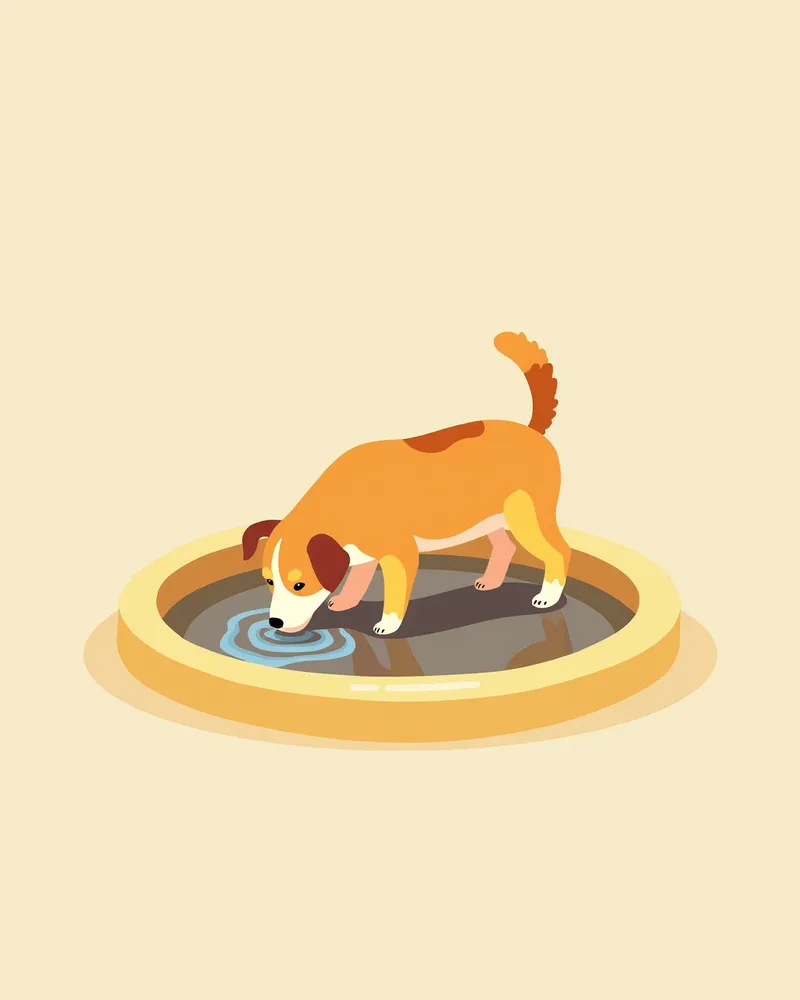
Managing urine pH effectively requires combining product use with daily care. The most important step is encouraging adequate water intake, and it’s also beneficial to maintain a regular urination routine of two to three times a day or more. Since meat-based, high-protein diets can promote acidic metabolism, maintaining a balanced diet is essential. In some cases, veterinarians may recommend specific foods or supplements to help regulate acidity. It’s important to work closely with your veterinarian, conducting regular urine tests to monitor your pet’s condition and adjusting the management plan as needed.
A puppy drinking water from a fountain

Reviewed by a veterinarian

Dr. Tony — Punnawat Phongkittirak

Dr. Tony — Punnawat Phongkittirak

Veterinarian

A veterinarian who majored in veterinary medicine at Khon Kaen University, Thailand, and completed the IVSA program at North Carolina State University in the United States. Drawing on clinical experience at animal hospitals, he works in the pet healthcare field and is dedicated to building a digital care environment that connects pet parents with veterinarians.

Frequently Asked Questions

How is urine pH measured?
Urine pH can be quickly checked with a test strip, but the results aren’t very precise. Test strips tend to show a higher pH than the actual value, so for accurate measurement, a pH meter or automated analyzer is recommended. For the most reliable results, have your veterinarian perform regular checks.
How many times a day should my pet drink water?
The amount of water your dog needs varies depending on their weight and activity level, so it’s more important to ensure they always have access to plenty of fresh water than to focus on a specific number. Refilling their water bowl frequently helps dilute their urine, which supports urinary tract health.
Is it safe to use pH-balancing products long-term?
Even if a product is recommended by a veterinarian, regular urine tests should be conducted to monitor pH levels during long-term use, as excessive pH changes can increase the risk of stone formation. Therefore, long-term use should be carried out under veterinary supervision.
What problems can occur with acidic urine?
Acidic urine can increase the risk of calcium oxalate stones. It’s important to consult with your veterinarian to determine if pH adjustment is necessary, and it’s best to avoid making any adjustments on your own.
Does pet food also affect pH levels?
Yes, meat-based, high-protein diets tend to promote an acidic metabolic state, while low-protein, vegetable-based diets can have an alkalizing effect. However, specialized diets designed to regulate urinary pH should only be used under a veterinarian’s guidance, as excessive pH manipulation can actually be harmful.

Share

Related Guides

References

[1] Plumb, D.C. (2023). Plumb's Veterinary Drug Handbook, 10th Edition. Wiley-Blackwell.

[2] Hoskins, J.D. (2021). Urinalysis in Dogs: Clinical Interpretation and Management. Veterinary Clinics of North America: Small Animal Practice, 51(3), 457–478.

[3] American Veterinary Medical Association. (2022). Guidelines for Urinary Health in Canine Patients. AVMA Nutrition and Health Guidelines.

This information is based on veterinary literature and does not replace diagnosis or treatment. Please consult a veterinarian for specific health concerns.

Metapet Co., Ltd. | CEO: Park Sung-yong | Business Reg. No. 417-88-02562 | Seoul, South Korea | Customer Center

Best Dog Urine pH Management: Top Recommendations and How to Choose | Meongsiljang