Like
Share
멍실장
고양이 고혈압성 망막증 관리 추천 BEST와 고르는 기준 총정리

Veterinarian-Recommended Top 7 for Managing Feline Hypertensive Retinopathy — From Blood Pressure to Eye Health

Eye HealthTop PicksMeongsiljang Veterinary Advisory Board

Hypertensive retinopathy in cats is a condition where high blood pressure causes damage to the retina, making early detection and proper management crucial. The key is to work with your veterinarian to choose a tailored management plan.

Feline Hypertensive Retinopathy Is Eye Damage Caused by High Blood Pressure
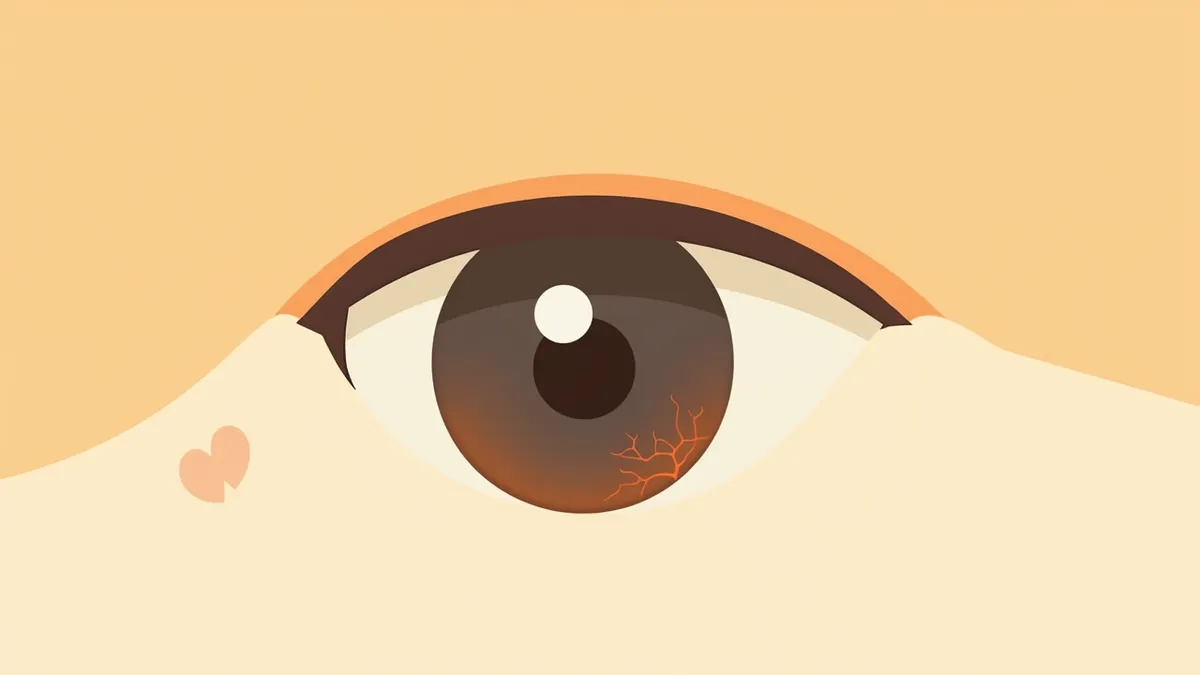
Appearance of eye damage in feline hypertensive retinopathy
Hypertensive retinopathy in cats is a condition in which sustained high blood pressure damages the retina and other ocular tissues, making early detection crucial. Because the disease often progresses gradually in many cats, owners may not notice changes in the early stages, and acute vision loss is the most common reason for initial veterinary visits. However, if left untreated, it can lead to retinal hemorrhage or retinal detachment and result in blindness, so regular check-ups and blood pressure monitoring are essential. - Blood pressure management: Persistent hypertension can cause retinal edema, hemorrhage, and, in severe cases, retinal detachment. - Identification of underlying diseases: Underlying conditions such as chronic kidney disease or hyperthyroidism are often present, so it is important to evaluate for these concurrently. - Veterinary consultation is essential: Always consult your veterinarian before initiating any management strategies or adding supplements, and avoid making decisions based on your own judgment. - Early management: If hypertension is identified and controlled early, vision can be preserved; therefore, regular check-ups before symptoms appear are the most effective approach.

Selection Criteria: Safety, Efficacy, and Veterinarian Recommendation
When choosing a supplement to manage hypertensive retinopathy in cats, you should always consider three key criteria. - Safety: Make sure the product has minimal side effects even with long-term use. If your cat is already on blood pressure medication, it’s essential to check with your veterinarian to confirm it’s safe to use together. - Effectiveness: Keep in mind that supplements only play a supportive role. The foundation of managing hypertension itself is treatment with blood pressure medications like amlodipine or ACE inhibitors, along with addressing any underlying conditions. - Veterinarian Recommendation: Products prescribed or recommended by a vet are generally more trustworthy. Also, since changing diets or supplements can affect blood pressure and overall health, always consult your vet first. - Ease of Use: It’s important to choose a form that your cat will readily accept, such as tablets or liquid. - Long-Term Management: Opt for products that support sustainable, long-term care rather than just short-term effects.
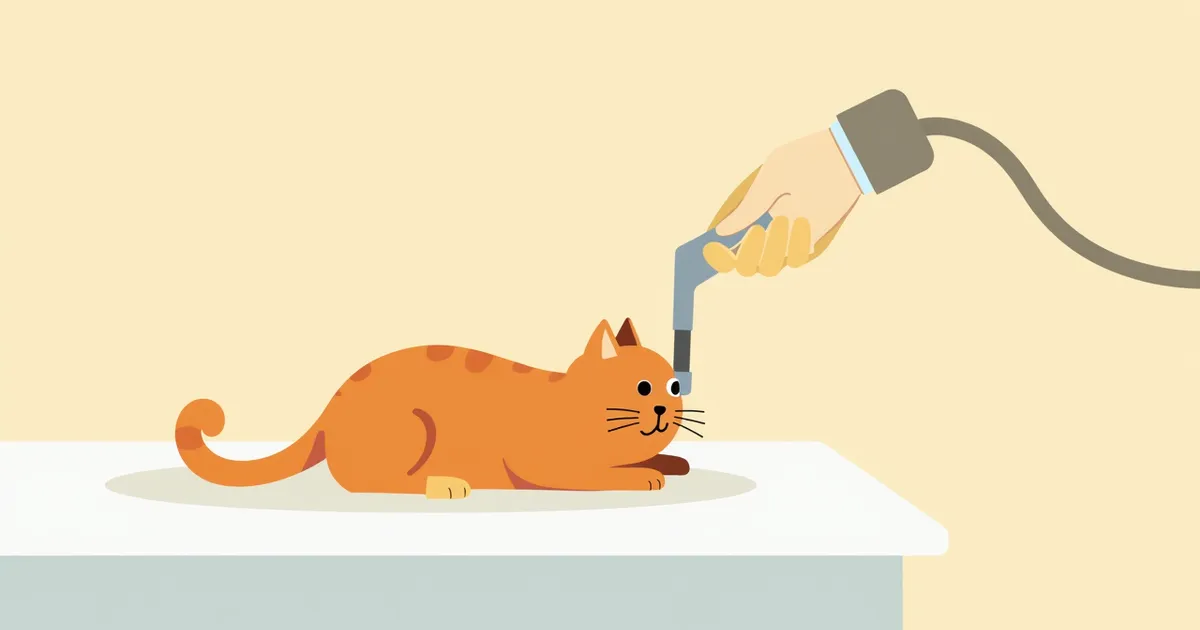
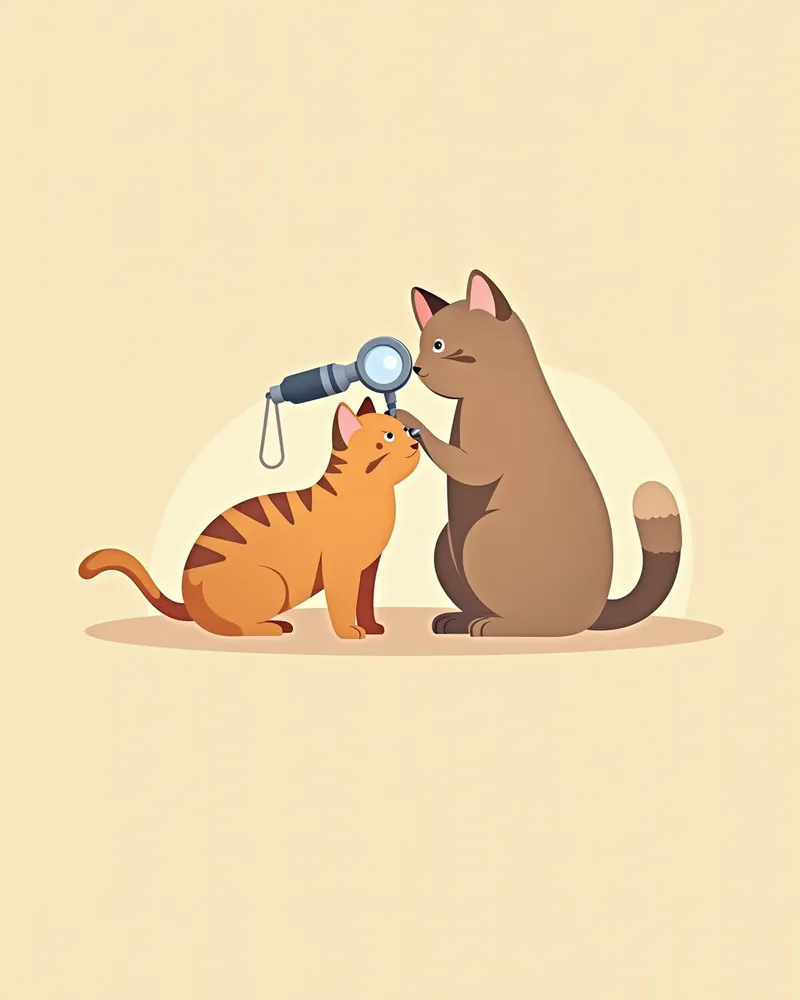
A veterinarian examining a cat's eyes

BEST 1: Comprehensive Supplement for Blood Pressure Stabilization (Vascular Protection Type)
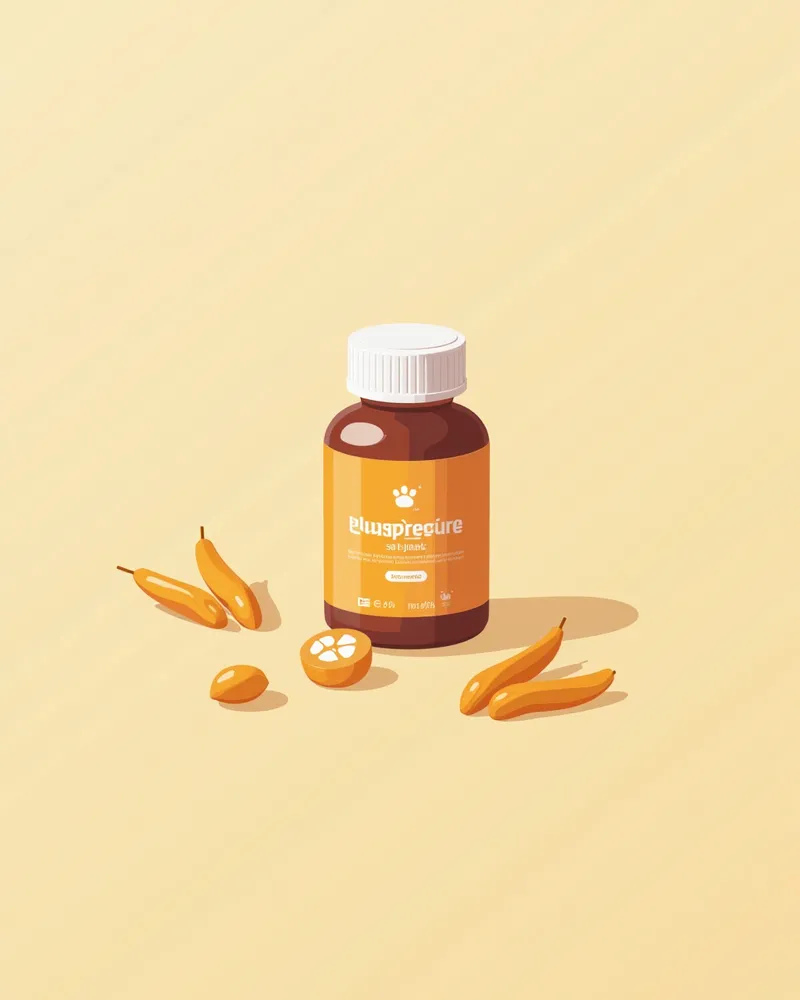
This product is a comprehensive supplement designed to support overall health and maintain retinal health. However, please remember that it does not replace treatment for hypertension itself. - Glucosamine: Included as a general health-supporting ingredient. - Omega-3 Fatty Acids: Commonly used to help regulate inflammation and support overall health. - Lutein: Frequently used to support retinal health. - Vitamin E: Included as an antioxidant-supporting ingredient. - Veterinary Consultation Recommended: Since these supplements are not proven treatments for hypertensive retinopathy, please consult your veterinarian before using them alongside blood pressure medications or treatments for underlying conditions. Follow the product’s recommended daily dosage and your veterinarian’s instructions, and regularly monitor blood pressure changes while using the supplement.
Cat supplement for stabilizing high blood pressure

BEST 2: Omega-3 & Lutein Enhancer for Retinal Protection
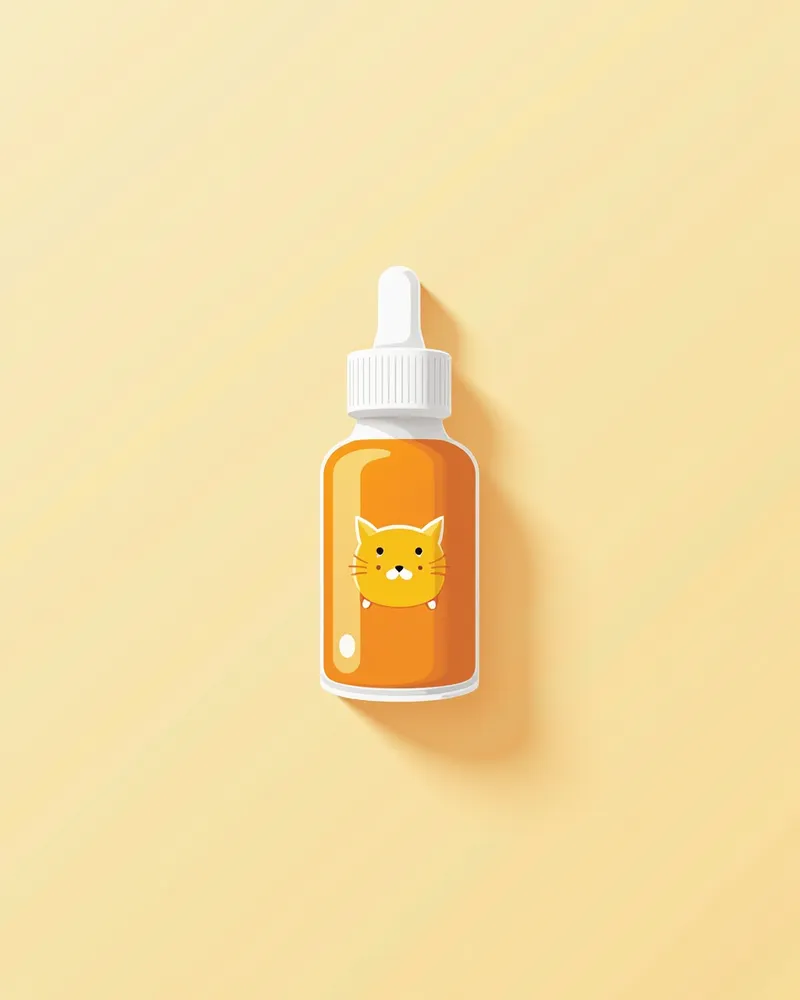
This supplement is formulated with enhanced omega-3 and lutein to support retinal health. Please remember that it serves only as a complementary aid and does not replace treatment for hypertension. - Omega-3: A commonly used ingredient for inflammation control and overall health. - Lutein: Frequently used to support retinal health. - Antioxidant Support: Contains ingredients that may help manage oxidative stress. - Liquid Form: Easy for cats to consume, making administration convenient. - Caution: There is no textbook evidence that this supplement alone can inhibit the progression of hypertensive retinopathy. The key to actually slowing progression is controlling blood pressure with medications such as amlodipine or ACE inhibitors and treating underlying conditions. Please consult your veterinarian regularly while using this product.
Liquid supplement for retinal protection

BEST 3: Low-Salt Dietary Food for Hypertension Management
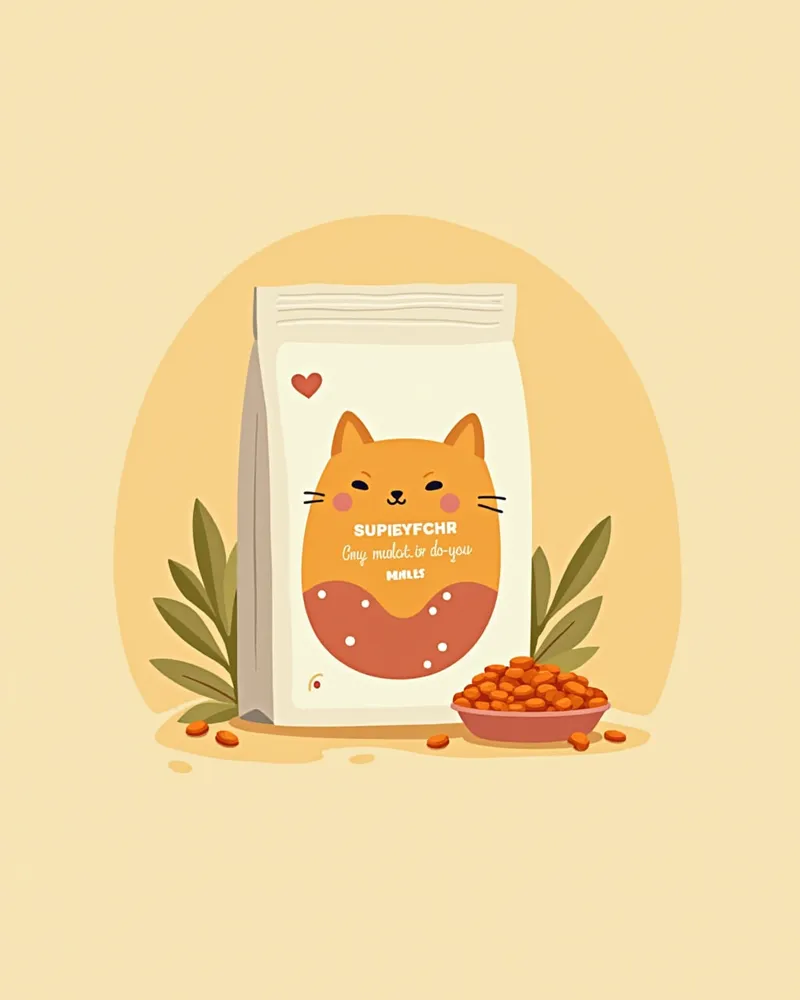
This food is a dietary product designed to help reduce excessive salt intake. However, the idea that a low-salt diet lowers blood pressure is debated, and some reports suggest it may actually raise blood pressure by activating the renin-angiotensin system. Therefore, it is more accurate to view low-salt food not as a primary method for blood pressure control, but as a way to avoid diets that are excessively high in salt. - Salt Management: It is recommended to avoid high-salt diets. - Key to Blood Pressure Control: Blood pressure is primarily managed through medications like amlodipine and ACE inhibitors, along with treatment of underlying conditions, rather than through diet alone. - Long-Term Management: Diet should be approached as part of overall health maintenance rather than for short-term effects. - Veterinary Consultation: Always consult your veterinarian before changing your pet's food. - Feeding Instructions: Feed 2–3 times daily, adjusting portions according to your veterinarian's recommended amount.
Cat food for managing high blood pressure

Comparison Table of Products BEST 1–3

ItemBEST 1 (Complex Supplement)BEST 2 (Omega-3 Enhancer)BEST 3 (Low-Sodium Food)
Main ingredientsGlucosamine, omega-3, lutein, vitamin EOmega-3, lutein, vitamin ELow sodium, potassium, magnesium
Main effectsGeneral health support (not a proven treatment for retinopathy)General health support (not a proven treatment for retinopathy)Avoiding a high-sodium diet (direct blood-pressure-lowering effect is uncertain)
FormulationCapsuleLiquidFood
Recommended timingAs a supplement after consulting a veterinarianAs a supplement after consulting a veterinarianAs an aid to avoid a high-sodium diet

Supplements and food are not proven treatments for hypertensive retinopathy. Blood pressure control centers on blood pressure medications such as amlodipine and ACE inhibitors, along with treatment of the underlying disease; discuss all choices with your veterinarian.

Caution: Always Consult Your Veterinarian If Taking Medication

When adding a multivitamin or a new diet to a cat being treated for hypertensive retinopathy, always consult your veterinarian first. Antihypertensive medications can cause side effects such as lethargy, and arbitrarily adding or changing products can interfere with blood pressure control. Do not make any changes on your own; instead, work with your veterinarian to adjust the treatment plan.

Usage Tip: Regular Eye Exams and Blood Pressure Monitoring Are Essential
Managing feline hypertensive retinopathy goes beyond simply administering supplements; regular veterinary visits and check-ups are essential. - Regular Check-ups: Consistently monitor eye health (via fundus examination) and blood pressure according to the schedule recommended by your veterinarian. - Symptom Monitoring: Visit the clinic immediately if your cat appears to have suddenly lost vision or is stumbling in the dark. - Blood Pressure Measurement: Blood pressure is measured at the clinic. Minimizing stress during the procedure is crucial for obtaining accurate readings. - Management of Underlying Conditions: It is important to concurrently manage underlying diseases such as chronic kidney disease and hyperthyroidism. - Communication with Your Veterinarian: Always consult your vet if there are any changes to your cat’s current medications or diet. - Record Keeping: Documenting changes in symptoms and medication adherence facilitates smoother communication with your veterinarian.
A scene of a cat's regular check-up

Reviewed by a veterinarian

Dr. Tony — Punnawat Phongkittirak

Dr. Tony — Punnawat Phongkittirak

Veterinarian

A veterinarian who majored in veterinary medicine at Khon Kaen University, Thailand, and completed the IVSA program at North Carolina State University in the United States. Drawing on clinical experience at animal hospitals, he works in the pet healthcare field and is dedicated to building a digital care environment that connects pet parents with veterinarians.

Frequently Asked Questions

Can hypertensive retinopathy in cats be cured?
When the underlying high blood pressure is well controlled, retinal hemorrhages may be absorbed and detached retinas can reattach, leading to improvement. However, if the damage is severe or long-standing, vision recovery may be difficult, making early detection and blood pressure management crucial.
How many times a day should I give my pet the supplement?
Supplements play a supportive role rather than serving as treatments. While usage varies by product, they are typically given once daily with meals, and the dosage and necessity are determined by your veterinarian based on your pet's weight and condition. Hypertension itself is managed with blood pressure medication and treatment of the underlying disease.
Will switching to a low-sodium diet immediately lower blood pressure?
The claim that a low-sodium diet lowers blood pressure is controversial, and some reports even suggest it may raise blood pressure. It’s unrealistic to expect blood pressure to drop immediately just by changing the food, as effective blood pressure control primarily relies on medications such as amlodipine and ACE inhibitors, along with treating the underlying disease. However, it is advisable to avoid excessively high sodium levels.
Can retinopathy be diagnosed based solely on redness in the eyes?
No. Redness can have many causes. Hypertensive retinopathy requires a professional fundus examination for confirmation, and it is difficult for pet owners to assess on their own.
My cat hates taking medicine. What can I do?
Capsules can be hidden in treats, while liquid forms can be mixed with water or broth. For the best results, follow the administration method recommended by your veterinarian.

Share

Related Guides

References

[1] Komáromy AM, Andrew SE, Denis HM, Brooks DE, Gelatt KN. Hypertensive retinopathy and choroidopathy in a cat. Vet Ophthalmol 2004;7(1):3–9.

[2] Brown SA, Henik RA. Diagnosis and treatment of systemic hypertension. Vet Clin North Am Small Anim Pract 1998;28(6):1481–94.

[3] Maggio F, DeFrancesco TC, Atkins CE, et al. Ocular lesions associated with systemic hypertension in cats: 69 cases (1985-1998). J Am Vet Med Assoc 2000;217:695-702.

This information is based on veterinary literature and does not replace diagnosis or treatment. Please consult a veterinarian for specific health concerns.

Metapet Co., Ltd. | CEO: Park Sung-yong | Business Reg. No. 417-88-02562 | Seoul, South Korea | Customer Center

Feline Hypertensive Retinopathy: Vet's Top 7 Management Tips | Meongsiljang