

7 Best Management Products to Reduce Recurrence of Feline Herpes Keratitis
Feline herpes keratitis is a recurring eye condition, making proper care and the right choice of treatment essential. We’ve put together a clear overview of the best products and how to choose them.
Feline herpes keratitis is a viral disease that affects the eyes

Know-How: Managing Feline Herpes Keratitis

Know-How 1: What is the condition and why is it dangerous?
Know-How 2: Diagnosis and treatment options
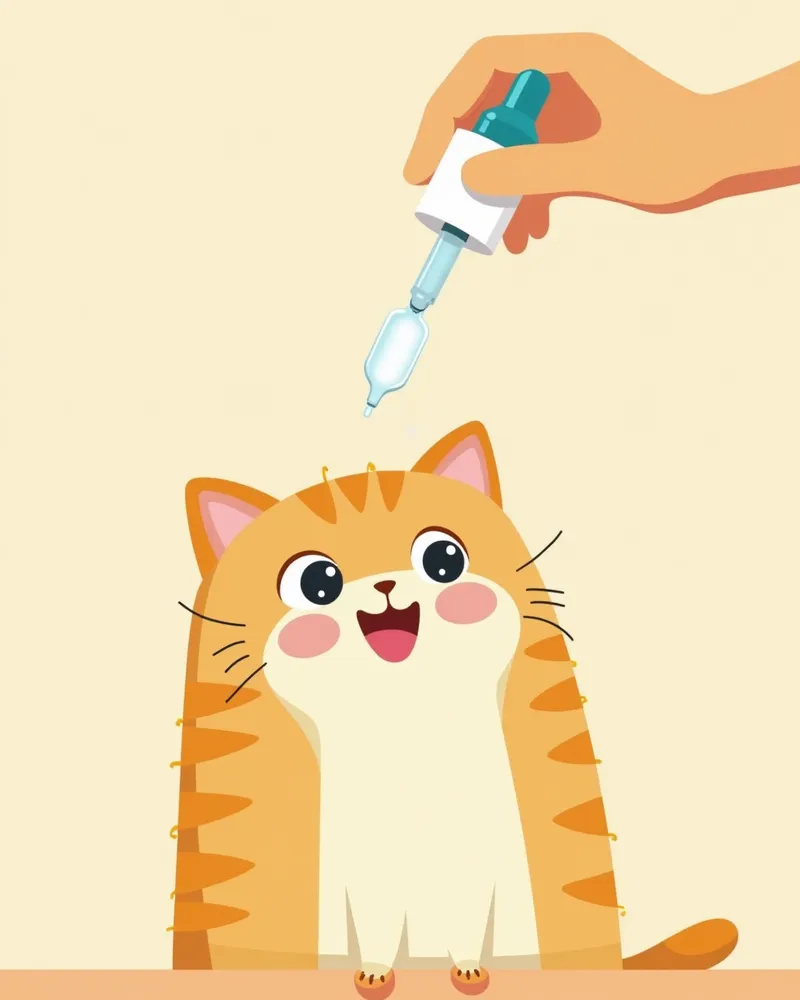
Know-How 3: Management and precautions

What pet owners should know about feline herpes keratitis
| Item | Key Points |
|---|---|
| Symptoms | Redness, tearing, corneal cloudiness, eye rubbing |
| Cause | FHV-1 viral infection or reactivation |
| Diagnosis | Slit-lamp, fluorescein staining, PCR testing |
| Treatment | Antiviral and antibiotic eye drops prescribed by a veterinarian |
| Caution | No unsupervised home remedies; regular re-examination is essential |
This is not a table recommending specific products or clinics, but a reference for criteria when consulting your veterinarian. Treatment and testing decisions must always be made together with your veterinarian through an examination.
Excessive use can irritate the eyes
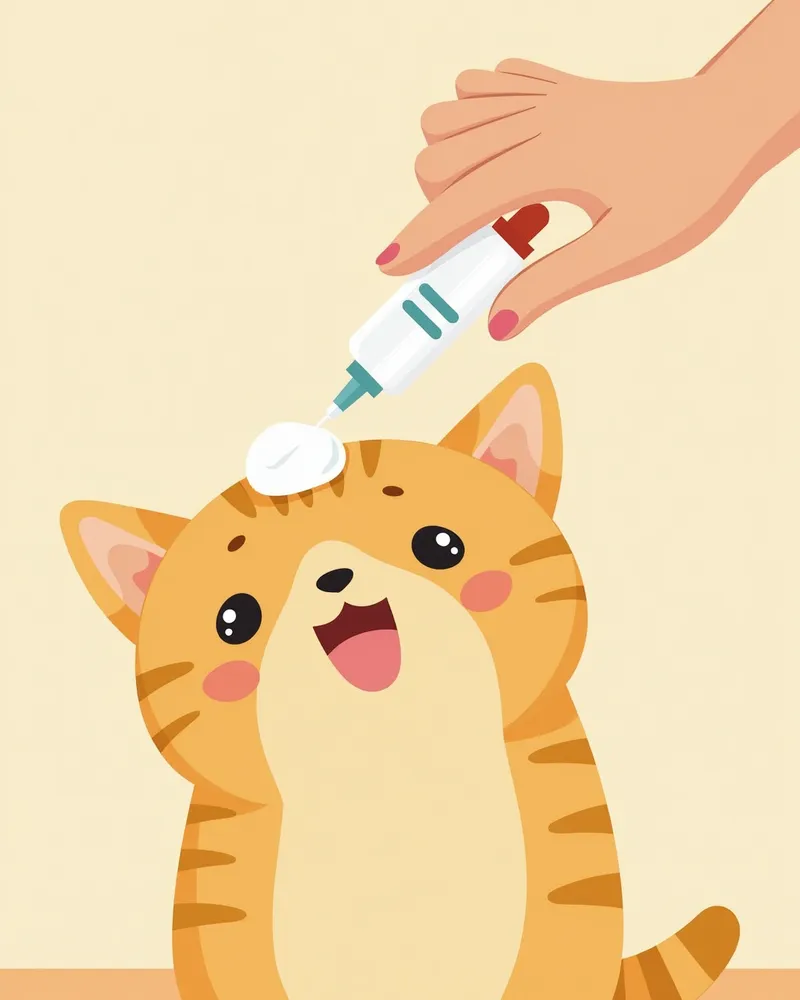
Antiviral medications can irritate the eyes if used excessively without a veterinarian’s prescription. In particular, overusing them when there is excessive tearing or redness may worsen the symptoms. Always consult your veterinarian before use and strictly follow the prescribed frequency and dosage.
Usage tips: Hygiene and consistent habits are key
Reviewed by a veterinarian

Dr. Tony — Punnawat Phongkittirak
VeterinarianA veterinarian who majored in veterinary medicine at Khon Kaen University, Thailand, and completed the IVSA program at North Carolina State University in the United States. Drawing on clinical experience at animal hospitals, he works in the pet healthcare field and is dedicated to building a digital care environment that connects pet parents with veterinarians.
Reviewed 2026-06-02
Frequently Asked Questions
Can herpes keratitis be completely cured?
How do I administer eye drops at home?
Is it okay to rub the eye after applying the medication?
What should I do if the condition keeps coming back?
My cat hates it when I put eye drops in. What should I do?
Share
Related Guides

Top 5 Dog Tear Supplements Recommended for 2026

What is Lutein? Effects on Dog Eye Health

The Best Canine Uveitis Management Products and Selection Criteria: A Comprehensive Guide

7 Key Points for Feline Pimobendan Treatment Compiled by Veterinarians — Dosage, Side Effects, and Precautions
7 Key Emergency Management Tips for Feline Pericardial Effusion and Cardiac Tamponade Recommended by Veterinarians

7 Key Management Tips for Cats After Pacemaker Implantation, Recommended by Veterinarians
7 Feline Cardiac Markers Recommended by Veterinarians — A Guide to NT-proBNP and Troponin Tests

7 Key Management Tips for Feline Infective Endocarditis Recommended by Veterinarians

7 Key Strategies for Managing Feline Hypertensive Heart Disease Recommended by Veterinarians

7 Key Strategies for Managing Feline Heart Failure Stages (ACVIM) Recommended by Veterinarians
References
[1] Ofri R. Conjunctivitis in cats. NAVC Clin’s Brief 2017 (April):95-100.
[2] Plummer CE. Herpetic keratoconjunctivitis in a cat. NAVC Clin’s Brief 2012; January:26-8.
[3] Nasisse MP, Davis BJ, Guy JS, Davidson MG, Sussman W. Isolation of feline herpesvirus 1 from the trigeminal ganglia of acutely and chronically infected cats. J Vet Intern Med 1992;6(2):102-3.