Like
Share
멍실장
고양이 코피(비출혈) 관리 추천 BEST와 고르는 기준 총정리

Top Picks and Selection Criteria for Managing Feline Epistaxis (Nosebleeds)

RespiratoryTop PicksMeongsiljang Veterinary Advisory Board

Nosebleeds (epistaxis) in cats are a symptom that requires accurate identification of the cause and appropriate management. We’ve outlined the criteria for selecting the most effective products and care methods.

Feline Epistaxis (Nosebleeds) Varies Depending on Environment and Owner Management Habits

Close-up image of a cat with symptoms of nosebleed
Feline epistaxis, or nosebleeds, refers to bleeding within the nasal cavity. Rather than relying solely on environmental management, it is more important to identify the underlying medical cause. Potential causes include trauma, nasal tumors, fungal, viral (such as feline herpesvirus rhinitis/tracheitis), or bacterial infections, parasitic infestations like nasal mites, blood clotting disorders such as thrombocytopenia or coagulation factor deficiencies, and hypertension. Because epistaxis originates from the nasal passages, it is distinct from bronchial diseases. At the clinic, veterinarians will review a complete medical history and symptom record to pinpoint the exact cause; key information includes the color, odor, and frequency of nasal discharge, as well as whether the bleeding is unilateral or bilateral. It is crucial to consult a veterinarian immediately if symptoms persist for more than a day or are accompanied by other signs such as coughing, loss of appetite, weight loss, or lethargy.

Selection Criteria: 5 Key Factors for Choosing Feline Epistaxis (Nosebleed) Management Products

When choosing a product to manage nosebleeds (epistaxis) in cats, be sure to check these five key factors. Each one directly impacts the product’s effectiveness and safety, so also consider how easy it is for you to administer.
Safety First: Use only products with ingredients recommended by veterinarians. The most important thing is to choose a product with no side effects.
Cause-Specific Formulation: Different causes—such as infections, inflammation, or blood disorders—require different active ingredients.
Palatability: If your cat refuses to take it, the product won’t work well. Choose one with a taste cats enjoy.
Easy Administration: Select a form—capsules, liquids, or powders—that suits your cat’s preferences and makes dosing straightforward.
Long-Term Efficacy: Look for products that offer not just short-term relief but also support ongoing, long-term management.
An image showcasing a variety of cat health supplements.

BEST 1: Petrium Liquid, a Premium Nosebleed Management Supplement

Petrium Liquid is a premium supplement designed to support nasal health in cats. However, there is no evidence that such supplements can treat nosebleeds (epistaxis) themselves. Because the treatment for epistaxis varies depending on the underlying cause—such as trauma, nasal tumors, infections, coagulation disorders, or hypertension—a veterinary diagnosis is essential first. The product is formulated with minimal flavoring to make it easy for cats to consume, and the dosage is determined by your veterinarian based on your cat’s weight and symptoms. A dose of 1 ml once daily is acceptable, and each bottle contains a 30-day supply. If symptoms recur, it is more important to identify and manage the underlying cause through veterinary diagnosis than to rely solely on the supplement.
Image of a premium liquid supplement for coat care

BEST 2: Cat Solution Powder, a Natural-Ingredient Nosebleed Stabilizer

Cat Solution Powder is a natural-ingredient supplement designed to help stabilize nosebleeds. While it contains only natural ingredients, there is no scientific evidence that it treats the underlying cause of epistaxis (nosebleeds), so it should be used only as a temporary supportive aid. It’s convenient to administer—simply mix it into water or food—and its minimal flavor ensures it won’t interfere with your cat’s appetite. The recommended dosage is 0.5 g once daily, with each container providing a 60-day supply. It can be used during the recovery phase after acute symptoms have subsided, but if bleeding recurs or is accompanied by other symptoms, please consult your veterinarian for a proper diagnosis before continuing use.
Product image of a natural-ingredient nosebleed stabilizer powder

BEST 3: Nasal Care Capsule Specifically Formulated for Cats
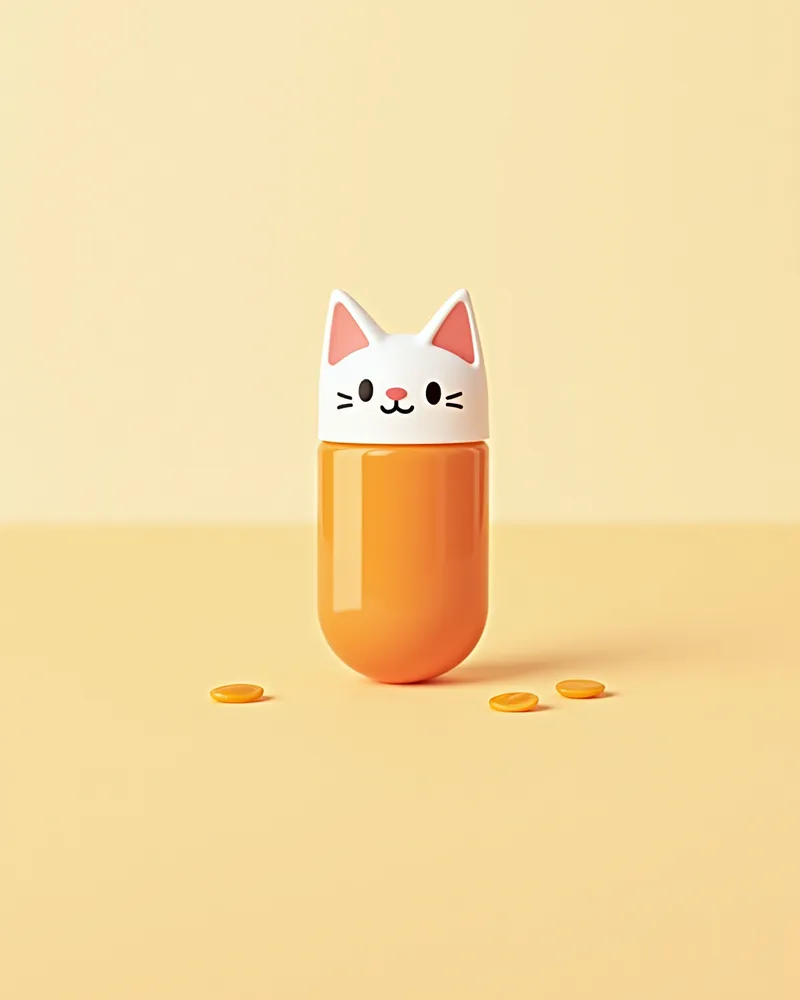
This nasal care capsule is specifically formulated for cats to support nasal mucosal health. However, there is no evidence that it addresses the underlying causes of epistaxis (nosebleeds), and chronic or recurrent nasal symptoms often require veterinary diagnosis to rule out conditions such as tumors, infections, or coagulopathies. Designed for easy swallowing by cats, the recommended dosage is one capsule once daily, with each package containing a 90-day supply. If your cat experiences recurring chronic nasal symptoms, please consult your veterinarian for an examination and professional guidance before using this product.
Product image of a nasal protection capsule designed specifically for cats

Comparison Table of BEST 1–3 Products

ItemPremium Nasal Care LiquidNatural-Ingredient Nasal Soother PowderFeline-Only Nasal Protection Capsule
Main ingredientsAnti-inflammatory ingredientNatural ingredientsMucosa-protecting ingredient
FormLiquidPowderCapsule
Dosing frequencyOnce a dayOnce a dayOnce a day
Quantity30 days60 days90 days
Recommended timingManagement of recurrent symptomsRecovery period after acute phaseManagement of chronic symptoms

Choose based on your veterinarian's diagnosis and consultation. Side effects may occur, so verification is needed before administration.

Caution: Immediate Veterinary Visit Required if Feline Epistaxis (Nosebleeds) Recurs or Occurs with Other Symptoms

If your cat’s nosebleed lasts more than a day or is accompanied by symptoms such as coughing, difficulty breathing, loss of appetite, or lethargy, seek veterinary care immediately. These signs may indicate serious underlying conditions, including blood disorders, infections, or tumors. Early diagnosis is crucial, as self-diagnosis or excessive home care can worsen the condition.

Usage Tips: Practical Tips for Successful Feline Epistaxis (Nosebleed) Management

When using a cat nosebleed management product, keep these tips in mind to maximize effectiveness and minimize your cat’s stress.
Keep a log: Record the time, frequency, and any other symptoms of nosebleeds as if keeping a diary. This information will be very helpful when sharing with your veterinarian.
Control the environment: Maintain good indoor air quality and avoid smoking or using chemical cleaners.
Reduce stress: Stress can worsen symptoms, so provide a quiet space and maintain a consistent routine.
Regular check-ups: Schedule regular veterinary check-ups every six months, and increase the frequency if symptoms recur.
Watch for drug interactions: Always consult your veterinarian before combining this product with other medications.
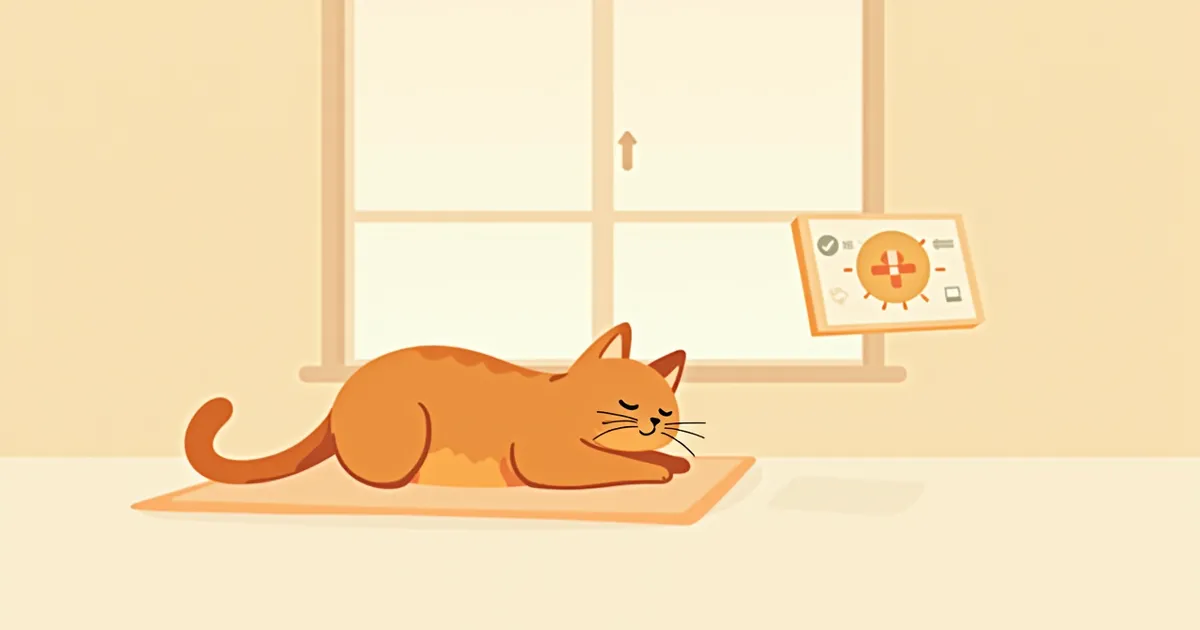
Cat Health Record Diary and Calendar Image

Reviewed by a veterinarian

Dr. Tony — Punnawat Phongkittirak

Dr. Tony — Punnawat Phongkittirak

Veterinarian

A veterinarian who majored in veterinary medicine at Khon Kaen University, Thailand, and completed the IVSA program at North Carolina State University in the United States. Drawing on clinical experience at animal hospitals, he works in the pet healthcare field and is dedicated to building a digital care environment that connects pet parents with veterinarians.

Frequently Asked Questions

What causes nosebleeds (epistaxis) in cats?
Nosebleeds can stem from a variety of causes, including inflammation, infection, trauma, or tumors within the nasal cavity, as well as dental and oral diseases. Systemic issues like blood clotting disorders (such as low platelet counts or deficiencies in clotting factors) and high blood pressure can also be responsible. Additionally, fungal infections (e.g., Cryptococcus) and viral infections (e.g., feline herpesvirus-1, which causes feline herpesvirus rhinotracheitis) are potential culprits. It is important to distinguish nosebleeds, which originate in the nasal passages, from conditions affecting the bronchial tubes. Given the wide range of possible underlying causes, a veterinary diagnosis is essential.
How can I manage my cat’s nosebleed (epistaxis) at home?
Use safe supplements as directed by your veterinarian, keep your pet’s environment clean, and carefully monitor any changes in symptoms. Avoid self-treatment; proper diagnosis and personalized care from a veterinary clinic are essential.
What should I do if my cat keeps getting nosebleeds (epistaxis)?
If the problem recurs, it’s important to have your pet examined by a veterinarian. Diagnostic tests such as blood work, imaging, and endoscopy may be needed to identify the underlying cause. Treatment will depend on the specific diagnosis.
How long should I continue giving my cat a product for managing nosebleeds (epistaxis)?
To manage symptoms, follow your veterinarian’s instructions for administration, as ongoing care may be necessary. If any adverse effects occur during use, stop immediately and consult your veterinarian.
Are there any side effects associated with products used to manage nosebleeds (epistaxis) in cats?
While all products have undergone safety evaluations, individual responses may vary. If you notice any unusual symptoms, discontinue use immediately and consult your veterinarian.

Share

Related Guides

References

[1] Feline Emergency and Critical Care Medicine, 2nd Ed. Blackwell Publishing, 2018.

[2] The Cat, Clinical Medicine and Management, 2nd Edition. Elsevier, 2020.

[3] Small Animal Critical Care Medicine, 3rd Ed. Elsevier, 2021.

This information is based on veterinary literature and does not replace diagnosis or treatment. Please consult a veterinarian for specific health concerns.

Metapet Co., Ltd. | CEO: Park Sung-yong | Business Reg. No. 417-88-02562 | Seoul, South Korea | Customer Center

Feline Epistaxis (Nosebleeds): Top Picks & Selection Guide | Meongsiljang