
Like
Share
멍실장
고양이 유미흉 관리 추천 BEST와 고르는 기준 총정리

Top Recommended Supplements for Feline Chylothorax and Selection Criteria

RespiratoryTop PicksMeongsiljang Veterinary Advisory Board

Feline chylothorax is a condition in which lymphatic fluid accumulates in the chest cavity, leading to difficulty breathing. With proper management and treatment, your cat’s quality of life can be significantly improved.

What Is Feline Chylothorax?
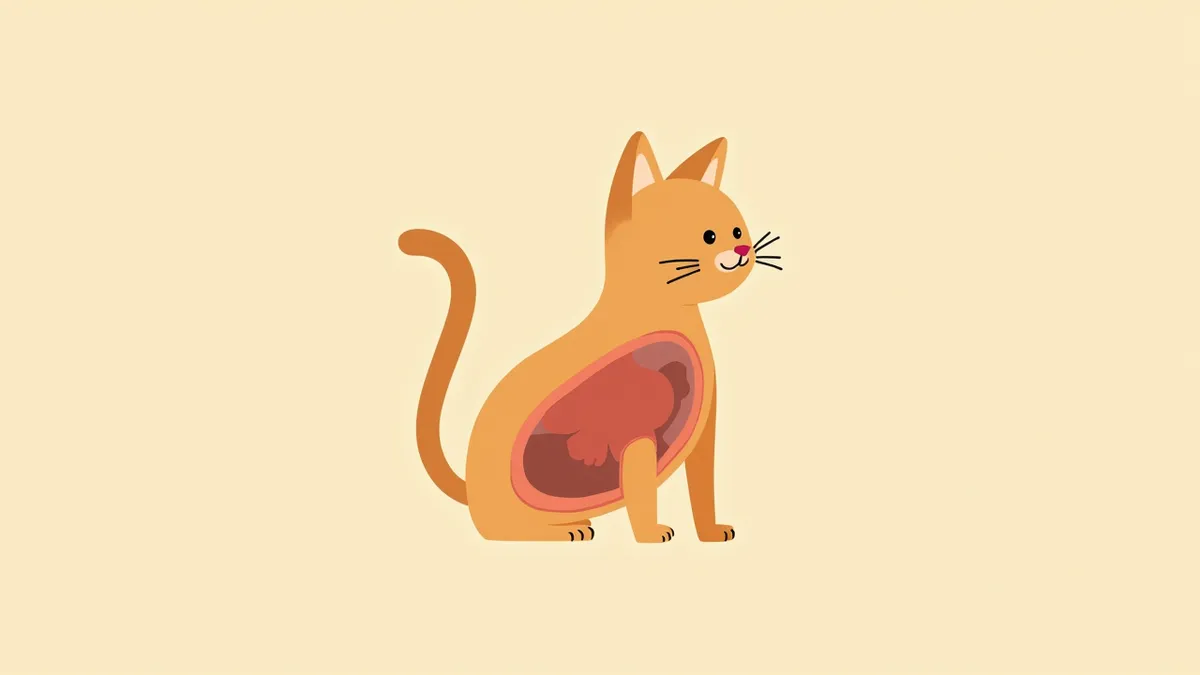
Accumulation of lymphatic fluid within the chest cavity in cats with chylothorax
Feline chylothorax occurs when the thoracic duct is damaged or lymph flow is obstructed, causing chyle—a lymphatic fluid rich in fats—to abnormally accumulate in the chest cavity. This buildup compresses the lungs and impairs breathing. - Causes of chylothorax: The main causes include idiopathic (unknown origin) factors, cardiomyopathy and congestive heart failure, tumors, and heartworm infection. - Symptom characteristics: Common signs include shortness of breath (dyspnea), rapid and shallow breathing, lethargy, and decreased appetite. In chronic cases, coughing or weight loss may develop. - Importance of early detection: Consulting a veterinarian while early symptoms are mild allows for identification of the underlying disease and timely initiation of appropriate treatment. - Treatment approach: Immediate relief of breathing difficulties is achieved through thoracentesis (drainage of pleural effusion). This is combined with treatment of the underlying cause and medical management, such as a low-fat diet. However, since medical management alone is often insufficient, surgical options like thoracic duct ligation may be considered. - Prognosis and management: Because recurrence is common even after treatment, regular check-ups and monitoring of heart condition are essential. It is crucial to adhere to the treatment plan established by your veterinarian.

Key Points: Managing Feline Chylothorax

When choosing a supplement to help manage chylothorax, keep the following points in mind: - Ingredients and evidence: The efficacy of medical treatments, including drugs and supplements, for chylothorax is still not strongly supported by robust evidence. Be cautious of advertisements that definitively claim effects like “inhibiting lymph fluid production.” It’s best to understand that certain ingredients, such as rutin (a bioflavonoid), have been reported to reduce chyle accumulation in some animals, but results can vary. - Veterinarian recommendation: Rather than selecting a product on your own, consult your veterinarian to ensure the product aligns with your pet’s treatment plan. - Absorption rate: Liquid or powder forms are often easier for cats to consume. - Ease of administration: For capsules, choose small, easy-to-swallow options. Products that can be easily mixed into food are also a good consideration. - Cost-effectiveness: Since long-term use is often necessary, products that offer good value for money and minimize financial burden are preferable. - Potential side effects: Always consult your veterinarian before starting any supplement to check for possible side effects. If you notice any adverse reactions, stop using the product and seek veterinary advice.
A cat consuming a liquid nutritional supplement

Key Point 1: What Is Chylothorax?

Chylothorax is a condition in which lymphatic fluid (chyle) abnormally accumulates in the chest cavity, impairing lung function. It can be idiopathic (of unknown cause) or secondary to cardiomyopathy and congestive heart failure, tumors, or heartworm disease. If the thoracic duct is damaged or lymphatic flow is obstructed, the resulting pleural effusion may appear as a milky-white fluid rich in fat (chylomicrons). Cats may exhibit difficulty breathing, rapid and shallow respiration, decreased appetite, and lethargy. As the condition progresses, reduced oxygen supply can lead to life-threatening emergencies; therefore, seek veterinary care immediately if you notice any breathing abnormalities.
What is a cleft palate? Related guide image

Key Point 2: Diagnosis and Treatment Options

Veterinarians confirm the presence of pleural effusion through auscultation, chest X-rays, and ultrasound, then diagnose chylothorax by analyzing the effusion’s composition, including cholesterol and triglyceride levels. Chylothorax is characterized by triglyceride levels in the pleural fluid that are higher than those in the serum, along with a low cholesterol-to-triglyceride ratio. To identify the underlying cause, additional tests such as echocardiography, heartworm testing, CT lymphangiography, and blood work may be performed. Treatment begins with thoracentesis (drainage of pleural fluid) to provide immediate respiratory relief, followed by a low-fat diet and supportive medications like rutin. If there is no response, surgical options such as thoracic duct ligation may be considered. The veterinarian will determine the appropriate treatment plan.
What are the diagnostic and treatment options? Related guide image

Key Point 3: Management and Precautions

Chylothorax has a high recurrence rate, so regular check-ups and ongoing monitoring of heart health are essential even after treatment. It’s important to consistently follow the heart disease management plan prescribed by your veterinarian, including medications and dietary adjustments. Avoid making arbitrary changes to your pet’s diet or indiscriminately administering over-the-counter supplements. Unproven home remedies or lymphatic support products sold online may have uncertain efficacy and could potentially cause harm. Always consult with your attending veterinarian to determine the appropriate treatment plan and schedule for follow-up examinations.
What are the care instructions and precautions? See the related guide image.

What Pet Owners Should Know About Feline Chylothorax

ItemKey points
SymptomsDifficulty breathing, shallow and rapid breathing, lethargy, decreased appetite
CauseIdiopathic, cardiomyopathy/congestive heart failure, tumors, heartworm, etc.
DiagnosisConfirmed by chest X-ray/ultrasound and analysis of pleural fluid cholesterol and triglycerides
TreatmentAfter thoracic drainage, a low-fat diet and medication; if unresponsive, surgery such as thoracic duct ligation is considered
CautionFrequent recurrence; adhere to the veterinarian-prescribed diet and medication and avoid arbitrary supplements

This is not a table recommending specific products or hospitals, but a reference for when you consult your veterinarian. Treatment and testing decisions must always be made together with your veterinarian through an examination.

Caution: Risk of Side Effects from Overconsumption

Chylothorax places a significant burden on respiratory function due to the accumulation of fluid in the chest cavity. Even after treatment, it is crucial to regularly consult with your veterinarian to monitor your cat’s condition. Unless your cat shows any unusual adverse reactions, it is standard practice to continue the medications and dietary management prescribed by your veterinarian following thoracentesis (drainage of the fluid). Since the efficacy of supplements is limited by a lack of robust evidence, you must always consult your veterinarian before deciding whether to use them.

Usage Tips: How to Maximize Effectiveness

Regular medication and veterinary monitoring are the most important aspects of managing chylothorax. After thoracic fluid drainage, consistently follow the prescribed medication and dietary management plan. During treatment, closely monitor your pet’s breathing, activity level, and appetite. If symptoms worsen or adverse reactions occur, stop administering the medication immediately and consult your veterinarian. Regular check-ups and consultations to adjust the treatment plan are also essential.
A cat eating its food with supplements mixed in.

Reviewed by a veterinarian

Dr. Tony — Punnawat Phongkittirak

Dr. Tony — Punnawat Phongkittirak

Veterinarian

A veterinarian who majored in veterinary medicine at Khon Kaen University, Thailand, and completed the IVSA program at North Carolina State University in the United States. Drawing on clinical experience at animal hospitals, he works in the pet healthcare field and is dedicated to building a digital care environment that connects pet parents with veterinarians.

Frequently Asked Questions

When should I start giving my dog a product for managing chylothorax?
It’s best to start medications or dietary adjustments according to the treatment plan prescribed by your veterinarian after diagnosis. Ongoing management following the treatment plan is more important than the product itself.
What should I do if my pet’s breathing worsens after giving the product?
Stop administering the medication immediately and consult your veterinarian. Since this could be a side effect, prompt action is necessary.
Can it be replaced with natural food?
Relying solely on natural foods may not be enough to prevent or treat chylothorax, so it’s safest to follow a low-fat diet or treatment plan recommended by your veterinarian.
How can I encourage my cat to enjoy the product?
Try mixing it into your cat’s food, or if it’s a liquid, gently drizzle a small amount using a spoon or syringe. Adjust the method based on your cat’s preferences, and consult your veterinarian for guidance before starting.
Is it safe for long-term use?
The efficacy of supplements for cryptorchidism is not yet well-supported by evidence. Use medications or diets prescribed by your veterinarian alongside regular check-ups, and always consult your vet before deciding on long-term use.

Share

Related Guides

References

[1] Vaden SL, Elliott J. Management of proteinuria in dogs and cats with chronic kidney disease. Vet Clin North Am Small Anim Pract. 2016;46(6):1115–1130.

[2] Bonazzi M, Volta A, Gnudi G, et al. Comparison between ultrasound and genetic testing for the early diagnosis of polycystic kidney disease in Persian and Exotic Shorthair cats. J Feline Med Surg. 2009;11(6):430–434.

[3] Sparkes AH, Caney S, Chalhoub S, et al. ISFM consensus guidelines on the diagnosis and management of feline chronic kidney disease. J Fel Med Surg. 2016;18(3):219–239.

This information is based on veterinary literature and does not replace diagnosis or treatment. Please consult a veterinarian for specific health concerns.

Metapet Co., Ltd. | CEO: Park Sung-yong | Business Reg. No. 417-88-02562 | Seoul, South Korea | Customer Center

Feline Chylothorax: Top Supplements & Selection Criteria | Meongsiljang