
7 Emergency Signs and Management Tips for Canine Ureteral Stones and Obstruction Recommended by Veterinarians
Ureteral stones and ureteral obstruction in dogs are serious conditions that can lead to acute pain and kidney damage. With proper management and treatment, recovery is possible, and selecting tailored products is key.
What Are Ureteral Stones and Ureteral Obstruction in Dogs?
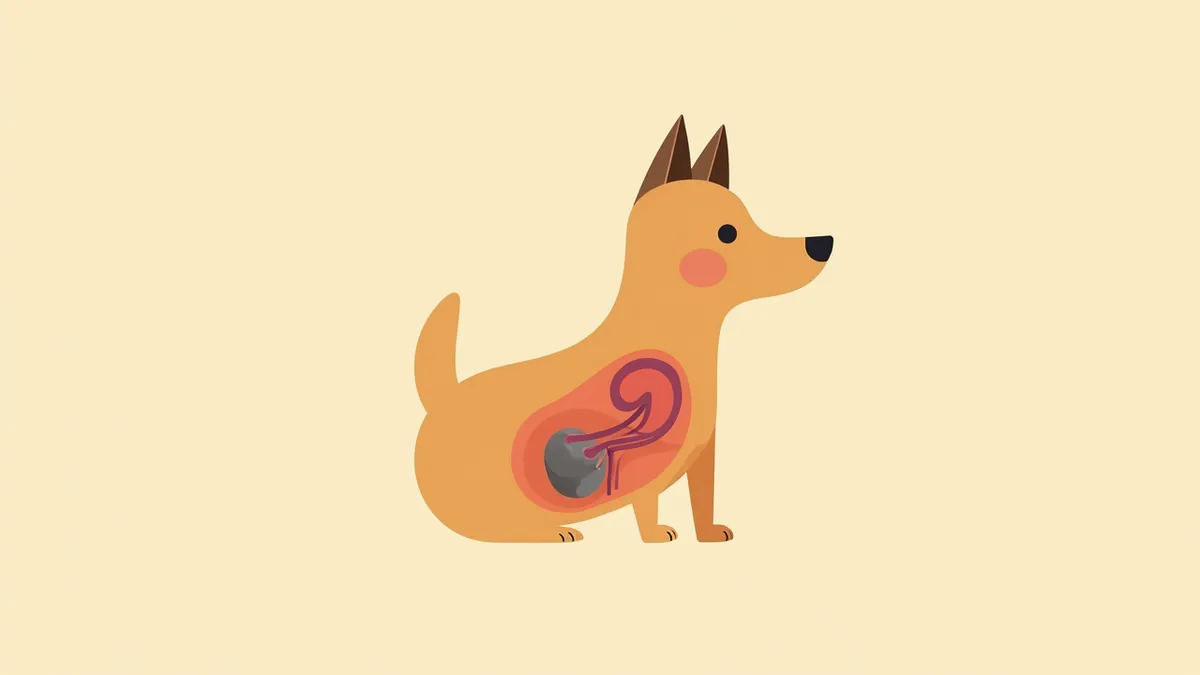
Key Facts: Managing Ureteral Stones and Ureteral Obstruction in Dogs
Key Fact 1: Ureteral Obstruction Is an Emergency
Key Fact 2: Diagnosis and Treatment Options Are Diverse
Key Fact 3: Recurrence Prevention and Long-Term Management Are Important
What Owners Should Know About Ureteral Stones and Ureteral Obstruction in Dogs
| Item | Key Points |
|---|---|
| Condition | Ureter blocked by stones or stricture, causing impaired urine outflow |
| Symptoms | Vomiting, lethargy, decreased/absent urination, reduced appetite |
| Diagnosis | Confirmed by the veterinarian through ultrasound, blood tests, and urine tests |
| Treatment | Procedures such as surgery or SUB device; method determined by the veterinarian |
| Management | Prevent recurrence with wet diet and regular checkups; veterinary prescription essential |
This is not a table recommending specific products or clinics, but a reference for consulting with your veterinarian. Treatment and testing decisions must always be made together with your veterinarian through an examination.
Warning: Signs Requiring Immediate Veterinary Visit
If your dog shows signs of ureteral obstruction, a vet visit within 24 hours is essential. Delaying treatment can lead to severe kidney damage.
Usage Tips: Practical Checklist for Effective Management
Reviewed by a veterinarian

Dr. Tony — Punnawat Phongkittirak
VeterinarianA veterinarian who majored in veterinary medicine at Khon Kaen University, Thailand, and completed the IVSA program at North Carolina State University in the United States. Drawing on clinical experience at animal hospitals, he works in the pet healthcare field and is dedicated to building a digital care environment that connects pet parents with veterinarians.
Reviewed 2026-06-05
Frequently Asked Questions
Are ureteral stones common in dogs?
Will the stones disappear even if I give my pet this product?
Can it be managed with just diet?
Is it safe to give this product to my pet for a long time?
Does a lack of water increase the risk of stone formation?
Share
Related Guides

Top 5 Prescription Diets for Cats with Chronic Kidney Disease — Stage-Specific Protein Adjustment

7 Emergency Signs and Causes of Acute Kidney Failure in Dogs You Must Not Miss

Top 5 Cat Kidney Supplements Recommended for 2026
Is My Cat’s Loss of Appetite Fatty Liver? — 7 Key Points for Managing Feline Hepatic Lipidosis

7 Key Management Strategies for Feline Hepatic Encephalopathy Highlighted by Veterinarians

7 Emergency Signs and Management Tips for Feline Liver Abscesses Recommended by Veterinarians

7 Signs of Feline Triaditis (Liver, Pancreas, Intestines) Management Recommended by Veterinarians

7 Key Points for Managing Drug- and Toxin-Induced Liver Damage in Cats, as Recommended by Veterinarians

7 Key Management Tips for Feline Cholangiohepatitis Recommended by Veterinarians

7 Best Feline Bile Acid Testing and Management Items Recommended by Veterinarians
References
[1] Sparkes AH, Caney S, Chalhoub S, et al. Clinical Medicine of the Dog and Cat, 4th Ed. Wiley-Blackwell, 2019.
[2] Notes on Canine Internal Medicine, 4th Ed. Wiley-Blackwell, 2020.
[3] Englar RE. Common clinical presentations in dogs and cats. Hoboken, NJ: Wiley/Blackwell, 2019.