Like
Share
멍실장
강아지 중성화 후 요실금 관리 추천 BEST와 고르는 기준 총정리

Best Management Recommendations and Selection Criteria for Post-Neutering Urinary Incontinence in Dogs

UrinaryTop PicksMeongsiljang Veterinary Advisory Board

Urinary incontinence after neutering is a common issue in dogs, often caused by hormonal changes. Learn effective management strategies and see our recommended products at a glance.

Post-Neutering Urinary Incontinence in Dogs: A Major Concern for Both Owners and Pets
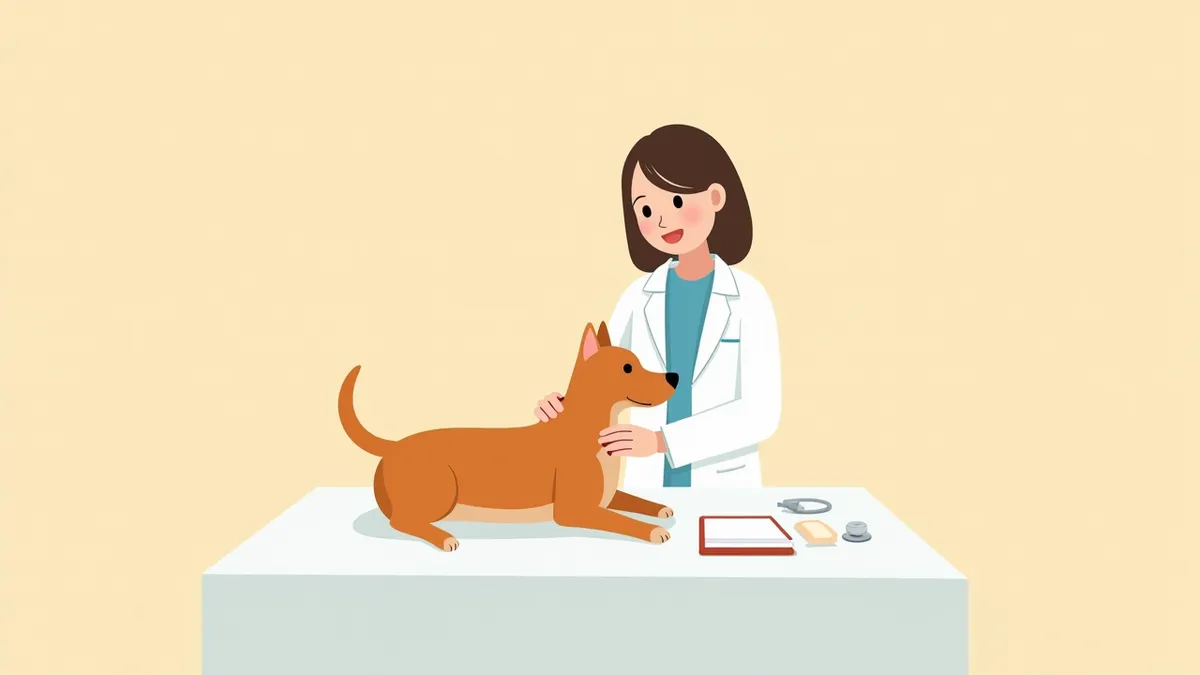
A veterinarian examining a dog suspected of having post-spay urinary incontinence.
Urinary incontinence after spaying is a common issue, with the most frequent cause being urethral sphincter mechanism incompetence (USMI), a weakening of the urethral sphincter muscle. This condition is particularly prevalent in female dogs and can affect a significant number of spayed females, with hormonal changes (specifically estrogen) known to play a role. As a result, bladder control weakens, leading to involuntary leakage of small amounts of urine during sleep or rest. While symptoms typically appear within two to three years after surgery, they can occur at any time thereafter, and most cases require long-term management. Simply using pads does not address the underlying cause. Consultation with a veterinarian is essential to accurately identify the cause, as early management is crucial for maintaining bladder health.

Key Points: When to Check for Post-Neutering Urinary Incontinence
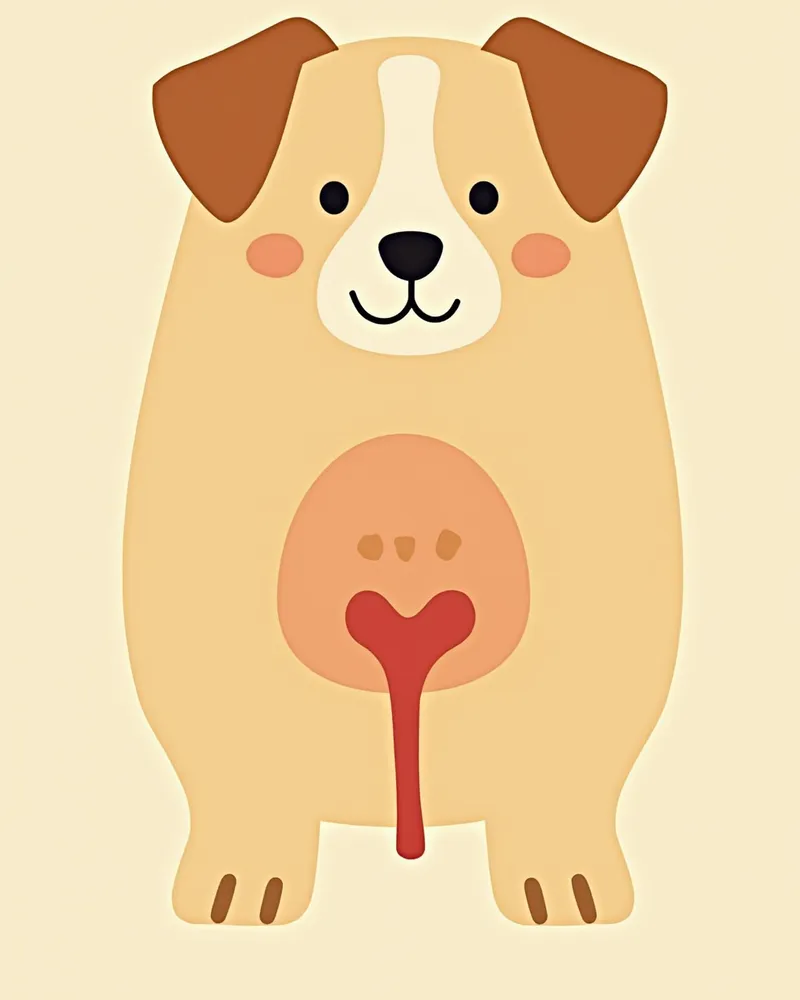
The causes of urinary incontinence are varied, including hormonal changes, impaired urethral function, and nervous system abnormalities. When incontinence occurs after spaying or neutering, the most common cause is urethral sphincter mechanism incompetence (USMI), a condition in which the urethral sphincter muscles weaken; hormonal changes, particularly in estrogen, are known to play a role. However, other factors such as cystitis, urinary tract infections, bladder stones, and weight gain can also contribute. Therefore, a veterinarian must perform a thorough examination, including urinalysis and ultrasound, to establish an accurate diagnosis. Using products indiscriminately based on incorrect assumptions can worsen symptoms. Tailored management addressing the specific underlying cause is the key to successful treatment.
A medical illustration showing the anatomical structure of a dog's urethra and bladder.

Key Point 1: What Is the Condition and Why Does It Occur?
Post-spay urinary incontinence is most common in female dogs, where hormonal changes over time weaken the muscles that keep the urethra closed, leading to urine leakage. It often presents as small amounts of urine leaking while the dog is resting or sleeping, resulting in a damp bed. Since this is an involuntary loss of control rather than intentional behavior, it’s more helpful to understand the cause and manage it appropriately than to scold the dog. Not every spayed dog will develop this condition.
What is the condition and why does it occur? Related guide image

Key Point 2: Rule Out Other Causes First
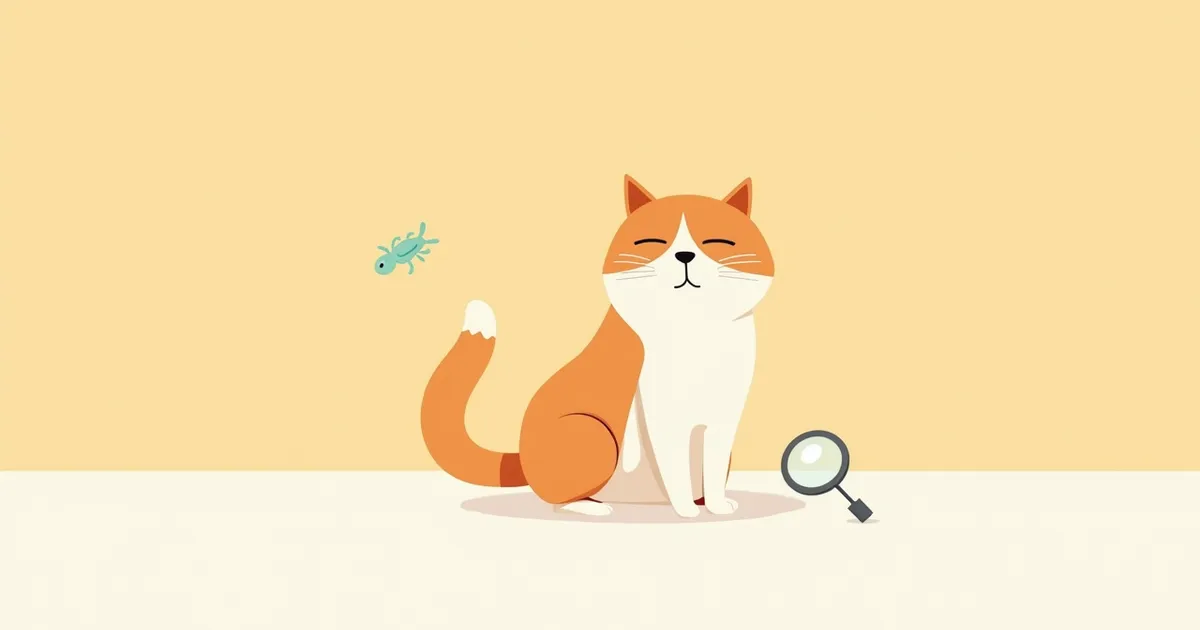
Urinary incontinence can also be caused by other conditions such as cystitis, bladder stones, or diseases that lead to excessive thirst and urination, so it’s important to differentiate it from hormonal incontinence through proper testing. A urinalysis and any necessary additional tests can help rule out infections or stones, while observing the timing and pattern of leakage can aid in identifying the underlying cause. Keeping a record of when and how often the leakage occurs at home can be very helpful during the vet visit, so be sure to note down your observations. Since symptoms can even appear years after surgery, it’s crucial not to ignore early signs.
Check for other possible causes first. See the related guide image.

Key Point 3: Treatment and Management with Your Veterinarian
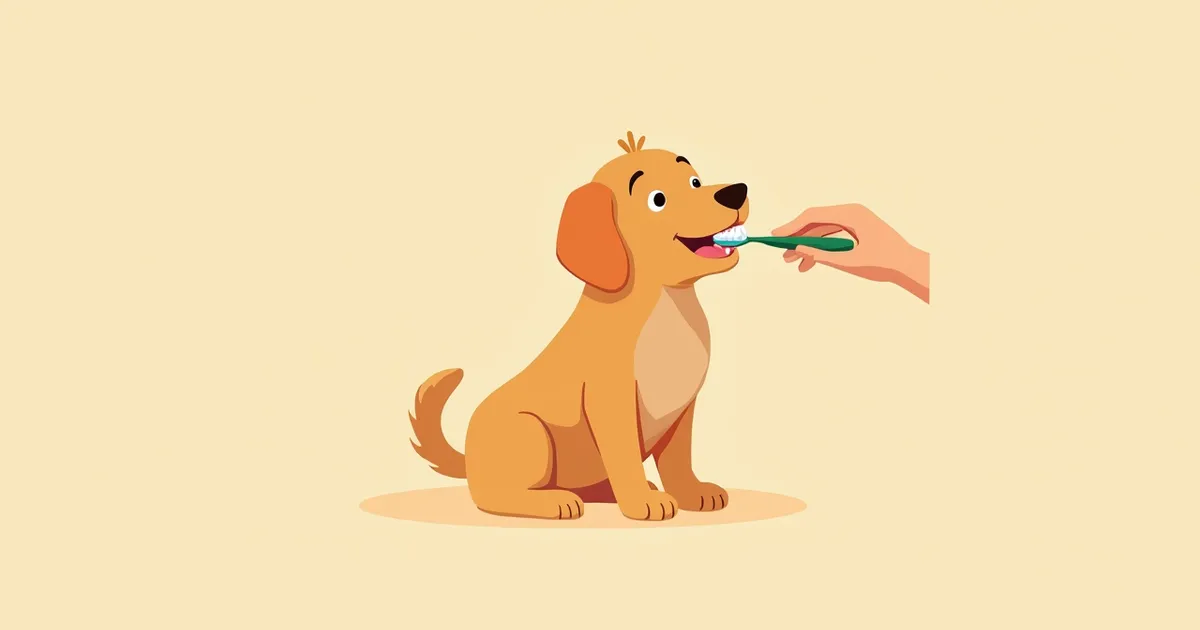
Hormonal incontinence is fortunately often well-controlled with medication, so it’s managed through treatments prescribed by your veterinarian after identifying the cause. Never use medications without a proper diagnosis—always follow your vet’s guidance and adjust based on your pet’s response. Regularly changing bedding and keeping the skin clean to prevent irritation can also help. If symptoms suddenly worsen or other changes appear, schedule a follow-up visit to reassess the underlying cause.
Treatment and care are best managed together with your veterinarian. For more information, please refer to the accompanying image.

Key Points to Know About Post-Neutering Urinary Incontinence

ItemKey Points
ConditionMainly in females; hormonal changes weaken urethral muscles, causing urine leakage
CharacteristicsOften leaks unknowingly while resting or sleeping (not intentional)
Differential DiagnosisFirst rule out other causes such as cystitis and stones through testing
TreatmentHormonal cases are well controlled with medication; use as prescribed
ManagementBedding and skin care; re-examine if the condition worsens or changes

This is not a table recommending specific products or hospitals, but a reference guide for when you consult a veterinarian. Always make treatment and testing decisions together with your veterinarian through an examination.

Veterinary Diagnosis Is Essential for Post-Neutering Urinary Incontinence

If incontinence persists, it may indicate underlying issues such as cystitis, urinary tract infections, or bladder stones, so it’s important not to ignore it. A veterinarian should perform urine tests, ultrasounds, or other diagnostics to identify the exact cause and develop an appropriate treatment plan. Self-diagnosis or indiscriminate use of over-the-counter products can be risky.

4 Tips for Managing Post-Neutering Urinary Incontinence in Dogs
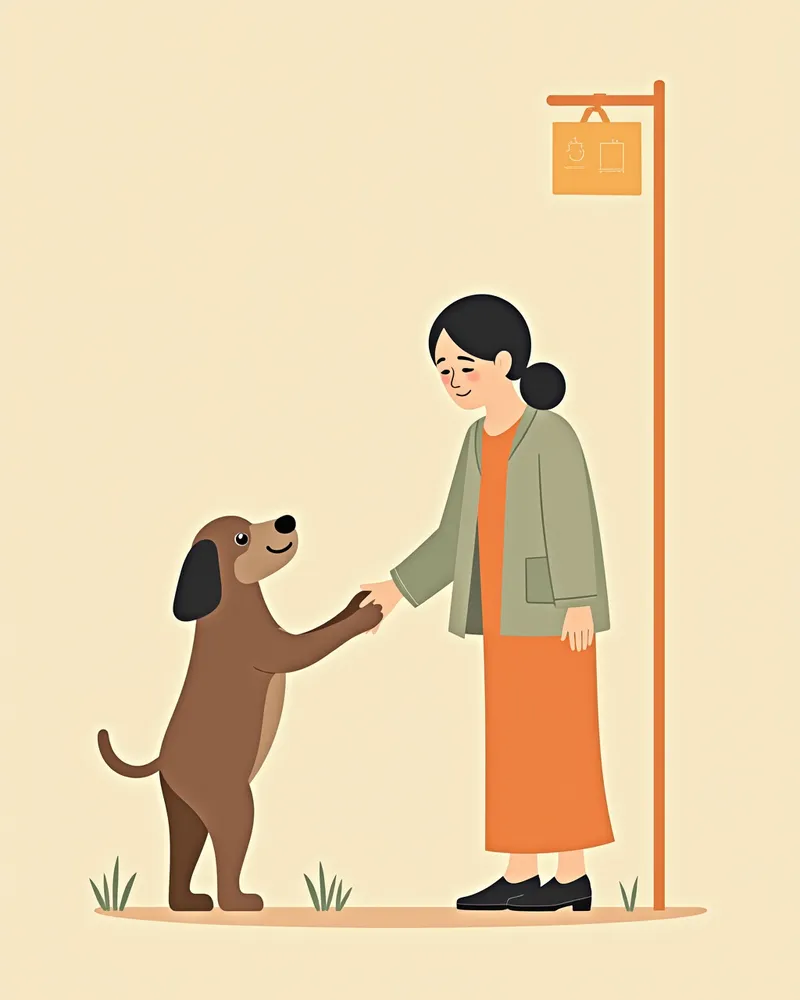
Managing urinary incontinence in dogs after spaying or neutering requires a comprehensive approach, not just relying on a single product. First, establish a consistent potty schedule to create a regular daily routine. Second, ensure your dog has plenty of water to drink, but always take them out for a final bathroom break before bedtime to minimize accidents on the bed. Third, weight management is essential; if your dog is overweight, work with your veterinarian to develop a weight-loss plan, as this can significantly improve incontinence. Fourth, collaborate with your vet to create a personalized management plan and schedule regular check-ups. Early intervention yields better results. Since medication often requires long-term use, any adjustments to the treatment duration should be made in consultation with your veterinarian.
A scene showing how to manage urinary incontinence in dogs after neutering by establishing a consistent potty schedule.

Reviewed by a veterinarian

Dr. Tony — Punnawat Phongkittirak

Dr. Tony — Punnawat Phongkittirak

Veterinarian

A veterinarian who majored in veterinary medicine at Khon Kaen University, Thailand, and completed the IVSA program at North Carolina State University in the United States. Drawing on clinical experience at animal hospitals, he works in the pet healthcare field and is dedicated to building a digital care environment that connects pet parents with veterinarians.

Frequently Asked Questions

When does urinary incontinence after neutering typically resolve?
Responses vary depending on each dog’s individual constitution and hormonal response. Symptoms typically emerge within two to three years after surgery, and recovery is rarely immediate, often requiring long-term management. If symptoms persist, it’s important to work with your veterinarian to adjust the treatment plan.
Can't we just use incontinence pads?
Pads are just a management tool, not a cure for the underlying cause. It’s important to have your vet diagnose the issue and provide treatment tailored to the root cause.
How long should my pet continue taking the supplement?
There is limited evidence supporting the use of nutritional supplements, whereas therapeutic medications have a solid veterinary basis. The duration of treatment should be determined by a veterinarian based on the patient’s condition, and indiscriminate use should be avoided.
Can urinary incontinence after neutering be prevented?
While it's difficult to completely prevent the condition, you can reduce the risk by working with your veterinarian to manage your pet's weight and maintain healthy lifestyle habits.
Is it not okay to apply the patch incorrectly?
It may cause skin irritation, so attach it to the location recommended by your veterinarian and check it regularly.

Share

Related Guides

References

[1] The Dog Care Handbook, Things I Wish My Vet Had Told Me, 2024

[2] Handbook on Field Veterinary Surgery, Ch19: Ovariohysterectomy in Canines and Felines, 2023

[3] Plumb's Veterinary Drug Handbook, 10th Edition, 2022

This information is based on veterinary literature and does not replace diagnosis or treatment. Please consult a veterinarian for specific health concerns.

Metapet Co., Ltd. | CEO: Park Sung-yong | Business Reg. No. 417-88-02562 | Seoul, South Korea | Customer Center

Best Care for Post-Neuter Urinary Incontinence in Dogs | Meongsiljang