Like
Share
멍실장
고양이 비뇨 영양제 추천 TOP 5 — 메티오닌·크랜베리 핵심 성분 비교

Top 5 Feline Urinary Supplements Recommended — Comparison of Key Ingredients: Methionine and Cranberry

UrinaryTop PicksMeongsiljang Veterinary Advisory Board

We’ve compared five urinary tract supplements for preventing feline urolithiasis and cystitis based on their methionine, cranberry, and N-acetylglucosamine content, and outlined how to choose the right one for your cat’s individual needs.

What Are Feline Urinary Supplements? Why Should You Use Them?
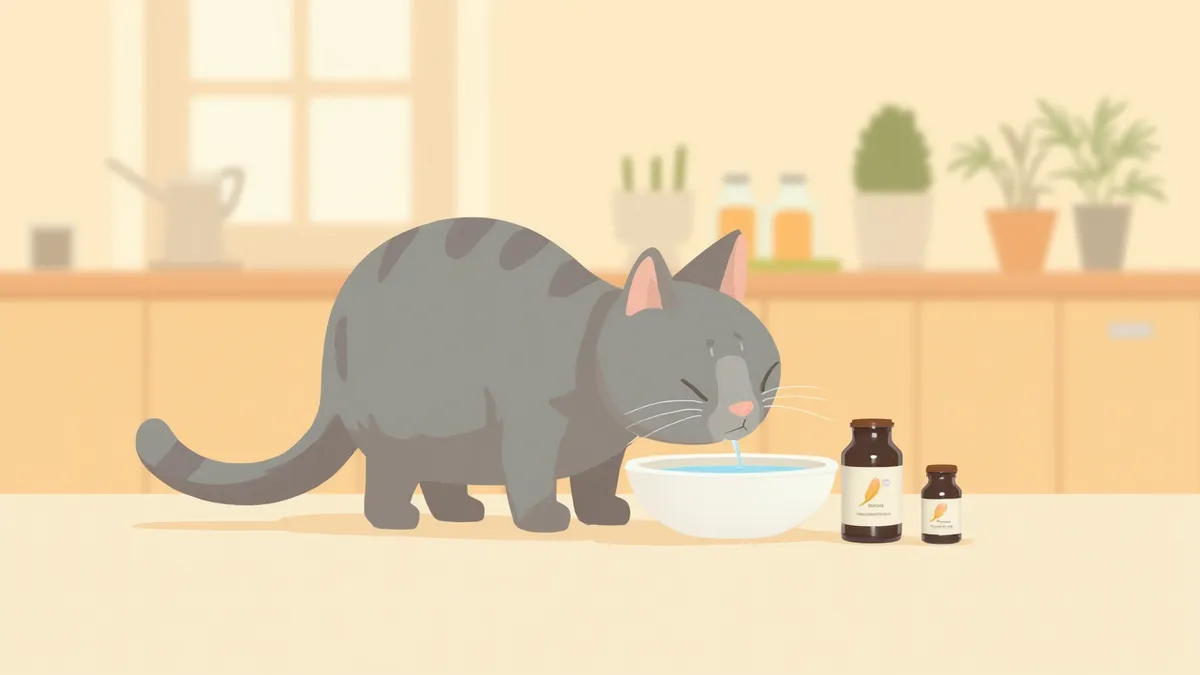
A cat taking its supplement next to its water bowl
Feline urinary supplements are nutritional aids designed to help maintain proper urine pH and encourage adequate water intake, thereby preventing struvite and calcium oxalate stones, cystitis, and feline lower urinary tract disease (FLUTD). FLUTD is an umbrella term for various conditions affecting the bladder and urethra, with feline idiopathic cystitis (FIC) being the most common cause. The most critical aspect is prevention. This is especially important for male cats, as their narrower urethras are prone to blockages that can quickly escalate into life-threatening emergencies. Cats that typically drink less water—such as long-haired breeds, neutered males, and inactive indoor cats prone to obesity—benefit from early supplementation to support urinary health.

Cats That Need Urinary Supplements — Keyword Checklist
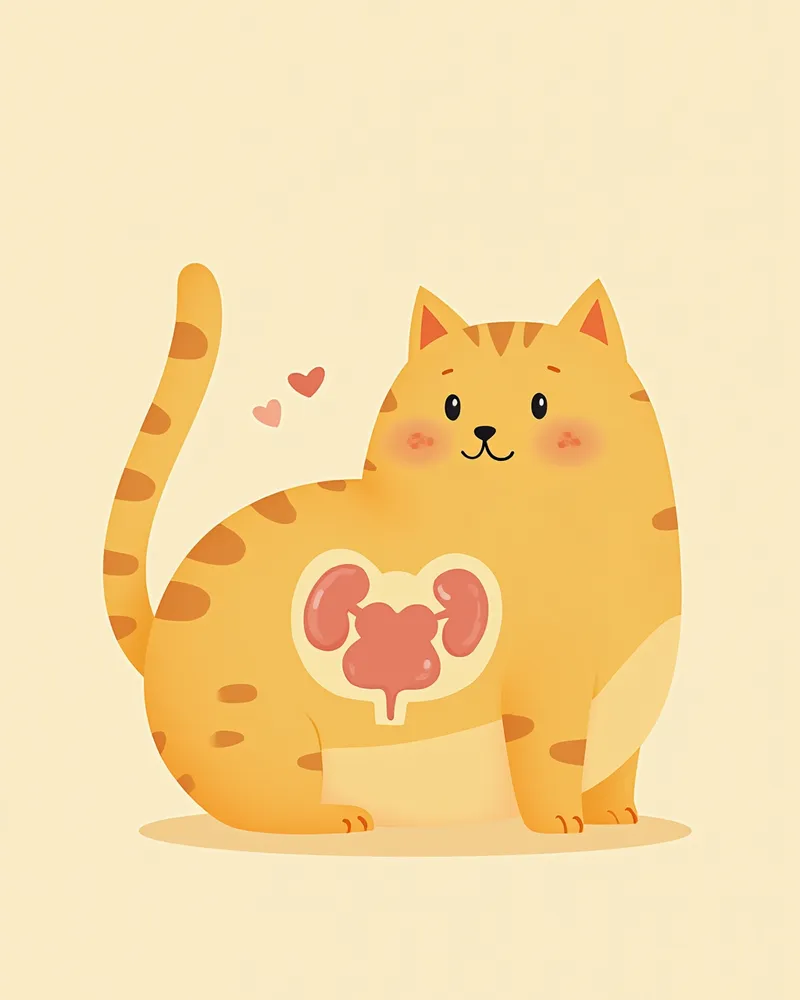
- Neutered males: Their narrower urethra puts them at higher risk of blockages from stones or plugs (urethral obstruction most commonly occurs in males aged 1–8 years). - Senior cats (7 years and older): Kidney function tends to decline with age, leading to increased urination and thirst (polyuria and polydipsia) and making them more vulnerable to dehydration. Consistent support for hydration is therefore essential. - Overweight cats: Low activity levels associated with obesity are a primary risk factor for feline idiopathic cystitis (FIC). - Cats fed primarily dry food: Insufficient water intake can cause urine to become concentrated. - Cats in indoor, multi-cat, or stressful environments: Indoor living, multi-cat households, and inter-cat conflict or stress are common triggers for feline idiopathic cystitis and its recurrence. If your cat fits any of these profiles, it’s worth seriously considering a urinary support supplement.
Illustration of a cat being checked for urinary tract disease risk

Key Comparison of the Top 5 Feline Urinary Supplements

ItemProduct AProduct BProduct CProduct DProduct E
Methionine (DL-Methionine)200mg150mg100mgContainedNot contained
Cranberry extract100mg80mg150mg50mg120mg
N-acetylglucosamineContainedNot containedContainedContainedNot contained
FormPowderCapsuleLiquidPowderCapsule
PalatabilityHighModerateVery highHighModerate
Price (30 days)$20$20$20$10$20

General consumer prices as of May 2026. Check the product label for exact content.

Four Key Ingredients in Urinary Supplements

Caution

메티오닌(DL-Methionine)

소변을 산성화해 스트루바이트 결석 형성 억제

Dosage: 체중 kg당 50~100mg/일

수의학 임상영양 교과서 권장

Safe

크랜베리 추출물(Cranberry Extract)

프로안토시아니딘이 세균이 방광벽에 붙는 것을 방해해 재발성 방광염 예방

Dosage: 50~150mg/일

수의임상영양학 보고

Safe

N-아세틸글루코사민(NAG)

방광 점막의 글리코사미노글리칸 층을 보강해 특발성 방광염 완화

Dosage: 125~250mg/일

Gunn-Moore 연구팀(2004)

Caution

L-트립토판

스트레스성 특발성 방광염(FIC) 완화 보조

Dosage: 수의사 처방 기준

No. 1 — High-Methionine (200 mg) Powder Formula (Product A)
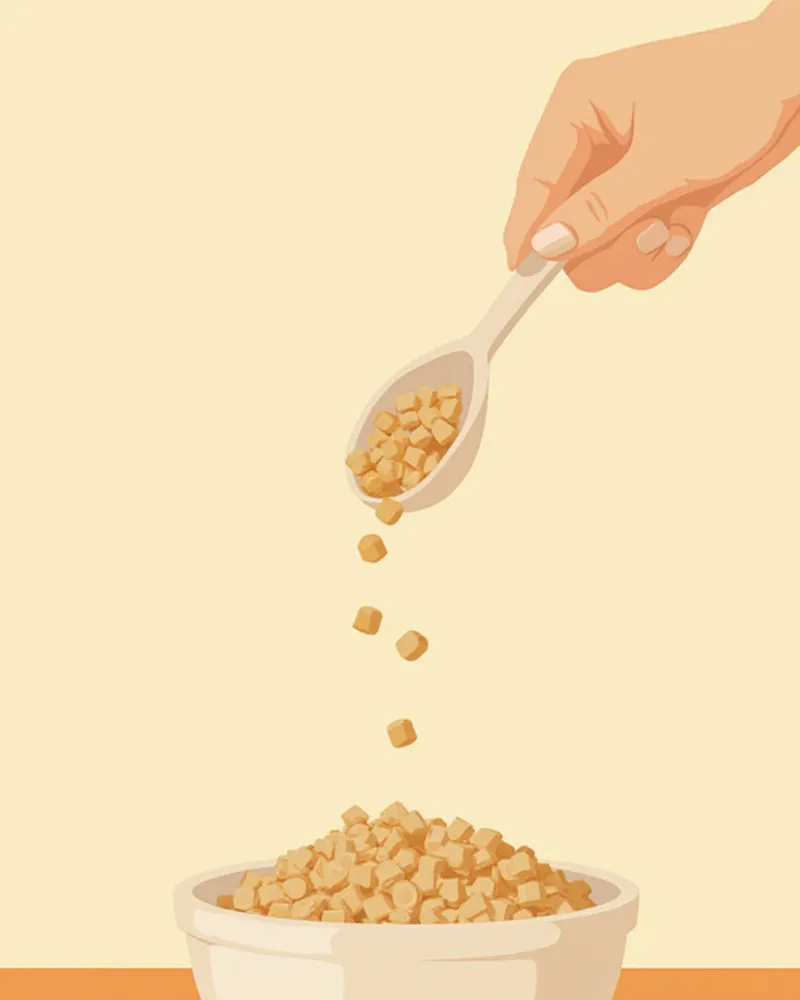
This product is formulated with a high methionine content, making it suitable for cats with a history of struvite stones. - Pros: The powder form allows for easy mixing into food. Each serving contains 200 mg of methionine, 100 mg of cranberry, and N-acetylglucosamine. - Cons: It is not suitable for cats with calcium oxalate stones, as acidifying the urine can pose additional risks. - Recommended for: Neutered males and cats with a diagnosed history of struvite stones. If your cat has calcium oxalate stones, please consult your veterinarian before use.
Sprinkling a powdered urinary supplement over pet food

No. 2–3 — Capsule and Liquid Formulas (Products B and C)

- Product B (Capsules): This balanced formula combines 150 mg of methionine with cranberry. It’s a hygienic and convenient option for storage, especially for cats that swallow capsules easily. However, it may be challenging for cats that resist pills. - Product C (Liquid): This high-potency liquid formula contains 150 mg of cranberry and is highly palatable. It can be mixed with water, helping to increase your cat’s fluid intake. Cranberry’s proanthocyanidins help prevent E. coli from adhering to the bladder lining, which may assist in preventing recurrent bacterial cystitis. However, since most feline cystitis cases are non-bacterial and idiopathic (FIC), this product alone cannot prevent all types of cystitis. It is also the most expensive option.

No. 4–5 — Cost-Effective and Kidney Care (Products D and E)
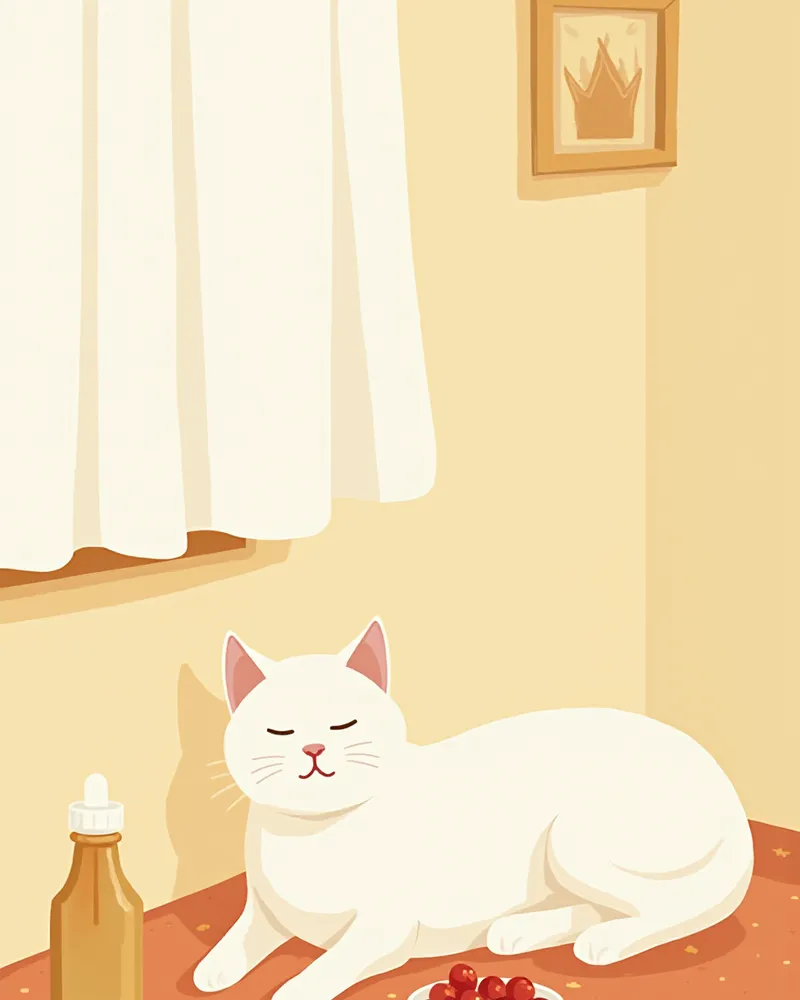
- Product D: This is the most affordable powdered formula, making it a good choice for light preventive care or multi-cat households. Since the methionine content is not disclosed, you’ll need to verify the exact amount. - Product E: This antioxidant-focused formula relies on cranberry and blueberry extracts rather than methionine. It is recommended for senior cats with a history of calcium oxalate stones or a diagnosis of chronic kidney disease (CKD), serving as an alternative when methionine could place undue stress on the kidneys.
Antioxidant urinary tract supplement for senior cats

What You Must Know Before Choosing a Urinary Supplement

The right treatment depends entirely on the type of stone. For struvite stones, acidifying the urine (with methionine) is helpful, but for calcium oxalate stones, acidifying the urine can actually cause the stones to grow. If your pet has been diagnosed with stones, always check the urine test and stone composition analysis results before choosing a supplement. Also, high-methionine products can put extra strain on the kidneys of pets diagnosed with chronic kidney disease. Remember, supplements are not medicines; they are supportive aids.

How to Choose the Right Supplement for Your Cat
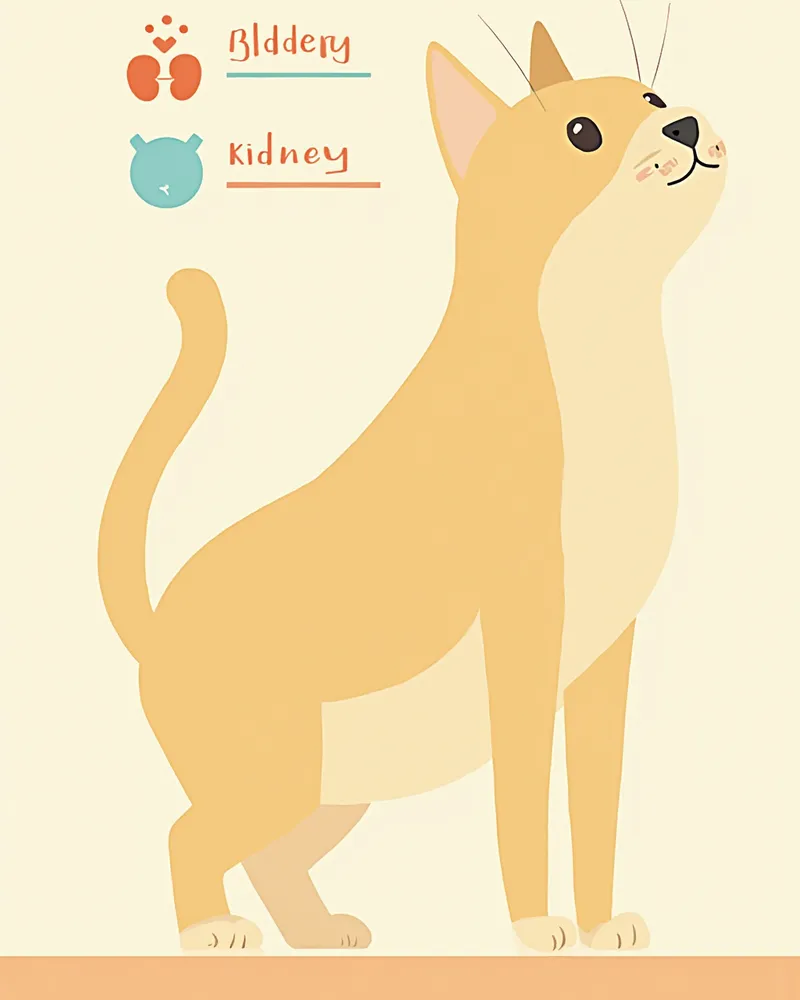
- No history of stones + preventive purpose: A mild product centered on cranberries (C·E) is a safe choice. - History of struvite stones: Prioritize products (A·B) that explicitly list methionine content. - History of calcium oxalate stones: Avoid products containing methionine and opt for antioxidant-focused options (E). - Senior cats or those with concurrent kidney disease: Avoid high-methionine formulas and focus on ingredients like N-acetylglucosamine and cranberry. - Stress-induced idiopathic cystitis: Use products containing tryptophan alongside environmental improvements, such as distributing water bowls and adding extra litter boxes.
Illustrated Guide to Choosing Feline Urinary Tract Supplements

Reviewed by a veterinarian

Dr. Tony — Punnawat Phongkittirak

Dr. Tony — Punnawat Phongkittirak

Veterinarian

A veterinarian who majored in veterinary medicine at Khon Kaen University, Thailand, and completed the IVSA program at North Carolina State University in the United States. Drawing on clinical experience at animal hospitals, he works in the pet healthcare field and is dedicated to building a digital care environment that connects pet parents with veterinarians.

Frequently Asked Questions

Can I give my cat urinary tract supplements for its entire life?
Pets with a history of urinary stones often require lifelong supportive care. However, you should adjust the dosage based on urine test results, including pH and crystal status, every six months.
Is methionine safe for all cats?
No. This product may not be suitable for cats with a history of calcium oxalate stones, cats with chronic kidney disease, or young kittens. Do not feed it arbitrarily if the type of stone is unknown.
Will cranberries alone be effective?
While it has been reported to have an adjunctive effect in preventing recurrent bacterial cystitis, its ability to dissolve or prevent stones themselves is limited. If your pet has a history of stones, methionine supplementation or a prescription diet is also necessary.
Can I give my pet supplements while they are on a prescription diet?
Prescription diets are already formulated with balanced minerals and pH levels, so adding supplements could disrupt this delicate balance. Always consult your veterinarian before making any changes while feeding a prescription diet.
How long does it take for the effects to appear?
Changes in urine pH are typically observed within 2–4 weeks, while relief from cystitis symptoms usually takes 4–8 weeks. If no improvement is seen after 3 months, the product should be reevaluated.

Share

Related Guides

References

[1] Applied Veterinary Clinical Nutrition, 2nd Ed — Urinary Tract Disease and Cranberry/Methionine Supplementation

[2] The Cat: Clinical Medicine and Management, 2nd Edition — Feline Lower Urinary Tract Disease (FLUTD) Chapter

[3] Houston DM, Weese HE, Evason MD et al. (2011). A diet with a struvite relative supersaturation less than 1 is effective in dissolving struvite stones in cats.

[4] Gunn-Moore DA, Shenoy CM (2004). Oral glucosamine and N-acetyl glucosamine supplementation in feline idiopathic cystitis.

This information is based on veterinary literature and does not replace diagnosis or treatment. Please consult a veterinarian for specific health concerns.

Metapet Co., Ltd. | CEO: Park Sung-yong | Business Reg. No. 417-88-02562 | Seoul, South Korea | Customer Center

Top 5 Feline Urinary Supplements: Methionine vs Cranberry | Meongsiljang