Like
Share
멍실장
강아지 미토탄·트릴로스탄 치료 관리 추천 BEST와 고르는 기준 총정리

7 Tips for Managing Trilostane and Mitotane in Dogs with Cushing’s Disease, as Recommended by Veterinarians

EndocrineTop PicksMeongsiljang Veterinary Advisory Board

We compare the efficacy, safety, and management of mitotane and trilostane—two medications used to treat Cushing’s disease in dogs—to help you identify the best treatment option.

Mitotane and Trilostane Treatment for Dogs is Key to Managing Cushing’s Disease
Image of Mitotan and Trilostane medications
Canine Cushing’s disease is an endocrine disorder caused by excessive secretion of cortisol from the adrenal cortex, with mitotane and trilostane being the primary treatment medications. - Mitotane: This medication selectively destroys cells in specific layers of the adrenal cortex (the zona fasciculata and zona reticularis) to suppress hormone production. While effective, it carries higher risks during the initial treatment phase (particularly in the first few months), making regular blood tests, such as ACTH stimulation tests, essential. - Trilostane: This drug inhibits a hormone-synthesis enzyme (3β-hydroxysteroid dehydrogenase) and is approved for treating Cushing’s disease in many countries. Most dogs tolerate it relatively well, but because serious side effects can rarely occur, consistent monitoring is necessary. Combining mitotane and trilostane is not a standard treatment protocol, so they should never be used together without veterinary guidance. Treatment must be based on a veterinarian’s diagnosis and regular monitoring, with long-term management being essential. Symptom improvement varies depending on the medication and individual symptoms, but polydipsia and polyuria typically improve within one month, while skin symptoms usually take about three months to show improvement.

Key Points: What to Consider When Reviewing Cushing’s Medication Therapy

When choosing medication to treat Cushing’s disease in dogs, consider the following: - Effectiveness: The drug should quickly alleviate symptoms and maintain stable hormone levels over time. - Safety: Opt for medications with a low incidence of side effects that are suitable for long-term use. - Side Effect Management: Watch closely for potential side effects such as nausea, loss of appetite, and lethargy, and monitor your dog’s response carefully. - Ease of Administration: Choose a medication that can be given once or twice daily and is easy to administer with meals. - Monitoring Requirements: Ensure regular blood tests can be performed and that open communication with your veterinarian is maintained. The ultimate goal of treatment is to relieve symptoms and improve your dog’s quality of life.
An image of a veterinarian prescribing medication based on test results.

Key Point 1: What Are Trilostane and Mitotane?
Trilostane and mitotane are prescription medications used to manage Cushing’s disease (hyperadrenocorticism) by reducing the excessive production of hormones, such as cortisol, from the adrenal glands. Trilostane works by inhibiting hormone synthesis, while mitotane acts directly on the adrenal gland tissue, so their mechanisms differ. Because both are potent drugs, using them without a proper diagnosis can be dangerous; they must be selected and prescribed by a veterinarian only after Cushing’s disease has been definitively diagnosed. It is important to understand that these are not dietary supplements, but medications that directly affect hormone levels.
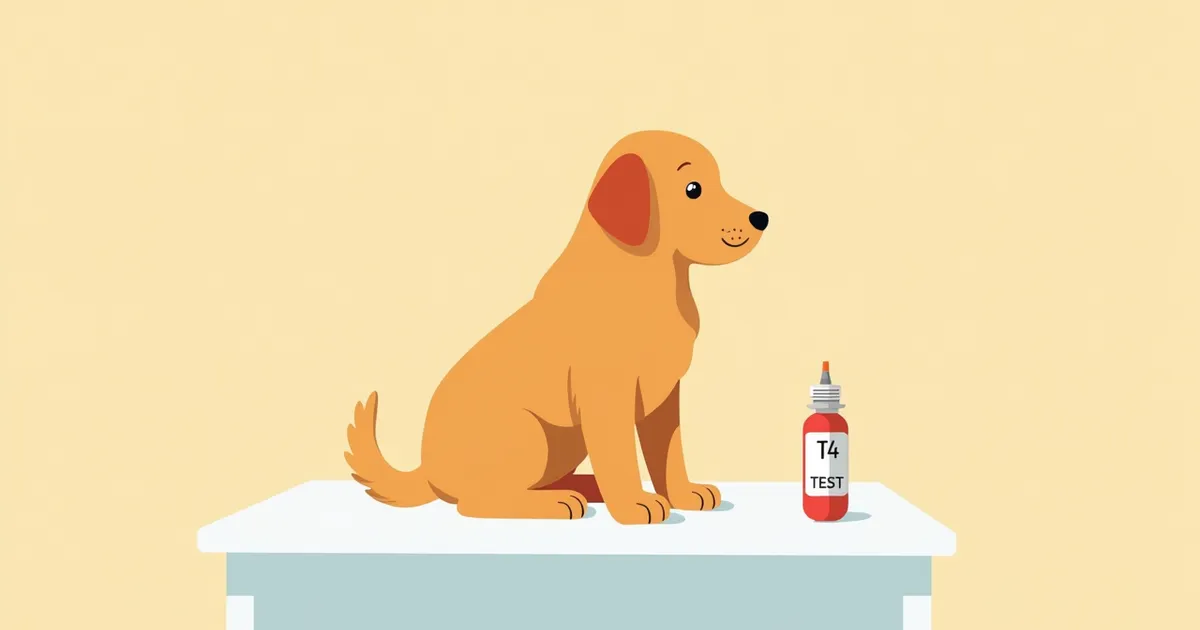
What are trilostane and mitotane?

Key Point 2: Confirmed Diagnosis and Dose Monitoring Are Essential
These medications should be initiated at a dose tailored to the individual pet after an accurate diagnosis, with careful adjustments made based on hormone levels monitored through regular tests, such as ACTH stimulation tests. If the dose is too high, it can dangerously over-suppress hormone production, so never adjust or skip doses on your own. Frequent testing is needed during the initial treatment phase to determine the optimal maintenance dose, and periodic check-ups should continue thereafter. For your pet’s safety, it’s best to receive care from a clinic equipped with this comprehensive monitoring system.
Confirming the diagnosis and monitoring the dosage are key. Please refer to the related guide image.

Key Point 3: Report Side Effect Signs to Your Veterinarian Immediately
A sudden loss of appetite, vomiting, diarrhea, or severe lethargy may signal that hormone levels have been suppressed too much. In such cases, stop the medication immediately and contact your veterinarian. Mitotane requires particularly close monitoring. Since Cushing’s disease is often managed rather than cured, it’s best to approach treatment with the mindset of lifelong care, supported by regular check-ups. Keeping a record of changes in your pet’s water intake, appetite, and energy level at home can be very helpful to share during veterinary visits.
If you notice any signs of side effects, contact your veterinarian right away.

Important Points to Know About Cushing’s Medication Therapy

ItemKey Points
Drug overviewTrilostane and mitotane are prescription drugs that reduce excess cortisol
Prescription principleAfter a confirmed Cushing's diagnosis, selected and prescribed by a veterinarian; do not use arbitrarily
Dose monitoringAdjust the dose while monitoring levels through tests such as the ACTH stimulation test
Side-effect signsStop immediately and contact the vet if appetite loss, vomiting, or severe lethargy occur
ManagementSteady control rather than a cure; record changes at home and have regular checkups

This is not a table recommending specific products or clinics, but criteria to reference when consulting a veterinarian. Treatment and testing decisions must always be made together with a veterinarian through an examination.

Caution: Serious Side Effects May Occur with Overdose

Mitotane and trilostane are medications that suppress adrenal cortex function. If the dose is too high, excessive hormone suppression can lead to signs of adrenal insufficiency, such as loss of appetite, vomiting, diarrhea, and severe lethargy, which can even be life-threatening in severe cases. If you notice any of these symptoms, seek veterinary care immediately. Always administer these medications exactly as prescribed by your veterinarian, and never adjust the dosage on your own.

4 Tips for Successful Treatment

Please administer the medication at the same time every day, as a consistent schedule supports steady management. Since mitotane is fat-soluble, its absorption improves when given with fatty foods, so it’s best to administer it with meals. Trilostane is also typically given with food. Be sure to keep detailed records of regular test results, such as ACTH stimulation tests, and share them with your veterinarian. While the onset of therapeutic effects varies depending on symptoms, improvements generally begin within days to weeks; polyuria and polydipsia often improve within one month, while skin symptoms may take around three months to resolve. If you notice any adverse signs such as decreased appetite, vomiting, diarrhea, or lethargy, contact your veterinary clinic immediately. Consistent monitoring and management are key to successful treatment.
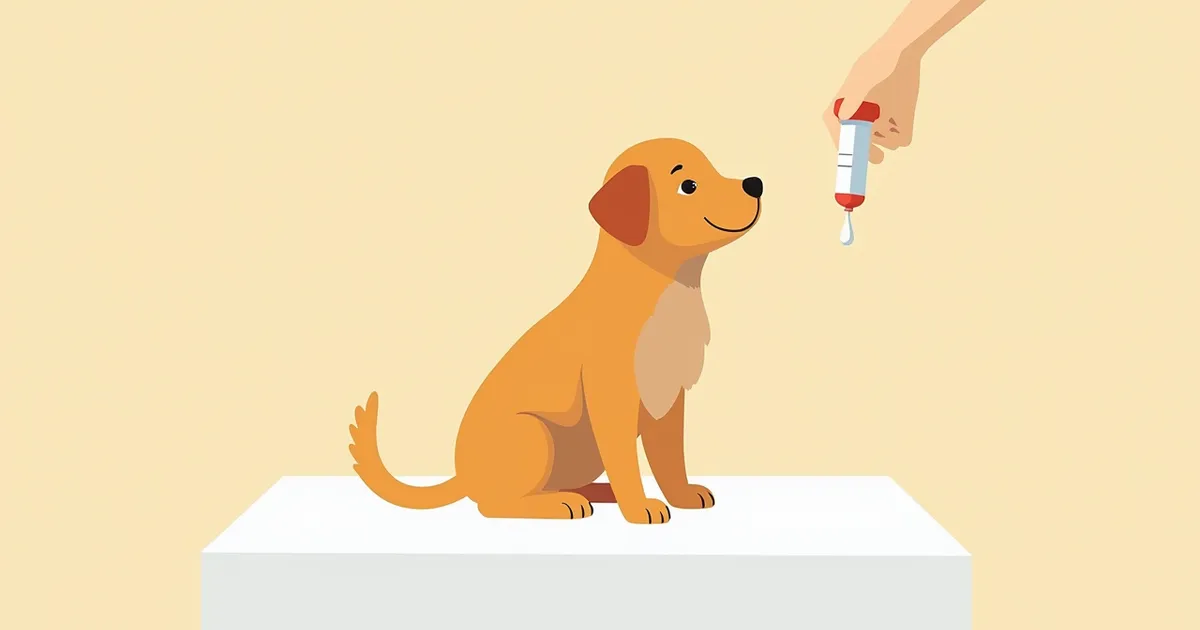
Treatment management schedule and medication administration tips image

Reviewed by a veterinarian

Dr. Tony — Punnawat Phongkittirak

Dr. Tony — Punnawat Phongkittirak

Veterinarian

A veterinarian who majored in veterinary medicine at Khon Kaen University, Thailand, and completed the IVSA program at North Carolina State University in the United States. Drawing on clinical experience at animal hospitals, he works in the pet healthcare field and is dedicated to building a digital care environment that connects pet parents with veterinarians.

Frequently Asked Questions

Which is safer, mitotane or trilostane?
Trilostane is generally well tolerated by most dogs, although serious side effects can rarely occur. Mitotane is highly effective, but it carries a higher risk during the initial phase of treatment. Since both medications have demonstrated efficacy, your veterinarian will determine which one is more appropriate based on your dog’s specific condition.
Will the effects of the medication appear within one week after starting treatment?
While the timeline varies depending on the symptoms, improvement typically begins over a period of several days to a few weeks. Symptoms such as increased thirst and urination often improve within a month, while skin-related issues may take around three months to show noticeable improvement.
What should I do if my pet suddenly shows severe signs of shock while taking medication?
You need to go to the vet immediately. Hypoglycemia or adrenal insufficiency is suspected, so emergency treatment is necessary.
Is it safe to give my pet other medications while they are on this treatment?
Because there may be interactions with other medications, you must inform your veterinarian. Self-prescribing is strictly prohibited.
Is regular check-ups still necessary after treatment is completed?
Yes, even after treatment is complete, regular check-ups are necessary to monitor for recurrence. Please follow your veterinarian’s instructions for ongoing care.

Share

Related Guides

References

[1] BSAVA Manual of Canine and Feline Dermatology, 4th Ed, 2020

[2] Clinical Medicine of the Dog and Cat, 4th Ed, 2017

[3] Textbook of Veterinary Internal Medicine, 8th Ed, Elsevier, 2017

This information is based on veterinary literature and does not replace diagnosis or treatment. Please consult a veterinarian for specific health concerns.

Metapet Co., Ltd. | CEO: Park Sung-yong | Business Reg. No. 417-88-02562 | Seoul, South Korea | Customer Center

Trilostane vs Mitotane: 7 Vet Tips for Canine Cushing's | Meongsiljang