Like
Share
멍실장
강아지 변비 식이섬유 영양제 추천 TOP 5 — 차전자·호박 분말

Top 5 Dietary Fiber Supplements for Canine Constipation — Psyllium and Pumpkin Powder

DigestiveTop PicksMeongsiljang Veterinary Advisory Board

We’ve compared five dietary fiber supplements that can help with constipation in dogs, focusing on psyllium and pumpkin powder, and summarized the recommended dosages by weight along with important precautions for pet owners to keep in mind.

How Can Dietary Fiber Supplements Help with Canine Constipation?
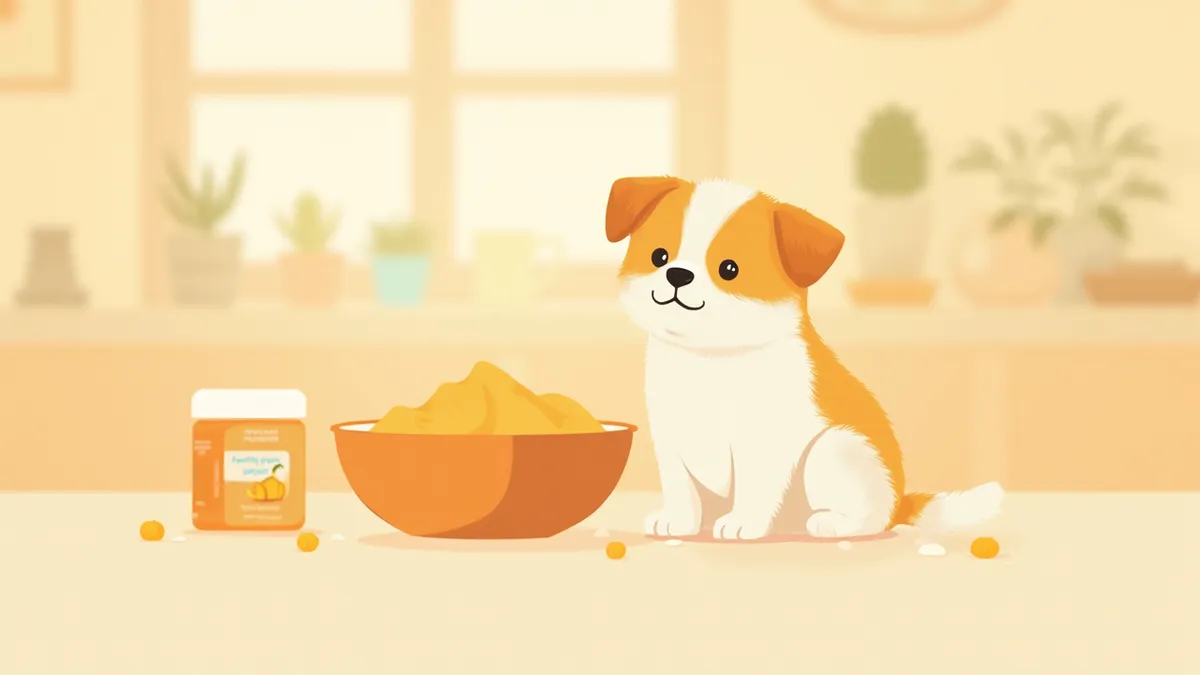
A puppy with pumpkin puree and psyllium husk powder placed beside it.
Constipation in dogs is a digestive issue caused by reduced colonic motility or insufficient dietary fiber and water, which leads to hard stools and fewer bowel movements. The key is to ensure adequate intake of both water and dietary fiber. Natural fibers like psyllium or pumpkin powder help retain moisture in the stool, increase its bulk, and promote smoother passage. However, if your dog hasn’t had a bowel movement for more than three days, is straining without producing stool, or has lost its appetite, please visit the vet before giving any supplements.

Why Do Dogs Need Dietary Fiber Supplements?

Veterinary textbooks define constipation as infrequent defecation or difficulty passing stool. Dietary fiber supports the structure and function of the intestinal epithelium and can positively influence colonic motility, making it a useful adjunct in managing constipation. Pets that eat only dry kibble tend to produce smaller, harder stools. - Soluble fiber: Like psyllium, it absorbs water and swells into a gel, helping retain moisture in the stool. It is also fermented in the colon into short-chain fatty acids (SCFAs), which serve as an energy source for the colonic epithelium. - Insoluble fiber: Like cellulose, it increases the dry bulk of the stool, aiding defecation. - Prebiotics: Inulin and FOS act as food for beneficial gut bacteria, helping to maintain a healthy intestinal environment. However, since constipation can stem from various causes, including obstructions or underlying diseases, fiber supplementation is best used consistently as a supportive measure for mild cases.

At-a-Glance Comparison of the Top 5 Dietary Fiber Supplements for Canine Constipation

Item#1 Psyllium powder#2 Organic pumpkin powder#3 Psyllium + probiotics#4 Beet pulp blend#5 Inulin prebiotic
Main ingredientPsyllium 95%Pumpkin powder 100%Psyllium + 5 lactic acid bacteria strainsBeet pulp + psylliumInulin (chicory root)
Fiber typeSoluble + insolubleMainly insolubleSoluble + pre/probioticsMixed typeSoluble prebiotic
Recommended weightAll weightsAll weights5 kg and above10 kg and aboveAll weights
Feeding formPowder, mixed in waterPowder, topped on foodPowder, topped on foodCapsule/powderPowder
PalatabilityModerate (tasteless)Very good (slightly sweet)GoodModerateModerate

As of May 2026, evaluated from a general pet owner's perspective.

1st Place — Psyllium Powder
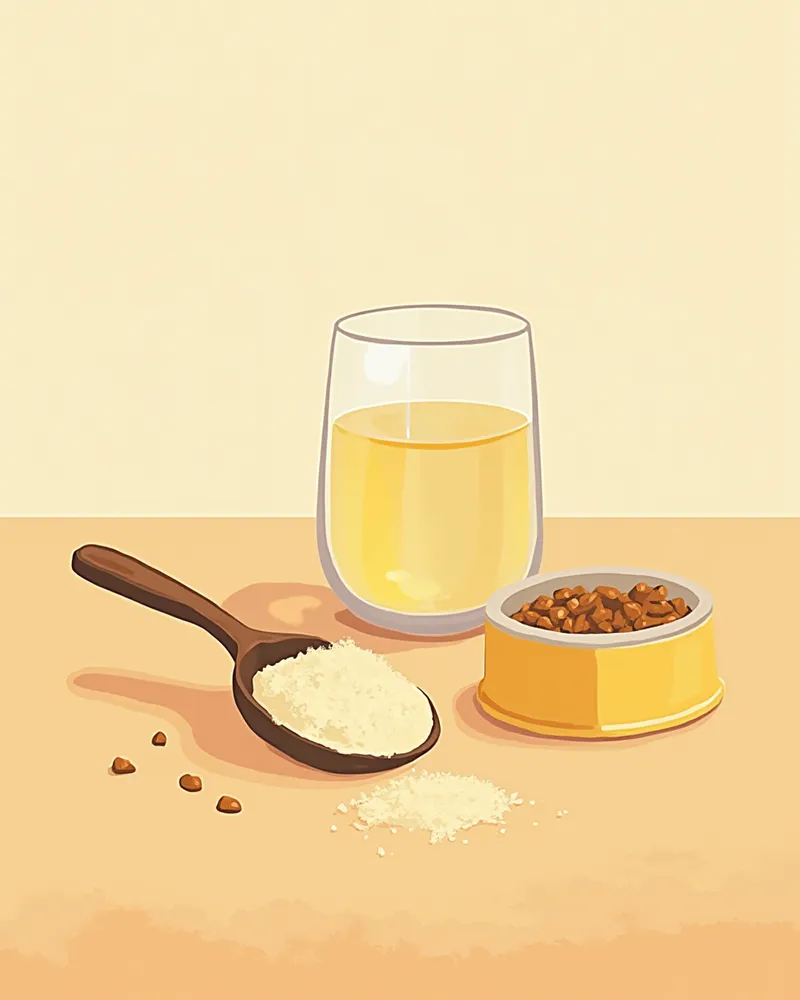
Psyllium is one of the most evidence-based dietary fibers for canine constipation supplements. It is also introduced in veterinary textbooks as an effective fiber supplement for dogs with chronic colitis and constipation. - Mechanism of action: It absorbs water, transforms into a gel-like form, retains moisture in the stool, and gently softens hard stools. - Advantages: It mixes well with water and can be easily added as a topping to food without any burden. - Dosage by weight (based on textbook guidelines): For extra-small breeds, ½ tablespoon per day; small breeds, 1 tablespoon; medium breeds, 2 tablespoons; large breeds, 3 tablespoons. Divide the daily dose into two servings per meal and adjust the amount based on the dog’s response. It must be given with plenty of water (or wet food) for optimal effectiveness. If the dog is not used to it, gradually increase the amount over time.
Psyllium husk powder, water, and a dog food bowl

Key Summary of 2nd–5th Place Supplements

2nd Place: Organic Pumpkin Powder Pumpkin is rich in moisture and insoluble fiber, which helps add appropriate bulk to stool. Its natural sweetness makes it palatable, and it’s a gentle, low-risk option for mild constipation. Start with a small amount as a topper on your pet’s food, then adjust the quantity based on their response. 3rd Place: Psyllium + Probiotics This combination is ideal for pets with constipation who also need support for gut flora balance. The dietary fiber acts as a prebiotic—food for beneficial bacteria—making it a smart pairing. 4th Place: Beet Pulp Blend This blend is used to help achieve adequate stool volume in medium and large breed dogs. However, it may cause gas, so start with a small amount initially. 5th Place: Inulin Prebiotics Designed to support beneficial gut bacteria over the long term, this is better suited for prevention and maintenance rather than immediate relief of constipation.

Effects and Precautions by Key Ingredient

Safe

차전자 (Psyllium)

변에 수분 공급, 부피 증가

Dosage: 체중 1kg당 0.1~0.2g/일

수의내과학 교과서 1차 추천

Safe

호박 분말 (Pumpkin)

불용성 섬유, 장 운동 자극

Dosage: 체중 5kg당 1~2테이블스푼/일

임상 영양학 보편 권장

Caution

이눌린 (Inulin)

프리바이오틱스, 유익균 증식

Dosage: 체중 1kg당 0.1g/일

과량 시 가스·설사

Caution

비트펄프 (Beet Pulp)

혼합 섬유, 변 부피

Dosage: 사료 총량 대비 1~3%

민감 장 강아지 주의

When to Visit the Vet Before Trying Supplements

Dietary fiber supplements are intended for mild constipation and preventive care. However, if you notice any of the following signs, it could indicate an emergency condition such as megacolon or intestinal obstruction, requiring immediate veterinary attention: - No bowel movement for more than three days - Straining without producing stool, accompanied by vomiting - Loss of appetite, lethargy, and a hard, distended abdomen - Bright red blood or black, tarry stool - Sudden onset of constipation in puppies or senior dogs aged seven years and older

Proper Feeding Methods and What to Keep in Mind
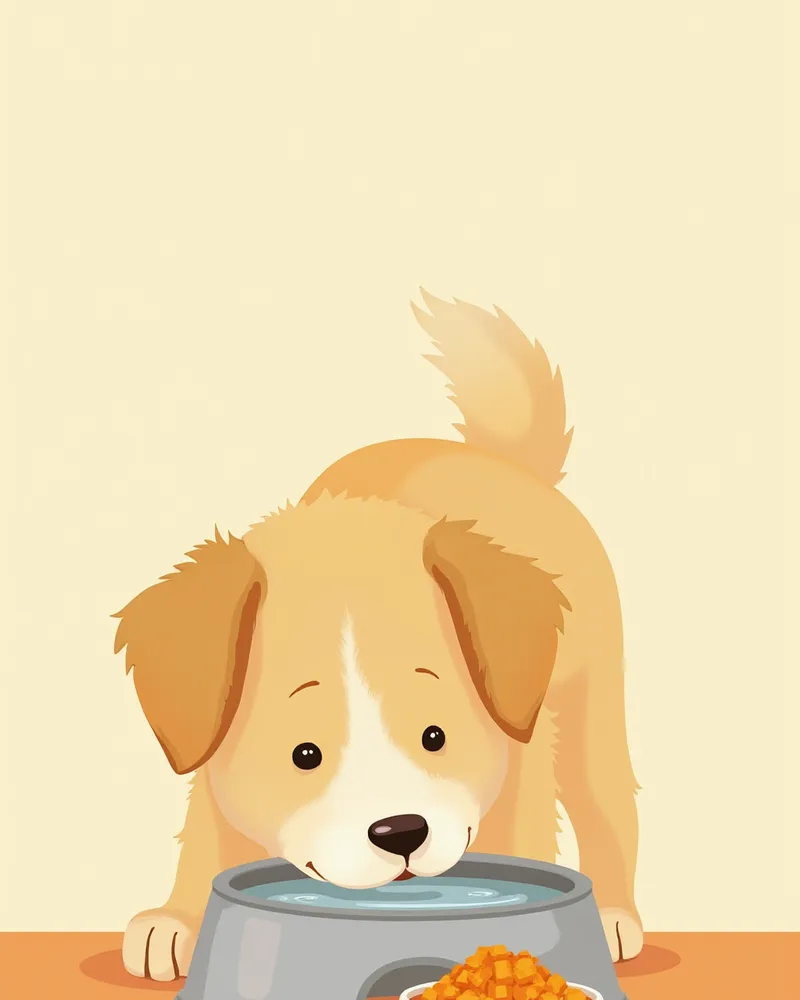
Dietary fiber supplements work best when your pet drinks plenty of water. Without enough hydration, stools can actually become harder. - Increase water intake: Add extra water bowls, offer wet food, or use moisture-rich toppers. - Increase the dose gradually: Start with half the recommended amount and increase it over 3–5 days. - Top meals at feeding time: Mix into food with 1–2 tablespoons of lukewarm water. - Monitor consistently for at least 14 days: Check stool consistency (Bristol Stool Scale types 3–4), frequency, and palatability. If constipation persists after more than two weeks of supplementation, it’s important to investigate other underlying causes.
A puppy drinking water with pumpkin powder sprinkled on its kibble.

Reviewed by a veterinarian

Dr. Tony — Punnawat Phongkittirak

Dr. Tony — Punnawat Phongkittirak

Veterinarian

A veterinarian who majored in veterinary medicine at Khon Kaen University, Thailand, and completed the IVSA program at North Carolina State University in the United States. Drawing on clinical experience at animal hospitals, he works in the pet healthcare field and is dedicated to building a digital care environment that connects pet parents with veterinarians.

Frequently Asked Questions

Can I give my dog human-grade psyllium husk (Ispaghula)?
Pure psyllium husk powder is safe for dogs. However, products with added flavors, sweeteners, or sugar—such as flavored syrups—may contain xylitol or allulose, which are dangerous. Always choose an additive-free powder and start with a small amount adjusted to your dog’s body weight.
Should I try pumpkin powder or psyllium husk first?
For mild constipation, start with palatable, moisture-rich pumpkin powder. If the stool is hard and needs softening, psyllium husk is more effective because it forms a gel in water that helps retain moisture in the stool. You can use both together, but we recommend starting with one type at a time and observing your pet for about two weeks.
Is dietary fiber supplementation safe for senior dogs?
Senior dogs are prone to constipation because they tend to drink less water and have slower intestinal motility. While both psyllium husk and pumpkin powder are relatively safe, senior dogs with kidney or heart disease may require fluid restriction, so it’s best to consult your veterinarian before starting either supplement.
How long does it take for a supplement to start showing effects?
You may notice your pet’s stool becoming softer within a few days of starting the supplement, though individual responses can vary. Veterinary guidelines recommend monitoring your pet’s reaction and gradually increasing the dose. If there’s no improvement or if gas and diarrhea worsen, reduce the amount or switch to a different formula. If there’s no benefit after two weeks, further evaluation for underlying causes—such as megacolon or endocrine disorders—is recommended.
Can I give it along with other probiotic supplements?
Psyllium husk and pumpkin powder can be safely given together with probiotics. In fact, the dietary fiber acts as a prebiotic—food for beneficial gut bacteria—creating a synergistic effect. However, since gas production may increase during the first few days, please gradually increase the amount.

Share

Related Guides

References

[1] Ettinger SJ, Feldman EC, Côté E. Textbook of Veterinary Internal Medicine: Diseases of the Dog and the Cat, 8th Edition

[2] Hand MS, Thatcher CD, Remillard RL. Small Animal Clinical Nutrition, 5th Edition

[3] Nelson RW, Couto CG. Small Animal Internal Medicine, 6th Edition — Chapter on Constipation

This information is based on veterinary literature and does not replace diagnosis or treatment. Please consult a veterinarian for specific health concerns.

Metapet Co., Ltd. | CEO: Park Sung-yong | Business Reg. No. 417-88-02562 | Seoul, South Korea | Customer Center

Top 5 Fiber Supplements for Canine Constipation: Psyllium & Pumpkin | Meongsiljang