
Like
Share
멍실장
강아지 설사 회복식 추천 TOP 5 — 닭가슴살·호박 등 가정식

5 Vet-Recommended Homemade Recovery Meals for Dogs with Diarrhea — Chicken Breast & Pumpkin

DigestiveTop PicksMeongsiljang Veterinary Advisory Board

We’ve compiled five homemade recovery meals—such as chicken breast, butternut squash, and white rice—that are gentle on the stomach and help your dog recover quickly from diarrhea, all backed by veterinary science.

What Is a Recovery Diet for Dogs with Diarrhea?
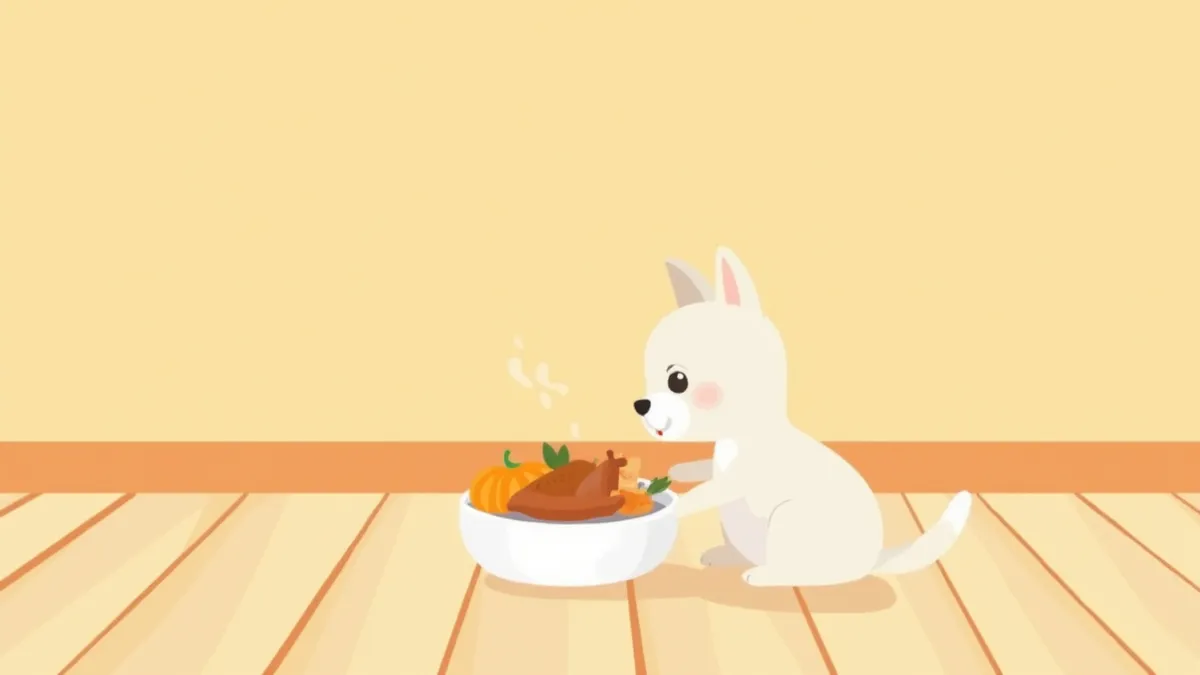
Image of a dog's recovery meal bowl for diarrhea
A recovery diet for dogs with diarrhea is a gentle homemade meal designed to replenish fluids and nutrients without irritating the intestinal lining of a dog with a weakened stomach. The most important principle is to minimize digestive burden as much as possible. The basic approach is to feed a short-term diet of low-fat, easily digestible proteins and carbohydrates for one to three days, then gradually transition back to their regular food. However, if diarrhea persists for more than 24 hours or is accompanied by bloody stool or vomiting, seeking veterinary care takes priority over home recovery diets.

Checklist: When a Recovery Diet Is Needed

Consider switching to a recovery diet if you notice any of the following signs: - Loose stools: When stools lose their shape and become watery, occurring 1–2 times. - Decreased appetite: When your pet eats less than half of their usual food intake. - Mild abdominal discomfort: When you hear gurgling sounds from the abdomen or notice frequent changes in posture. - Immediately after changing food: When stools become unsettled after switching to a new food. However, if there is blood in the stool, black stools, diarrhea more than five times a day, or vomiting lasting over 12 hours, immediate veterinary care is necessary instead of self-managing with a recovery diet.

TOP 1. Boiled Chicken Breast — The Most Proven Protein
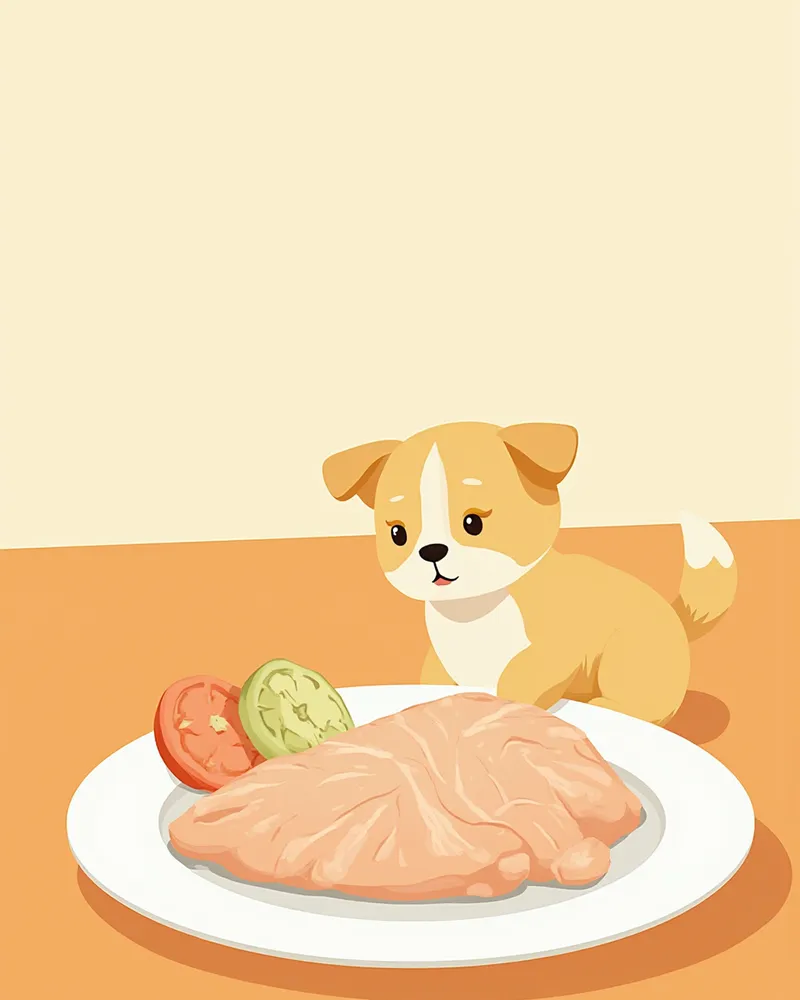
Chicken breast is a top choice for recovery meals because it’s low in fat and highly digestible. Remove all skin and bones, then boil the meat thoroughly in plain water without adding salt, oil, or spices, and shred it finely. Instead of feeding a large portion at once, it’s better to divide about one-third of your pet’s usual meal into three to four servings throughout the day. If your pet has a history of allergies, you can substitute chicken with white-fleshed fish such as cod or pollock. The cooled cooking broth can also be used to help prevent dehydration by providing additional hydration.
Shredded boiled chicken breast

TOP 2. Steamed Butternut Squash — Gentle Dietary Fiber

When cooked until soft, pumpkin is a gentle ingredient that places little burden on the digestive system, so it is often included in recovery diets. However, rather than making definitive claims such as “pectin protects the intestinal lining and firms up stool,” it is more accurate to view pumpkin as a supplementary food that reduces digestive stress due to its low fat content and soft texture. Textbooks typically recommend bland, low-fat home-cooked meals like chicken breast and white rice as primary recovery foods, so pumpkin should only be mixed in as a supplement in small amounts. Remove the skin and seeds, steam the pumpkin until soft, mash it, and mix it with chicken breast at a 1:3 ratio. When purchasing commercial pumpkin purée, be sure to choose products labeled “plain pumpkin” with no added sugar or spices, and never use pumpkin pie filling. For pets with normally hard stools, start with a smaller amount, and once loose stools have resolved, gradually reduce the pumpkin and transition back to their regular diet.

TOP 3. White Rice — The Mildest Carbohydrate

Sweet potatoes can serve as a substitute when butternut squash is hard to find. However, neither sweet potatoes nor butternut squash are core ingredients directly recommended in standard veterinary textbooks for recovery diets. Therefore, it is safest to base the diet on low-fat, bland foods like chicken breast and white rice, using these vegetables only in small amounts as a supplement. Peel and thoroughly boil the sweet potato, then mash it and serve it alongside protein. Rather than giving large portions at once, it is best to limit the amount to about 10–15% of the pet’s regular meal size. Roasted or candied sweet potatoes are too sweet and are not suitable for recovery periods. For pets with a history of pancreatitis or diabetes, it is safer to maintain a low-fat, bland diet and consult your veterinarian to determine the appropriate diet, rather than introducing new ingredients. When introducing sweet potatoes for the first time, start with just one spoonful, monitor the stool for 12 hours, and then adjust the quantity accordingly.
A recovery diet made by mixing white rice and chicken breast

TOP 4. Boiled Sweet Potato — A Pumpkin Substitute

Sweet potatoes are a great alternative when butternut squash is hard to find. Peel, boil until tender, and mash before mixing with protein. However, since they contain more sugar than squash, it’s safest to limit them to a small amount (10–15% of your pet’s regular meal). Roasted or candied sweet potatoes are too concentrated in sugar and aren’t suitable for recovery. For pets with a history of pancreatitis or diabetes, squash is a safer choice than sweet potato. When introducing it for the first time, start with just a spoonful, monitor stool for 12 hours, and adjust the portion accordingly.

TOP 5. Unsweetened Plain Yogurt — A Probiotic Supplement

During the recovery phase, you can try probiotics to introduce beneficial bacteria to the gut and help speed up healing. However, since even veterinary textbooks describe them as supportive rather than strictly mandatory, it’s best to view them as a complementary aid. At home, unsweetened plain yogurt is a relatively accessible option, but since some dogs are lactose-sensitive, start with a small amount—about half a teaspoon. If the stool condition doesn’t worsen within 12 hours, you can maintain a dose of about one teaspoon per day. Artificial sweeteners, especially xylitol, can be dangerous for dogs, so always check the ingredient list carefully. For dogs who don’t tolerate lactose well or find yogurt burdensome, it’s safer to use a veterinarian-recommended dog-specific probiotic powder instead.
Sugar-free plain yogurt

Comparison Table of 5 Recovery Meals

ItemChicken breastKabocha squashWhite riceSweet potatoPlain yogurt
RoleProtein supplyGentle dietary fiber (supplementary)Carbohydrate & hydrationSquash substitute (supplementary)Probiotic support
Recommended amount50% of meal20% of meal30% of meal10–15%1 teaspoon/day
Caution forPoultry allergySugar sensitivityNo brown rice/multigrainDiabetes, pancreatitisLactose intolerance
Feeding period1–3 days1–3 days1–3 days1–2 days1–5 days as a supplement

Amounts need adjustment based on body weight and underlying conditions. Squash and sweet potato are supplementary foods, not core ingredients directly recommended by textbooks, so use only small amounts; if there is no improvement within 24 hours, seeing a veterinarian comes first.

Foods Strictly Forbidden During Recovery

During recovery, the following foods can worsen symptoms: - Milk: Lactose can aggravate diarrhea. - Fatty meats and skin: These can irritate the pancreas and lead to vomiting. - Onions, garlic, and green onions: These can damage red blood cells, posing a risk of anemia. - Grapes and raisins: These carry a risk of acute kidney failure. - Xylitol-containing foods: These pose risks of hypoglycemia and liver damage. - Human seasonings: Salt, soy sauce, and spices are all prohibited. The guiding principle for recovery meals is to use ingredients boiled in plain water with no added salt.

How to Feed Recovery Meals and Gradually Return to Regular Food

For the first two days, feed a 100% recovery diet in small, frequent meals (4–6 times a day). Starting on day 3, when stool consistency begins to stabilize, gradually transition by mixing 75% recovery diet with 25% regular food, then 50:50 on day 4, 25:75 on day 5, and finally returning to 100% regular food on days 6–7. This gradual approach is the safest. Increasing the regular food too quickly can cause loose stools to return. Always provide plenty of fresh water during the recovery diet phase to prevent dehydration.

Signs That Require Immediate Veterinary Care

If any of the following apply, seek veterinary care before starting a recovery diet: 1) Bloody stools or black, tarry stools; 2) Vomiting lasting more than 12 hours; 3) Diarrhea persisting for more than 24 hours or occurring five or more times a day; 4) Pale or gray gums; 5) Lethargy or difficulty standing; 6) Acute diarrhea in puppies under 4 months of age (suspected parvovirus); 7) Acute bloody stools or vomiting in unvaccinated dogs. Puppies can dehydrate rapidly, so prompt fluid and medication therapy is safer than home treatment.

Reviewed by a veterinarian

Dr. Tony — Punnawat Phongkittirak

Dr. Tony — Punnawat Phongkittirak

Veterinarian

A veterinarian who majored in veterinary medicine at Khon Kaen University, Thailand, and completed the IVSA program at North Carolina State University in the United States. Drawing on clinical experience at animal hospitals, he works in the pet healthcare field and is dedicated to building a digital care environment that connects pet parents with veterinarians.

Frequently Asked Questions

Is it okay to feed only recovery food for a few days?
Three days is the maximum recommended duration. Recovery diets lack a balanced profile of protein, fat, and minerals, so feeding them for extended periods can lead to nutritional imbalances. If there is no improvement within three days, your pet should be seen by a veterinarian.
Can I lightly season chicken breast?
No, that won’t work. Salt, soy sauce, and pepper can all irritate the intestinal lining during recovery. You should boil the food in plain water only and serve it that way.
Can I just mix pumpkin into my pet’s food?
For mild loose stools, mixing 1–2 teaspoons of pureed pumpkin into your pet’s regular food can be effective. However, if the stool is watery, it’s best to withhold regular food and feed a recovery diet exclusively for 1–2 days to help stabilize their condition more quickly.
Can I give my dog a dog-specific probiotic alongside it?
If it's a product recommended by a veterinarian, it's fine to give it together. We don't recommend human supplements because they may contain additives like xylitol or allulose.
Should I change my pet’s food after recovery?
If your pet recovered well on their original food, there’s no need to switch. However, if diarrhea keeps recurring with the same food, it’s worth checking the protein sources and grain content.

Share

Related Guides

References

[1] Clinical Medicine of the Dog and Cat, 4th Ed — Chapter 9 Digestive Diseases

[2] 100 Top Consultations in Small Animal General Practice — Section 4 Gastrointestinal

[3] The Dog Care Handbook — Things I Wish My Vet Had Told Me

This information is based on veterinary literature and does not replace diagnosis or treatment. Please consult a veterinarian for specific health concerns.

Metapet Co., Ltd. | CEO: Park Sung-yong | Business Reg. No. 417-88-02562 | Seoul, South Korea | Customer Center

5 Vet-Recommended Homemade Recovery Meals for Dog Diarrhea | Meongsiljang