Like
Share
멍실장
고양이 간 지질증(지방간) 관리 추천 BEST와 고르는 기준 총정리

Is My Cat’s Loss of Appetite Fatty Liver? — 7 Key Points for Managing Feline Hepatic Lipidosis

Liver HealthTop PicksMeongsiljang Veterinary Advisory Board

Feline hepatic lipidosis is a life-threatening liver disease triggered by sudden loss of appetite. Here’s how to choose effective management products, along with our top three recommendations.

Feline Hepatic Lipidosis Becomes Dangerous the Moment Loss of Appetite Begins
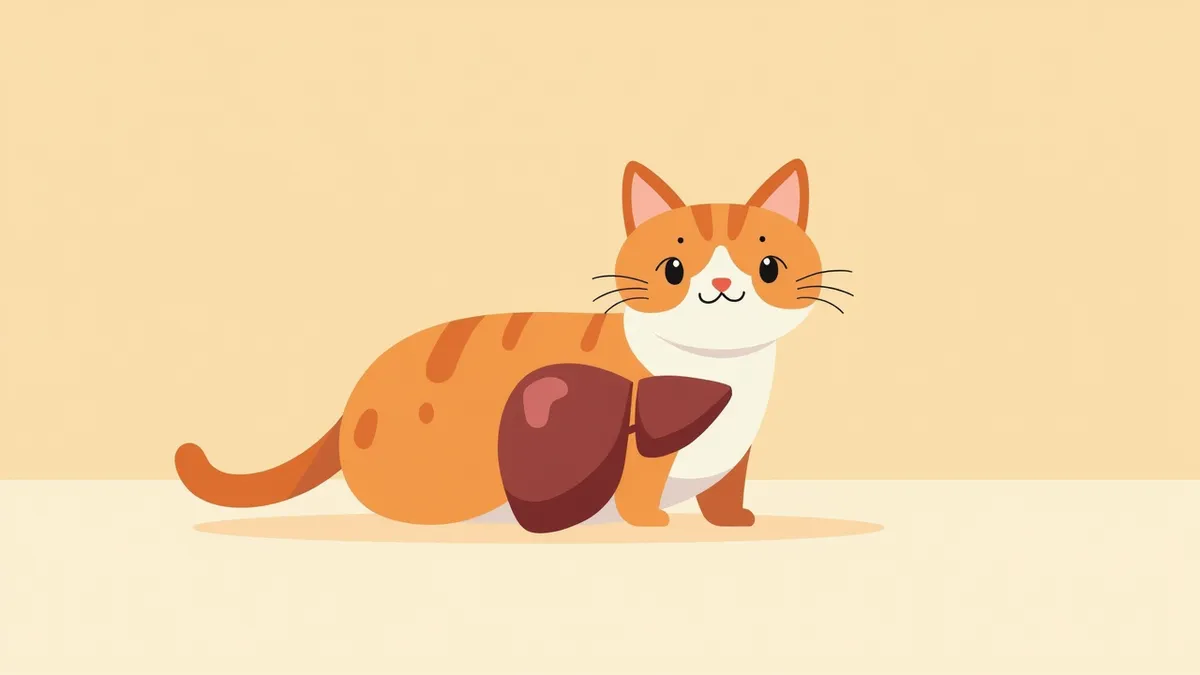
The microscopic structure of a cat's liver with accumulated fat
Feline hepatic lipidosis, commonly known as fatty liver disease, is a life-threatening condition in which excessive triglycerides accumulate in liver cells, impairing liver function, often accompanied by a sudden loss of appetite. Loss of appetite is the most common and, in the early stages, nearly the only sign of this disease; even a few days without eating significantly increases the risk of developing hepatic lipidosis. This risk is particularly high in overweight cats. Furthermore, hepatic lipidosis often occurs secondary to other conditions such as gastrointestinal diseases, pancreatitis, or cholangitis, making it crucial to identify the underlying cause of the appetite loss. Severe symptoms like jaundice or vomiting may not appear until days or weeks later, so consulting a veterinarian immediately upon noticing a loss of appetite and initiating nutritional support is key to improving the prognosis.

Selection Criteria: Ingredients Specialized in Liver Protection and Appetite Stimulation Are Key

The most important nutritional principle in managing feline hepatic lipidosis is ensuring adequate protein intake. Contrary to the common belief that protein should be restricted during liver failure, cats with hepatic lipidosis actually require protein for recovery, as it is a key nutrient for reducing fat accumulation in the liver. When selecting a product, look for ingredients that support both this nutritional provision and hepatocyte protection.
Protein: The most important nutrient for correcting negative nitrogen balance and reducing muscle loss.
L-Carnitine: Supports hepatic fat metabolism by helping to utilize fatty acids for energy.
B-complex vitamins and Cobalamin (B12): Essential for energy metabolism and may help restore appetite.
Antioxidants (Vitamin E, SAMe): Supporting ingredients that protect hepatocytes from oxidative stress.
Administering a liver-support supplement to a cat

BEST 1: GanCare Pro Light (Liver Protection + Appetite Stimulation)

GanCare Pro Light is a product that can be used for nutritional support in the early stages of feline hepatic lipidosis. Its liquid form makes it relatively easy to administer to cats with reduced appetite, and the inclusion of B-complex vitamins can help restore their appetite. However, since the cornerstone of treating hepatic lipidosis is correcting negative energy balance by providing adequate protein and calories, it is essential to combine nutritional management under veterinary guidance rather than relying solely on supplements.
Appetite Recovery Support: B-complex vitamins can help stimulate appetite.
Nutritional Support: Complements protein and calorie intake to support hepatic fat metabolism.
Ease of Use: The liquid form allows for convenient administration in small, divided doses. However, be cautious not to force-feed, as this may lead to food aversion.
Liver Care Pro Light Liquid Supplement

BEST 2: Life Care Liver Plus (High-Fat, High-Protein Supplement)
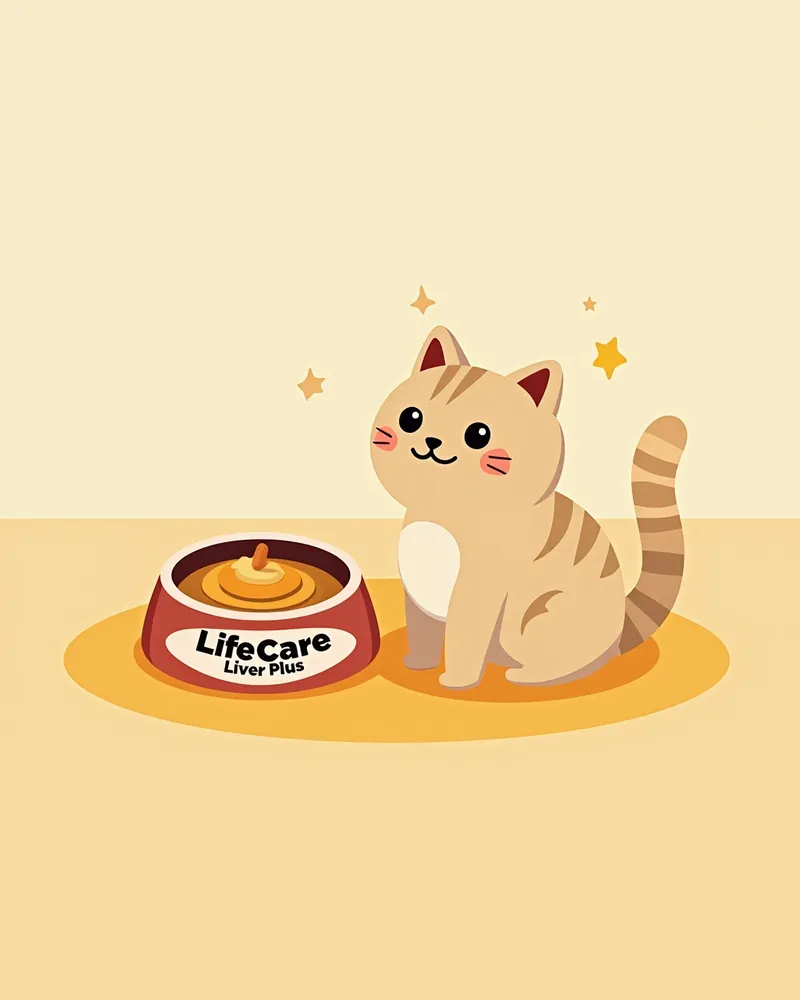
Life Care Liver Plus is a nutritional supplement designed for cats that have lost weight and muscle mass due to hepatic lipidosis. Since providing adequate protein rather than restricting it is more beneficial for recovery, even in cases of liver failure, this product’s high-protein formula helps replenish both protein and calories. Additionally, the inclusion of sufficient fats and carbohydrates prevents protein from being broken down for energy, which reduces the production of ammonia.
Energy Support: Adequate protein intake helps correct negative nitrogen balance and minimize muscle loss.
Liver Metabolism Support: L-carnitine assists in converting fatty acids into energy, supporting healthy fat metabolism in the liver.
Palatability: The savory ham flavor makes it appealing even to cats with reduced appetites.
LifeCare Liver Plus High-Concentration Supplemental Nutrient

BEST 3: Premium Liver Lift (Cat-Specific Complex Nutritional Supplement)
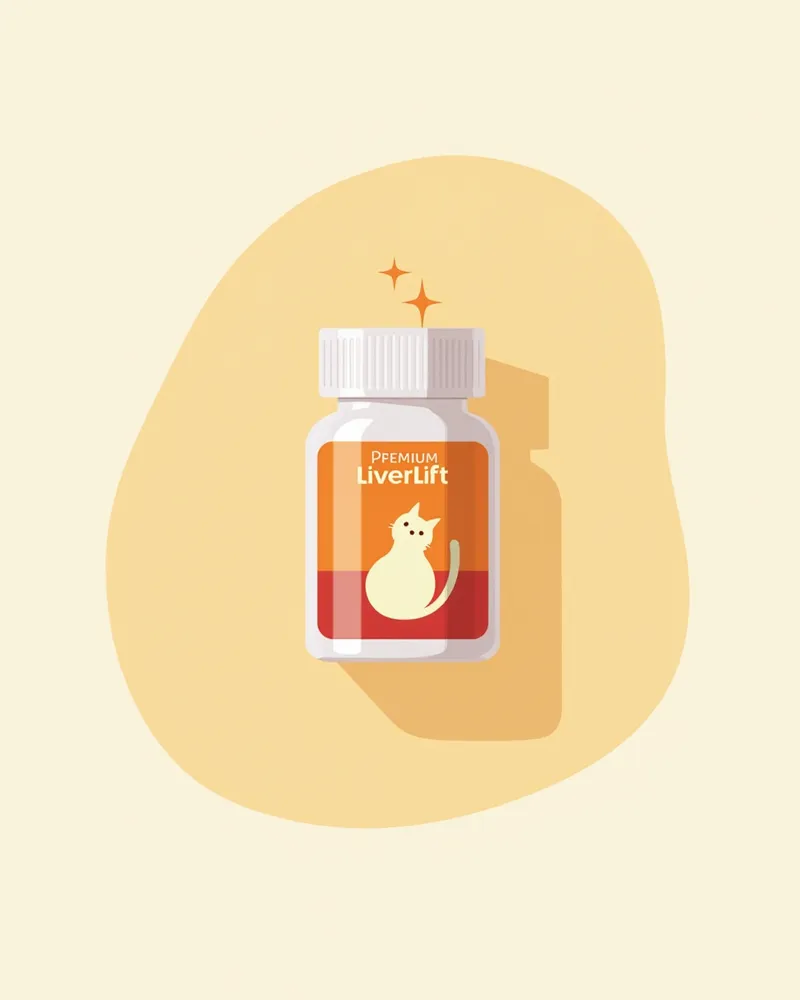
Premium Liver Lift is designed for long-term nutritional support after recovery from hepatic lipidosis. It features a balanced blend of B vitamins, L-carnitine, and antioxidants to consistently support fat metabolism and protect liver cells. Its capsule form makes it easy to administer over extended periods.
Long-term care: Helps maintain proper nutrition to prevent relapses of decreased appetite.
Liver metabolism support: L-carnitine aids fat metabolism, while antioxidants protect liver cells.
Caution: Overdosing on supplements can cause side effects, and some appetite stimulants are contraindicated in liver disease. Always consult your veterinarian before use.
Premium Liver Lift Capsule Supplement

Comparison of BEST 1–3 Products: Ingredients, Effects, and Usage

ItemLiverCare Pro LiteLifeCare Liver PlusPremium Liver Lift
Main IngredientsProtein, B-complex vitamins, L-carnitineHigh-protein·high-fat, L-carnitineB-complex vitamins, L-carnitine, Antioxidants (Vitamin E·SAMe)
Main EffectAppetite recovery support, nutritional supplementationEnergy and protein supplementationLong-term nutritional management, hepatocyte protection support
FormulationLiquidHighly concentrated pasteCapsule
Duration of UseEarly recovery stageSupplement during weight lossMaintenance phase after recovery
Recommended ForEarly stage of appetite lossCats with rapid weight lossCats needing relapse prevention

All products are recommended for use after veterinary consultation. The core treatment for hepatic lipidosis is adequate protein and caloric supply; supplements are complementary measures. Overdose may cause side effects.

Caution: Treatment Within 48 Hours Is Essential for Feline Hepatic Lipidosis

Even a few days without food can significantly increase a cat’s risk of developing hepatic lipidosis. Loss of appetite is the most common early sign of this condition, so if your cat’s appetite declines, don’t wait—seek veterinary care and nutritional support as soon as possible. If appetite doesn’t return, your vet may need to provide active nutritional support, such as tube feeding or intravenous nutrition.

Usage Tips: 3 Ways to Stimulate Your Cat’s Appetite

Combining appetite-stimulating techniques with nutritional supplementation can significantly enhance its effectiveness. - Serve food warm: Warming food intensifies its aroma, making it more appealing to cats. - Offer small, frequent meals: Dividing the daily ration into 3–5 small portions reduces the burden on the stomach. - Mix with treats: Blending the supplement with a favorite treat helps minimize refusal. - Adjust food temperature: Serving food slightly warmer than room temperature helps preserve its scent. - Provide a quiet environment: Feed your cat in a calm, low-noise area. Restoring appetite requires a strategic approach that goes beyond simple nutritional supplementation.
Mixing nutritional supplements into warm food for cats

Reviewed by a veterinarian

Dr. Tony — Punnawat Phongkittirak

Dr. Tony — Punnawat Phongkittirak

Veterinarian

A veterinarian who majored in veterinary medicine at Khon Kaen University, Thailand, and completed the IVSA program at North Carolina State University in the United States. Drawing on clinical experience at animal hospitals, he works in the pet healthcare field and is dedicated to building a digital care environment that connects pet parents with veterinarians.

Frequently Asked Questions

Will a cat develop hepatic lipidosis if it doesn’t eat for one day?
Even a few days without eating can significantly increase the risk of hepatic lipidosis. Loss of appetite is the most common early sign of this condition, and the risk is especially high in overweight cats. If your cat’s appetite drops, consult your veterinarian promptly.
How long should I continue giving my pet the supplement?
During the initial recovery phase, it’s best to administer treatment intensively, and afterward, consult with your veterinarian to adjust the duration as needed. Most importantly, remember that the cornerstone of treating hepatic lipidosis is providing adequate protein and calories.
Can liquid nutritional supplements help when my pet has no appetite?
Liquid products are relatively easy to administer even to cats with a poor appetite. However, force-feeding can lead to food aversion, so take care to avoid it. If your cat’s appetite does not improve, nutritional support at the veterinary clinic will be necessary.
Can hepatic lipidosis recur?
Yes, if there are other underlying conditions causing a loss of appetite, the condition can recur. Hepatic lipidosis often develops secondary to gastrointestinal disorders, pancreatitis, or cholangitis, so managing the underlying disease and conducting regular check-ups are essential.
Is it okay to give supplements along with regular pet food?
Yes, it’s fine to give them together. However, supplements are just a supportive measure—the key to recovery is a balanced diet with adequate protein.

Share

Related Guides

References

[1] Lidbury, J.A. et al. (2023) The Cat: Clinical Medicine and Management, 2nd Edition. Elsevier.

[2] Feline Emergency and Critical Care Medicine, 2nd Ed. (2022). Elsevier.

[3] Clinical Medicine of the Dog and Cat, 4th Ed. (2021). Elsevier.

This information is based on veterinary literature and does not replace diagnosis or treatment. Please consult a veterinarian for specific health concerns.

Metapet Co., Ltd. | CEO: Park Sung-yong | Business Reg. No. 417-88-02562 | Seoul, South Korea | Customer Center

Cat Not Eating? 7 Tips to Manage Feline Hepatic Lipidosis | Meongsiljang