Like
Share
멍실장
고양이 심장 수술(판막 성형·PDA 결찰) 관리 추천 BEST와 고르는 기준 총정리

7 Post-Heart Surgery Recovery Care Tips for Cats Recommended by Veterinarians

HeartTop PicksMeongsiljang Veterinary Advisory Board

We’ve compiled the best care products and standards for post-heart surgery recovery in cats. Check out the key factors that can improve survival rates and quality of life after surgery.

Feline Heart Surgery (Valvuloplasty & PDA Ligation) Care Determines Survival Rates
A cat recovering after surgery
Post-operative care is crucial to the success of feline heart surgery. Pain management, infection prevention, and recovery of heart function are especially important after procedures such as valve repair or PDA ligation. Strict rest and monitoring are required for 1-2 weeks after surgery, and medications and diet should be adjusted according to your veterinarian's instructions. The quality of care during recovery directly impacts long-term survival and quality of life.

Good to Know: Points to Check Before Heart Surgery
When selecting post-operative care products for cats after heart surgery, be sure to check the following criteria. The most important factors are ingredients and stability suited for post-surgical recovery, as well as whether the product is recommended by veterinarians. Here are the key elements to help you assess a product’s safety and effectiveness.
Pain-relieving ingredients: The product should contain ingredients that effectively alleviate post-operative pain.
Heart function support ingredients: It should include ingredients that aid in heart muscle recovery and improve blood circulation.
Anti-inflammatory effects: The product must contain ingredients that reduce inflammation at the surgical site.
High digestive absorption form: It should be in a form that does not burden a cat’s digestive system.
Veterinarian-recommended products: Choose products that are actually used and proven in clinical practice.
A veterinarian explaining feline medications.

Good to Know 1: What Are the Heart Surgeries and When Are They Considered?
PDA ligation is a surgical procedure that ties off the patent ductus arteriosus, a blood vessel that should have closed before birth, while valvuloplasty corrects issues where heart valves fail to close properly. These surgeries are considered for congenital heart defects or specific valvular diseases to halt disease progression or improve symptoms. However, not all heart conditions require surgery, as many can be managed with medication. Therefore, it is essential to undergo a thorough diagnosis and consult with your veterinarian to determine the most appropriate treatment plan.
What type of heart surgery is it, and when should it be considered? Related guide image

Good to Know 2: Precise Diagnosis and Preoperative Assessment Are Essential
Heart surgery is decided after accurately assessing the heart’s structure and function through echocardiography, and evaluating the overall condition with chest imaging and electrocardiograms. Because the surgery is complex and carries high anesthetic risk, it’s essential to carefully consider the patient’s overall health and suitability for anesthesia. For safety, it’s best to have the procedure performed at a specialized hospital equipped with advanced diagnostic tools and expertise in cardiac surgery and anesthesia. Make sure to receive a thorough explanation of the diagnostic results and the necessity of surgery before proceeding.
Precise diagnosis and pre-surgical evaluation are essential. See the related guide image.

Good to Know 3: Risks, Postoperative Care, and the Need for Cardiology Consultation

Heart surgery carries a risk of complications, and postoperative care often involves regular monitoring of heart function and medication management when necessary. It’s important to understand that surgery is not a definitive cure but rather one component of long-term heart care. Given the complexity of these procedures, it’s advisable to consult with a veterinarian experienced in cardiology or a specialized referral hospital to fully weigh the benefits and risks before making a decision.
Professional cardiovascular consultation is needed for risk assessment and post-procedure care. See the related guide image.

Heart Surgery: What Pet Owners Should Know

ItemKey Points
Surgery OverviewStructural correction such as PDA ligation (tying off the remaining ductus arteriosus) or valve repair
Indication AssessmentDecide with the vet after detailed diagnosis whether the case is surgical or suited to medical management
Preoperative EvaluationCareful assessment with echocardiography, imaging, and ECG, and whether anesthesia is feasible
Risks & AftercareComplication risks; regular follow-up and medication management may still be needed afterward
ConsultationA high-difficulty surgery; consult a cardiology specialist vet or a referral hospital

This table does not recommend specific products or clinics; it's a reference for when you consult your veterinarian. Always make treatment and testing decisions together with your vet through an examination.

Caution: Overdose and Drug Interactions Are Dangerous

When giving your pet any product, including heart supplements, it’s important to follow your veterinarian’s instructions regarding the prescribed dosage and dosing interval. Increasing the dose on your own can lead to unexpected side effects. In particular, when multiple medications are used together, drug interactions may occur, potentially reducing effectiveness or altering metabolism. Therefore, always inform your veterinarian about all medications and supplements your pet is currently taking. If you notice any abnormal symptoms such as vomiting, lethargy, or difficulty breathing while administering the product, stop use immediately and visit an animal hospital for consultation.

Usage Tips: 4 Practical Tips for Successful Postoperative Care

Here’s a summary of basic care guidelines to help you provide steady, consistent support for your cat after heart surgery. We’ll cover everything from medication administration to environmental adjustments, offering practical tips to aid the recovery process.
Maintain a consistent medication schedule: Giving medications at the same time each day helps ensure you don’t miss doses and can maintain steady care.
Follow your veterinarian’s instructions for administration: Whether supplements or medications should be given with food or separately, always follow your vet’s specific guidance for safety.
Provide a restful environment: Allowing your cat to rest in a quiet, warm space helps minimize stress.
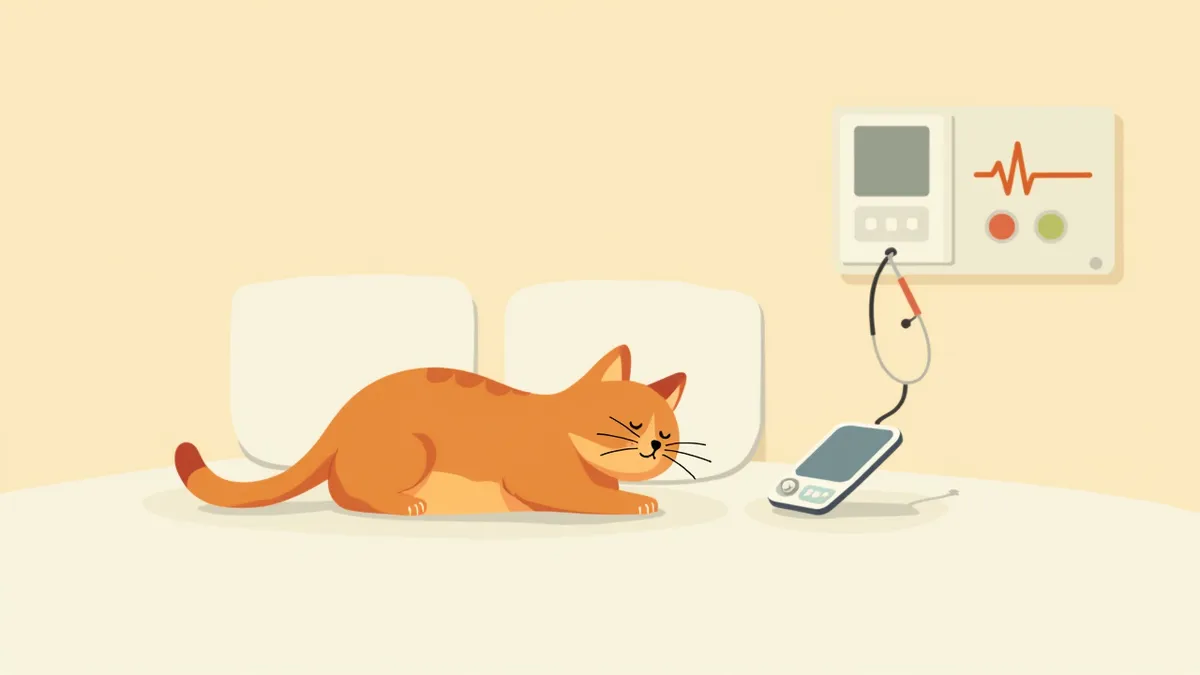
Monitor weight and condition regularly: Keeping a record of changes in weight, appetite, and breathing enables you to track recovery progress and detect any abnormalities early.
A cat resting and a weight-measuring device

Reviewed by a veterinarian

Dr. Tony — Punnawat Phongkittirak

Dr. Tony — Punnawat Phongkittirak

Veterinarian

A veterinarian who majored in veterinary medicine at Khon Kaen University, Thailand, and completed the IVSA program at North Carolina State University in the United States. Drawing on clinical experience at animal hospitals, he works in the pet healthcare field and is dedicated to building a digital care environment that connects pet parents with veterinarians.

Frequently Asked Questions

When should I start giving supplements after surgery?
The timing for starting medication varies depending on the surgical method and the recovery status. It is safest to follow your veterinarian's instructions rather than starting the medication on your own.
Will giving supplements enhance the surgical outcome?
Supplements are not treatments that increase the success rate of surgery itself, but rather supportive aids to help with the recovery period. Please follow your veterinarian's treatment plan for core therapy and post-operative care.
Can you recommend the same supplement for all cats?
No. The right product depends on your cat’s condition, current medications, and medical history. Please consult your veterinarian before choosing.
Is it safe to take supplements for more than a year?
There are no set guidelines for how long to keep your pet on the medication or how often to reassess. It’s best to regularly consult with your veterinarian to determine whether continued use is necessary.
Can supplements have adverse effects on cats?
While it’s essential to follow the recommended dosage, the likelihood of side effects can vary depending on the product and your pet’s individual constitution. If you notice any unusual symptoms, stop administering the product and consult your veterinarian.

Share

Related Guides

References

[1] Fossum TW. Preoperative and intraoperative care of the surgical patient. In: Fossum TW, Duprey LP, O’Connor D, editors. Small animal surgery. 3rd ed. Boston, MA: Elsevier; 2007.

[2] Hosgood G, Scholl DT. Evaluation of age as a risk factor for perianesthetic morbidity and mortality in the dog. J Vet Emerg Crit Care. 1998;8(3):222-36.

[3] Reader RC, McCarthy RJ, Schultz KL, et al (2020) Comparison of liposomal bupivacaine and 0.5% bupivacaine hydrochloride for control of postoperative pain in dogs undergoing tibial plateau leveling osteotomy. J Am Vet Med Assoc 256:1011–19.

This information is based on veterinary literature and does not replace diagnosis or treatment. Please consult a veterinarian for specific health concerns.

Metapet Co., Ltd. | CEO: Park Sung-yong | Business Reg. No. 417-88-02562 | Seoul, South Korea | Customer Center

7 Vet Tips for Cat Recovery After Heart Surgery | Meongsiljang