Like
Share
멍실장
강아지 담관 폐색 관리 추천 BEST와 고르는 기준 총정리

7 Warning Signs of Biliary Obstruction in Dogs and Management Tips Selected by Veterinarians

Liver HealthTop PicksMeongsiljang Veterinary Advisory Board

Biliary obstruction in dogs is a condition that places significant strain on liver function by blocking the flow of bile. Choosing the right management products and supplements is key to recovery.

Biliary Obstruction in Dogs is a Liver Disease Caused by Blocked Bile Drainage Pathways
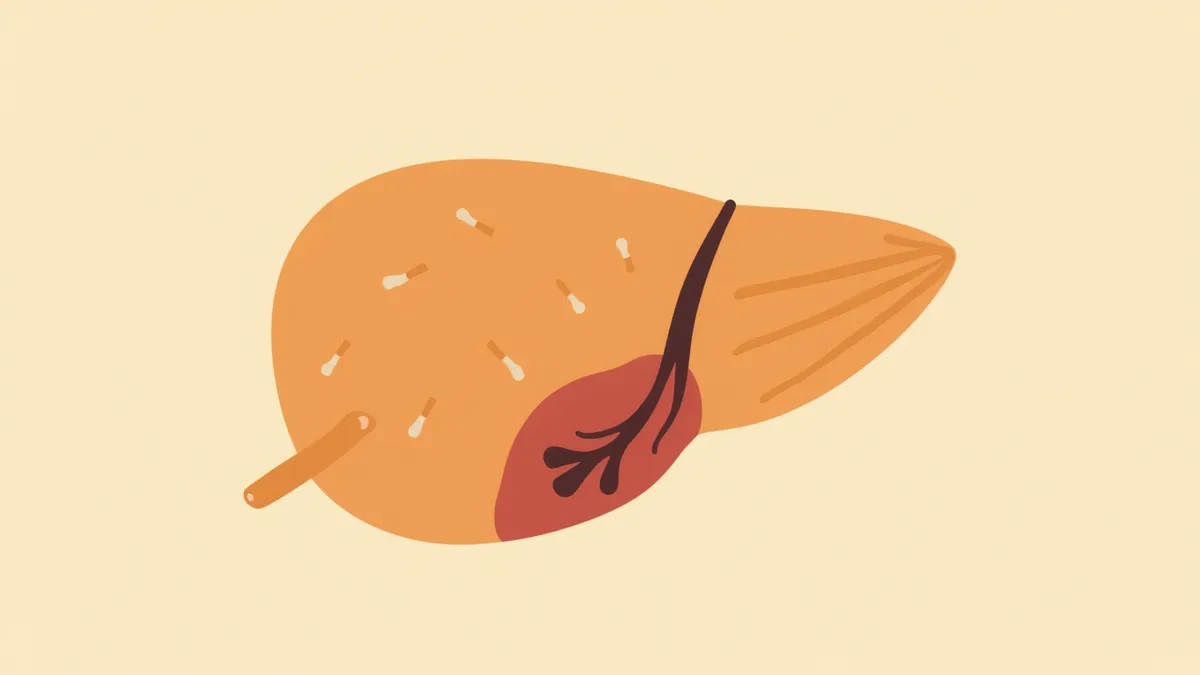
Anatomical image of biliary obstruction in dogs
Biliary obstruction in dogs, specifically extrahepatic biliary duct obstruction (EHBD), occurs when the bile ducts connecting the liver to the intestines become blocked, preventing proper bile drainage. When bile stagnates, it leads to cholestasis, which can cause symptoms such as jaundice, fever, loss of appetite, vomiting, and weight loss. Blood tests typically reveal elevated bilirubin and cholesterol levels, along with increased cholestatic enzymes (ALP and GGT). Biliary obstruction can stem from underlying conditions such as gallstones, gallbladder mucoceles, or cholecystitis. Because supplements alone cannot clear a physical blockage, veterinary diagnosis and treatment are essential. - Hepatoprotective (liver cell-protecting) ingredients: Textbooks note that hepatoprotectants such as silymarin (milk thistle/silybin), SAMe, and vitamin E are used to protect liver cells and reduce oxidative stress. - Supportive ingredients for cholestasis: Ursodeoxycholic acid (UDCA) is used for cholestatic liver disease, while lecithin (phosphatidylcholine) enhances the absorption of silybin. However, none of these ingredients can remove a physical obstruction, so they should be understood only as supportive measures.

5 Key Criteria for Choosing Management Products for Biliary Obstruction in Dogs

When choosing a management product for biliary obstruction in dogs, please consider the following criteria. Most importantly, biliary obstruction is not a condition that can be treated with supplements alone, so it is essential to use these products only as an adjunct under veterinary supervision.
Hepatoprotective ingredients: Evidence-based ingredients for liver protection include silymarin (milk thistle/silybin), SAMe, and vitamin E.
Cholestasis-supporting ingredients: Ursodeoxycholic acid (UDCA, 5–10 mg/kg) is used for cholestatic and inflammatory liver diseases.
Antioxidant ingredients: Antioxidants such as vitamin E (10–15 IU/kg) or N-acetylcysteine are utilized for liver protection.
Safety verification: "Natural" does not automatically mean safe. Veterinary textbooks recommend discontinuing certain herbal preparations, so always verify the ingredients and dosages.
Veterinary consultation: Depending on the underlying cause, such as gallstones or cholecystitis, treatments like antibiotics may be necessary, so be sure to consult with your veterinarian.
Criteria for selecting products to manage biliary obstruction in dogs

BEST 1: Hepatocyte Protection Protein Capsules
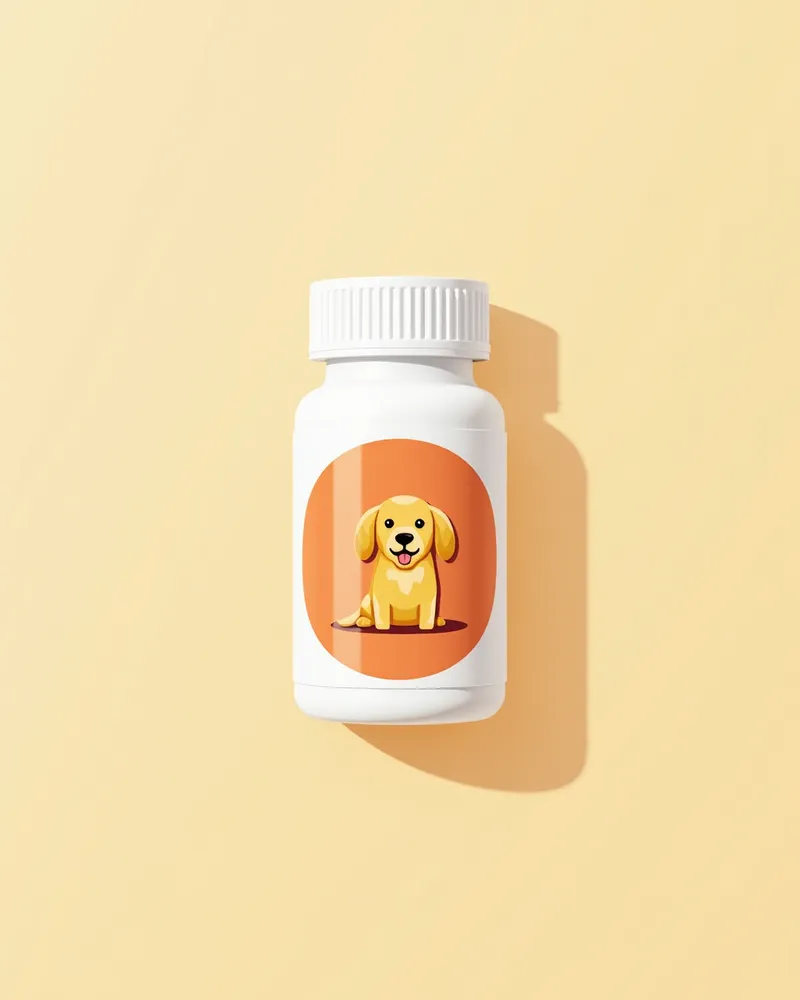
This capsule product highlights glucosamine and saponins as its key ingredients. However, veterinary textbooks do not support the claim that glucosamine or saponins regenerate hepatocytes or alleviate biliary obstruction. If your goal is liver support, the ingredients backed by veterinary textbooks are silymarin (milk thistle), SAMe, and vitamin E. The included lecithin (phosphatidylcholine) is known to play a supportive role by enhancing the absorption of silybin. Since biliary obstruction cannot be resolved with supplements, please consult your veterinarian before administration and strictly follow the recommended dosage. Adjust the daily dose according to your dog’s body weight, and ensure regular check-ups to monitor liver health even during long-term use.
BEST 1 Hepatocyte Protection Protein Capsules Image

BEST 2: Bile Induction Renewal Liquid
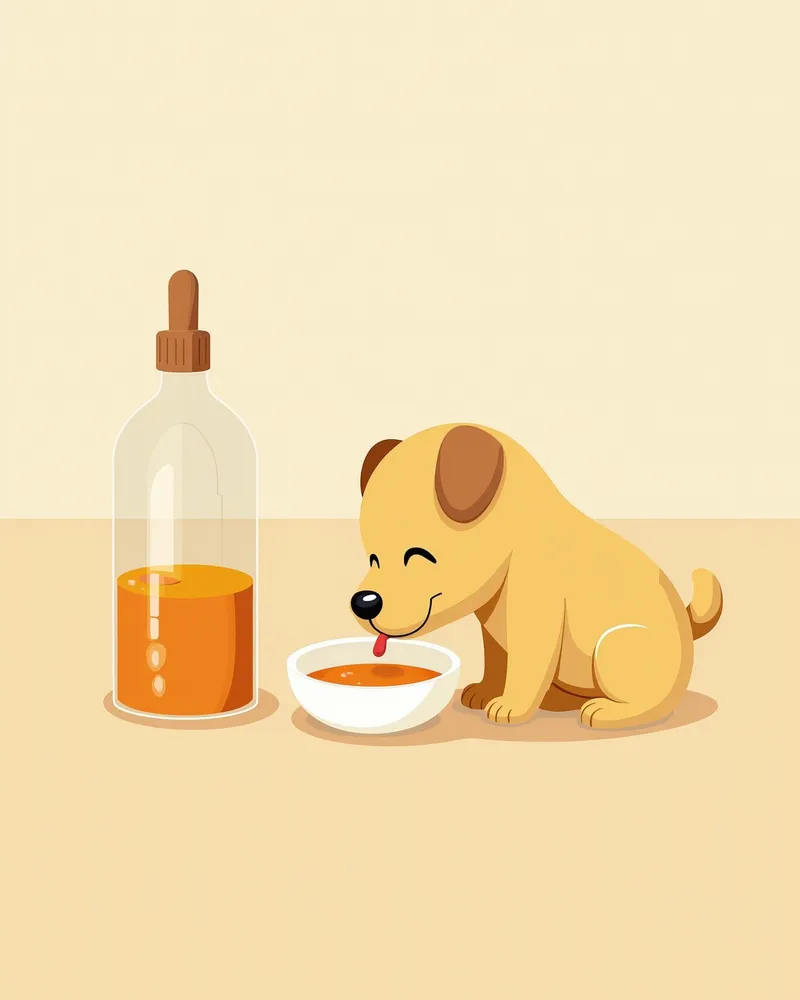
This product is labeled as being composed of natural herbal ingredients. While it claims that luteolin, bile acids, and saponins support liver function, there is no textbook evidence to support the assertion that these ingredients protect hepatocytes or stimulate bile flow to relieve obstructions. In particular, the claim that bile acids "dilate" the bile ducts to clear blockages is factually incorrect. Ursodeoxycholic acid (UDCA, 5–10 mg/kg) is used for cholestatic and inflammatory liver diseases, but it does not remove physical obstructions either. Please consult your veterinarian before administering this product. - Liver-protective ingredients: Textbook-supported hepatoprotectants include silymarin, SAMe, and vitamin E. - Adjunct for cholestasis: UDCA is used as an adjunctive treatment for cholestatic and inflammatory liver diseases. - Natural origin: The term "natural" does not guarantee safety; textbooks sometimes recommend discontinuing certain herbal preparations.
BEST 2 Bile-Inducing Renewal Liquid Image

BEST 3: Liver Health Herb Mix Powder

This product is a powder that claims to contain luteolin, bile acids, and saponins. However, the purported benefits—such as luteolin protecting liver cells, saponins restoring liver function, and bile acids alleviating bile duct obstruction—are not supported by veterinary textbooks. For cholestatic and inflammatory liver diseases, the ingredients with established evidence are ursodeoxycholic acid (UDCA), silymarin (milk thistle), SAMe, and vitamin E. Furthermore, the claim that the product is safe for long-term use because it contains no synthetic additives is unverified, and textbooks sometimes recommend discontinuing certain herbal preparations. Since treating the underlying cause is key in bile duct obstruction, please consult your veterinarian before administering this product, adjust the daily dosage according to your pet’s body weight, and monitor liver health through regular check-ups.
Image of the top three liver-supporting herbal mix powder

Comparison Table of BEST 1–3 Products

ItemBEST 1 CapsuleBEST 2 LiquidBEST 3 Powder
Main IngredientsGlucosamine, saponins, lecithinBile acids, lecithinLuteolin, bile acids, saponins
FormCapsuleLiquidPowder
Daily Amount1 tablet5 ml1 teaspoon
Additional BenefitsLimited evidence for liver protection; veterinary consultation neededContains absorption-aiding ingredients; good palatabilityNo synthetic additives; natural flavor
Veterinary Consultation RecommendedTrueTrueTrue

No product can treat bile duct obstruction (physical blockage). If bile duct obstruction is suspected, do not rely on supplements; immediately seek veterinary diagnosis and treatment (treatment of the underlying disease, and antibiotics or surgical procedures if needed). Use all products only as an adjunct, dosed by body weight and after consulting your veterinarian.

Caution: Overconsumption May Increase Liver Burden

Products for managing bile duct obstruction should be used at the veterinarian-recommended dosage. Overconsumption can strain the liver and potentially worsen symptoms. If your pet already has liver dysfunction, the dosage must be adjusted accordingly.

5 Tips for Managing Biliary Obstruction in Dogs
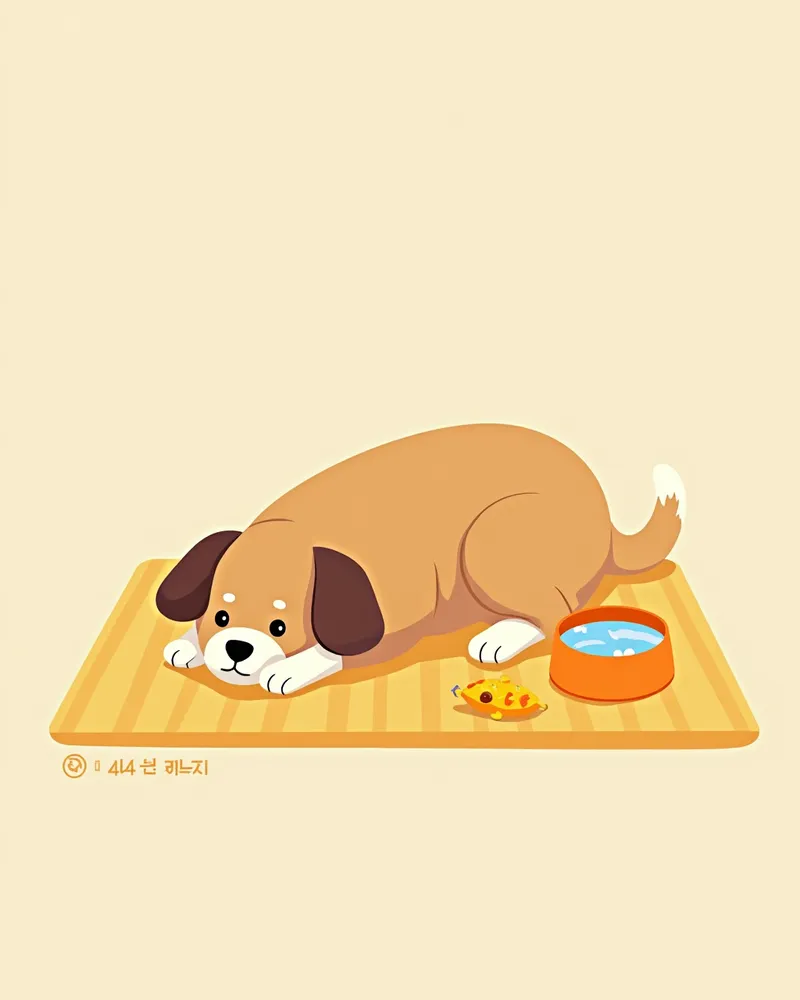
In addition to management products, there are practical tips you can implement in your daily routine. Combining these tips with your pet’s care can help speed up recovery.
Dietary Management: Avoid high-fat and high-protein foods, and opt for low-fat diets that are easier on the liver.
Hydration: Change your pet’s water 1–2 times a day to encourage increased water intake.
Exercise Moderation: Avoid excessive exercise and instead engage in regular, light walks.
Regular Check-ups: Schedule routine liver function tests and ultrasound examinations.
Stress Reduction: Maintain a calm and comfortable living environment for your pet.
Tips for Managing Bile Duct Obstruction in Dogs

Reviewed by a veterinarian

Dr. Tony — Punnawat Phongkittirak

Dr. Tony — Punnawat Phongkittirak

Veterinarian

A veterinarian who majored in veterinary medicine at Khon Kaen University, Thailand, and completed the IVSA program at North Carolina State University in the United States. Drawing on clinical experience at animal hospitals, he works in the pet healthcare field and is dedicated to building a digital care environment that connects pet parents with veterinarians.

Frequently Asked Questions

When should I start giving my pet a product for managing bile duct obstruction?
If you notice symptoms such as jaundice, loss of appetite, vomiting, or fever, seek veterinary care immediately. In cases of bile duct obstruction, treating the underlying condition takes priority over supplements, and any supportive products should only be used under veterinary guidance.
Is it okay to give the same product to all dogs?
No. The appropriate management depends on your pet’s weight, age, overall health, and the cause of the obstruction. Please consult with your veterinarian to determine the best course of action.
Will giving the product help the symptoms improve quickly?
It’s difficult to set a fixed recovery period. The course of the condition varies depending on the cause and severity; for example, in cases of biliary tract infections, antibiotics may need to be administered for at least four to six weeks. Rather than making your own assessment, please monitor your pet’s progress through regular veterinary check-ups.
Can this product be taken with other medications?
Because this medication may interact with other drugs, be sure to tell your veterinarian about any medications your pet is currently taking.
Is it safe to give this product to my pet long-term?
Use as directed by your veterinarian, and have your pet’s liver and biliary tract regularly checked with blood tests and ultrasound. Even “natural” products don’t guarantee long-term safety.

Share

Related Guides

References

[1] Plumb's Veterinary Drug Handbook, 9th ed. 2022. Wiley-Blackwell.

[2] Feldman BF, Nelson RW. Textbook of Veterinary Internal Medicine, 8th ed. Elsevier, 2019.

[3] American College of Veterinary Internal Medicine (ACVIM). Consensus Statement on Hepatic Disease in Dogs. 2021.

This information is based on veterinary literature and does not replace diagnosis or treatment. Please consult a veterinarian for specific health concerns.

Metapet Co., Ltd. | CEO: Park Sung-yong | Business Reg. No. 417-88-02562 | Seoul, South Korea | Customer Center

7 Warning Signs of Canine Biliary Obstruction & Vet Care Tips | Meongsiljang