

Top Prescription Heart Disease Diets for Dogs: Best Picks and Selection Criteria
Prescription heart disease diets for dogs are specially formulated by veterinarians to support dogs with compromised cardiac function. These diets significantly reduce sodium content while boosting heart-supportive nutrients such as taurine, L-carnitine, and omega-3 fatty acids.
What Are Prescription Diets for Dogs with Heart Disease?

Why Diet Management Is Important for Dogs with Heart Disease
5 Key Criteria for Choosing a Prescription Diet

At-a-Glance Comparison of 3 Major Prescription Heart Disease Diets
| Item | Hill's h/d | Royal Canin Cardiac | Purina Pro Plan CC |
|---|---|---|---|
| Sodium restriction level | Very strong | Strong | Strong |
| Taurine enrichment | True | True | True |
| L-carnitine enrichment | True | True | True |
| Omega-3 (EPA/DHA) | True | True | True |
| Wet product available | True | False | False |
| Domestic prescription accessibility | High | High | Moderate |
Based on manufacturer-disclosed ingredient information. Product details may change; always consult your veterinarian before prescribing.
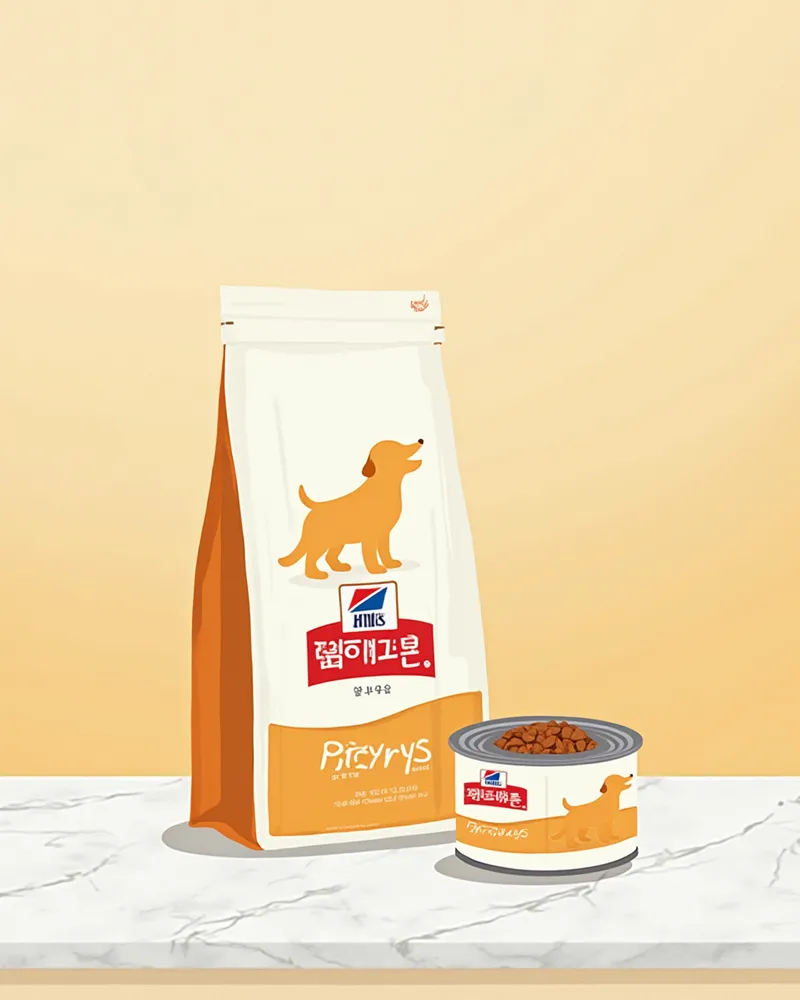
No. 1 — Hill’s Prescription Diet h/d
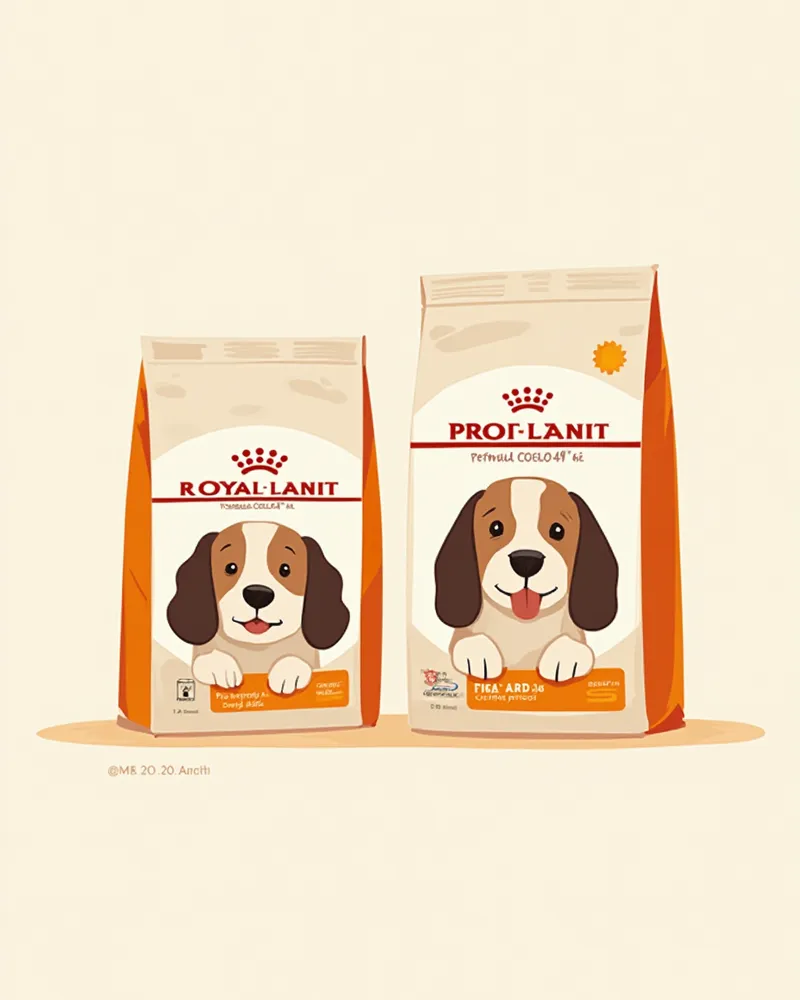
No. 2 & 3 — Royal Canin Cardiac & Purina Pro Plan CC
Important Checks When Switching to a Prescription Diet
Prescription diets must be purchased only after verification by a veterinarian. Excessively low sodium levels can actually be harmful; since dogs are not as sensitive to sodium as humans, overly restrictive sodium limitation from the early asymptomatic stage may do more harm than good. When transitioning from a regular diet to a prescription diet, gradually mix the new food with the old over a period of at least 3–5 days to prevent digestive upset and food refusal. In cases of acute heart failure, delay changing the diet. Even while feeding a prescription diet, regular monitoring of weight, muscle condition, and heart status at a veterinary clinic is essential for proper management.
Essential Checkpoints When Feeding a Prescription Diet

Seek Veterinary Care Within 24 Hours If You Notice These Symptoms
Even while your pet is on prescription medication, seek immediate veterinary care if you notice any of the following symptoms: a noticeably rapid resting respiratory rate or labored breathing, sudden fainting or collapse, visible swelling of the abdomen or chest, pale or bluish gums and tongue, or persistent severe loss of appetite and lethargy. Do not hesitate—have your pet examined by a veterinarian within 24 hours.
Reviewed by a veterinarian

Dr. Tony — Punnawat Phongkittirak
VeterinarianA veterinarian who majored in veterinary medicine at Khon Kaen University, Thailand, and completed the IVSA program at North Carolina State University in the United States. Drawing on clinical experience at animal hospitals, he works in the pet healthcare field and is dedicated to building a digital care environment that connects pet parents with veterinarians.
Reviewed 2026-05-28
Frequently Asked Questions
Can I buy prescription pet food online without a prescription?
Should I feed my pet a prescription diet even in the early stages of heart disease?
Can I give taurine and omega-3 supplements separately while feeding a prescription diet?
How do you give medication to a dog that refuses to take it?
Can I replace prescription diets with homemade meals?
Share
Related Guides

Coenzyme Q10 Benefits and Administration Guide
Dog Pulmonary Edema Warning — 7 Best Diuretics (Furosemide) for Heart Management

7 Best Prescription Diets for Feline Heart Disease Recommended by Veterinarians — Criteria for Choosing Low-Sodium Food

7 Signs of Feline Oral Ulcers You Shouldn’t Miss, as Told by a Veterinarian

7 Warning Signs of Oral Pain in Cats and Management Tips Recommended by Veterinarians

Top 7 Cat Oral Hygiene Products Selected by Veterinarians — How to Choose Based on Ingredients and Efficacy

7 Signs of Feline Oral Fungal Infection and Management Tips for Bad Breath and Ulcers

7 Essential Management Points for Feline Oral Cysts Highlighted by Veterinarians

Oral Bacteria in Cats Linked to Heart and Kidney Disease? 7 Key Oral Care Tips to Prevent Systemic Conditions

Veterinarian-Recommended Top 7 Products for Managing Feline Malocclusion — Including Selection Criteria
References
[1] Fascetti AJ, Delaney SJ. Applied Veterinary Clinical Nutrition, 2nd Ed. Chapter 8: Commercial and Home-Prepared Diets. Wiley-Blackwell, 2022.
[2] Schaer M, Gaschen F. Clinical Medicine of the Dog and Cat, 4th Ed. Chapter 25: Elements of Therapy — Commercial Liquid and Therapeutic Diets. CRC Press, 2022.
[3] Freeman LM et al. Beneficial effects of omega-3 fatty acids in cardiovascular disease. J Small Anim Pract. 2010;51(9):462-470.
[4] Sanderson SL. Taurine and carnitine in canine cardiomyopathy. Vet Clin North Am Small Anim Pract. 2006;36(6):1283-1298.