Like
Share
멍실장
강아지 관절 수술 후 회복식 추천 TOP 5 — 회복기 영양 균형 사료

Top 5 Recommended Recovery Diets for Dogs After Joint Surgery — Nutritionally Balanced Food for the Recovery Period

JointTop PicksMeongsiljang Veterinary Advisory Board

This recovery diet for dogs after joint surgery is a prescription and functional food designed to quickly restore appetite and muscle loss caused by surgery while minimizing joint stress through balanced nutrition.

What Is a Post-Operative Joint Recovery Diet for Dogs?

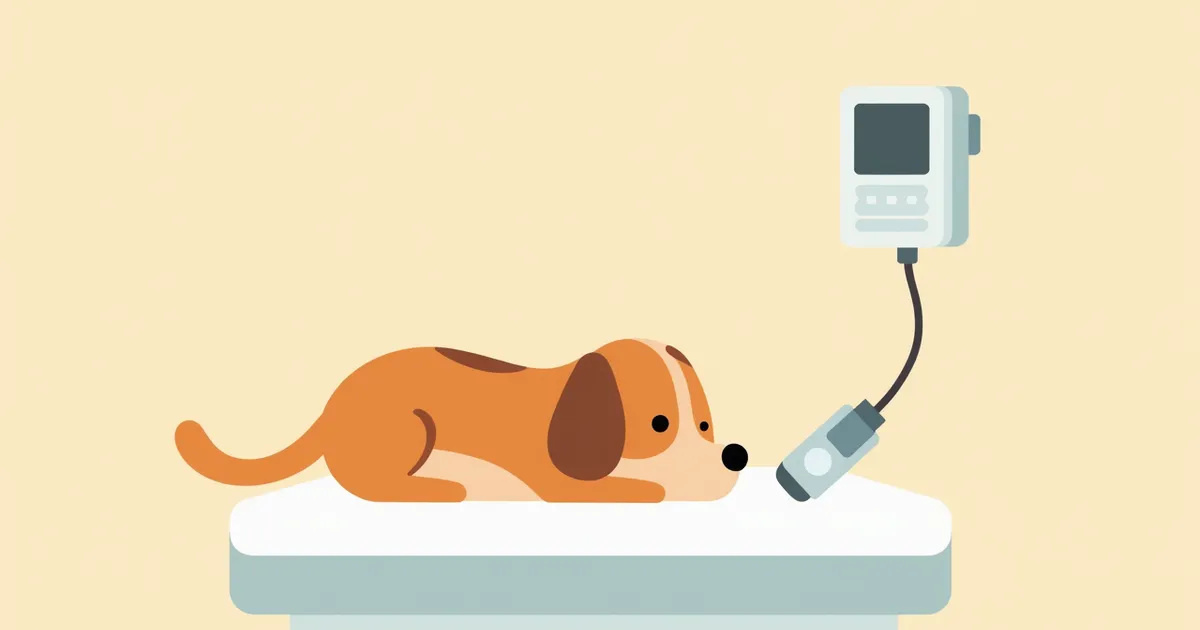
A puppy recovering after surgery is shown eating its recovery meal.
Post-operative joint recovery diets for dogs are prescription or functional foods formulated to restore appetite and muscle mass lost during surgery while minimizing stress on the joints. During the recovery period, it is important to provide sufficient high-quality, easily digestible protein. Veterinary clinical nutrition indicates that adequate protein intake supports tissue and bone healing and accelerates recovery. Omega-3 fatty acids are also included in recovery diets because they are known to reduce inflammation and aid healing. However, evidence supporting the addition of joint supplements such as glucosamine and chondroitin is limited, so it is best to consult your veterinarian before including them. It is widely recognized that restoring voluntary food intake as soon as possible, once gastrointestinal function has normalized, aids recovery. Start with the prescription or recovery-specific diet recommended by your veterinarian, and gradually transition back to your dog’s regular diet over several days.

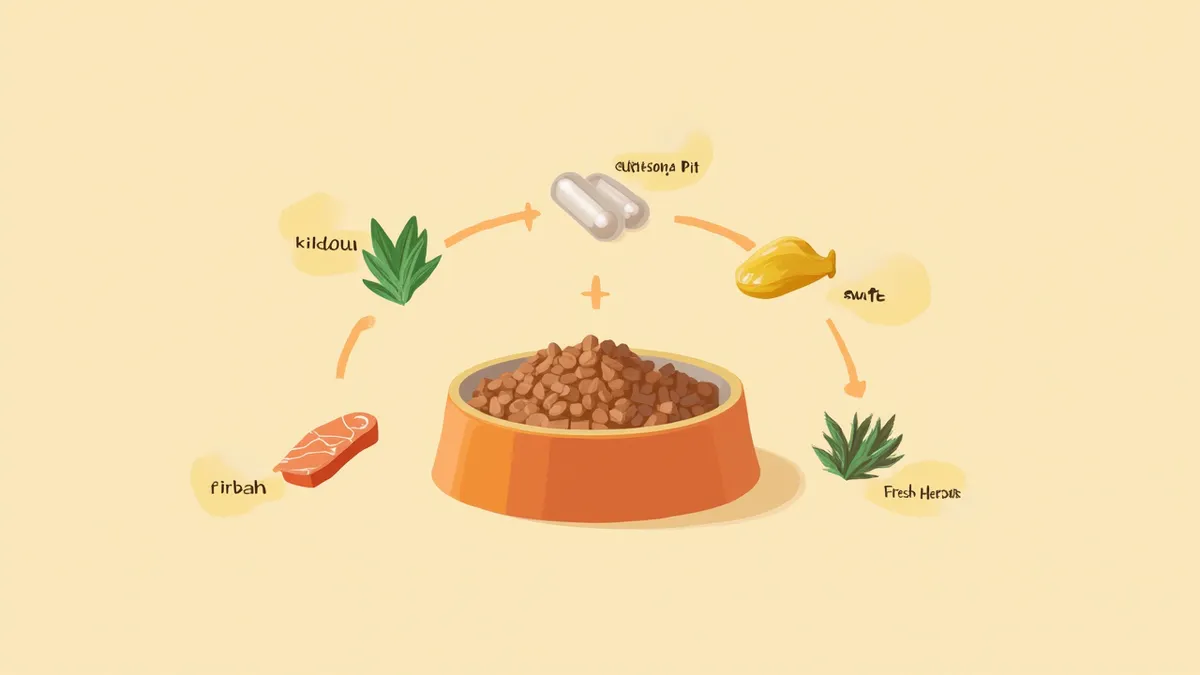
5 Key Nutritional Criteria to Check When Selecting a Recovery Diet
5 Key Nutritional Criteria to Check When Selecting a Recovery Diet
Joint surgery recovery diets differ from standard adult dog food in their nutritional composition. Here’s how they compare across five key factors:
High-quality protein: Easily digestible, adequate protein helps prevent muscle loss and supports tissue and bone healing.
Appropriate calorie content and digestibility: Provides the necessary calories for recovery in smaller portions while reducing digestive burden.
Omega-3 fatty acids (EPA and DHA): Helps reduce inflammation at the joint and surgical site, aiding recovery.
Joint-supporting ingredients: The efficacy of components like glucosamine and chondroitin is limited by evidence, so consult your veterinarian before adding them.
Palatability and digestive stability: Ensure the food is appealing even when appetite is low and that it digests well without causing upset.
After surgery, appetite often decreases, so prioritize foods that are both palatable and easy to digest. Choose a recovery diet that provides the necessary protein and calories to support healing.

Key Points to Keep in Mind for Post-Operative Recovery Diets

ItemKey Points
Selection CriteriaEasily digestible, palatable, with quality protein and appropriate calories
Prioritize Prescription DietIf your vet recommends a recovery-phase prescription diet, consider it first
Feeding TipsWarm it up or soften it; transition food gradually over several days
Weight ManagementWatch for obesity due to reduced activity; maintain a proper weight to reduce joint strain
ConsultationDiscuss supplements, suitable recovery diets, and persistent loss of appetite with your vet

This is not a table recommending specific products or devices, but key points to reference for at-home care. Always consult your veterinarian for interpreting measurements and making treatment decisions.

Key Point 1: What to Look for When Choosing a Recovery Diet

During the recovery period after joint surgery, it is crucial to provide a diet that is palatable, easily digestible, and rich in the nutrients needed for healing. When choosing a recovery diet, look for one that is gentle on the stomach, highly palatable, and contains high-quality protein and appropriate calorie levels to support recovery. Since appetite often decreases after surgery, warming the food or offering it in a softer form can help. If your veterinarian recommends a specific prescription recovery diet, prioritizing that option is the safest approach. Avoid switching to a new food abruptly, as this can lead to digestive issues.
Recovery food, what should we look for when choosing? Related guide image

Key Point 2: Pay Attention to Feeding Methods and Food Transition

Right after surgery, your pet may have little appetite, so warming the food or making it softer and offering small, frequent meals can help. When transitioning from their regular food to a recovery diet, avoid making the switch all at once; instead, gradually adjust the ratio over several days to minimize digestive upset. Ensure they have plenty of water to drink, and monitor their appetite, any vomiting, and stool quality to adjust portion sizes accordingly. Once the recovery phase is over, consult your veterinarian to determine the best time to return to their regular diet.

Essential Principles to Follow When Feeding Immediately After Surgery

Immediately after surgery, begin offering small amounts of food only after the anesthesia has fully worn off and at the time recommended by your veterinarian. Giving a full, normal meal all at once can lead to vomiting or aspiration (food entering the lungs), so start with small portions to monitor your pet’s response and gradually increase the amount. If your pet vomits or remains lethargic, withhold food until the symptoms subside. After vomiting, observe for several hours for any signs of aspiration, such as coughing or dry heaving. Contact your clinic immediately if your pet refuses to eat voluntarily or continues to vomit repeatedly after eating. Do not add any supplements, bone broth, or raw foods that you believe may benefit the surgical site; only introduce recovery diets or other foods after consulting with your veterinarian.

Key Point 3: Consult Your Veterinarian About Weight Management and Supplements

During recovery, reduced activity can lead to weight gain, which places additional stress on the joints; therefore, maintaining an appropriate body weight is crucial. Adjust food portions based on your pet’s recovery progress and activity level, and consult your veterinarian to determine whether joint health supplements (such as glucosamine and omega-3 fatty acids) are appropriate and which recovery diet best suits your pet. If loss of appetite persists or digestive issues continue, seek veterinary care, as these problems can hinder the recovery process.
Consult your veterinarian about weight management and supplements. Related guidance image

Key Ingredient Card for Joint Recovery Diets

Safe

EPA+DHA(오메가-3)

관절 염증 완화, 통증 감소

Dosage: 체중 1kg당 50~75mg/일

JAVMA 2010 다기관 임상

Safe

글루코사민(Glucosamine)

연골 구성·회복 보조

Dosage: 체중 1kg당 15~20mg/일

Safe

콘드로이틴(Chondroitin Sulfate)

연골 분해 억제

Dosage: 체중 1kg당 10~15mg/일

Safe

녹색입홍합(GLM)

천연 항염, 관절 부드러움 유지

Dosage: 사료 내 함량 기준

Caution

MSM

항산화·항염 보조

Dosage: 200~500mg/일

장기 데이터 제한적

Recovery Diet Selection Guide by Weight and Age

Small breeds (under 10 kg): Start with calorie-dense recovery formulas like Recovery or a/d canned food — these help meet caloric needs with smaller portions. Medium to large breeds (over 10 kg): Recovery diets with higher fat content, such as Purina CN, are beneficial for maintaining body weight. Senior dogs (8 years and older): Since kidney function may be compromised, double-check protein and phosphorus levels with your veterinarian. Dogs prone to obesity: After the recovery period, transition to joint-specific formulas with controlled calories, such as Mobility or j/d. These guidelines apply regardless of the type of surgery (patellar, hip, or cruciate ligament). For more details about the surgery itself, please refer to our Dog Patellar Luxation Surgery Guide.

Reviewed by a veterinarian

Dr. Tony — Punnawat Phongkittirak

Dr. Tony — Punnawat Phongkittirak

Veterinarian

A veterinarian who majored in veterinary medicine at Khon Kaen University, Thailand, and completed the IVSA program at North Carolina State University in the United States. Drawing on clinical experience at animal hospitals, he works in the pet healthcare field and is dedicated to building a digital care environment that connects pet parents with veterinarians.

Frequently Asked Questions

How long should I feed my pet recovery food after surgery?
Recovery diets are designed to help pets eat well and digest food easily right after surgery. Once recovery is stable, you can transition back to their regular diet or one tailored for joint care. The timing and duration of this transition depend on your pet’s recovery progress, so please consult your veterinarian to determine the best plan. Feeding a recovery diet exclusively for an extended period may lead to nutritional imbalances.
Can I give my pet a recovery formula and a joint supplement at the same time?
Joint-specific diets often contain glucosamine and chondroitin, so consult your veterinarian before adding any additional supplements. Overlapping ingredients or an imbalance in calcium and phosphorus levels could pose risks.
What should I do if my pet has no appetite after surgery?
Warm liquid or paste recovery food to a lukewarm temperature to enhance its aroma, then offer small amounts by hand or syringe. If your pet continues to refuse food voluntarily, inform your veterinarian; they may recommend nutritional support via a feeding tube if necessary.
Can I substitute it with a homemade recovery diet?
Homemade diets can be difficult to balance nutritionally, so we don’t recommend them in the short term right after surgery. Once your pet’s recovery is stable, it’s safest to transition to a prescription recipe formulated by a veterinary nutritionist.
The cost of recovery food is a bit of a burden. Can I substitute it with regular pet food?
Costs vary significantly depending on the clinic, the specific tests performed, and your pet’s condition. For an exact estimate, please contact the clinic where you plan to receive treatment directly.

Share

Related Guides

References

[1] Fascetti AJ, Delaney SJ. Applied Veterinary Clinical Nutrition, 2nd Ed. Wiley-Blackwell, 2023. Ch. 8 Commercial and Home-Prepared Diets

[2] Schaer M, Gaschen F. Clinical Medicine of the Dog and Cat, 4th Ed. CRC Press, 2017. Section V Ch. 25 Nutritional Support of Hospitalized Patients

[3] Roush JK et al. Multicenter veterinary practice assessment of the effects of omega-3 fatty acids on osteoarthritis in dogs. JAVMA, 2010

This information is based on veterinary literature and does not replace diagnosis or treatment. Please consult a veterinarian for specific health concerns.

Metapet Co., Ltd. | CEO: Park Sung-yong | Business Reg. No. 417-88-02562 | Seoul, South Korea | Customer Center

Top 5 Recovery Diets for Dogs After Joint Surgery | Meongsiljang