Like
Share
멍실장
강아지 슬개골 수술 과정과 회복 가이드

Dog Patellar Surgery Process and Recovery Guide

JointQ&AMeongsiljang Veterinary Advisory Board

How is patellar surgery performed in dogs, and how long does recovery take? We’ve outlined the characteristics of each surgical method and step-by-step recovery care guidelines.

Is Patellar Surgery Necessary?

An illustration of a puppy undergoing a knee examination at a veterinary clinic.
Patellar surgery for dogs is an orthopedic procedure that corrects the bone and soft tissues to stabilize the dislocated kneecap in its proper position. Surgery is also considered for stage 2 cases if intermittent lameness recurs and shows a worsening trend. In contrast, for asymptomatic stage 1 cases, management typically focuses on weight control and improving the living environment rather than surgery.

What Happens If Surgery Is Delayed?

If the dislocation persists, the patella will keep riding up over the trochlear ridge, wearing down the articular cartilage and gradually weakening the surrounding tissues, which can lead to degenerative joint disease. According to veterinary orthopedic textbooks, recurrent patellar luxation can cause eburnation (severe wear) of the articular cartilage on both the trochlear ridge and the patella. Leaving the patella out of place subjects the knee joint to continuous abnormal forces, and prolonged instability can damage other structures within the joint. Therefore, if your veterinarian recommends surgery, it is beneficial for recovery to proceed before the optimal timing is missed.

Surgical Method ① Trochleoplasty

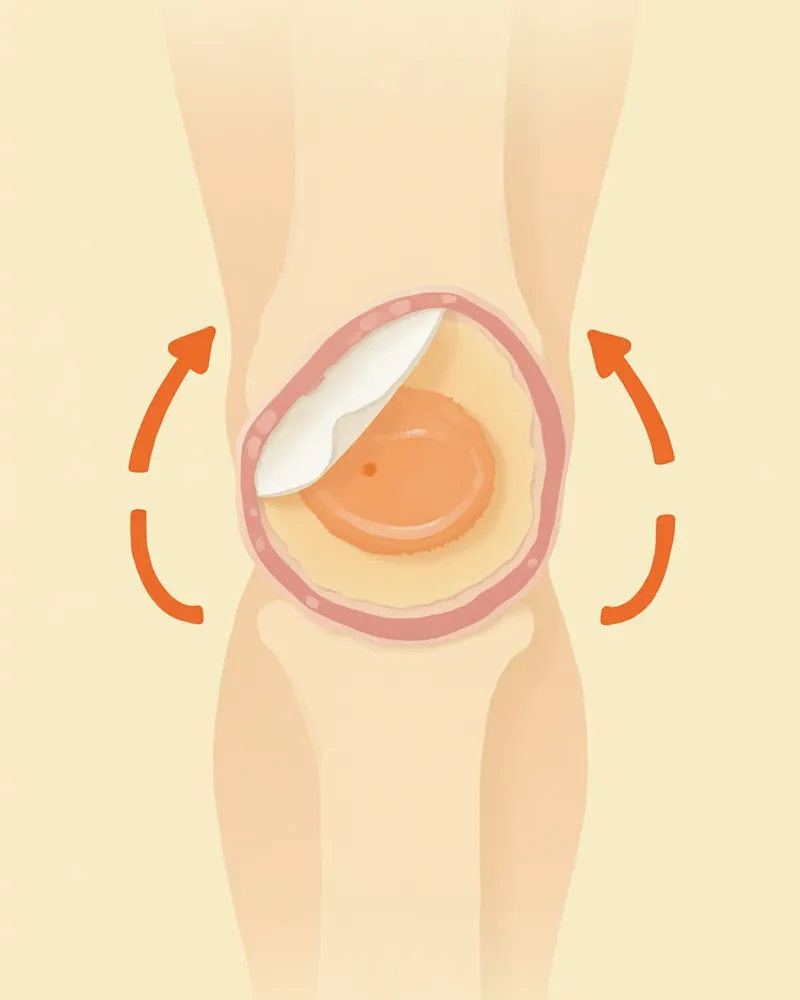
If the groove in the femur (trochlear groove) where the patella sits is shallow, the patella is more likely to dislocate. This surgery deepens the groove to help the patella stay securely in place. According to veterinary orthopedic textbooks, the procedure involves cutting the cartilage and bone in a V-shape, deepening the groove, and then covering it back with a cartilage flap. It is one of the most common surgical techniques used to correct patellar luxation.
Illustration of the concept of pulley surgery

Surgical Method ② Tibial Tuberosity Transposition

This surgery involves moving and securing the part of the tibia (shinbone) where the ligament that pulls on the patella attaches, shifting it outward. This helps correct the alignment of the quadriceps-patella-ligament complex. In practice, trochleoplasty and tibial tuberosity transposition are often performed together. Additionally, a capsular plication may be added to tighten the loosened joint capsule. The appropriate combination of procedures is determined by the veterinarian based on X-rays and a physical examination.

Post-Operative Recovery Stages

Post-operative care is just as crucial as the success of the surgery itself. Here is the recovery timeline emphasized in veterinary orthopedic textbooks.
PeriodCare FocusPrecautions
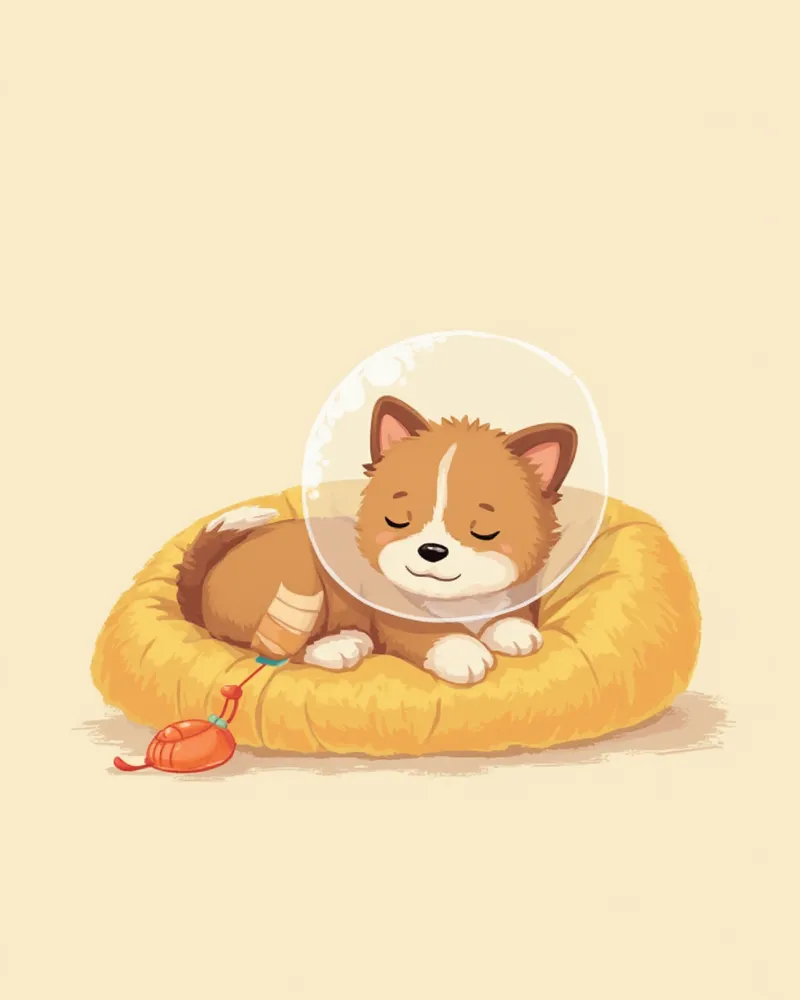
1–2 weeks post-surgeryCage rest, wear an Elizabethan collarPrevent licking of the wound; schedule regular X-rays
3–6 weeks post-surgeryBegin short walks on flat groundAbsolutely no jumping or stairs
6–8 weeks post-surgeryAquatic rehabilitation (hydrotherapy)Monitor for weight gain
3 months post-surgeryGradual return to normal activityContinue regular check-ups

Home Care Tips During Recovery

Cage rest is essential: In the early post-operative period, minimize your pet’s activity. Running around can strain the surgical site.
Pay special attention to weight management: Reduced activity can lead to weight gain. Excess weight places direct stress on the surgical site.
Underwater rehabilitation is effective: Swimming helps strengthen muscles without putting pressure on the joints.
Provide a slip-resistant environment: Slipping can cause re-injury to the surgical site.
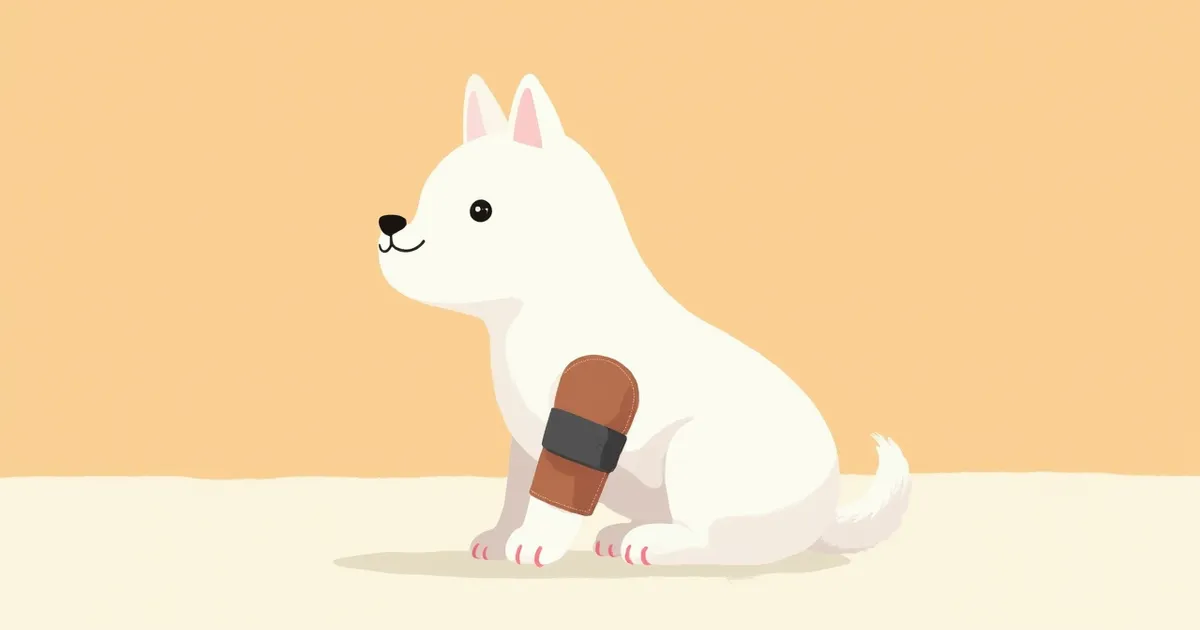
Please also refer to our Brace Selection Guide and Symptom Guide.
Illustration of a dog recovering while wearing a neck collar

Surgery Costs Vary by Clinic

The cost of patellar surgery varies significantly depending on the stage of the condition, the surgical method used, and the veterinary clinic. You can receive an accurate cost estimate after an X-ray examination during your consultation with the veterinarian. While cost is an important factor, it is best to choose a clinic based on the veterinarian’s experience in orthopedics and the quality of their facilities.

Reviewed by a veterinarian

Dr. Tony — Punnawat Phongkittirak

Dr. Tony — Punnawat Phongkittirak

Veterinarian

A veterinarian who majored in veterinary medicine at Khon Kaen University, Thailand, and completed the IVSA program at North Carolina State University in the United States. Drawing on clinical experience at animal hospitals, he works in the pet healthcare field and is dedicated to building a digital care environment that connects pet parents with veterinarians.

Frequently Asked Questions

Can patellar surgery recur?
While the success rate of the surgery is high, the patella can dislocate again (recur) if post-operative care is inadequate or weight management is not properly maintained. Veterinary orthopedic textbooks also highlight recurrence as a major complication, emphasizing that post-operative care is key to preventing relapse.
Can both legs be operated on at the same time?
Generally, we operate on one leg at a time. Performing surgery on both legs simultaneously can make rehabilitation difficult because the pet would have no weight-bearing leg during recovery. The timing for the second surgery is determined by the veterinarian after directly assessing the recovery progress from the first procedure.
Will my pet be able to run around normally after surgery?
Most dogs can resume normal activity after surgery. According to veterinary orthopedic textbooks, if recovery goes smoothly, they can gradually return to normal activity within about 6 to 8 weeks. Consistent rehabilitation exercises greatly help speed up the recovery process.
Is there anything I need to prepare before the surgery?
Your pet will undergo pre-surgical blood tests and a pre-anesthetic evaluation. Fasting is required on the day of surgery, so please prepare a recovery cage and an Elizabethan collar in advance.

Share

Related Guides

References

[1] Textbook of Veterinary Orthopaedic Surgery — Chapter 11: Patellar Luxation Surgical Techniques

[2] Clinical Medicine of the Dog and Cat, 4th Ed — Chapter 15: Musculoskeletal Disorders

[3] 100 Top Consultations in Small Animal General Practice — Patellar Luxation Management

This information is based on veterinary literature and does not replace diagnosis or treatment. Please consult a veterinarian for specific health concerns.

Metapet Co., Ltd. | CEO: Park Sung-yong | Business Reg. No. 417-88-02562 | Seoul, South Korea | Customer Center

Dog Patellar Luxation Surgery: Process & Recovery Guide | Meongsiljang