
Frequently Asked Questions on Increasing Your Cat’s Water Intake — Key Points Every Pet Owner Should Know
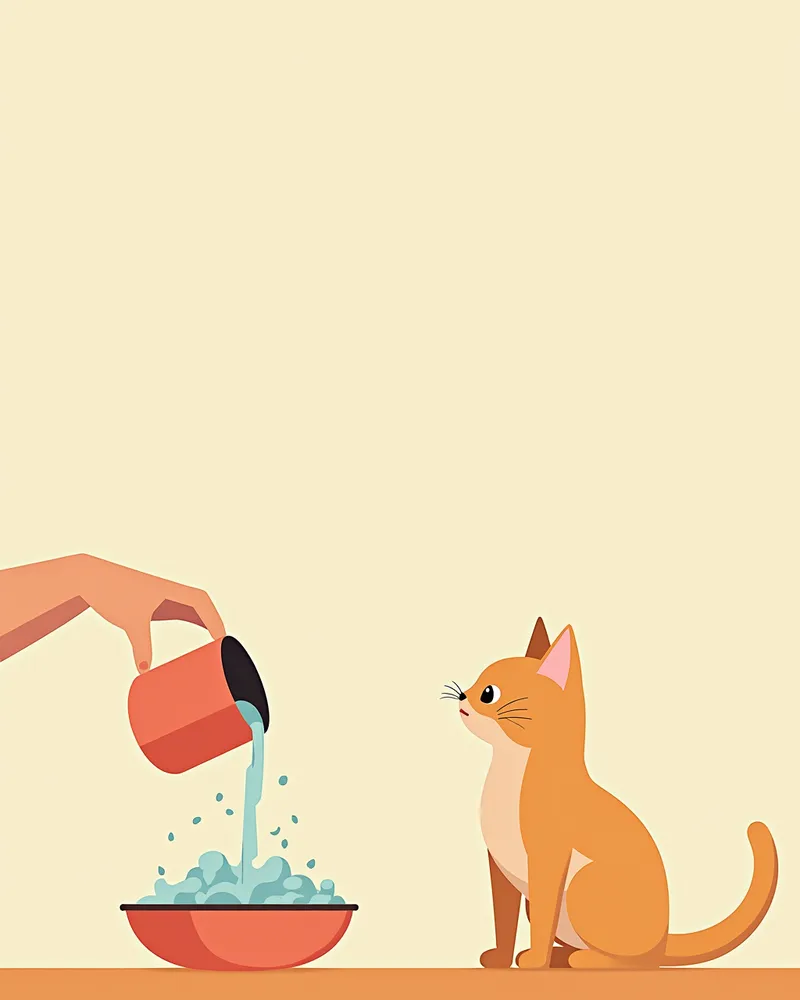
Increasing your cat’s water intake is key to preventing urinary tract diseases and maintaining kidney health. Here are some effective methods that pet owners can implement.
Why Is Increasing Your Cat’s Water Intake Important?
Reasons Why Cats May Not Drink Enough Water

5 Practical Methods to Increase Water Intake
Benefits of Water Fountains and Selection Tips
Comparison: Water Bowl vs. Water Fountain vs. Wet Food Consumption
| Item | Water Bowl | Water Fountain | Canned Food |
|---|---|---|---|
| Effect on increasing water intake | Moderate | High | Very high |
| Cleaning frequency | Daily | At least once a week | Daily |
| Cost | Inexpensive | Medium | High |
| Cat preference | Medium | High | High |
Water fountains and canned food are effective at increasing water intake, but each requires cleaning and storage management. Choosing according to the cat's characteristics is important.
Signs That Require Immediate Veterinary Attention
If your cat stops drinking water entirely, shows a sudden drop in urination frequency, or appears to be in pain while urinating (straining, blood in urine, difficulty urinating, etc.), consult a veterinarian immediately. These signs may indicate urinary tract obstruction (such as a urethral plug or uroliths) or a serious kidney issue. If there’s no improvement even while using a veterinarian-recommended hydration supplement, a vet visit is essential. These symptoms can be life-threatening, so prompt action is necessary.
Daily Management Tips and Checklist

5 Pet Owner Checkpoints
Reviewed by a veterinarian

Dr. Tony — Punnawat Phongkittirak
VeterinarianA veterinarian who majored in veterinary medicine at Khon Kaen University, Thailand, and completed the IVSA program at North Carolina State University in the United States. Drawing on clinical experience at animal hospitals, he works in the pet healthcare field and is dedicated to building a digital care environment that connects pet parents with veterinarians.
Reviewed 2026-06-29
Frequently Asked Questions
My pet won’t drink water even with a fountain. What should I do?
If I feed my pet only canned food, do they no longer need to drink additional water?
Is it okay to add a cat-specific hydration supplement to their water?
Where should I place the water bowl?
Won’t using a water fountain cause bacteria to grow?
Share
Related Guides

Top 5 Prescription Diets for Feline FLUTD — Comparison by Struvite and Calcium Oxalate Stones

Top 7 Prescription Diets for Feline Bladder and Urinary Tract Health Recommended by Veterinarians — Including Selection Criteria

Top 5 Cranberry Urinary Supplements for Dogs — Preventing Cystitis
My Cat Is Urinating Outside the Litter Box — Is It a Simple Mistake or a Sign of Disease?
Why Does Feline Cognitive Dysfunction Occur? — Causes, Behavioral Modification, and Treatment
If Your Cat Repeats the Same Behavior — Signs of Compulsive Disorder and Treatment

What are hookworms in puppies? — Why do anemia and weight loss occur?
Preventing Mammary Tumors in Dogs — Spaying Timing and Risk Reduction Effects

Emergency Response for Cat Exposure to Dangerous Spring Flowers — Tulips, Azaleas, Daffodils

What if a cat eats grapes or raisins? Kidney damage risks and symptoms different from dogs
References
[1] The Cat, Clinical Medicine and Management, 2nd Edition, 2023
[2] A Professional’s Guide to Feline Behaviour: Understanding, Improving and Resolving Problems, 2022
[3] International Society of Feline Medicine Consensus on Feline Lower Urinary Tract Disease, 2021