Like
Share
멍실장
강아지 곡물 프리 사료와 DCM 논란 자주 묻는 질문 Q&A — 보호자가 꼭 알아야 할 핵심

Frequently Asked Questions on the Controversy Between Grain-Free Dog Food and DCM — Key Facts Every Pet Owner Should Know

HeartQ&AMeongsiljang Veterinary Advisory Board

This Q&A clarifies the misconceptions and facts surrounding the link between grain-free dog food and heart disease (DCM). We’ll guide you step by step through the essential information every pet owner should know.

What is the relationship between grain-free dog food and DCM?
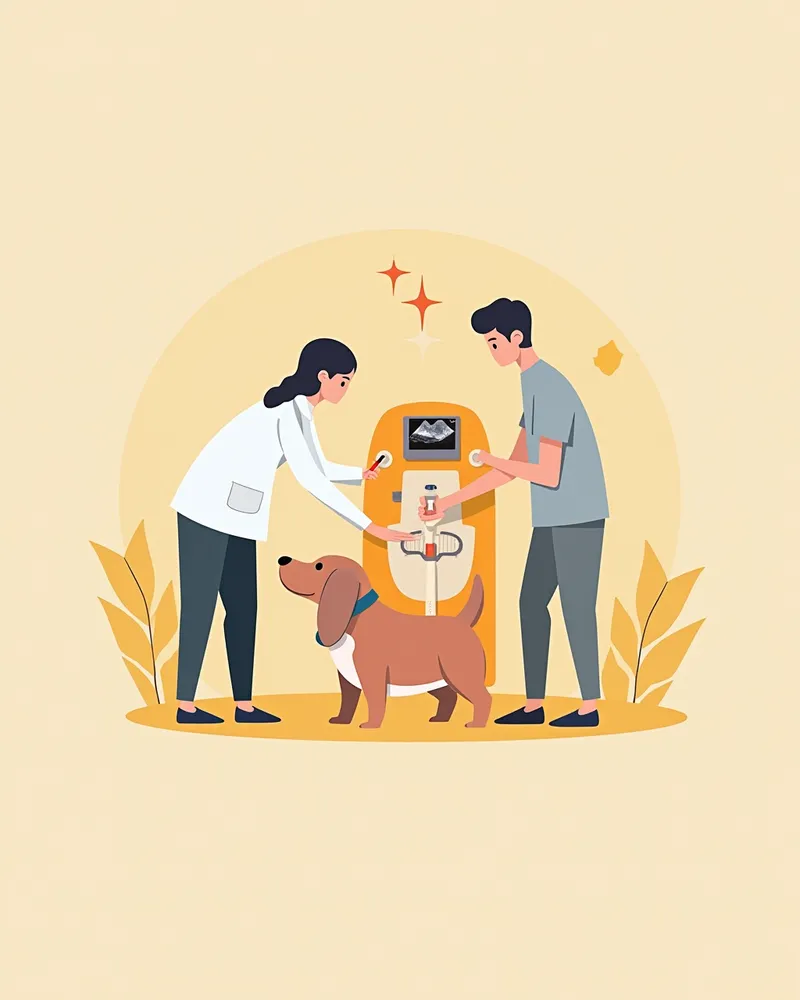
The link between grain-free dog food and dilated cardiomyopathy (DCM) has not yet been definitively proven. However, there are reports suggesting that certain grain-free diets may contribute to the development of DCM. The U.S. Food and Drug Administration (FDA) has noted a possible association between grain-free foods high in legumes such as potatoes, peas, and lentils, and secondary DCM, but a direct causal relationship has not been established. - DCM: A condition in which the heart muscle weakens, causing the heart to enlarge and impairing its ability to pump blood effectively. - Taurine and Nutritional Deficiencies: Deficiencies in certain nutrients, including taurine, can lead to secondary DCM. - Ingredients Under Discussion: Diets containing high levels of potatoes, peas, lentils, and other legumes have been mentioned in connection with DCM, but not all grain-free foods pose a risk. It is essential to carefully review the overall formulation and ingredient quality.
A veterinarian performing an ultrasound examination of a puppy’s heart

What is DCM?

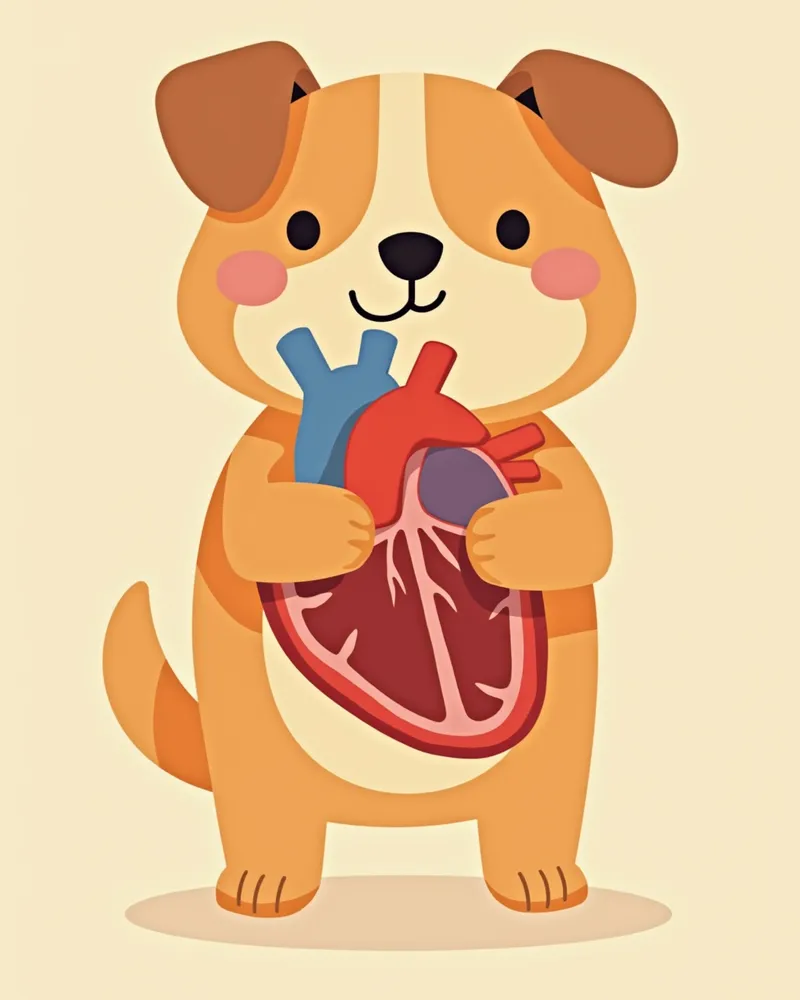
Dilated cardiomyopathy (DCM) is a heart disease in which the heart muscle weakens, the heart enlarges, and it can no longer pump blood effectively. It most commonly affects large and giant breeds, often has a genetic predisposition, and progresses slowly. In the early (latent) stage, symptoms are minimal, which can delay detection. - Reduced cardiac function: Weakened heart contraction (systolic dysfunction) leads to impaired blood circulation. - Importance of early diagnosis: Abnormalities can be detected via echocardiography even during the latent phase, before clinical signs appear. - Progressive disease: While appropriate treatment and management can slow progression and improve quality of life, neglecting the condition can lead to serious complications, so careful monitoring is essential.
An anatomical diagram of a dog's heart showing dilation

Why might grain-free dog food cause DCM?
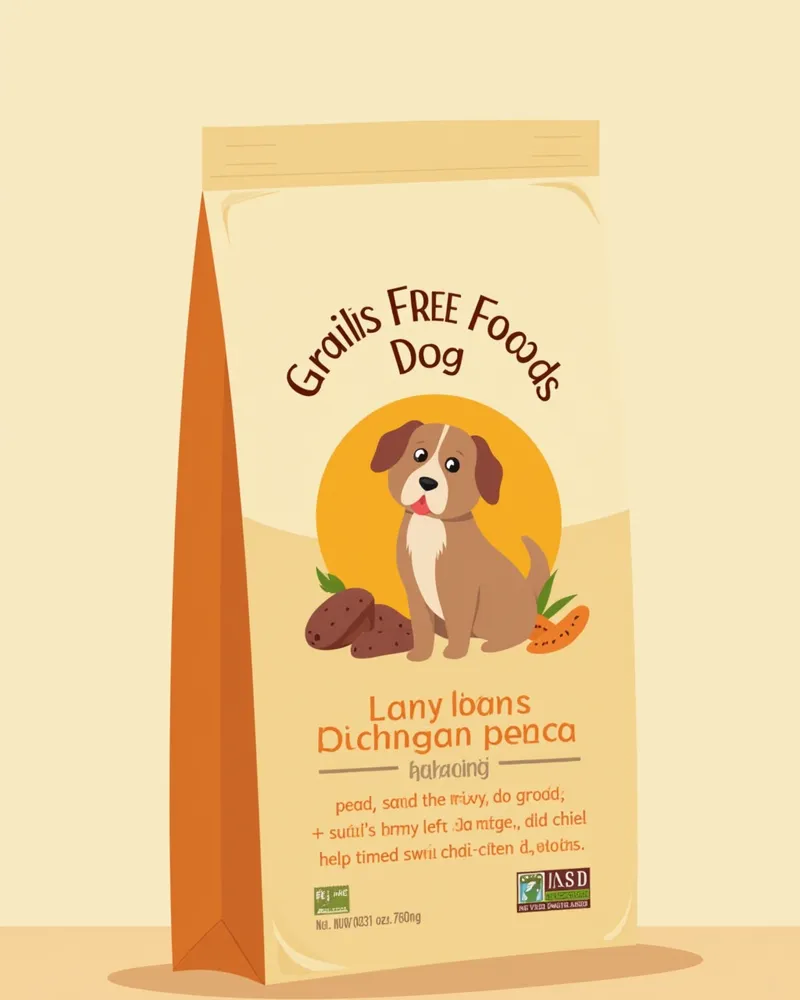
In 2018, the U.S. FDA announced a potential link between grain-free diets high in legumes such as potatoes, peas, and lentils, and secondary dilated cardiomyopathy (DCM). However, a direct causal relationship between these diets and nutritional DCM has not yet been established. - Nutritional Deficiencies and DCM: Deficiencies in certain nutrients, such as taurine, can contribute to secondary DCM. Carnitine also plays a crucial role in transporting fatty acids, which serve as the primary energy source for heart muscle. - Ingredient Associations: While formulations high in legumes like potatoes, peas, and lentils have been discussed as potential factors, not all grain-free diets are risky. The overall composition and balance of ingredients in the diet are key. - Individual Variations: Individual factors, including breed and genetic predisposition, can also influence the development of DCM.
The packaging of a grain-free pet food, with its list of ingredients clearly displayed.

Grain-Free Dog Food vs. Regular Dog Food: Comparing DCM Risk

ItemMain IngredientsDCM RiskRecommendation
Grain-free diet (high in legumes)Potatoes, peas, lentils, etc.Association reported (unproven)Caution needed
Grain-free diet (balanced composition)Balanced ingredients such as chicken and sweet potatoUnclearVeterinary consultation recommended
Regular diet (grain-based)Corn, wheat, riceRelatively lowGenerally acceptable

The link between grain-free diets and DCM has not yet been clearly proven. The overall composition of the food and the individual dog's health status should be considered, so do not judge based solely on whether it is grain-free.

Is it okay to feed your dog a grain-free diet?

Feeding your dog a grain-free diet is possible, but keep in mind that the "grain-free" label doesn't automatically mean it's healthier. It's important to carefully check the overall nutritional balance and ingredient quality of the food. This is especially true for large breed dogs or those with a family history of heart disease, who should be more cautious when choosing a diet. - Nutritional Balance (e.g., Taurine): Make sure the food contains adequate and balanced levels of essential nutrients, including taurine. - Ingredient Composition: Check whether ingredients like potatoes, peas, and lentils — which are legumes — make up a large portion of the formula. - Consult a Veterinarian: It's safest to talk with your vet before switching foods. The best choice depends on your dog's individual health status and needs.
A dining table with puppy food and a veterinarian checklist.

Signs That Require an Immediate Vet Visit

If your dog shows signs of difficulty breathing, coughing, fatigue, decreased urination, or swelling in the chest area, take them to the vet immediately. These could be serious symptoms of dilated cardiomyopathy (DCM), and prompt diagnosis and treatment can save their life.

Five Key Points to Check When Choosing Dog Food

When choosing dog food, be sure to check these five key points: - AAFCO Compliance: Verify that the food meets the nutritional standards for your dog’s life stage, such as growth and reproduction or adult maintenance. - Ingredient List Analysis: Check whether legumes like potatoes, peas, or lentils are included in excessive amounts. - Heart-Health Ingredients: Look for the inclusion of taurine, omega-3 fatty acids, coenzyme Q10, and carnitine. - Manufacturer Reliability: Ensure the company maintains transparent ingredient disclosure and a robust quality control system. - Veterinarian Recommendation: For the safest choice, consult your vet to find a food tailored to your dog’s specific health needs.
Checklist for Choosing Dog Food

Reviewed by a veterinarian

Dr. Tony — Punnawat Phongkittirak

Dr. Tony — Punnawat Phongkittirak

Veterinarian

A veterinarian who majored in veterinary medicine at Khon Kaen University, Thailand, and completed the IVSA program at North Carolina State University in the United States. Drawing on clinical experience at animal hospitals, he works in the pet healthcare field and is dedicated to building a digital care environment that connects pet parents with veterinarians.

Frequently Asked Questions

Are all grain-free diets dangerous?
No, the link between grain-free diets and DCM has not been definitively proven. While the FDA has noted a possible association between diets high in legumes like potatoes, peas, and lentils and secondary DCM, a direct causal relationship has not been established, and not all grain-free diets are considered risky. It’s important to carefully review the overall composition and ingredients.
My dog is on a grain-free diet, and his cardiac exam results are normal. Is that okay?
If the heart examination results are normal, your pet is currently in a safe condition. However, it’s important to regularly monitor their health and consult with your veterinarian to ensure their diet remains appropriate.
Is DCM treatable?
The approach depends on the type of DCM. For hereditary (primary) DCM, which progresses slowly, the goal is to slow disease progression through treatment and management rather than aiming for a cure. In contrast, diet-related (nutritional) DCM has been reported to show partial improvement in heart function with dietary changes. Treatment may include taurine supplementation, cardiac medications, and dietary adjustments, all of which must be administered under a veterinarian’s diagnosis and prescription.
Should I stop feeding my pet a grain-free diet?
Always consult your veterinarian before stopping your pet’s current food. Sudden diet changes can cause digestive upset, so it’s best to transition gradually over at least 3–5 days.
My dog has a family history of heart disease. What kind of food should I choose?
For dogs with a family history of heart disease, it’s best to choose a diet that includes a balanced combination of taurine and omega-3 fatty acids. For the safest approach, consult your veterinarian to get a personalized food recommendation tailored to your dog’s heart health.

Share

Related Guides

References

This information is based on veterinary literature and does not replace diagnosis or treatment. Please consult a veterinarian for specific health concerns.

Metapet Co., Ltd. | CEO: Park Sung-yong | Business Reg. No. 417-88-02562 | Seoul, South Korea | Customer Center

Grain-Free Dog Food & DCM: 5 Key Facts for Pet Owners | Meongsiljang