Like
Share
멍실장
강아지 다이어트 사료, 어떻게 골라야 할까?

How to Choose a Dog Weight-Management Diet?

WeightQ&AMeongsiljang Veterinary Advisory Board

Here’s a summary of the key criteria to check when choosing a dog diet food and the proper method for transitioning to it.

What’s the Key to Choosing a Dog Weight-Management Diet?

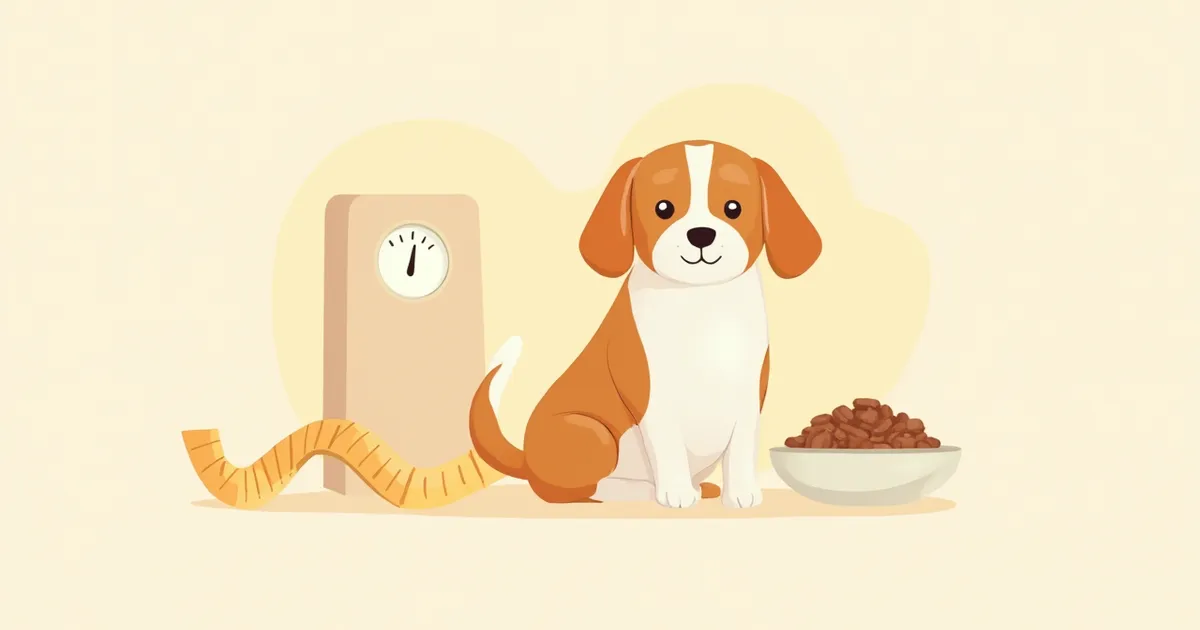
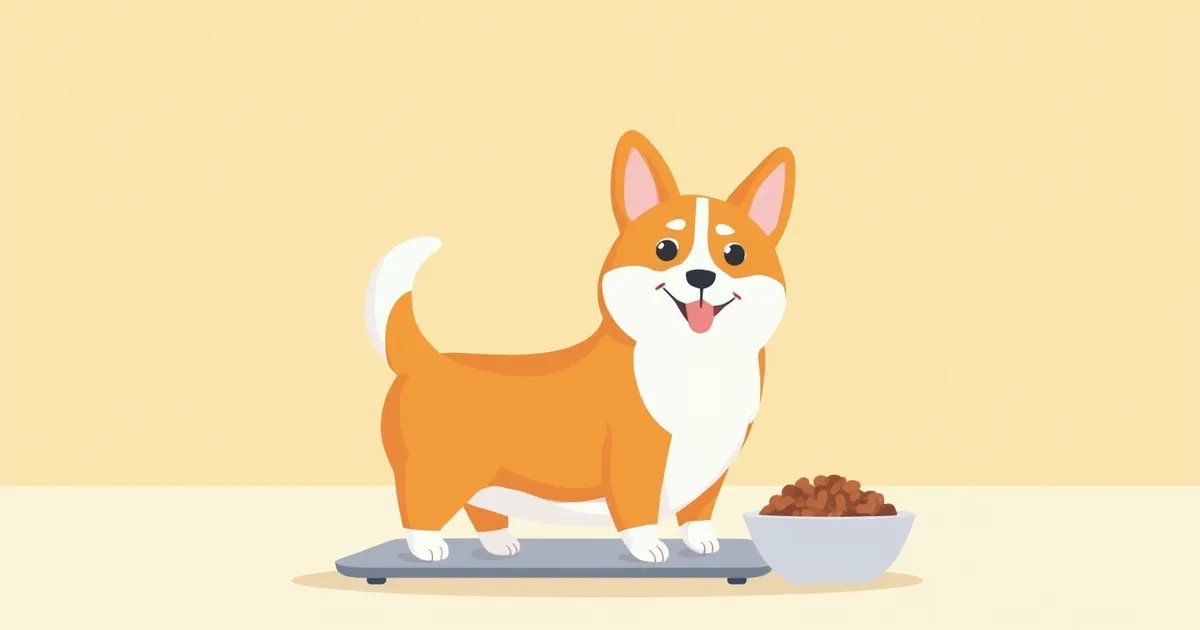
An illustration of a puppy sitting in front of healthy diet food.
The most important thing is to choose a food that maintains adequate protein levels while lowering calorie density. Simply reducing the amount of food can lead to deficiencies in essential nutrients and cause nutritional imbalances, so selecting a diet specifically formulated for weight management is much safer. Weight management diets are designed to provide lower calories while maintaining essential nutrients, even when fed in the same volume. By choosing a formula suited to your pet’s body type and health status, you can help them lose weight healthily without feeling excessively hungry. However, since suitability varies depending on the product and your pet’s individual condition, consulting with a veterinarian is the safest approach if you’re unsure which food is right.

Does My Dog Really Need to Lose Weight?

Before choosing a weight-management diet, it’s important to first confirm whether your dog is truly overweight. The most commonly used standard among veterinarians is the 9-point Body Condition Score (BCS) scale.
BCS 4–5: You can feel the ribs easily with your hand, and there is a slight waistline when viewed from above. This is an ideal body condition.
BCS 6: The ribs are covered with a slight layer of fat but are still palpable. A waistline is present but not pronounced. This indicates mild overweight.
BCS 7: The ribs are difficult to feel due to a thick layer of fat, and fat begins to accumulate around the lumbar and tail base areas. The waistline disappears. This indicates overweight.
BCS 8–9: The ribs are completely obscured by a thick layer of fat and cannot be felt at all. There is no waistline, and fat deposits are clearly noticeable around the lumbar and tail base areas. This indicates obesity.
If your dog scores 6 or higher, consult your veterinarian to develop a tailored weight-loss plan.

Regular Food vs. Weight-Management Food: What’s the Difference?

ItemRegular FoodDiet Food
Calorie DensityRelatively highDesigned to be low
Protein RatioStandard levelKept sufficient to maintain muscle
Fat RatioRelatively highAdjusted to be low
Dietary FiberStandard levelTends to be high for satiety
L-carnitineMostly not includedSome products include it
SatietyModerateTends to be high

Since specific values vary greatly by product, be sure to check the nutritional information label on the back of the packaging and consult your veterinarian about whether the product is right for your pet

Key Points to Check When Choosing a Weight-Management Diet
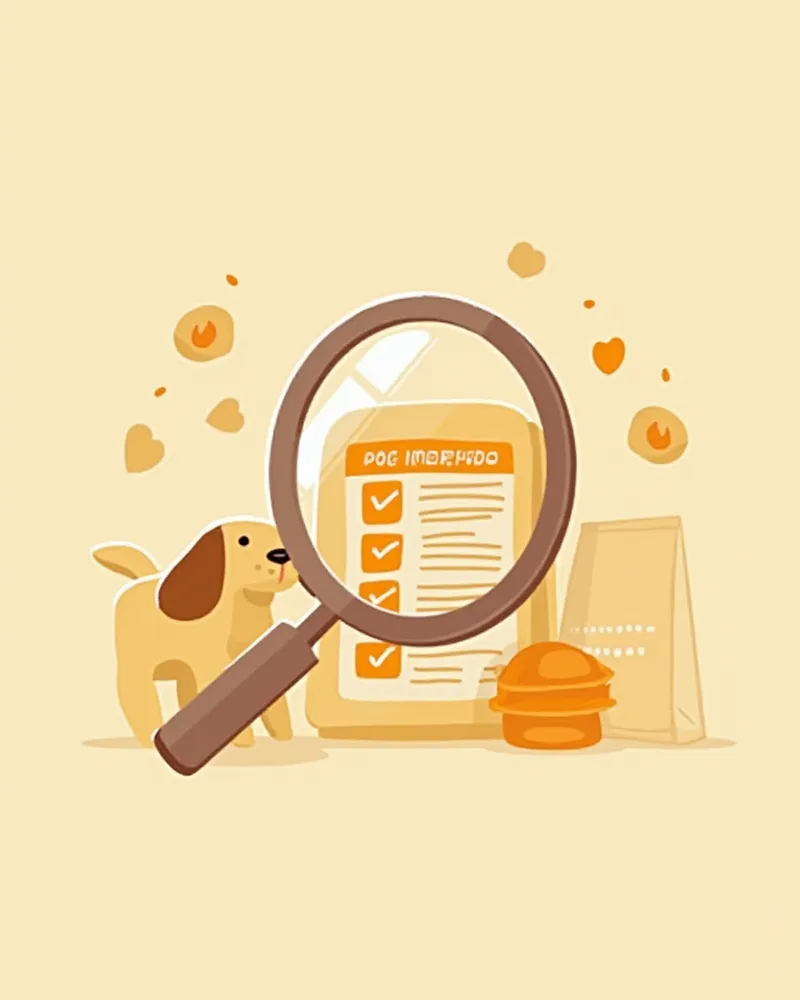
When choosing a weight-management diet, be sure to check the following items.
Caloric density: Opt for products with lower calories per unit of weight. Check the metabolizable energy (ME) value on the packaging and compare it to ensure it is lower than that of standard diets.
Protein ratio: To prevent muscle loss during weight reduction, choose a product with adequate protein. The goal is to reduce fat while preserving muscle mass.
Fat content: Weight-management diets typically have reduced fat levels. Verify that the fat percentage is lower than that of regular diets.
Dietary fiber content: Ample dietary fiber helps maintain a feeling of fullness for longer, which can reduce stress caused by hunger.
Inclusion of L-carnitine: This ingredient is found in some weight-management diets. Consult your veterinarian to determine if it would benefit your pet.
AAFCO compliance: Always verify that the product meets the basic nutritional standards set by the Association of American Feed Control Officials (AAFCO).
An illustration of a magnifying glass examining a nutrition facts label and a bag of pet food.

Simply Reducing the Amount of Regular Food Isn’t Enough

Simply reducing the amount of food lowers calorie intake, but it also leads to deficiencies in essential nutrients like protein, vitamins, and minerals. This can result in muscle loss, a dull and coarse coat, and a weakened immune system. It is essential to switch to a weight-management-specific diet or consult with a veterinarian to create a proper feeding plan.

The Right Way to Transition to a Weight-Management Diet

When changing your pet’s food, it’s important to transition gradually over 7–10 days. Switching too quickly can cause vomiting or diarrhea.
Days 1–3: 75% current food + 25% new food
Days 4–6: 50% current food + 50% new food
Days 7–9: 25% current food + 75% new food
Day 10 onward: 100% new food
Feed according to the recommended amount on the packaging, but adjust as needed while regularly monitoring your pet’s weight. Rapid weight loss can lead to muscle loss or nutritional imbalances, so it’s safest to determine the target rate of weight loss together with your veterinarian.
Two bowls of food illustrating the process of transitioning to a new diet

Weight Management Tips Beyond Diet Food

Diet food alone may not be enough. You also need to change your pet's lifestyle habits for the best results.
Treat Control: Keep treats to no more than 10% of your pet's daily calorie intake. You can also use kibble as training rewards.
Regular Walks: Aim for at least 30 minutes of walking each day. If your pet's joints are healthy, light jogging or swimming can also be beneficial.
Split Meals: Divide meals into 2-3 servings per day to reduce fasting time and prevent overeating.
Family Education: Everyone in the family must follow the treat rules. If even one person secretly gives treats, it can undermine the diet's effectiveness.
An illustration of a healthy puppy taking a walk with its owner.

When to Consult a Veterinarian First

If your pet has an endocrine disorder such as hypothyroidism or Cushing’s disease, simply switching to a different food won’t result in weight loss. Pets with joint or heart conditions may also require a prescription diet rather than a standard weight-management formula. Always schedule a health check-up before starting any weight-loss plan.

Reviewed by a veterinarian

Dr. Tony — Punnawat Phongkittirak

Dr. Tony — Punnawat Phongkittirak

Veterinarian

A veterinarian who majored in veterinary medicine at Khon Kaen University, Thailand, and completed the IVSA program at North Carolina State University in the United States. Drawing on clinical experience at animal hospitals, he works in the pet healthcare field and is dedicated to building a digital care environment that connects pet parents with veterinarians.

Frequently Asked Questions

How quickly will my pet lose weight on a diet food?
Healthy weight loss should be gradual and consistent rather than rapid. Losing weight too quickly can lead to muscle loss or nutritional imbalances. The appropriate weight-loss goal and pace vary depending on your dog’s current health status, so please monitor their weight regularly and consult with your veterinarian to adjust their food portions accordingly.
What should I do if my pet refuses to eat diet food because it tastes worse than regular food?
Sudden changes can lead to refusal. Gradually transitioning over 7–10 days by mixing the new food with the current one usually helps most pets adapt well. If your pet still refuses to eat, try a different brand of diet food or lightly top the kibble with a low-calorie topper.
Can senior dogs eat weight management food?
Yes, senior dogs are actually more prone to obesity because their activity levels tend to decrease. However, the criteria for selecting dog food may vary depending on their kidney and joint health, so it’s safest to consult with your veterinarian before making a decision.
Should I completely stop giving treats?
You don’t need to eliminate treats entirely. Just keep them within 10% of your pet’s daily caloric intake. Instead of commercial snacks, consider using low-calorie options like boiled chicken breast, carrots, or cucumbers.
Can I make my own homemade diet plan?
It is possible, but achieving proper nutritional balance is very difficult. Home-prepared diets made without consulting a veterinary nutritionist carry a high risk of nutritional imbalances. If you wish to feed a homemade diet, be sure to follow recipes formulated by a qualified professional.

Share

Related Guides

References

[1] Fascetti, A.J. & Delaney, S.J., Applied Veterinary Clinical Nutrition, 2nd Edition, Wiley-Blackwell — Chapter 8: Commercial and Home-Prepared Diets

[2] Schaer, M. & Gaschen, F., Clinical Medicine of the Dog and Cat, 4th Edition, CRC Press — Chapter 25: Elements of Therapy, Nutritional Support

[3] Little, S., The Dog Care Handbook: Things I Wish My Vet Had Told Me — Nutrition and Diet

This information is based on veterinary literature and does not replace diagnosis or treatment. Please consult a veterinarian for specific health concerns.

Metapet Co., Ltd. | CEO: Park Sung-yong | Business Reg. No. 417-88-02562 | Seoul, South Korea | Customer Center

How to Choose a Dog Weight-Management Diet | Meongsiljang