

Retained Deciduous Teeth in Puppies: Frequently Asked Questions — Key Information Every Pet Owner Should Know
Retained deciduous teeth in puppies occur when baby teeth fail to fall out naturally, potentially leading to dental alignment issues and oral health problems. Here’s essential information every pet owner should know.
Retained deciduous teeth occur when baby teeth, which should naturally fall out between 4 and 6 months of age, remain in place.

The main causes of retained deciduous teeth are genetic factors and dental alignment issues.
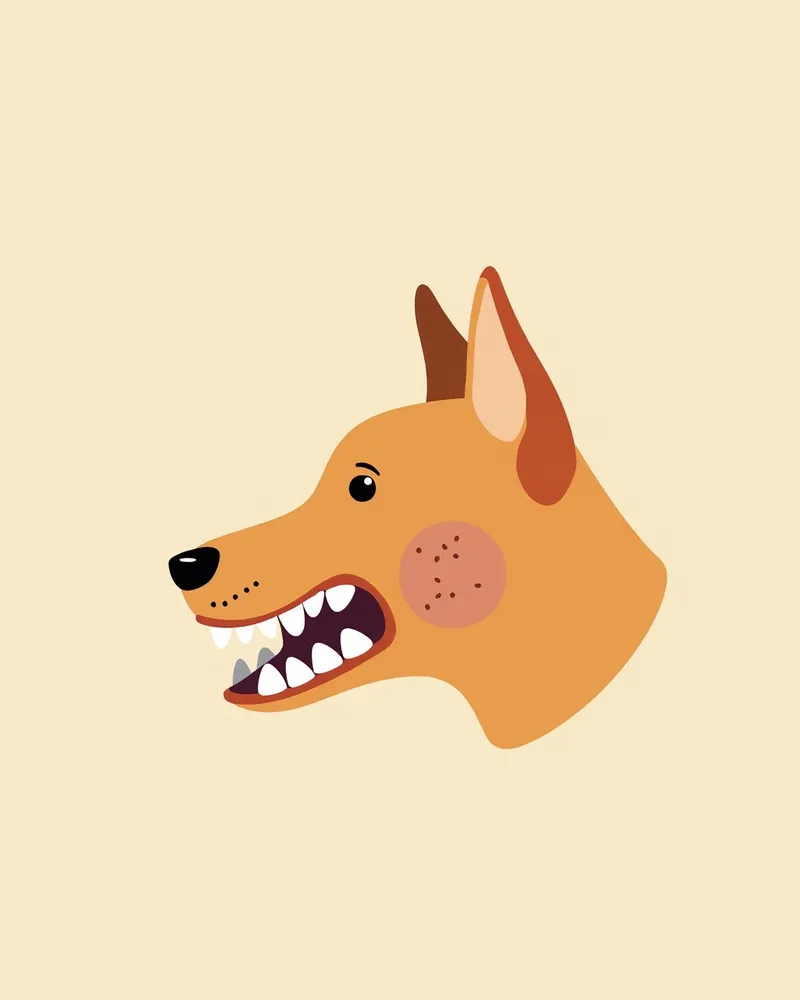
Key signs to check if you suspect retained deciduous teeth.

Retained deciduous teeth can lead to orthodontic problems, so a veterinary examination is essential after six months of age.
Retained baby teeth can cause misalignment and bite problems. If baby teeth are still present after six months of age, they can interfere with the growth of permanent teeth, so it's important to have your pet examined by a veterinarian. Delaying treatment may increase orthodontic costs, and in severe cases, tooth extraction may be necessary.
Diagnosis of retained deciduous teeth is accurately confirmed through a dental examination and X-rays.

Treatment for retained deciduous teeth involves a veterinarian removing the baby teeth to support proper permanent tooth growth.
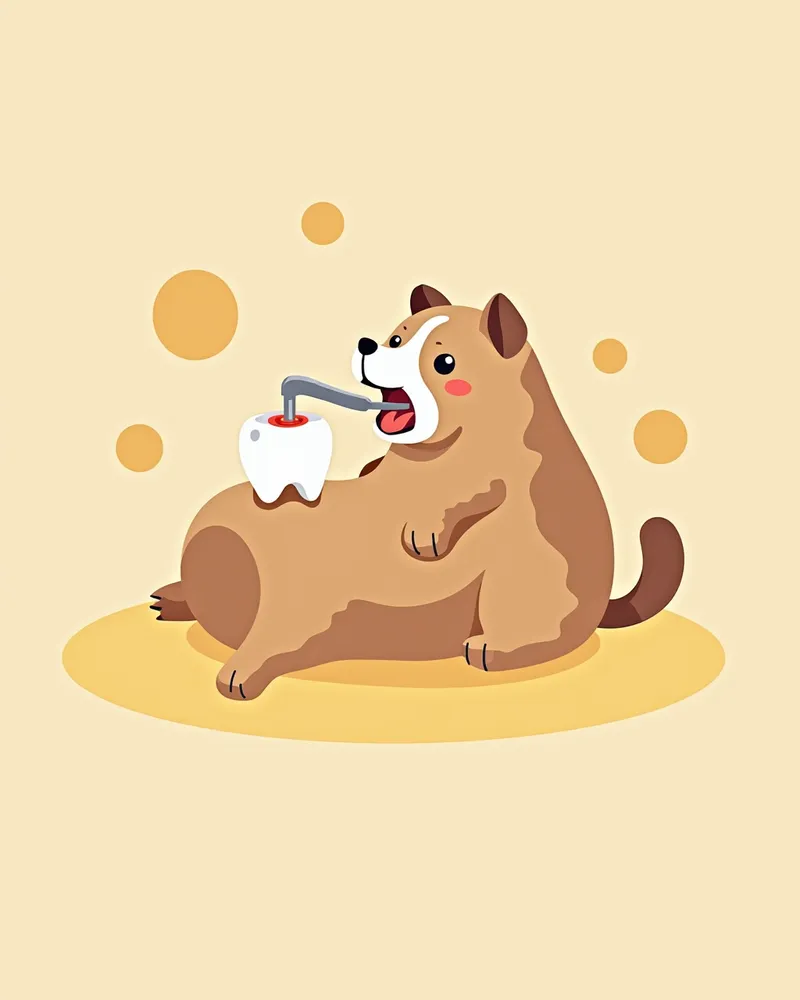
Daily care tips to help prevent retained deciduous teeth.

Step-by-Step Comparison Chart for Managing Retained Deciduous Teeth
| Item | Stage | Symptoms | Management Method | Necessary Action |
|---|---|---|---|---|
| Mild | Deciduous teeth remaining after 6 months of age | Permanent teeth erupting normally | Monitor with regular checkups | Consult a veterinarian |
| Moderate | Permanent teeth erupting crookedly | Swelling or bleeding in the mouth | Deciduous tooth extraction needed | Examination and extraction under anesthesia |
| Severe | Teeth overlapping or crooked | Difficulty eating | Severe bad breath | Immediate veterinary care needed |
Because the timing and method of treatment differ by stage, early detection is important.
The risk of retained deciduous teeth varies by breed; small dogs require particular attention.
Retained baby teeth are more common in certain breeds. In some breeds, especially small dogs and brachycephalic breeds (those with short muzzles), the teeth may be crowded or the jaw may be too small for the baby teeth to fall out naturally. Retained baby teeth are even more common when the upper and lower jaws are uneven in length or when the teeth are tightly packed. We recommend regular dental check-ups for dogs of these breeds or those with abnormal tooth alignment.
Reviewed by a veterinarian

Dr. Tony — Punnawat Phongkittirak
VeterinarianA veterinarian who majored in veterinary medicine at Khon Kaen University, Thailand, and completed the IVSA program at North Carolina State University in the United States. Drawing on clinical experience at animal hospitals, he works in the pet healthcare field and is dedicated to building a digital care environment that connects pet parents with veterinarians.
Reviewed 2026-06-29
Frequently Asked Questions
When should baby teeth fall out?
What problems can occur if baby teeth are not extracted?
Is the removal of baby teeth very painful?
Is there no treatment for retained baby teeth?
How can we prevent retained baby teeth?
Share
Related Guides

7 Best Cat Dental Chews for Tartar Prevention Recommended by Veterinarians and Selection Criteria
Top 5 Recommended Dental Treats for Dogs in 2026 — VOHC Certification Criteria

7 Criteria for Choosing Dog Tartar Prevention Dental Chews Recommended by Veterinarians
Frequently Asked Questions About Hypoglycemia in Puppies — Key Information Pet Owners Must Know
What Is Hypocalcemia in Dogs? — Warning Signs You Can’t Miss and Emergency Response
Canine Hyperglycemia FAQ — Key Information Every Pet Owner Should Know
Dog Hypercalcemia FAQ — Key Information Every Owner Must Know
Complete Guide to Monitoring Your Dog’s Blood Glucose Curve — From Methods to Interpreting Values
What Is Canine Diabetic Ketoacidosis? — Emergency Warning Signs You Must Not Miss
How to Choose Dog Food for Diabetes — What Is the Correct Feeding Method?
References
[1] Collins BK, Collier LL, Johnson GS, et al. Familial cataracts and concurrent ocular anomalies in chow chows. J Am Vet Med Assoc. 1992;200(10):1485–1491.
[2] Saraiva IQ and Delgado E. Congenital ocular malformations in dogs and cats: 123 cases. Vet Ophthalmol. 2008;11(2):75–83.
[3] Scott JP and Fuller JL. Genetics and the Social Behaviour of the Dog. University of Chicago Press, 1965.