Like
Share
멍실장
강아지 고관절 이형성증 증상과 관리

Symptoms and Management of Hip Dysplasia in Dogs

JointQ&AMeongsiljang Veterinary Advisory Board

We’ve put together a guide covering the causes of hip dysplasia in dogs, a symptom checklist, treatment options by severity grade, and key points for home care.

What Is Hip Dysplasia in Dogs?
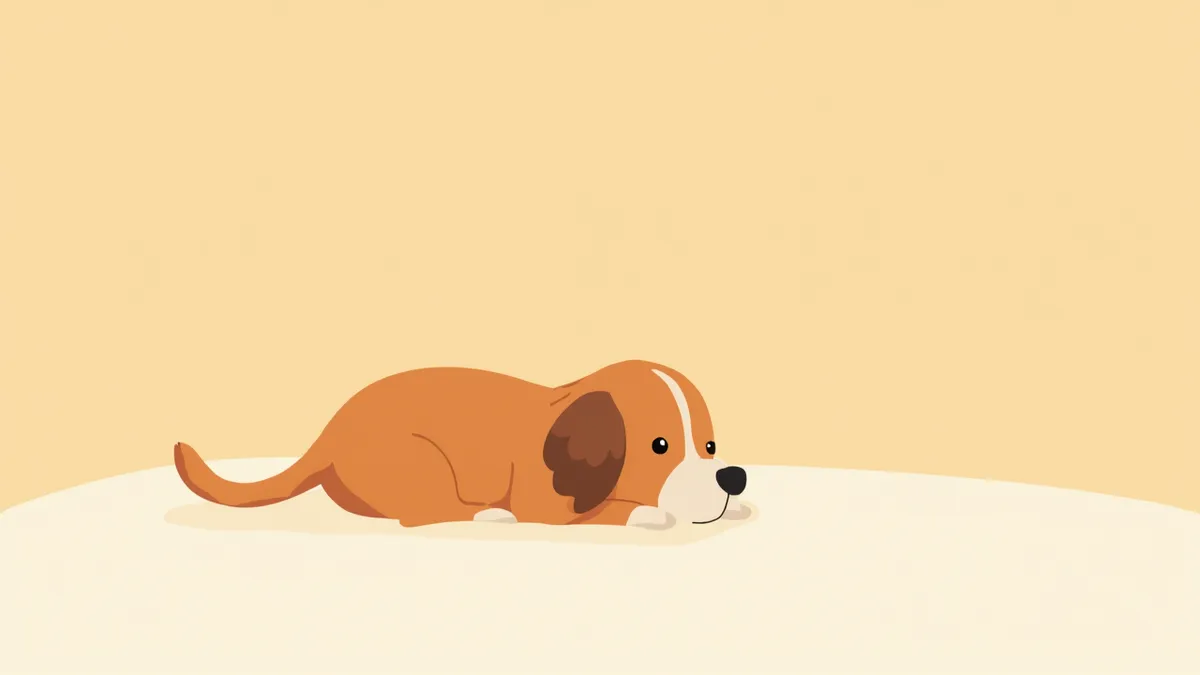
A large-breed puppy resting comfortably on a soft bed
Hip dysplasia in dogs is a developmental condition where the head of the femur doesn’t fit properly into the hip socket, causing joint instability. Early detection and weight management are key. While it’s more common in large breeds, small dogs can be affected too, with genetics, nutrition, and growth rate all playing a role. If caught early, many cases can be managed without surgery, so it’s important to be aware of the early warning signs.

Causes of Hip Dysplasia

Hip dysplasia isn't present at birth; it develops as the dog grows. The primary cause is genetics. It's a polygenic trait involving multiple genes, where both genetic predisposition and environmental factors like nutrition and growth rate influence its development.
Genetics: Large breeds such as Labrador Retrievers, Golden Retrievers, and German Shepherds have a higher incidence rate.
Excessive Growth Rate: If a puppy grows too quickly due to overnutrition, it places excessive stress on the hip joints. Conversely, puppies that maintain a relatively lean body condition during their growth phase are known to have a reduced risk of developing dysplasia.
Obesity: As body weight increases, the pressure on the hip joints rises sharply.
Strenuous Exercise: Excessively vigorous exercise or repetitive activity on slippery floors during the growth period increases the risk of joint damage.

Suspect Hip Dysplasia If You Notice These Symptoms
Symptoms of hip dysplasia typically appear in two distinct phases. The first occurs during the growth period, between 4 and 12 months of age. The second emerges in middle-aged to senior dogs (5 years and older), when symptoms become more pronounced alongside degenerative joint changes. Because early signs are often subtle, they are easily overlooked.
Bunny-hopping gait: The dog moves by hopping on both hind legs simultaneously.
Difficulty rising: The dog stumbles or drags its hind legs when trying to stand up from a lying position.
Avoidance of stairs and inclines: The dog shows reluctance to climb stairs or navigate elevated surfaces.
Hindlimb muscle atrophy: There is a noticeable reduction in muscle mass in both hind legs.
Swaying hips: The dog’s hips sway significantly from side to side while walking.
Pain on palpation: The dog flinches or pulls away when the hip area is touched.
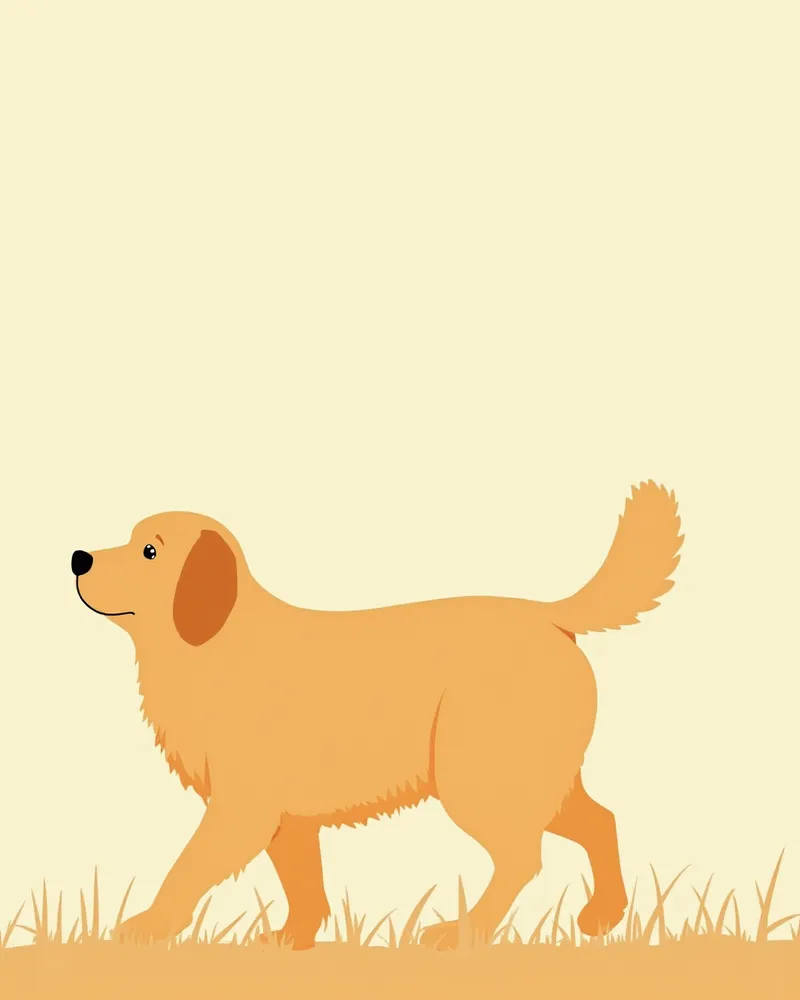
A Golden Retriever walking on the grass with its hind legs drawn together

Grades of Hip Dysplasia

Veterinarians classify the severity of hip dysplasia into grades based on X-ray results. Because the treatment approach varies depending on the grade, an accurate diagnosis is essential.
GradeConditionKey Characteristics
NormalJoint congruenceThe head of the femur fits well within the acetabulum (hip socket).
MildSlight laxityThe joint space is slightly widened.
ModerateSubluxationThe head of the femur is partially displaced from the acetabulum.
SevereDegenerative changesOsteoarthritis is present, and bone deformation is progressing.

When to Visit the Vet Immediately

If your pet is completely unable to put weight on their hind legs, suddenly collapses and cannot get back up, or shows noticeable swelling in the hip area, there may be a joint dislocation or fracture. Please visit an animal hospital within 24 hours.

How Is Hip Dysplasia Diagnosed?

The cornerstone of diagnosing hip dysplasia is X-ray imaging. The dog is positioned on its back with both femurs extended parallel to each other for the shot. The veterinarian then evaluates the angle between the femoral head and the acetabulum, the joint space, and any signs of bone deformity. Crucially, early screening between 4 and 6 months of age can identify cases where surgical prevention is still an option. If you have a large-breed dog, please ensure you keep up with regular check-ups during the growth phase.
A veterinarian examining the hip joint of a large-breed dog at an animal hospital

Non-Surgical Management Options

In mild to moderate cases, or when surgery is difficult, non-surgical management can help reduce pain and slow disease progression.
Weight management: This is the most effective approach. Maintaining an ideal body weight significantly reduces stress on the hip joints.
Appropriate exercise: Swimming or gentle walks are recommended. Avoid strenuous running or jumping.
Anti-inflammatory pain relievers: Your veterinarian will determine the appropriate medication type and dosage based on your pet’s weight. Never administer human pain relievers to pets.
Joint supplements: Various supplements may be used to support joint health. Please consult your veterinarian to determine which product is suitable for your pet.
Rehabilitation exercises: Specialized animal rehabilitation clinics offer professional guidance and programs designed to reduce joint stress.
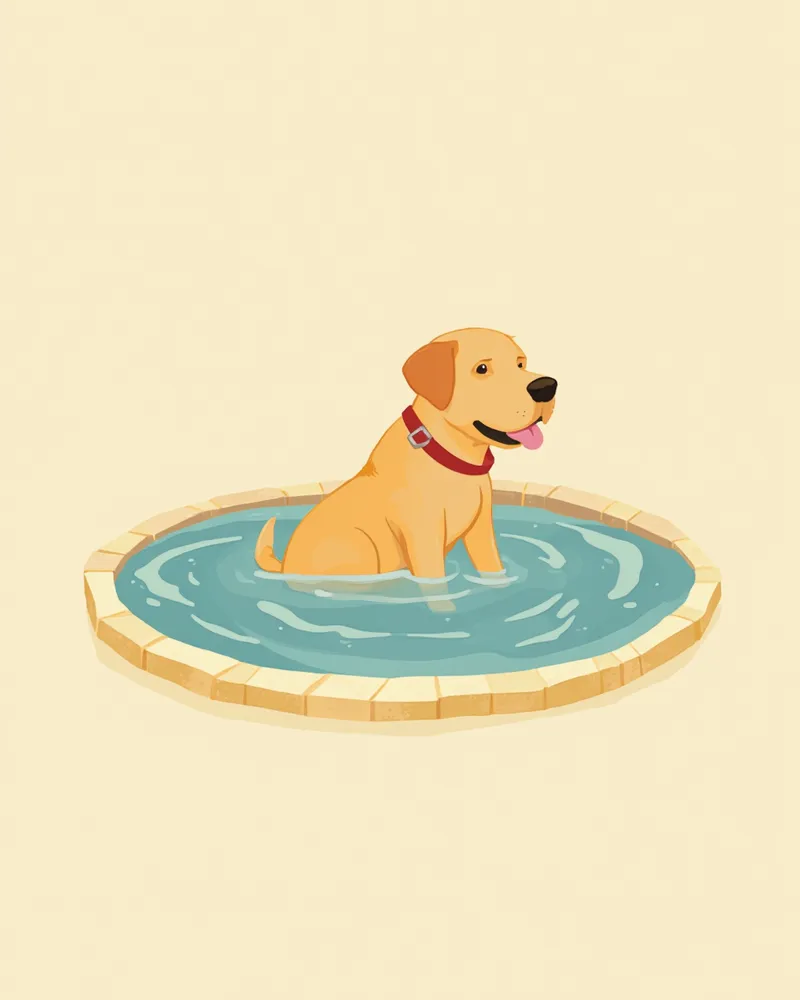
A Labrador Retriever undergoing rehabilitation swimming

When Surgery Is Necessary

If the condition is severe or pain cannot be controlled with non-surgical treatment, surgery may be considered. The surgical approach varies depending on the dog’s age, weight, and the severity of the dysplasia.
Femoral head ostectomy (FHO): This procedure removes the head of the femur to eliminate pain caused by bone-on-bone contact. The veterinarian determines whether this option is appropriate based on the dog’s weight, age, and the extent of the dysplasia.
Total hip replacement (THR): This involves replacing the damaged joint with an artificial one. While it has a high success rate, it is costly and requires specialized facilities and a skilled surgeon.
Juvenile pubic symphysiodesis (JPS): Performed around five months of age, this preventive surgery corrects the pelvic bone to improve joint congruence. Early diagnosis is essential for this procedure to be effective.
Please consult with a board-certified veterinary orthopedic surgeon to determine the most appropriate surgical method and timing for your pet.

Important Information for Large Breed Owners

Labrador Retrievers, Golden Retrievers, German Shepherds, Rottweilers, and Great Danes are at high risk for hip dysplasia. The most reliable way to prevent this condition is to check the parents’ hip screening records when acquiring a puppy and to have regular veterinary check-ups during the growth period.

Reviewed by a veterinarian

Dr. Tony — Punnawat Phongkittirak

Dr. Tony — Punnawat Phongkittirak

Veterinarian

A veterinarian who majored in veterinary medicine at Khon Kaen University, Thailand, and completed the IVSA program at North Carolina State University in the United States. Drawing on clinical experience at animal hospitals, he works in the pet healthcare field and is dedicated to building a digital care environment that connects pet parents with veterinarians.

Frequently Asked Questions

Can hip dysplasia be cured?
While a complete cure may be challenging, proper weight management and appropriate treatment can help your pet live comfortably without pain. In some cases, artificial joint replacement surgery can significantly restore joint function.
Can small-breed dogs also develop hip dysplasia?
Yes, small-breed dogs and cats can also develop this condition. Although the incidence is lower than in large-breed dogs, it can occur in animals that are overweight or have a genetic predisposition.
How should I walk a puppy with hip dysplasia?
It’s best to take your pet on short, gentle walks, split into two to three sessions per day. Try to avoid running, jumping, and climbing stairs, and opt for soft surfaces like grass or dirt paths.
Will giving joint supplements improve hip dysplasia?
While various supplements can support joint health, they do not treat hip dysplasia itself. It is most effective to consult your veterinarian to determine the right ingredients and combine supplementation with weight management and controlled exercise.
How much does surgery for hip dysplasia cost?
Costs can vary significantly depending on the surgical technique, the veterinary clinic, and your dog's weight. For the most accurate estimate, we recommend having your dog examined and consulting with a veterinary orthopedic specialist.

Share

Related Guides

References

[1] Schaer, M. et al., Clinical Medicine of the Dog and Cat, 4th Ed, CRC Press

[2] Textbook of Veterinary Orthopaedic Surgery, Wiley-Blackwell

[3] The Dog Care Handbook: Things I Wish My Vet Had Told Me

[4] Lust, G. 1997. An overview of the pathogenesis of canine hip dysplasia. Journal of the American Veterinary Medical Association 210: 1443–1445

This information is based on veterinary literature and does not replace diagnosis or treatment. Please consult a veterinarian for specific health concerns.

Metapet Co., Ltd. | CEO: Park Sung-yong | Business Reg. No. 417-88-02562 | Seoul, South Korea | Customer Center

Hip Dysplasia in Dogs: Symptoms, Causes & Treatment | Meongsiljang