
Frequently Asked Questions on Dog Insulin Injection Techniques and Dosage Adjustments — Key Points for Pet Owners
In managing diabetes in dogs, insulin injection techniques and dosage adjustments are key. We’ve compiled essential questions and answers that pet owners should know.
Dog Insulin Injection Techniques and Dosage Adjustments Are Key to Diabetes Management
Basic Principles and Precautions for Insulin Injections
Step-by-Step Guide to Injection Technique
Dog Insulin Dosage Adjustment Reference Table
| Item | Dose Adjustment Direction | Precautions |
|---|---|---|
| Low Blood Glucose (Hypoglycemia) | Decrease | Adjust after consulting a veterinarian |
| High Blood Glucose (Hyperglycemia) | Increase | Check meal amount and exercise level |
| Decreased Meal Amount | Decrease | Injection dose adjustment needed |
| Increased Exercise | Decrease | Risk of blood glucose drop |
Dose adjustment must follow the veterinarian's instructions. Guardians should not adjust it arbitrarily.
Post-Injection Care and Adverse Reaction Checkpoints
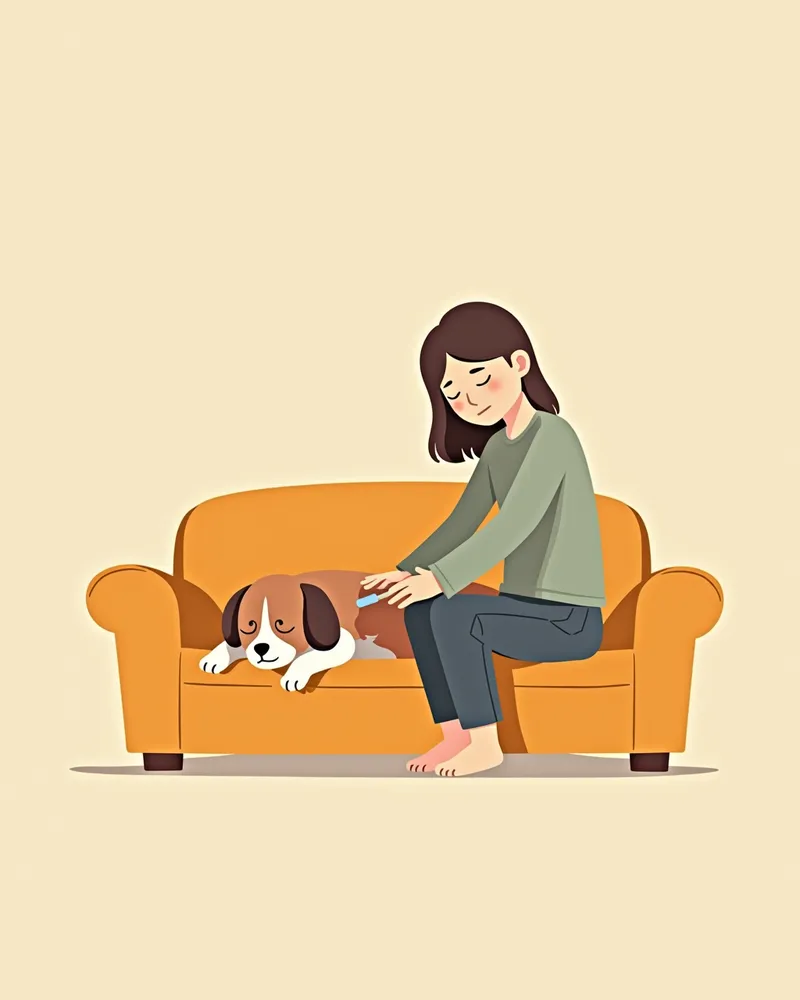
Immediate Veterinary Visit Required if Hypoglycemia Is Suspected
If your dog suddenly collapses, has seizures, or becomes unresponsive, it may be at risk of hypoglycemia. Contact your veterinarian immediately or go to the hospital. Severe hypoglycemia can be life-threatening, so prompt action is essential.
Key Points Pet Owners Must Remember When Adjusting Injection Dosage

Reviewed by a veterinarian

Dr. Tony — Punnawat Phongkittirak
VeterinarianA veterinarian who majored in veterinary medicine at Khon Kaen University, Thailand, and completed the IVSA program at North Carolina State University in the United States. Drawing on clinical experience at animal hospitals, he works in the pet healthcare field and is dedicated to building a digital care environment that connects pet parents with veterinarians.
Reviewed 2026-06-01
Frequently Asked Questions
When should I administer insulin injections?
What should I do if my pet doesn’t eat soon after the injection?
Should I keep changing the injection site?
What should I do if I miss an insulin dose?
Is it normal for my dog to feel sleepy after receiving an injection?
Share
Related Guides

Top 5 Prescription Dog Foods for Diabetes Recommended by Veterinarians — Blood Sugar-Stabilizing Food Comparison
7 Key Products for Managing Feline Hypercalcemia Recommended by Veterinarians and Selection Criteria
7 Key Points for Canine Thyroid T4 Testing by Veterinarians — From Timing to Result Interpretation
Is My Cat’s Blood Pressure Okay? — The Dangerous Link Between Hypertension and Kidney Disease
Is High Phosphorus Dangerous in Cats? — Key Points on Hyperphosphatemia and Phosphate Binders
Feline Hydronephrosis: Causes and When Surgery Is Needed
Is Your Cat’s Proteinuria Glomerulonephritis? — Causes and When to Visit the Vet
Late-Stage Feline Chronic Kidney Disease: Preserving Quality of Life — Palliative Care Q&A
How Fast Does Feline CKD Progress? — Q&A on Monitoring Progression with Numbers
Feline Pyelonephritis: Warning Signs You Must Not Miss — Key Facts on Bacterial Kidney Infection
References
[1] Plumb, D. C. (2023). Plumb's Veterinary Drug Handbook, 10th Edition. Wiley-Blackwell.
[2] Hill, P. (2022). Small Animal Endocrinology: Diagnosis and Management. Elsevier.
[3] American Veterinary Medical Association. (2023). Guidelines for the Management of Canine Diabetes Mellitus.