Like
Share
멍실장
강아지 아디슨병(부신피질 저하) 증상

Canine Addison’s Disease — Sudden Lethargy and Vomiting: Could This Be a Sign of an Addisonian Crisis?

WeightQ&AMeongsiljang Veterinary Advisory Board

Canine Addison’s disease is an endocrine disorder caused by a deficiency of adrenal cortex hormones. If your dog experiences recurring vague symptoms such as lethargy, vomiting, and weight loss, it’s important to consider this condition.

What Is Canine Addison’s Disease?
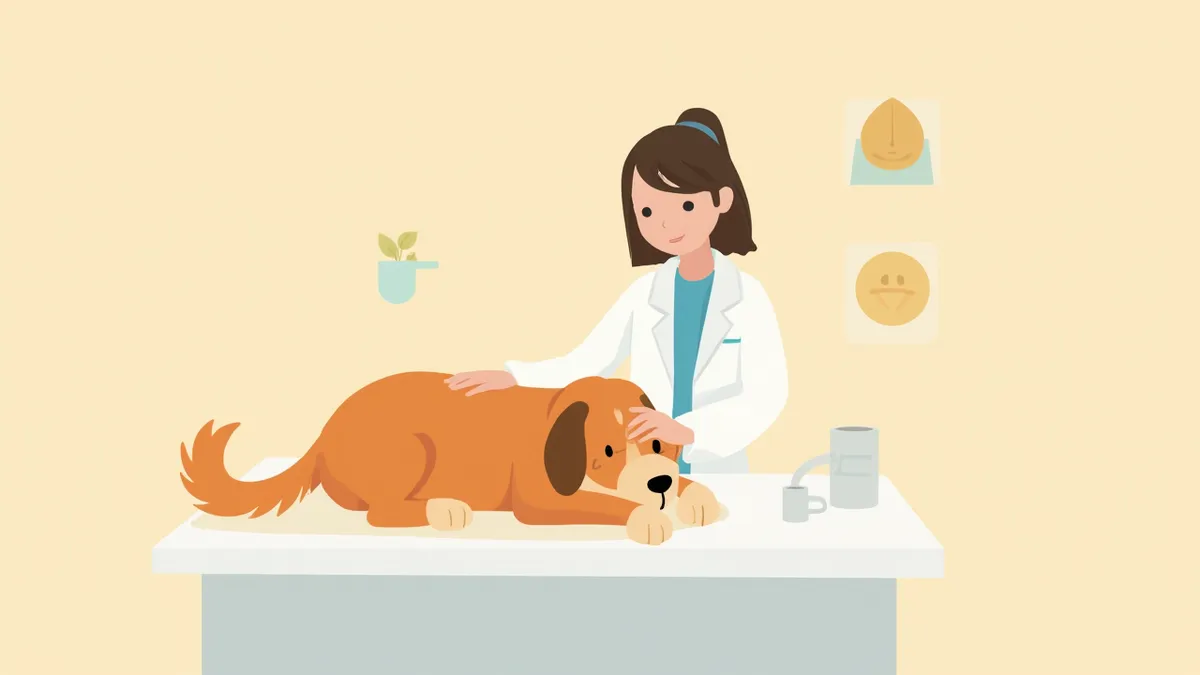
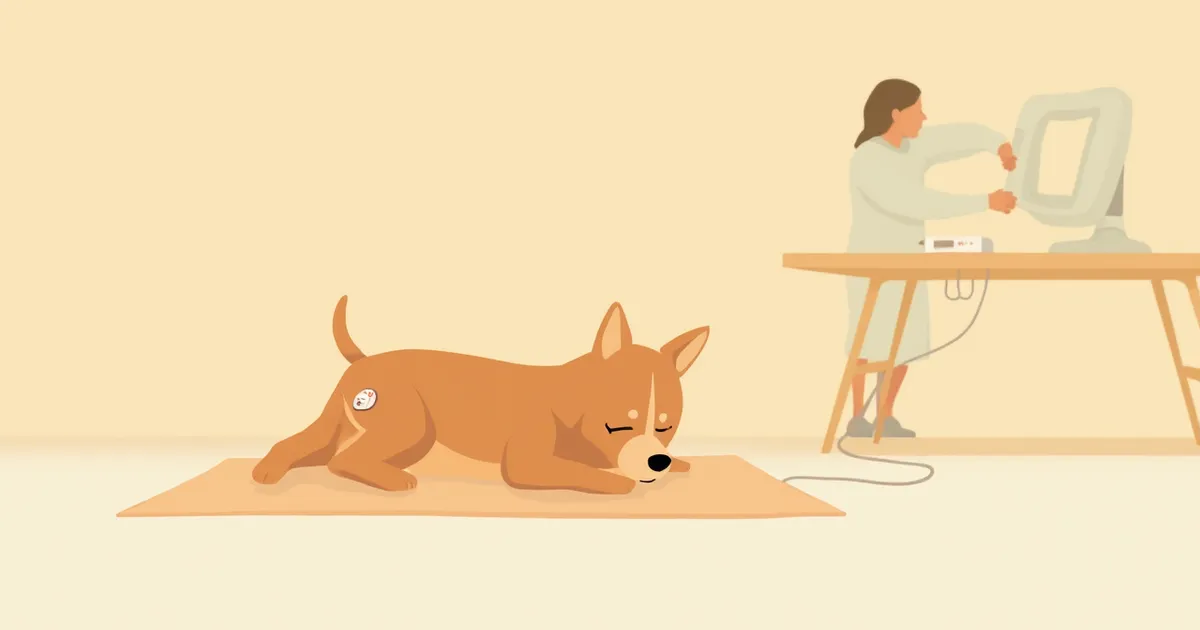
A veterinarian examining a lethargic puppy
Canine Addison’s disease (hypoadrenocorticism) is an endocrine disorder caused by insufficient secretion of steroid hormones such as cortisol and aldosterone from the adrenal glands, which sit atop the kidneys. The most critical point to remember is that the symptoms are vague and easy to miss. Dogs often experience lethargy, decreased appetite, and intermittent vomiting and diarrhea, only to suddenly collapse into shock one day. Because of this unpredictable presentation, it’s sometimes called “The Great Pretender.” However, if diagnosed early and managed with hormone supplementation, it’s a condition that can be effectively controlled for life.

Causes and Predisposed Breeds

The most common cause is idiopathic (cause unknown) adrenal destruction. The cortex of both adrenal glands gradually deteriorates, preventing the production of sufficient hormones such as cortisol and aldosterone. While the exact mechanism remains largely unknown, it is believed to involve immune-mediated destruction or adrenal inflammation. Rarely, tumors metastasizing to the adrenal glands, adrenal hemorrhage, or adrenal cortical necrosis can be the cause. Additionally, abruptly discontinuing long-term steroid use can lead to secondary adrenal insufficiency. Breeds prone to this condition: Standard Poodles, Portuguese Water Dogs, Nova Scotia Duck Tolling Retrievers, Bearded Collies, West Highland White Terriers, Great Danes, and Rottweilers are genetically predisposed. It occurs more frequently in young to middle-aged females, but can affect both purebred and mixed-breed dogs.

Checklist of Main Symptoms

- Recurring lethargy: Refusing walks, appearing more sluggish than usual - Decreased appetite and weight loss: A pattern of eating well for a few days followed by several days of not eating - Intermittent vomiting and diarrhea: Unexplained gastrointestinal symptoms that come and go - Excessive thirst and urination: Drinking significantly more water than normal - Tremors and muscle weakness: Hind legs appear weak - Dehydration and hypothermia: Gums are pale and the body feels cold - Worsening after stress: Condition deteriorates rapidly after vet visits, moving, or bathing
A lethargic puppy that refuses to eat

Addisonian Crisis — Go to the Vet Immediately!

Sudden collapse, fainting, severe vomiting and diarrhea, bradycardia (slow heart rate), hypothermia, and pale or grayish gums indicate an Addisonian crisis. This is a life-threatening shock state caused by adrenal hormone deficiency, which can lead to abnormal ECG readings due to hyperkalemia (high blood potassium levels). Because the window for effective treatment is extremely short, measured in minutes, immediate transport to a 24-hour emergency veterinary hospital is essential.

How Is It Diagnosed?

If basic tests reveal electrolyte imbalances such as hyponatremia and hyperkalemia, we strongly suspect Addison’s disease. We use initial blood, urine, and electrolyte tests to gather clues, but a definitive diagnosis requires an ACTH stimulation test. After administering synthetic ACTH (adrenocorticotropic hormone), if cortisol levels do not rise sufficiently, the diagnosis is confirmed. Electrolyte abnormalities alone are not enough for a definitive diagnosis, so the ACTH stimulation test is essential. This test is also recognized as the standard diagnostic method in veterinary internal medicine textbooks.
Diagnosing Addison's Disease in Dogs Through Blood Tests

Addison’s Disease vs. Similar Conditions

ItemAddison's diseaseChronic kidney failurePancreatitis
Main symptomsLethargy · vomiting · recurrent hypoglycemiaPolydipsia/polyuria · weight lossAbdominal pain · vomiting · diarrhea
Electrolyte changesNa↓ K↑BUN · Crea↑Lipase↑
Worsening after stressMarkedProgresses graduallyAcute onset
Confirmatory testACTH stimulation testSDMA · urine specific gravitycPL · imaging test

It is difficult to distinguish by symptoms alone, so a differential diagnosis by a veterinarian is essential.

Treatment — Lifelong Management Is Key

Although Addison’s disease cannot be cured, your pet can live a long, healthy life with hormone replacement therapy. The key is to replenish the deficient hormones through medication. - Mineralocorticoid replacement: Aldosterone is supplemented via desoxycorticosterone pivalate (DOCP) injections or oral fludrocortisone. Your veterinarian will determine the dosing interval and dosage based on your pet’s individual electrolyte levels. - Glucocorticoid replacement: A low dose of prednisolone is administered daily. - The exact dosage and interval are determined by your veterinarian based on your pet’s body weight and electrolyte levels.

Medication Dosage Adjustment Is Necessary During Stressful Situations

Dogs with Addison’s disease experience a sudden spike in their cortisol needs when stressed. Before events like vet visits, grooming, travel, boarding, or surgery, you must consult your veterinarian to temporarily increase the steroid dosage. Skipping this adjustment can lead to an Addisonian crisis, making it critically important. Always keep a copy of your prescription on hand to be prepared for emergencies.

Home Care Points
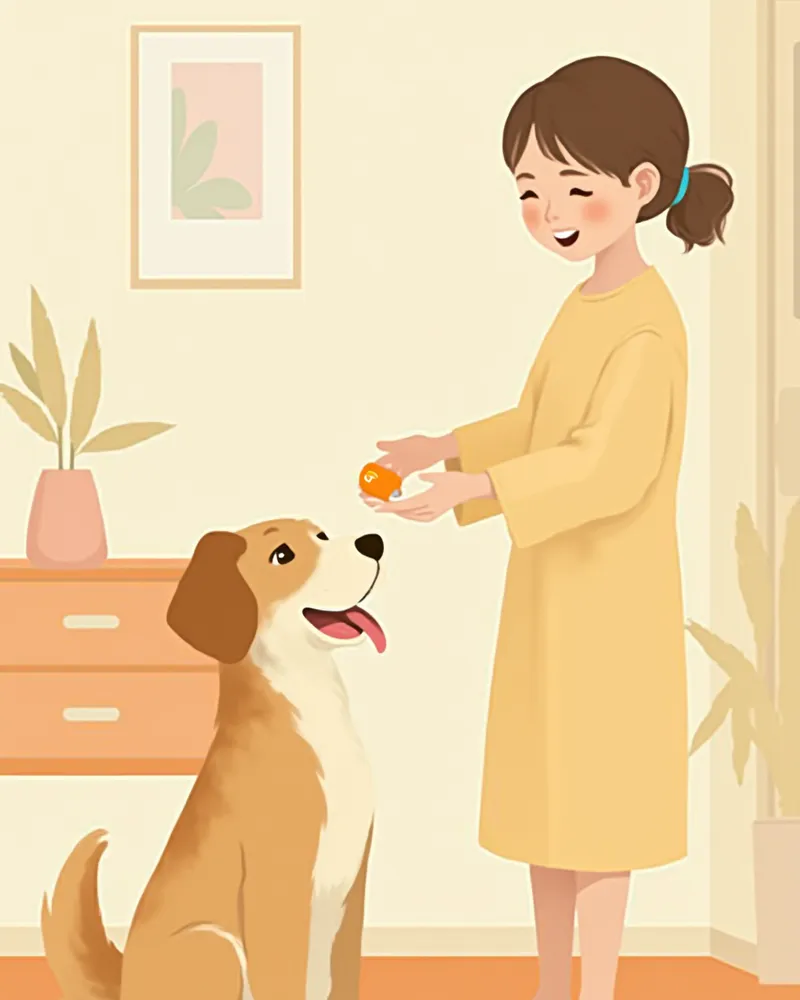
- Consistent medication administration: Give the medication at the same time every day. If a dose is missed, follow your veterinarian’s instructions. - Track weight, appetite, and activity levels: Record these metrics at least once a week to monitor for changes. - Ensure adequate water and food intake: Dehydration can trigger an Addisonian crisis. - Regular check-ups: Initially, check electrolyte levels every 1–3 months, then every 6 months once the condition is stable. - Minimize stress: Avoid sudden environmental changes and prepare your pet in advance before visiting unfamiliar places. - Prepare an emergency kit: Keep the emergency steroids prescribed by your veterinarian at home.
Dogs taking medication at home

Reviewed by a veterinarian

Dr. Tony — Punnawat Phongkittirak

Dr. Tony — Punnawat Phongkittirak

Veterinarian

A veterinarian who majored in veterinary medicine at Khon Kaen University, Thailand, and completed the IVSA program at North Carolina State University in the United States. Drawing on clinical experience at animal hospitals, he works in the pet healthcare field and is dedicated to building a digital care environment that connects pet parents with veterinarians.

Frequently Asked Questions

Can dogs with Addison's disease live a long life?
Yes, with appropriate hormone supplementation, life expectancy is nearly the same as that of a typical dog. With early diagnosis, consistent medication, and regular check-ups, your pet can live a healthy life.
Does my pet need to take this medication for the rest of its life?
Yes, because the adrenal glands can no longer produce hormones on their own, lifelong supplementation is necessary. Stopping the medication abruptly can trigger an Addisonian crisis and lead to shock, so it must never be discontinued.
Is Addison's disease hereditary?
A genetic predisposition has been identified in certain breeds, such as Standard Poodles and Portuguese Water Dogs. If your dog belongs to one of these high-risk breeds, we recommend having an electrolyte panel done once a year.
If the symptoms are vague, is it still necessary to get tested?
If your pet shows recurring lethargy and vomiting that worsens after stressful episodes, be sure to have their electrolyte levels checked. Addison’s disease is much easier to manage when caught early.
How much does the treatment cost?
Costs vary significantly depending on the clinic and medications, so it’s difficult to provide a specific figure. A common approach is combining DOCP injections with prednisolone. It’s best to consult your veterinarian to develop a long-term management plan tailored to your pet’s needs.

Share

Related Guides

References

[1] Ettinger SJ, Feldman EC, Cote E, Textbook of Veterinary Internal Medicine, 8th Ed, Chapter on Hypoadrenocorticism

[2] Feldman EC, Nelson RW, Canine and Feline Endocrinology, 4th Ed, Hypoadrenocorticism Chapter

[3] Klein SC, Peterson ME, Canine hypoadrenocorticism: part I & II, Can Vet J, 2010

This information is based on veterinary literature and does not replace diagnosis or treatment. Please consult a veterinarian for specific health concerns.

Metapet Co., Ltd. | CEO: Park Sung-yong | Business Reg. No. 417-88-02562 | Seoul, South Korea | Customer Center

Canine Addison's Disease: Sudden Lethargy & Vomiting Signs | Meongsiljang