Like
Share
멍실장
고양이 심실중격결손 자주 묻는 질문 Q&A — 보호자가 꼭 알아야 할 핵심

What Is Feline Ventricular Septal Defect? Key Facts From Symptoms to Prognosis

HeartQ&AMeongsiljang Veterinary Advisory Board

Feline ventricular septal defect is a congenital heart malformation. Although symptoms may be mild, it can lead to serious complications. We’ve compiled the key information every pet owner should know.

What Is Feline Ventricular Septal Defect?
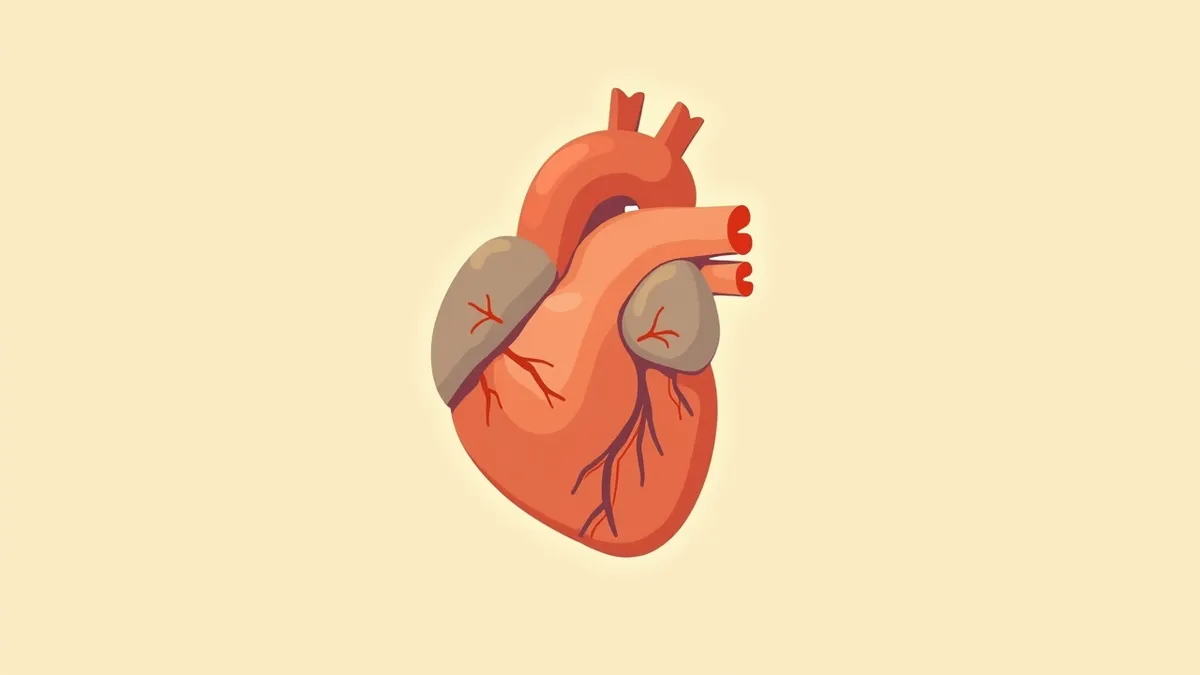
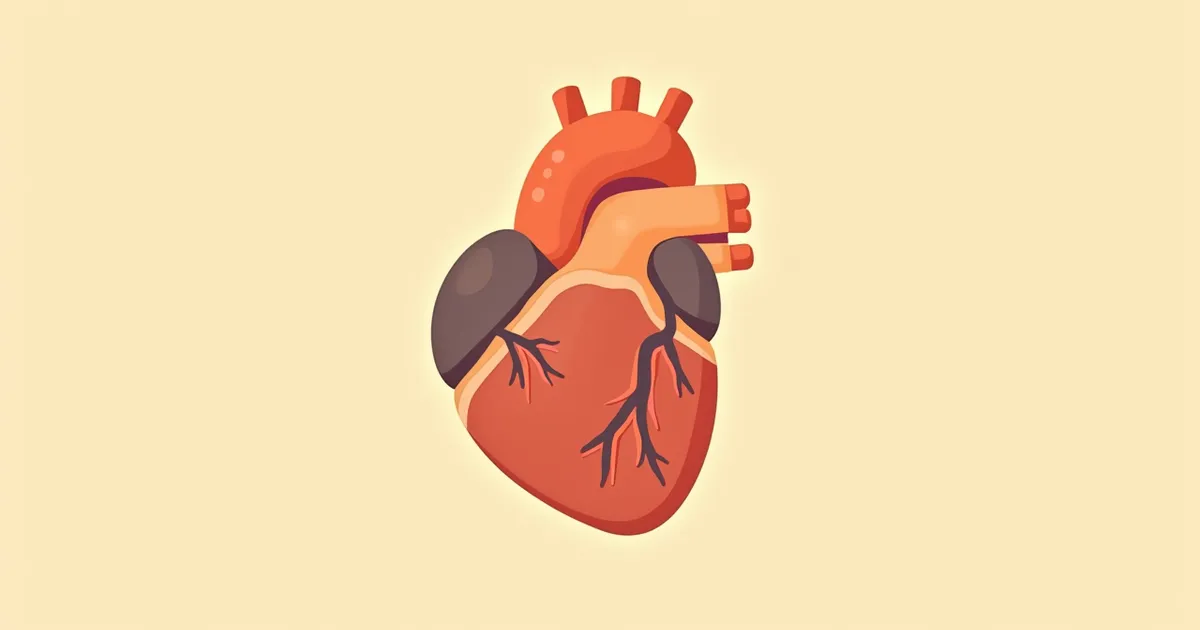
Anatomical diagram of a cat’s heart with a ventricular septal defect
Ventricular septal defect (VSD) in cats is a congenital heart defect characterized by a hole in the septum between the left and right ventricles, allowing blood to shunt from the higher-pressure left ventricle to the right ventricle (left-to-right shunt). This increases blood flow to the lungs and places additional workload on the heart, potentially leading to heart failure over time. As a relatively common congenital defect, it is usually present at birth. Small (restrictive) defects may cause few or no symptoms, whereas larger defects can lead to difficulty breathing and fatigue. Early diagnosis and management are key to monitoring disease progression, with regular cardiac ultrasound examinations enabling early detection of the problem.

What Are the Main Causes of This Condition?
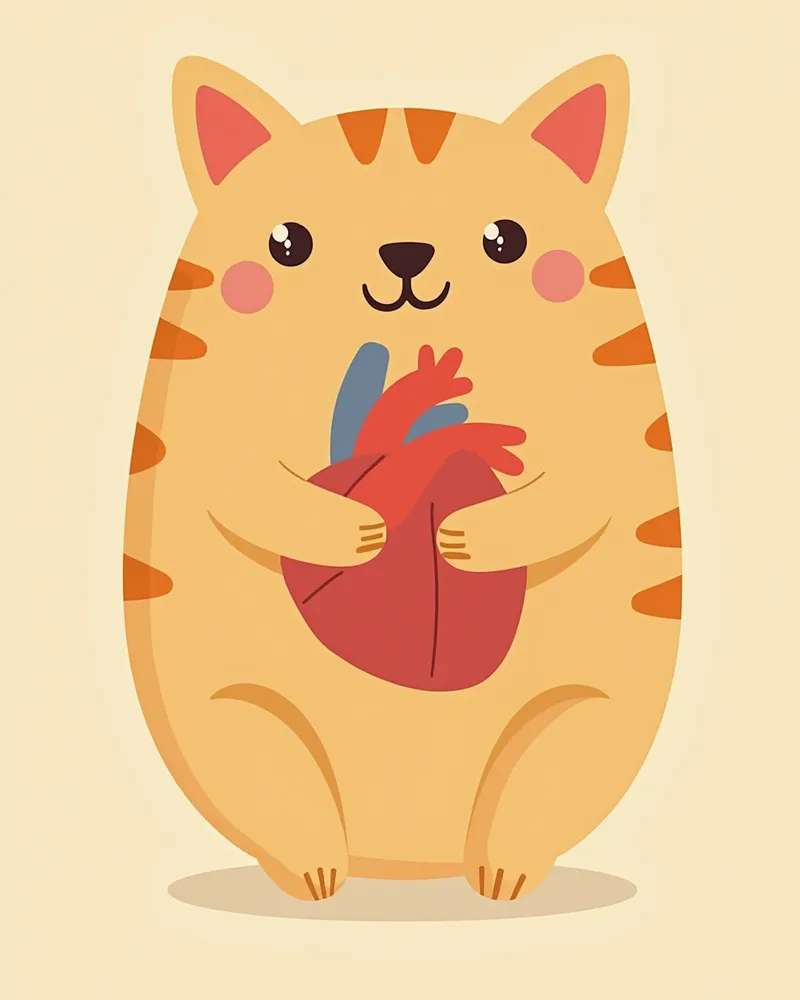
The primary cause of ventricular septal defects in cats is the failure of the ventricular septum to close properly during fetal heart development. While genetic factors may play a role in some cases, the cause remains unclear in most instances. Although no specific breeds show a significantly higher incidence, cats with a family history of the condition may have a slightly increased risk. Environmental factors have not yet been clearly identified, and acquired causes are rare. Regular health check-ups and heart auscultation are essential for early detection. If any abnormal heart sounds are detected, immediate specialized examination is necessary.
Proximity of the heart in cats with a small hole in the ventricular septum

What Are the Main Symptoms of Ventricular Septal Defect?

The symptoms of a ventricular septal defect vary depending on the size of the defect and its impact on the heart. Small defects may cause few or no symptoms, while larger ones can present with the following signs:
Abnormal heart rhythm: The heartbeat may become rapid or irregular.
Difficulty breathing: Reduced oxygen supply can lead to shortness of breath or labored breathing.
Increased fatigue: The pet may show less interest in play or sleep more than usual throughout the day.
Poor weight gain: Despite having a good appetite, the pet may fail to gain weight or even lose weight.
Cardiac friction rub: A veterinarian may detect an unusual sound during auscultation.
If any of these symptoms appear, immediate veterinary care is necessary.
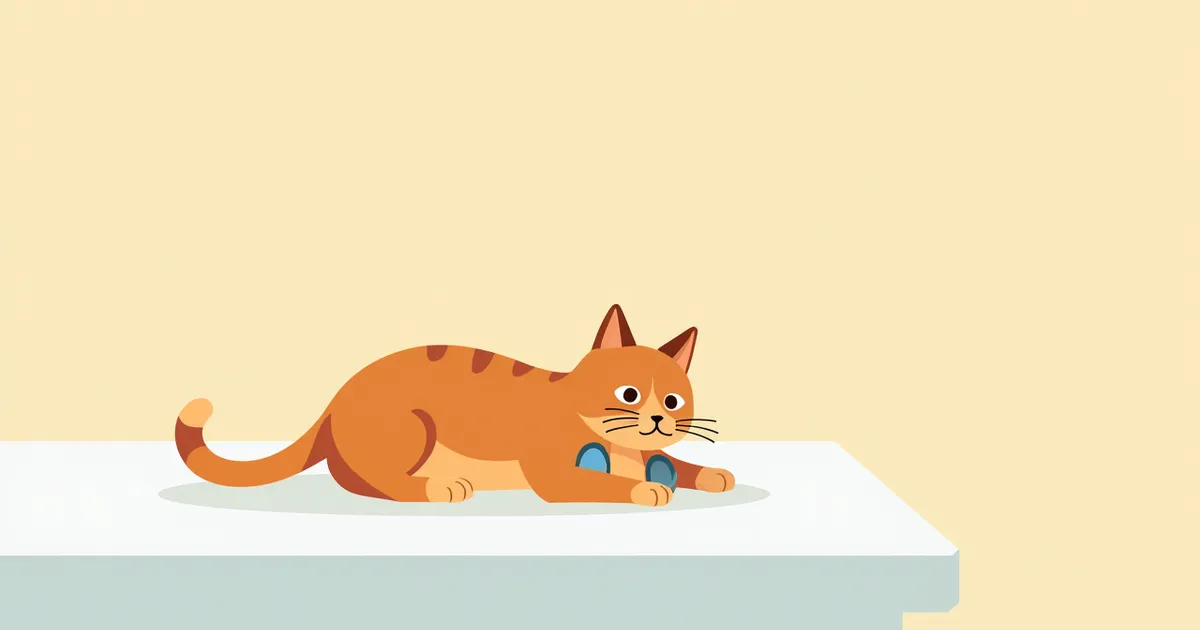
A cat showing signs of respiratory distress

Signs Requiring Immediate Veterinary Visit

If your cat suddenly has difficulty breathing, develops a bluish tint to its mouth, or collapses, these could be signs of cardiac arrest or acute heart failure. In such cases, immediate veterinary care is essential. Smaller cats are especially prone to rapid symptom progression, so early intervention can be life-saving.

Symptoms and Management by Severity of Ventricular Septal Defect

ItemMildModerateSevere
Heart SoundsMild murmurDistinct murmurSevere murmur + irregular heartbeat
Respiratory StatusNormalMild breathing difficultyPersistent breathing difficulty
ActivityNormalSlightly decreasedBarely moves
Treatment DirectionRegular observationStart medicationIntensify medication and specialized evaluation (surgery and interventional procedures are limited)

Severity is determined by the size of the defect and cardiac function. The veterinarian assesses it accurately with ultrasound. In cats, surgical and interventional treatments are limited, so medical treatment to manage symptoms is central.

How Is It Diagnosed?
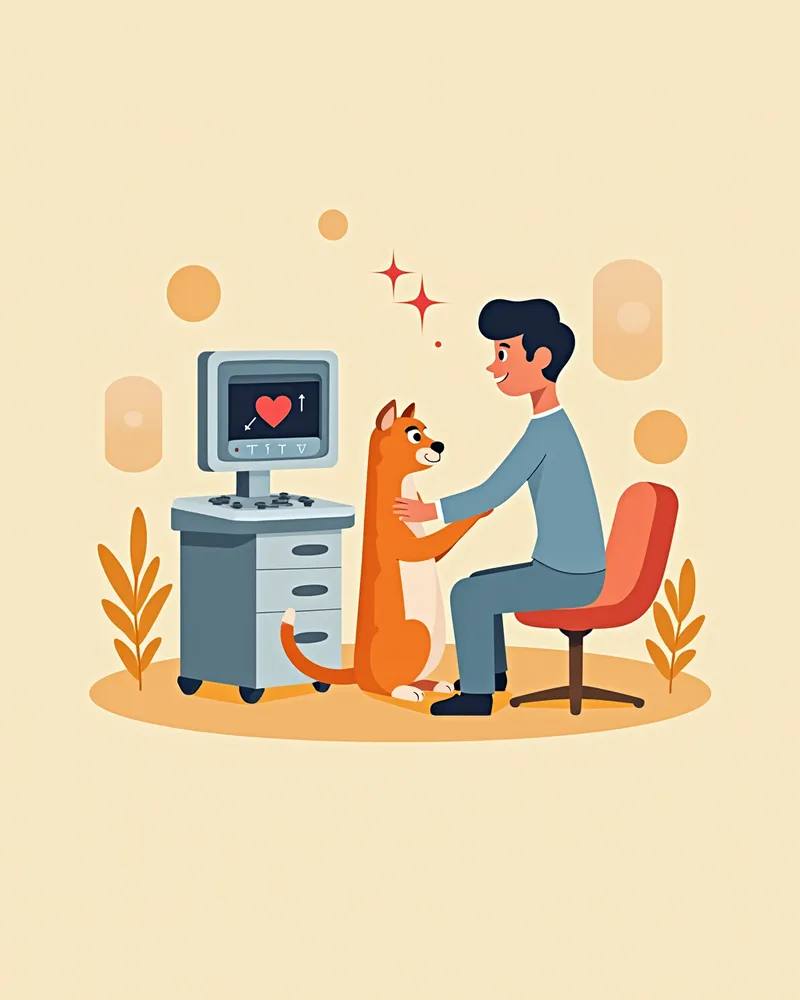
Ventricular septal defects are primarily diagnosed accurately through echocardiography, which allows for real-time visualization of heart structure and blood flow. Auscultation is used to check for abnormalities in heart sounds, and chest X-rays and electrocardiograms are also performed. Echocardiographic results provide precise information about the size and location of the defect, as well as overall heart function. Early diagnosis is crucial for developing an effective treatment plan. Even if your pet shows no symptoms, regular check-ups are recommended to detect any issues early.
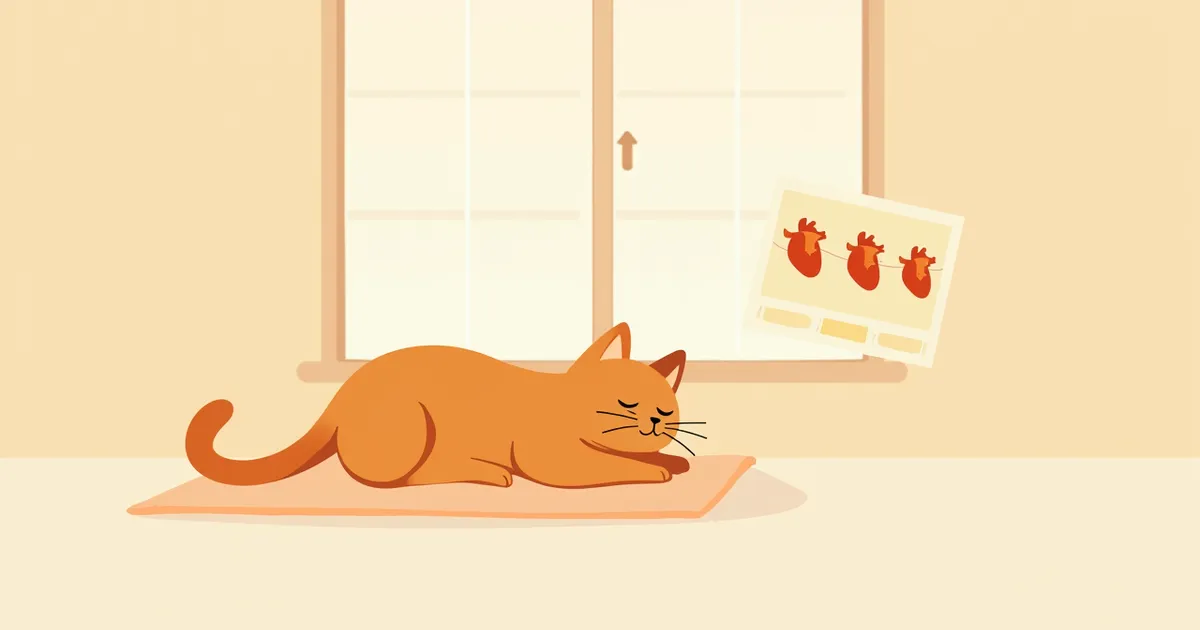
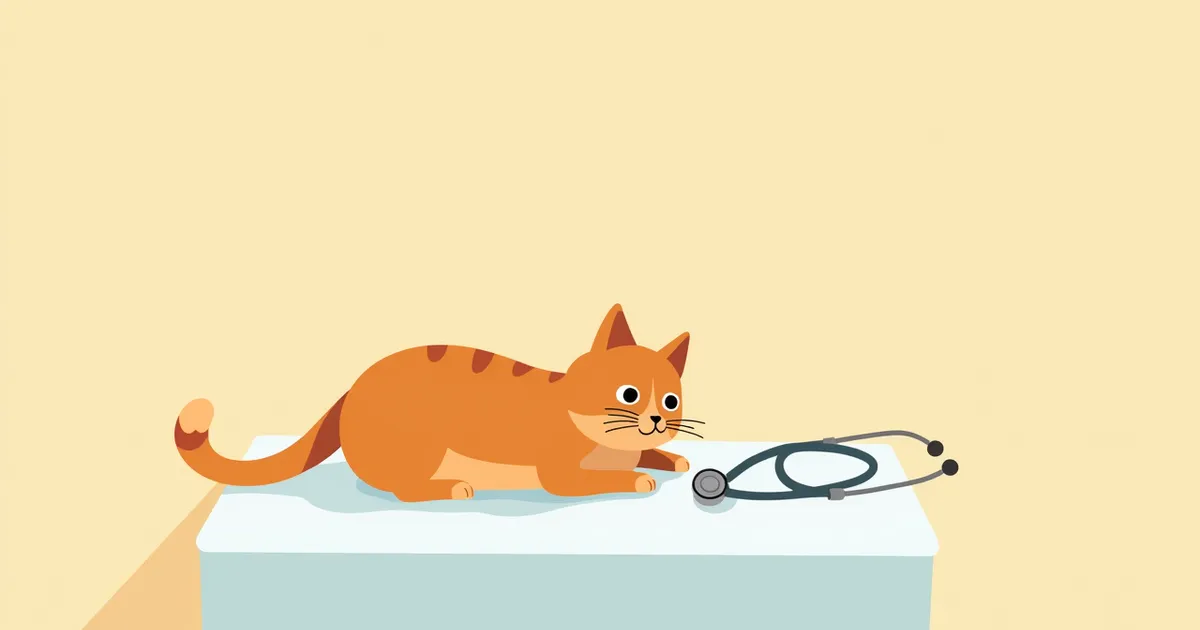
A veterinarian performing an echocardiogram on a cat

What Are the Treatment Options?

Treatment approaches vary depending on the size of the defect and the severity of symptoms. Small (restrictive) defects that cause no symptoms often require no specific treatment, with regular monitoring being sufficient. When there is a significant hemodynamic burden, treatment focuses on reducing cardiac workload with medication and alleviating symptoms such as congestive heart failure or arrhythmias. In cats, surgical correction is rarely feasible due to their small body size and the need for cardiopulmonary bypass, and there is a lack of suitable interventional devices to close the defect; therefore, medical and palliative care to manage symptoms is typically prioritized. The treatment plan should be determined in consultation with your veterinarian based on your cat’s condition, with consistent home care and regular check-ups being key to successful management.
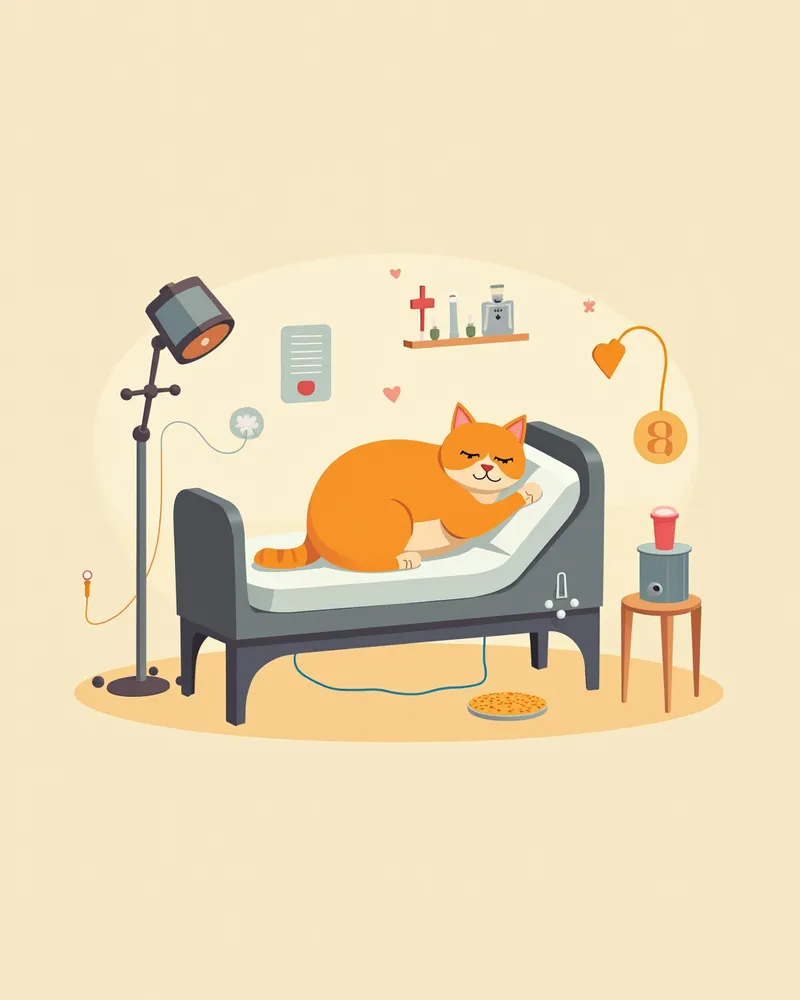
A cat recovering after heart surgery

What Should You Pay Attention to in Daily Care?
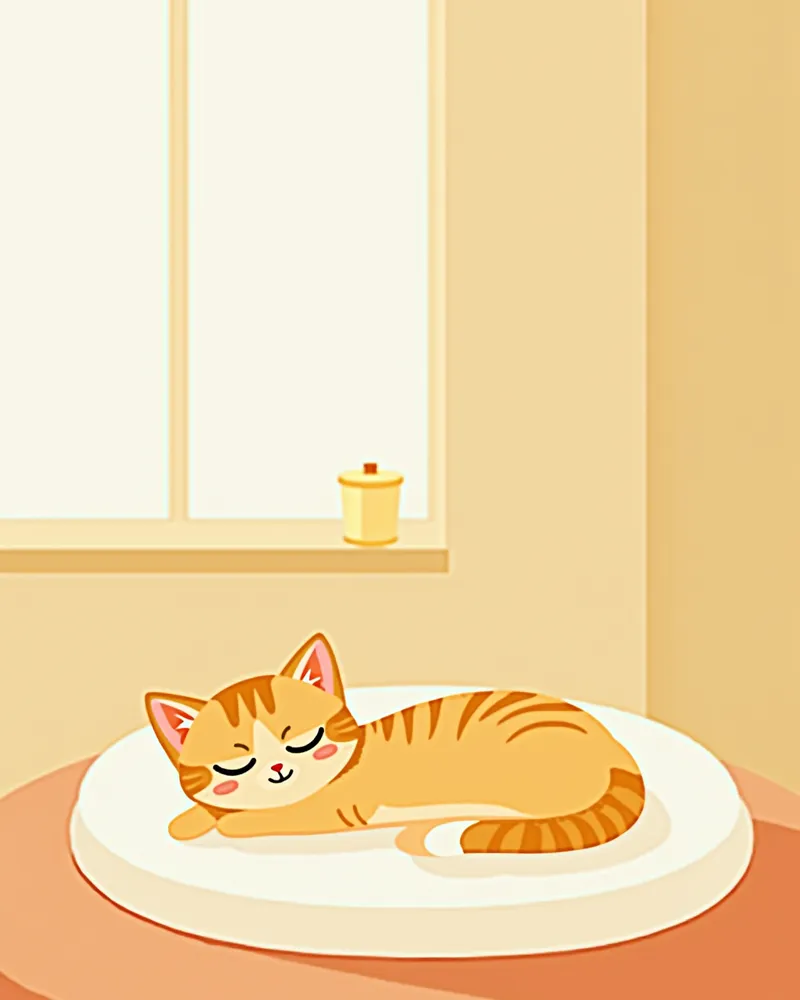
Daily care for cats with ventricular septal defects is very important. Please be sure to follow these guidelines:
Minimize stress: Avoid sudden noises or changes and maintain a calm, stable environment.
Regulate activity: Limit excessive running or playing.
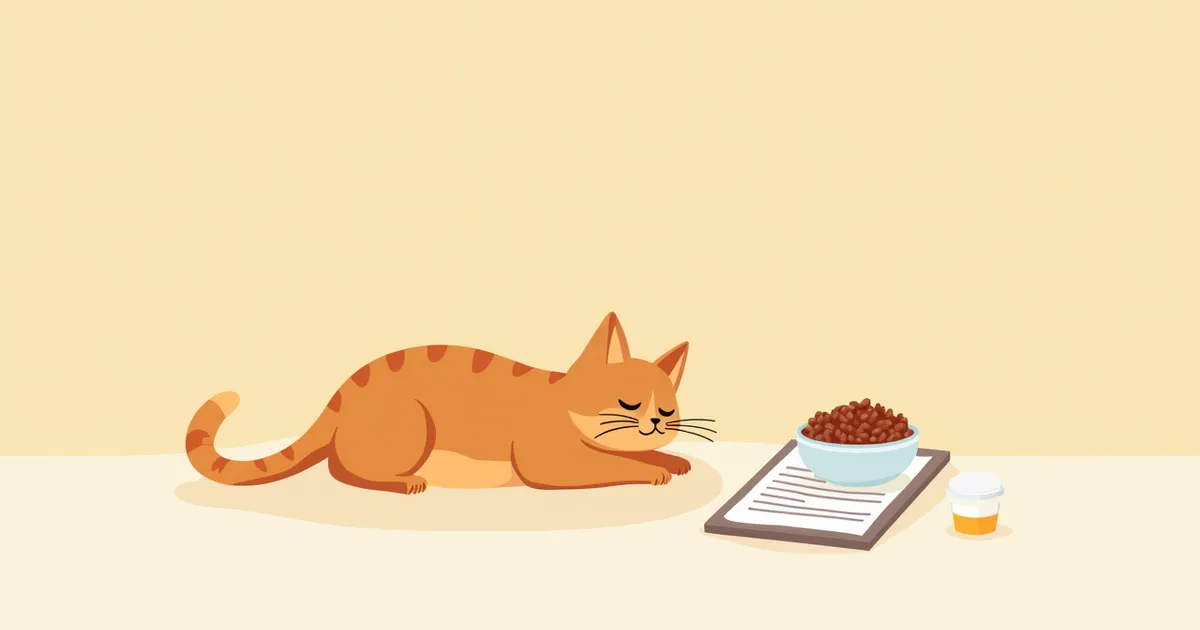
Dietary management: Feed the heart-healthy food recommended by your veterinarian.
Regular check-ups: Have your cat’s heart examined every 3 to 6 months.
Medication adherence: Administer prescribed medications exactly as directed.
These care measures help prevent complications and improve your cat’s quality of life.
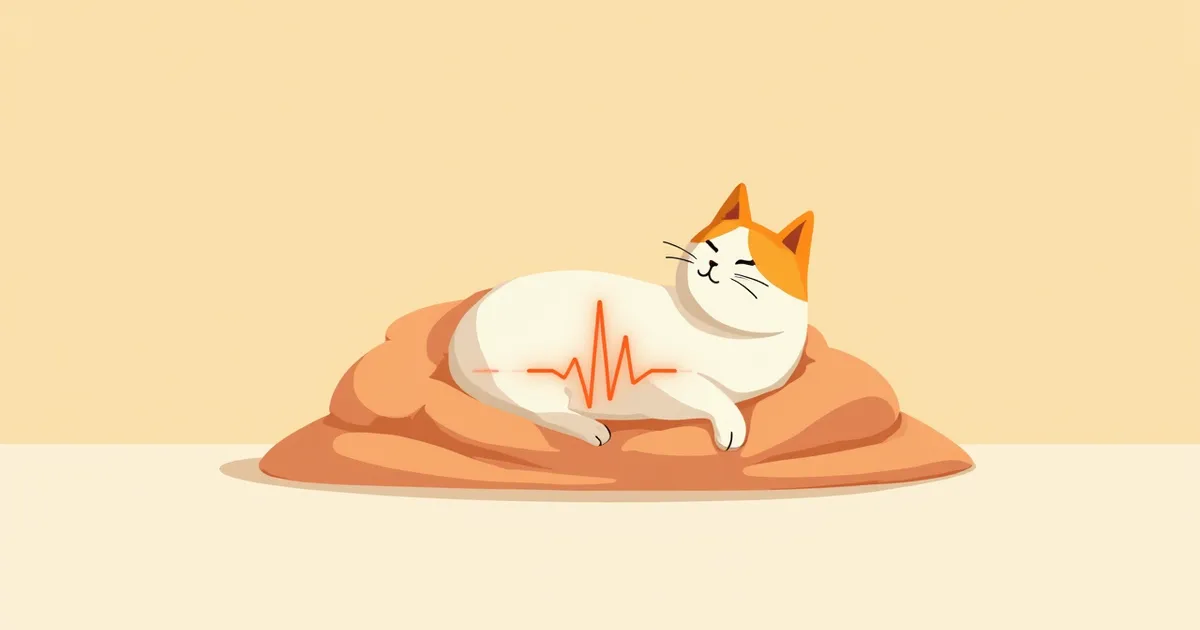
A cat resting comfortably in a quiet environment

Precautions

If your cat has heart disease, be mindful of potential drug interactions with other medications. In particular, pain relievers and antibiotics can place additional strain on the heart, so never administer any medication without your veterinarian’s guidance. Additionally, if your cat frequently coughs or appears to be struggling for breath, seek veterinary care immediately.

Reviewed by a veterinarian

Dr. Tony — Punnawat Phongkittirak

Dr. Tony — Punnawat Phongkittirak

Veterinarian

A veterinarian who majored in veterinary medicine at Khon Kaen University, Thailand, and completed the IVSA program at North Carolina State University in the United States. Drawing on clinical experience at animal hospitals, he works in the pet healthcare field and is dedicated to building a digital care environment that connects pet parents with veterinarians.

Frequently Asked Questions

Is ventricular septal defect in cats hereditary?
Ventricular septal defect is a congenital defect present at birth, but specific breed predispositions and inheritance patterns in cats have not yet been clearly established. However, it is advisable to carefully discuss with your veterinarian whether to allow breeding in affected individuals.
Will small defects heal on their own?
Small (restrictive) defects impose little hemodynamic burden and are often asymptomatic, but it is difficult to assume that the defect will close spontaneously in cats. Regular cardiac ultrasound examinations are important to monitor changes in the size of the defect and heart function.
How long does recovery take after surgery?
In cats, heart surgeries requiring cardiopulmonary bypass are possible only in very limited cases, making it difficult to provide a uniform recovery period. If your cat has undergone surgery or a procedure, the extent of recovery and heart function should be individually assessed through regular check-ups.
Do cats with a ventricular septal defect need to take medication for life?
The treatment approach depends on the size of the defect and the heart's function. Small defects may allow for a normal life without medication, but if symptoms such as heart failure or arrhythmias are present, drug therapy is necessary to alleviate them.
Can I adopt a cat that has a ventricular septal defect?
It is recommended to have a heart examination before adoption. If any heart abnormalities are found, consult with a veterinarian before deciding whether to proceed with the adoption.

Share

Related Guides

References

[1] The Cat, Clinical Medicine and Management, 2nd Edition, 2023

[2] Textbook of Cardiovascular Medicine in Dogs and Cats, 2021

[3] Small Animal Critical Care Medicine, 3rd Ed, 2020

This information is based on veterinary literature and does not replace diagnosis or treatment. Please consult a veterinarian for specific health concerns.

Metapet Co., Ltd. | CEO: Park Sung-yong | Business Reg. No. 417-88-02562 | Seoul, South Korea | Customer Center

What Is Feline Ventricular Septal Defect? Signs to Prognosis | Meongsiljang