Like
Share
멍실장
고양이 담즙산 검사 자주 묻는 질문 Q&A — 보호자가 꼭 알아야 할 핵심

The Complete Guide to Feline Bile Acid Testing: Why It’s Needed and How to Read the Results – Q&A

Liver HealthQ&AMeongsiljang Veterinary Advisory Board

The bile acid test is a key diagnostic tool for evaluating liver function in cats. We’ve compiled the essential information every pet owner should know in a Q&A format.

What Does Feline Bile Acid Testing Evaluate?
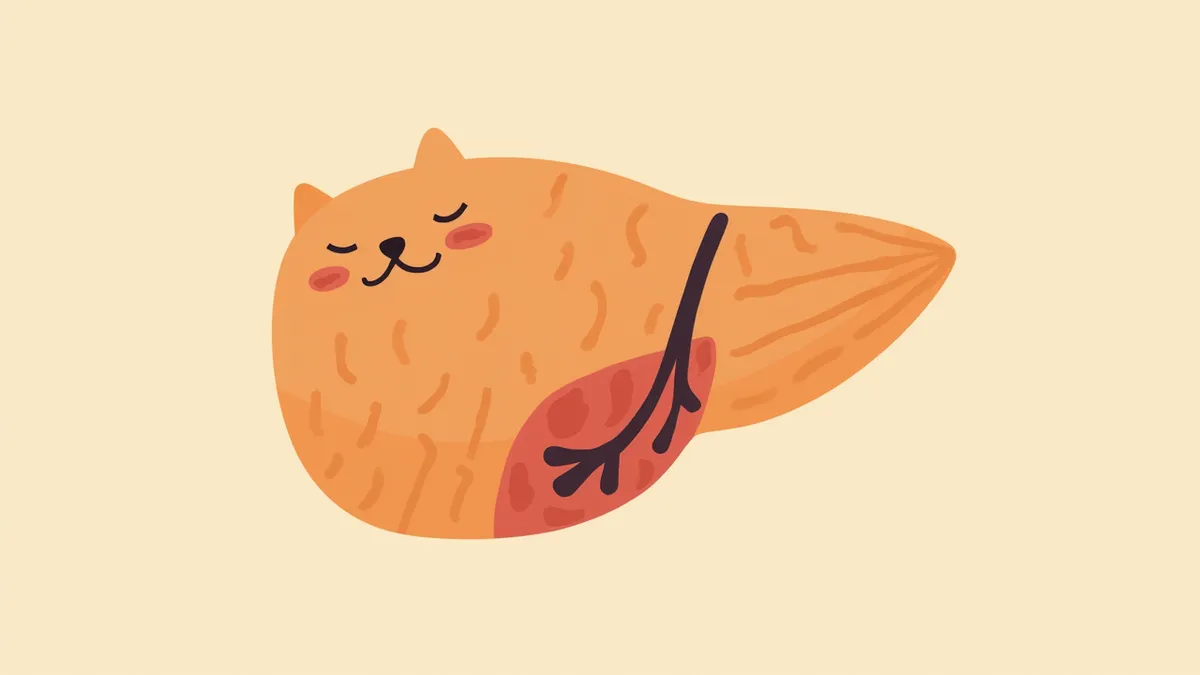
The anatomical structure of the feline liver, including blood vessels and bile ducts
Feline bile acid testing is a key diagnostic tool that assesses liver function and the liver’s ability to clear bile acids from the portal circulation. When liver function declines or portal circulation is impaired, the liver cannot adequately filter bile acids from the blood, causing levels to rise. This test is recognized for its sensitivity in detecting liver dysfunction even in early stages when clinical signs are subtle. It is particularly useful for evaluating conditions related to liver function, such as portosystemic shunts (also known as portosystemic vascular anomalies). However, bile acid levels alone cannot determine the extent of liver damage, so additional diagnostics like ultrasound or liver biopsy are necessary to identify the underlying cause. As such, this test is used as one component of a comprehensive evaluation of feline liver health.

Why Should You Perform Feline Bile Acid Testing?
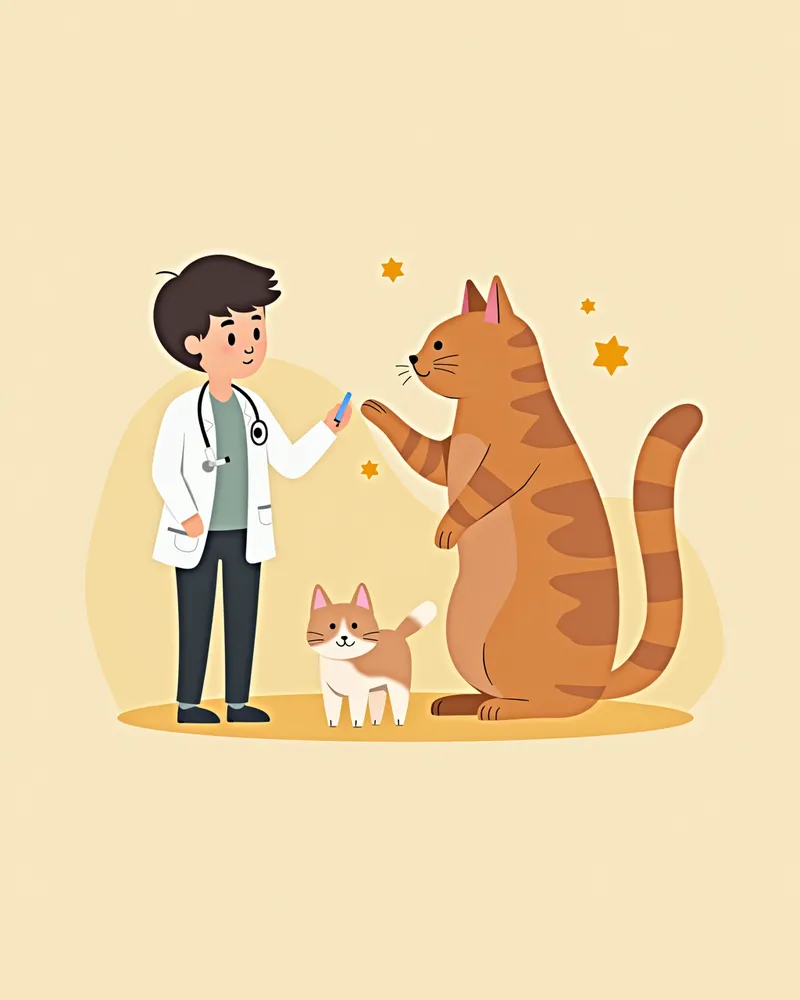
Feline liver disease is often difficult to detect in its early stages because it typically presents no obvious symptoms. Bile acid testing can identify liver dysfunction early, even when a cat appears asymptomatic. This test is especially important if your cat experiences persistent loss of appetite, weight loss, or vomiting. It provides a quantitative assessment of liver function and serves as a key indicator for determining the stage of the disease. Early detection significantly improves treatment outcomes, making this test an essential part of preventive care.
A veterinarian explaining test results to a cat owner.

What Preparation Is Needed Before the Test?

Feline bile acid testing typically involves collecting paired samples: one while fasting and another two hours after a meal. Therefore, it’s important to bring your cat to the clinic in a fasted state on the day of the test. First, blood is drawn while your cat is fasting. Then, a small, clinic-provided meal is offered, and a second blood sample is taken two hours later so the two results can be compared. Please avoid feeding your cat at home beforehand, as this can complicate the interpretation of the fasting sample. Proper handling and prompt analysis of the collected samples are also crucial for accurate results. To help ensure precision, minimize your cat’s stress before the test and allow them to rest in a quiet environment. Following these steps carefully will help yield the most reliable results.
At 8 a.m., a cat drinking water

Interpretation Criteria for Bile Acid Test Results

ItemResult RangeMeaningFurther Action
NormalFasting <2 μmol/L, postprandial 2 hours <10 μmol/LNormal liver functionMaintain regular testing
BorderlineBoth fasting and postprandial <25 μmol/LMay not be clinically significantRetest and monitor
Abnormal>30 μmol/LAlmost always associated with liver lesions (suspect liver dysfunction)Additional testing and treatment needed

Feline bile acids are interpreted as a pair of fasting and 2-hour postprandial samples, and since reference values may differ by clinic, always consult your veterinarian.

If the Test Results Are Elevated, Is a Veterinary Visit Essential?
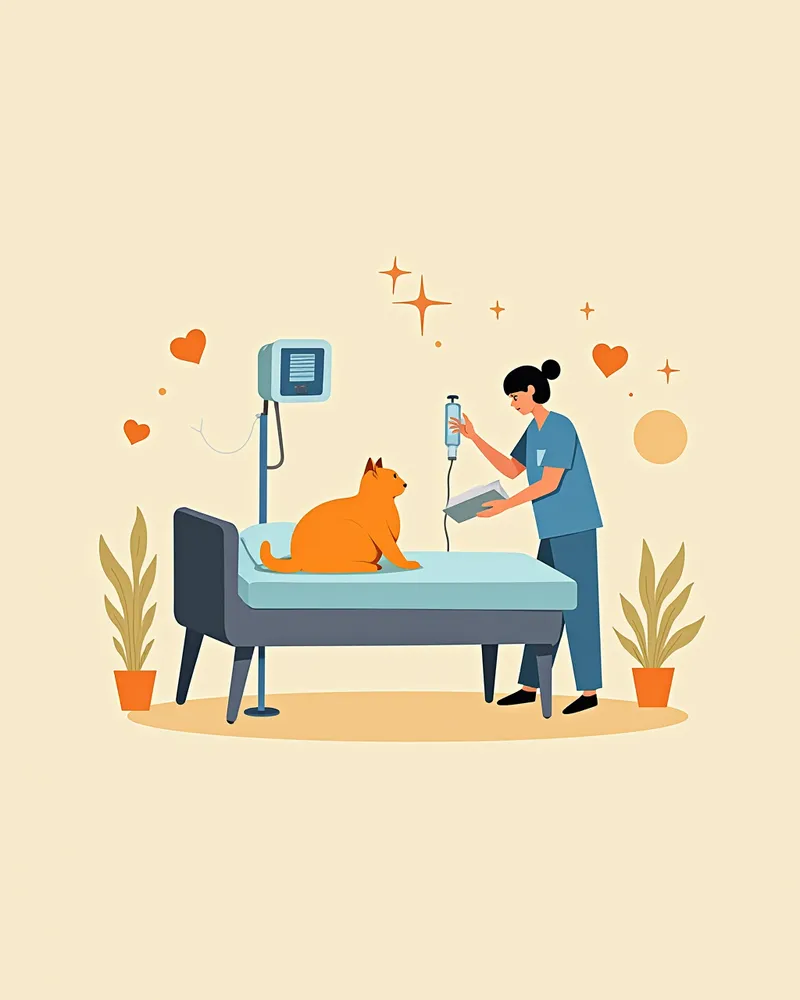
If the results are elevated, a veterinary visit is essential. An increase in bile acid levels signals potential liver dysfunction, requiring immediate further testing. We may need to perform ultrasounds, blood tests, and possibly a biopsy to identify the underlying cause. Treatment doesn’t end with simply noting the high numbers; accurately determining the root cause is the first step toward effective care. Therefore, if your pet’s results are high, consult your veterinarian to take appropriate next steps. Early intervention can significantly aid in restoring liver health.
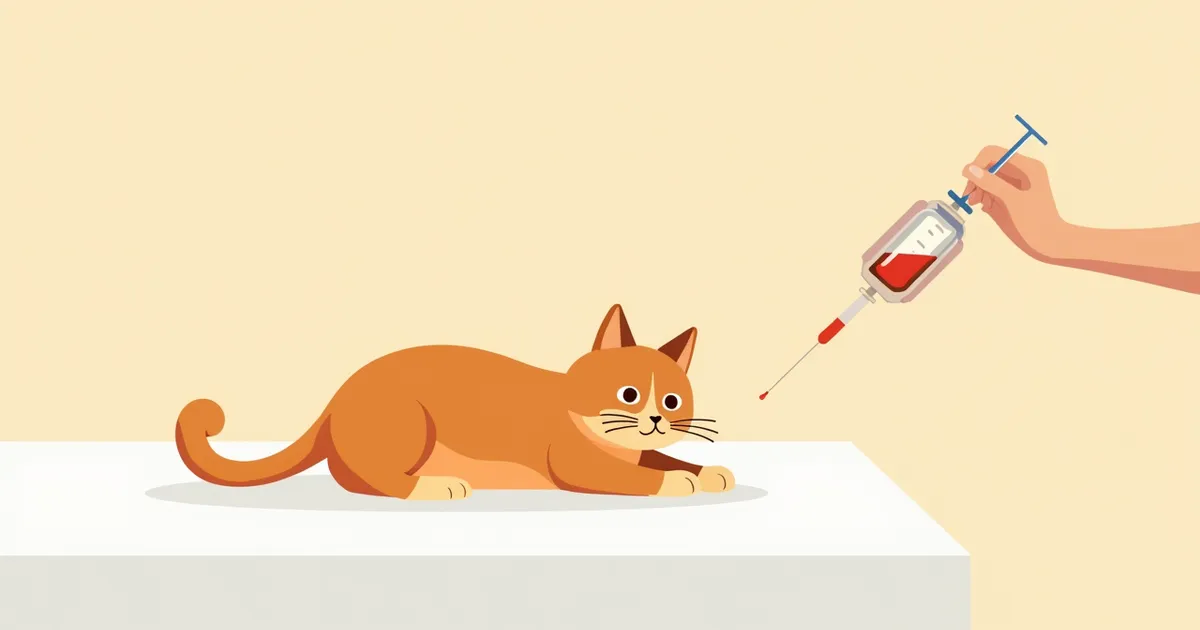
A cat receiving an intravenous injection at the clinic, while the veterinarian checks the monitor.

Signs That Require Immediate Veterinary Care

If test results are elevated and your pet is also showing symptoms such as vomiting, shock, or coma, seek veterinary care immediately. This may indicate a sudden and severe decline in liver function.

Frequently Asked Questions About Feline Bile Acid Testing
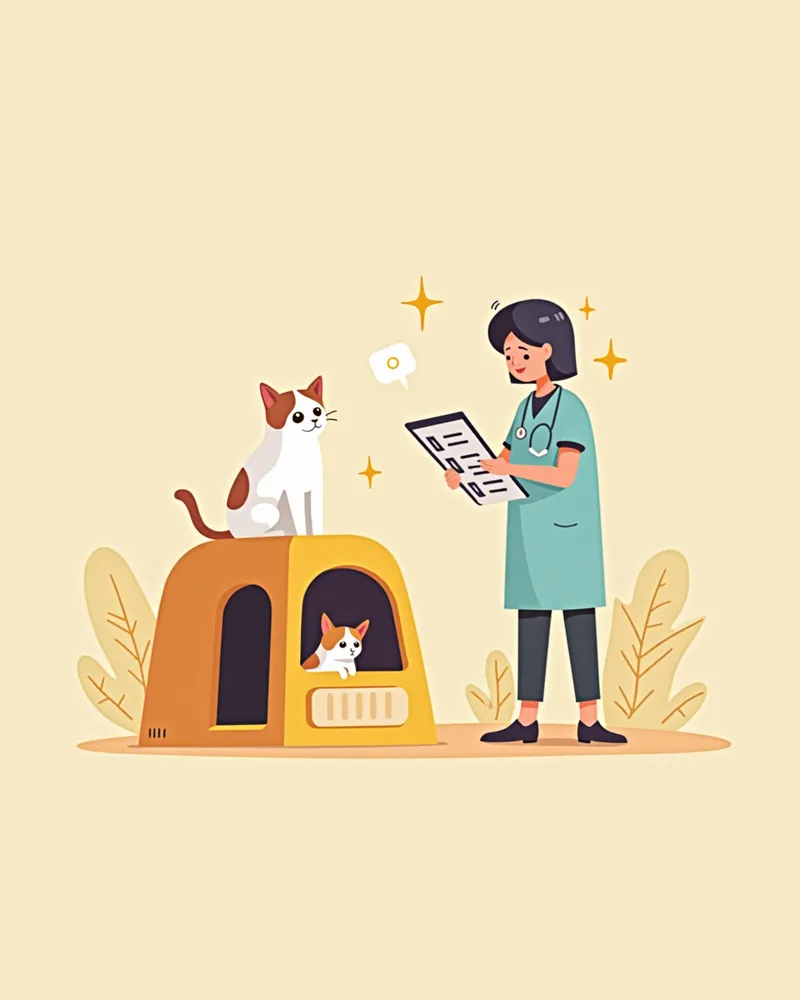
Here are some frequently asked questions from pet parents about feline bile acid testing. Take a look at the key answers to each question.
Test duration: Results are available within 15 to 30 minutes after blood collection.
Retest interval: If liver disease is suspected, retesting is recommended every 3 to 6 months.
Test cost: Typically ranges from $20 to $40, though prices vary by clinic.
Discomfort level: There is a brief sensation similar to a needle prick, but cats usually forget it quickly.
Potential for inaccurate results: Failure to fast beforehand can lead to falsely elevated results.
A cat sitting inside a carrier, while a veterinarian reviews the test results.

Points to Note

Skipping the pre-test fasting period can skew your pet’s test results, so please bring them in on an empty stomach in the morning. Also, test results should never be interpreted in isolation; be sure to review and discuss them with your veterinarian.

Reviewed by a veterinarian

Dr. Tony — Punnawat Phongkittirak

Dr. Tony — Punnawat Phongkittirak

Veterinarian

A veterinarian who majored in veterinary medicine at Khon Kaen University, Thailand, and completed the IVSA program at North Carolina State University in the United States. Drawing on clinical experience at animal hospitals, he works in the pet healthcare field and is dedicated to building a digital care environment that connects pet parents with veterinarians.

Frequently Asked Questions

When should a bile acids test be performed in cats?
This test is performed when symptoms such as vomiting, decreased appetite, or weight loss are present, or during routine health checkups.
Can my pet drink water before the test?
Water is fine to give. However, the bile acids test requires a "paired sample" protocol: blood is drawn while fasting, then a small meal is provided at the clinic, and blood is drawn again two hours later. Therefore, it's important not to feed your pet at home and to arrive at the clinic fasting so we can follow the proper testing procedure.
Does a high test result always mean my pet needs medication?
A high result doesn’t mean you should immediately start medication. First, we identify the underlying cause, and then your veterinarian will develop a tailored treatment plan.
What should I do if my cat is afraid of examinations?
Veterinarians may use sedatives or tailor the examination to your cat’s temperament. Conducting the exam in a quiet environment can be helpful.
Can my pet still have a liver problem even if the test results are normal?
Even if the results are within normal range, your pet could still have a liver disease. For example, in cases of portosystemic shunt, fasting bile acid levels may be normal while postprandial levels can rise significantly. Additionally, bile acid testing has limited diagnostic value when jaundice is present. Therefore, further testing may be necessary.

Share

Related Guides

References

[1] Center SA, Erb HN, Joseph SA. Measurement of serum bile acids concentrations for diagnosis of hepatobiliary disease in cats. J Vet Intern Med. 2006;20(3):599-605.

[2] Bayton WA, Westgarth C, Scase T, et al. Histopathological frequency of feline hepatobiliary disease in the UK. J Small Anim Pract. 2018;59(7):404-410.

[3] Stockham SL, Scott MA. Fundamentals of Veterinary Clinical Pathology, 2nd ed. Ames, Iowa: Blackwell Pub; 2008.

This information is based on veterinary literature and does not replace diagnosis or treatment. Please consult a veterinarian for specific health concerns.

Metapet Co., Ltd. | CEO: Park Sung-yong | Business Reg. No. 417-88-02562 | Seoul, South Korea | Customer Center

Feline Bile Acid Testing Q&A: Why It's Needed & Reading Results | Meongsiljang