
Like
Share
멍실장
강아지 조기 발견 종양 선별 검사 자주 묻는 질문 Q&A — 보호자가 꼭 알아야 할 핵심

Is early detection of dog cancer possible? — Which screening tests should be done first?

Oncology/CancerQ&AMeongsiljang Veterinary Advisory Board

Early detection tumor screening for dogs is a key test that helps identify cancer at an early stage, significantly improving treatment success rates. We’ve compiled the essential information every pet owner should know in a Q&A format.

What is early detection tumor screening for dogs?

A veterinarian drawing blood from a puppy's leg.
Tumor screening tests for dogs are designed to detect cancer-related signals in the blood, allowing for early assessment of cancer risk. Recently, cases have been reported where these cancer signals were identified in asymptomatic dogs, even before any clinical signs appeared. However, further research is still needed to determine how much these screening tests actually contribute to diagnosis and treatment. Therefore, test results alone cannot confirm a cancer diagnosis or guarantee successful treatment. Since the risk of tumor development increases in middle-aged and older dogs, owners of dogs in this age group may consider discussing the use of these tests with their veterinarian. - Blood-based cancer signal analysis: This test looks for cancer-related signals in the blood to assess potential risk. - The significance of early detection: While it can provide clues during the asymptomatic stage, additional tests such as fine-needle aspiration cytology or biopsy are required for a definitive diagnosis. - Regular check-ups recommended: The testing schedule should be determined in consultation with your veterinarian, based on your dog's age and health status. Early detection serves as one helpful clue in maintaining your pet's health.

Why is early detection important?

Dog cancer often goes unnoticed in its early stages because it lacks obvious symptoms, leading to late diagnosis. Sudden lameness, swelling of bones in the joints, nosebleeds, chronic diarrhea that doesn’t respond well to medication, and unexplained weight loss can be clues that make a veterinarian suspect a tumor. By the time these symptoms appear, the disease may have already progressed or metastasized (for example, soft tissue sarcomas often spread through the bloodstream to the lungs). While watching for warning signs before symptoms develop can be helpful, screening tests alone do not guarantee a cure or successful treatment. - The Importance of Early Detection: Identifying clues earlier allows you and your veterinarian to plan additional tests. - Preventive Approach: Regularly monitor your dog’s health even when there are no symptoms. - Collaboration with Your Veterinarian: Combine test results and clinical examinations to create a personalized care plan. Early detection is the first step in protecting your dog’s health.
A puppy lying comfortably in a healthy state

What types of cancer can be detected?
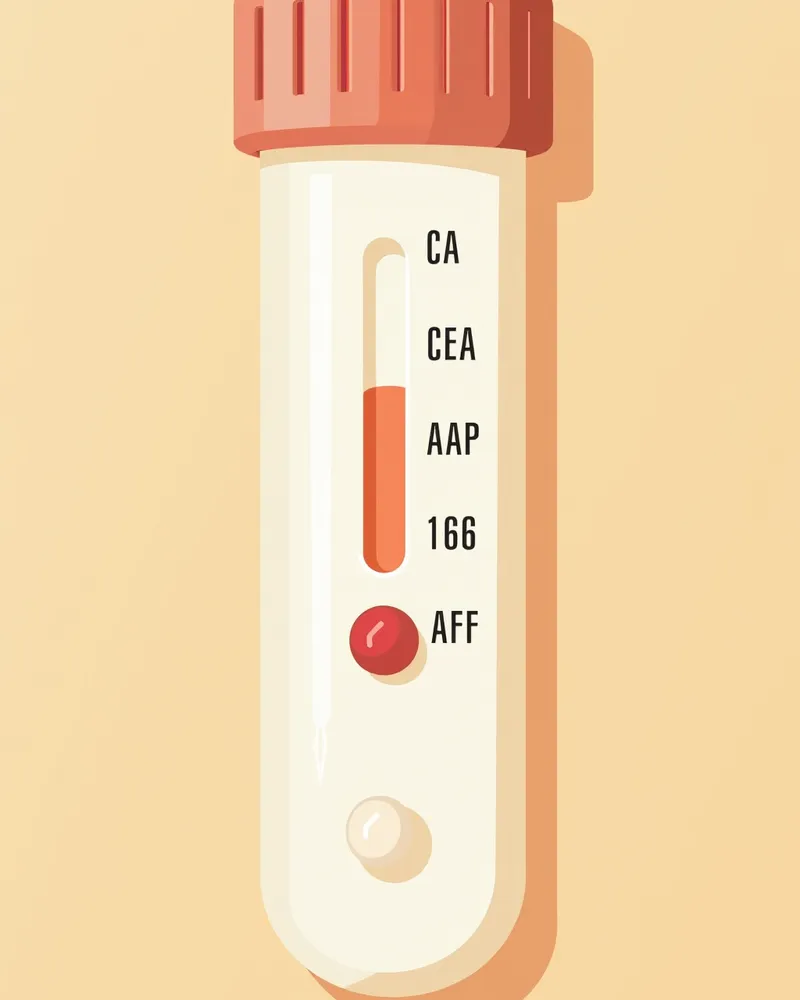
Dogs can develop a wide variety of tumors, including pulmonary carcinomas (lung cancer), mammary gland tumors, anal sac adenocarcinomas, hemangiosarcomas, and tumors of the ovaries, testes, and thyroid gland, among others. Blood-based screening tests look for cancer-related signals in some of these cases to assess the likelihood of disease. - Various tumor sites: Tumors can arise in multiple areas, such as the lungs, mammary glands, anal sacs, and thyroid gland. - Limitations of the test: This test does not definitively diagnose all cancers, and a normal result does not completely rule out cancer (false negatives are possible). If abnormal findings are detected, further testing is required. - Confirmation method: Fine-needle aspiration cytology or a biopsy is necessary for a definitive diagnosis. Cytology alone does not always distinguish between benign and malignant tumors. - Recommended additional tests: Accurate diagnosis is achieved through radiography (X-rays), ultrasound, and cytology or histopathology. Early detection is not just about simple testing; it is the beginning of proactive health management.
Indicators of cancer biomarkers measured in blood tests

Early detection tests vs. general tests: What’s the difference?

ItemEarly-detection tumor screening testGeneral health checkup
PurposeEarly screening for the possibility of cancerChecking overall health status
Testing methodAnalyzing cancer-related signals in the bloodComprehensive evaluation including blood, urine, weight, auscultation, etc.
Detection timingClues can be identified even when there are no symptomsUsually performed after symptoms appear
Whether it prompts further testingWhen abnormal signals appear, ultrasound/radiography/cytology or biopsy is recommendedNo further testing if there are no abnormal findings

Screening tests can help quickly assess the possibility of cancer, but definitive diagnosis is made through cytology/biopsy, and interpretation of results should be discussed with your veterinarian.

How often should the tests be performed?

Tumors are more common in dogs as they age, particularly in middle-aged and older dogs. Therefore, regular health check-ups and screenings become increasingly important as your dog gets older. The frequency of these check-ups should be tailored to your dog’s individual risk factors, such as age, breed, and medical history, so it’s best to consult with your veterinarian to determine the most appropriate schedule. Even if test results are normal, it’s important to continue monitoring your dog’s health over time rather than stopping after a single check-up. - Importance of Regular Check-ups: Tumors can change over time, making repeated evaluations essential. - Management for High-Risk Groups: If your dog belongs to a breed with higher risk or has a family history of tumors, discuss more frequent check-ups with your veterinarian. - Continuity of Early Detection: Early detection is an ongoing process, not a one-time event, so consistent monitoring is crucial. - Consultation with Your Veterinarian: Adjust the frequency of check-ups based on your dog’s health status. Early detection begins with ongoing attention and care.
A calendar marking puppy health check-up schedules at 6-month and 12-month intervals

If test results are abnormal, an immediate clinic visit is necessary

If your pet’s blood screening reveals abnormalities that could be linked to cancer, it’s a good idea to follow up with additional tests at the clinic. However, these warning signs don’t automatically mean a cancer diagnosis—further evaluation through ultrasound, X-rays, fine-needle aspiration cytology, or biopsy is necessary to confirm the exact condition. It’s important to consult with your veterinarian promptly so you can take appropriate action without delay.

How should you prepare for the test?

Preparation requirements vary depending on the type of test and the clinic’s policies, so it’s a good idea to check the clinic’s instructions in advance. Some blood tests may require fasting for a certain period to ensure accuracy, and in many cases, water is still allowed during this time. Keeping your dog calm in a quiet environment can help reduce stress. - Check pre-test instructions: Follow the clinic’s guidance on preparations such as fasting. - Water intake: Confirm in advance whether water is permitted even if fasting is required. - Keep your dog calm: Conduct the process calmly in a quiet space to minimize stress. - Post-test care: Unless otherwise instructed, you can resume your dog’s normal routine. While test preparation is straightforward, carefully following the clinic’s guidelines helps ensure accurate results.
A puppy sitting calmly and comfortably in a quiet examination room waiting area.

Tips for interpreting test results

Your veterinarian will interpret the results by integrating them with the clinical examination, medical history, and other diagnostic tests. A cancer diagnosis is never made based on a single test value or indicator alone. Even if a test result is elevated, various factors such as inflammation or other underlying conditions can influence the outcome; therefore, the result should be viewed as a clue rather than a definitive diagnosis. - Complexity of Result Interpretation: Multiple factors must be considered holistically. - Need for Additional Testing: If abnormal findings are present, further diagnostics such as ultrasound, radiography (X-ray), or cytology and histopathology are recommended. - Consultation with Your Veterinarian is Essential: Please consult your veterinarian to ensure an accurate diagnosis. - Avoid Excessive Worry: Remember that results are merely clues, not confirmations. Test results mark the beginning of proactive health management and provide an opportunity for meaningful communication with your veterinarian.
A veterinarian discussing test results with a dog owner.

Reviewed by a veterinarian

Dr. Tony — Punnawat Phongkittirak

Dr. Tony — Punnawat Phongkittirak

Veterinarian

A veterinarian who majored in veterinary medicine at Khon Kaen University, Thailand, and completed the IVSA program at North Carolina State University in the United States. Drawing on clinical experience at animal hospitals, he works in the pet healthcare field and is dedicated to building a digital care environment that connects pet parents with veterinarians.

Frequently Asked Questions

Does the early detection tumor screening test for dogs cause pain?
Blood draws involve a quick prick that causes minimal discomfort. While your dog may feel a bit uneasy if they’re nervous, most pups bounce back quickly.
Does a normal test result mean there’s no cancer?
A normal test result doesn’t definitively rule out cancer. False negatives can occur—meaning a problem is present but the test appears normal—and some cancers may not show detectable signs in their early stages. Regular check-ups and close monitoring are essential.
Which breeds require more frequent testing?
Veterinary textbooks mention that Boston Terriers, Brittany Spaniels, Chihuahuas, and Cocker Spaniels are among the breeds associated with mammary tumors, which generally occur more frequently in middle-aged and older dogs. However, because breed-specific risks vary depending on the type of tumor, it’s best to consult your veterinarian to develop a screening plan tailored to your dog’s individual needs.
How much does the test cost?
The cost typically ranges from $40 to $70. Prices may vary by clinic, and discounts are often available through regular check-up programs. Please contact your clinic directly to inquire about insurance coverage.
Does my dog get tired after a checkup?
While your pet may experience temporary fatigue after blood collection, most recover within a day. They can resume their normal routine without any special care.

Share

Related Guides

References

[1] Hostetter S.J. (2023) Oral cavity, gastrointestinal tract, and associated structures. In: Canine and Feline Cytology: A Color Atlas and Interpretation Guide, 2nd edn. Saunders Elsevier, St. Louis, pp. 287–296.

[2] Abbo, A.H. (2016) Pulmonary neoplasia and digital metastasis in cats. Clinicians Brief 14(10):73–75.

[3] Rebhun and Culp (2013) Primary lung neoplasms in dogs: aggressive behavior and metastatic patterns. Veterinary Surgical Oncology, 2nd Ed.

This information is based on veterinary literature and does not replace diagnosis or treatment. Please consult a veterinarian for specific health concerns.

Metapet Co., Ltd. | CEO: Park Sung-yong | Business Reg. No. 417-88-02562 | Seoul, South Korea | Customer Center

Can Dog Cancer Be Caught Early? Which Screening Tests Come First | Meongsiljang