

Step-by-Step Guide to Treating Ear Mites in Cats
Treating ear mites in cats involves three steps: cleaning the ears, administering deworming medication, and disinfecting the environment. Here’s a summary of the methods and precautions for each step.
How is Ear Mite Treatment in Cats Conducted?
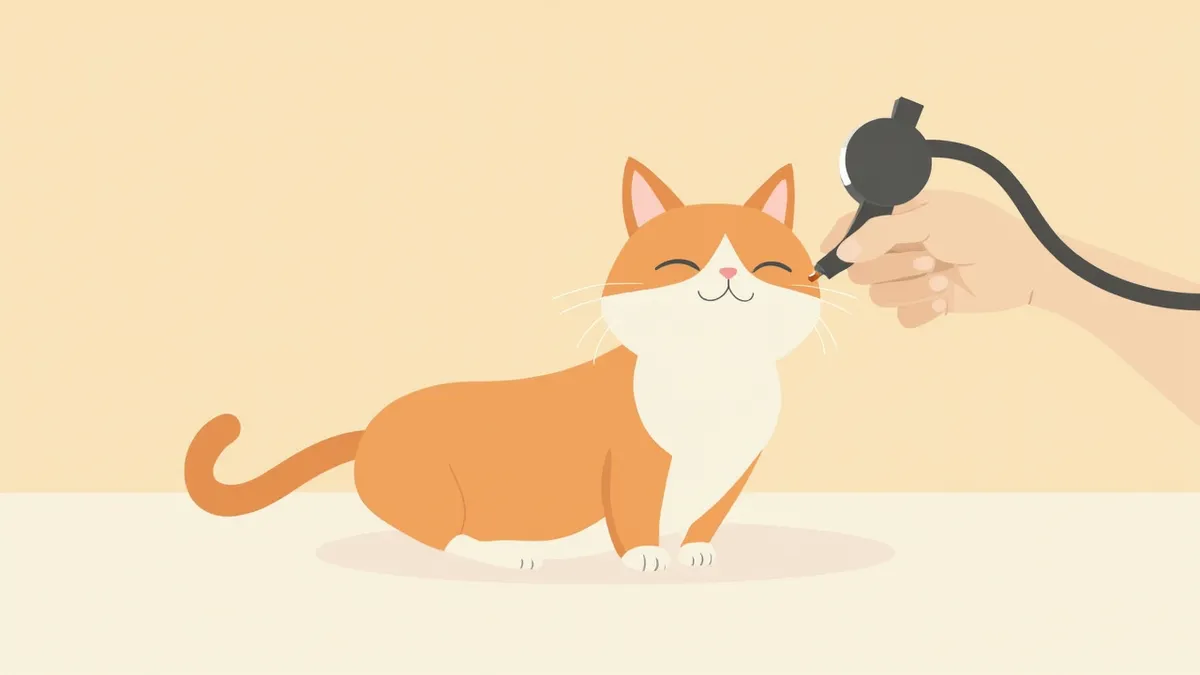
Is My Cat Infected with Ear Mites? Key Symptoms
Go to the Vet Immediately in These Conditions
If your pet is experiencing bleeding or pus discharge from the ears, tilting their head to one side, having trouble maintaining balance, or showing a decreased appetite and lethargy, it’s likely that the condition has progressed beyond simple ear mites to middle or inner ear infection. At this stage, do not attempt home treatment; instead, visit a veterinary clinic for an otoscopic examination and bacterial culture testing.
Step 1: Ear Cleaning — Preparing the Environment for Medication
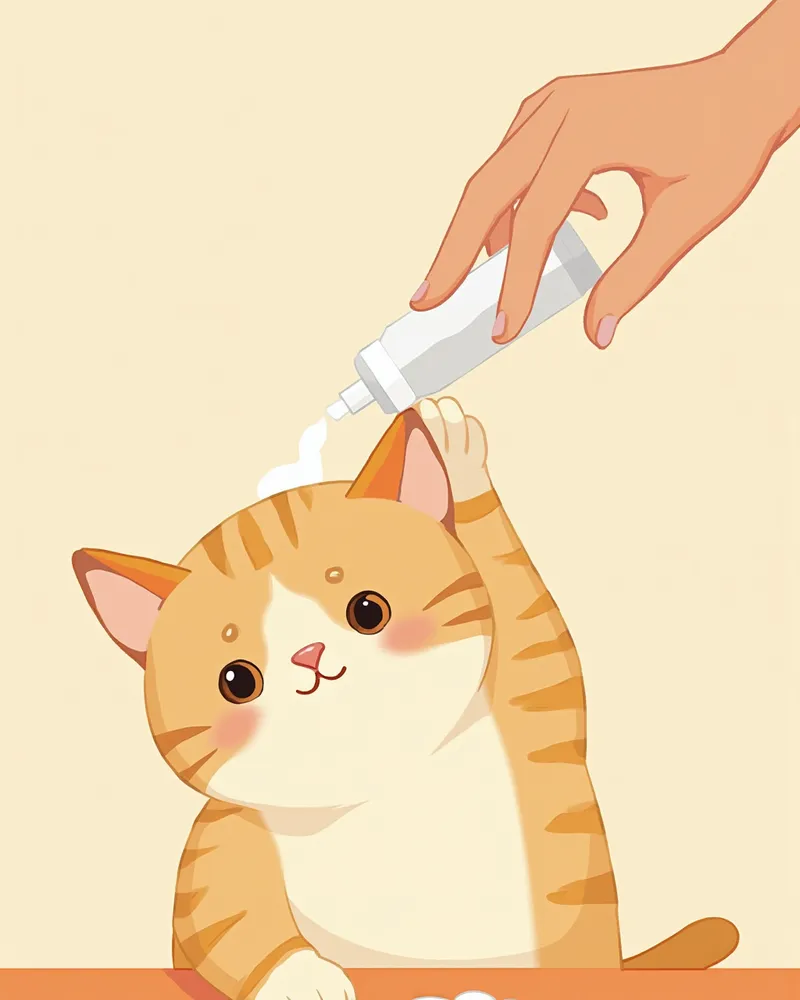
Step 2: Deworming Medication Administration — A Veterinarian’s Prescription is the Answer
Comparison of Ear Mite Deworming Medications
| Item | Spot-on (back of neck) | Ear drops | Systemic oral medication |
|---|---|---|---|
| Main ingredients | Selamectin, moxidectin, fluralaner | Ivermectin, milbemycin | Fluralaner (off-label oral), ivermectin |
| Duration of action | 1–3 months | Repeat 3–4 weeks after a single application if needed | 1–3 months |
| Advantages | Simultaneous flea & heartworm prevention | Acts directly in the ear | Doesn't get on the fur |
| Cautions | No bathing for 2 days after application | Apply once to each ear, then repeat once 3–4 weeks later per the mite life cycle | Caution with dosing for small cats |
All products must follow the veterinarian's prescription and weight-based dosing
Do Not Use Human or Dog Medications on Cats
According to veterinary dermatology textbooks, pyrethroid compounds like permethrin and deltamethrin are safe for dogs but can cause severe neurotoxicity in cats, potentially leading to tremors, seizures, and even death. Therefore, you should never use dog-specific spot-on treatments on cats. If you are unsure about a product name, it is safest to consult your veterinarian before purchasing.
Step 3: Environmental Disinfection and Simultaneous Treatment of Cohabiting Cats
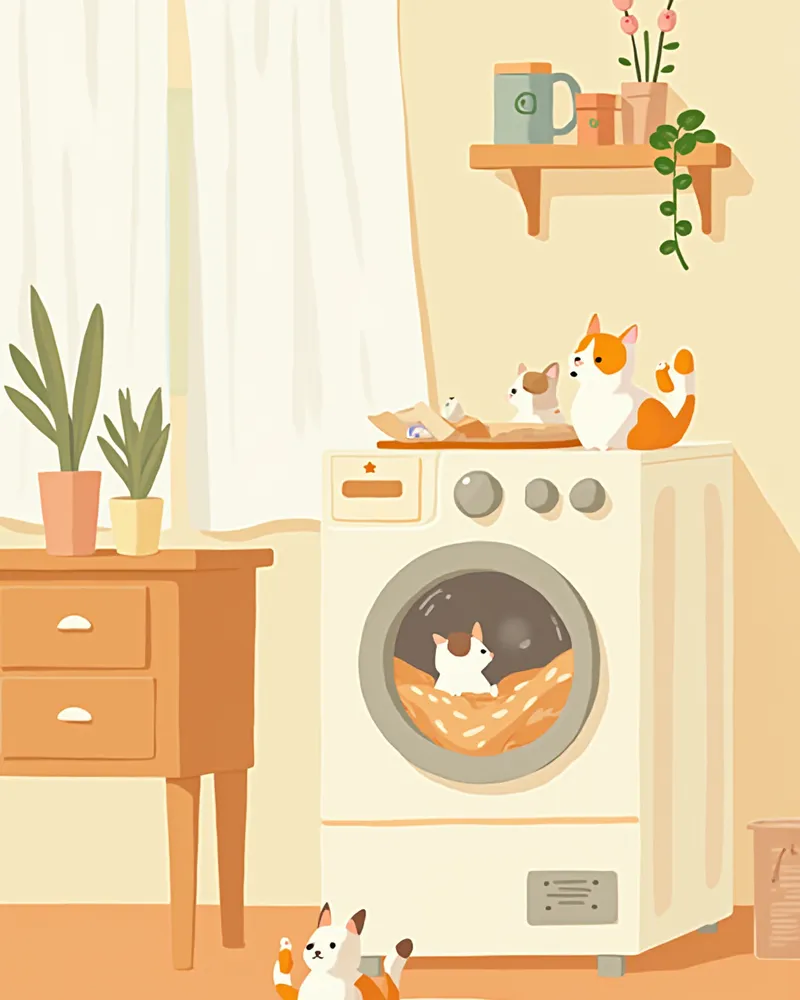
Post-Treatment Management to Prevent Recurrence
Common Mistakes During Treatment
Even if symptoms disappear, stopping medication midway can allow mites that have hatched from eggs to mature and cause a relapse. Consistent administration for at least 3 to 4 weeks, as prescribed, is essential. Additionally, inserting cotton swabs deep into the ear canal can push earwax further in or damage the eardrum; therefore, only clean the visible portions of the ear.
Reviewed by a veterinarian

Dr. Tony — Punnawat Phongkittirak
VeterinarianA veterinarian who majored in veterinary medicine at Khon Kaen University, Thailand, and completed the IVSA program at North Carolina State University in the United States. Drawing on clinical experience at animal hospitals, he works in the pet healthcare field and is dedicated to building a digital care environment that connects pet parents with veterinarians.
Reviewed 2026-04-28
Frequently Asked Questions
Can ear mites be transmitted to humans?
Will just cleaning the ears at home help?
How long does it take to achieve a complete cure?
Do kittens take the same medication?
Once your pet gets it, will they keep getting it over and over?
Share
Related Guides

Top 5 Medicated Dog Shampoos — For Pyoderma and Bacterial Infections

Veterinarian-Recommended Top 5 Medicated Shampoos for Canine Yeast Dermatitis — Relieves Itching and Greasiness

Top 5 Supplements for Feline Atopic Dermatitis and Allergies — Immune Modulation

What is Canine Uveitis? — Can It Lead to Red Eyes and Blindness?

My Dog’s Pupils Are Different Sizes — Is This a Dangerous Warning Sign?

What Is Lens Luxation in Dogs? — Timing for Emergency Surgery to Prevent Blindness

Should You Definitely Use Cyclosporine for Canine Dry Eye? — A Summary of Effects and Side Effects

What Is Corneal Pigmentation in Dogs? — Causes of Dark Film on the Eyes and Management

If a White Film Covers Your Cat’s Eye — Causes of Third Eyelid Prolapse and When to Visit the Vet

If Your Cat’s Pupils Are Different Sizes — Causes and Emergency Response for Anisocoria Q&A
References
[1] BSAVA Manual of Canine and Feline Dermatology, 4th Edition, Chapter: Ectoparasitic Diseases
[2] Principles and Practices of Canine and Feline Clinical Parasitic Diseases, Chapter 7: Mites and Lice
[3] Shoorijeh, S.J., Ghasrodashti, A.R., Tamadon, A. et al. (2008). Seasonal frequency of ectoparasite infestation in dogs. Turkish Journal of Veterinary and Animal Sciences 32(4): 309–313.