
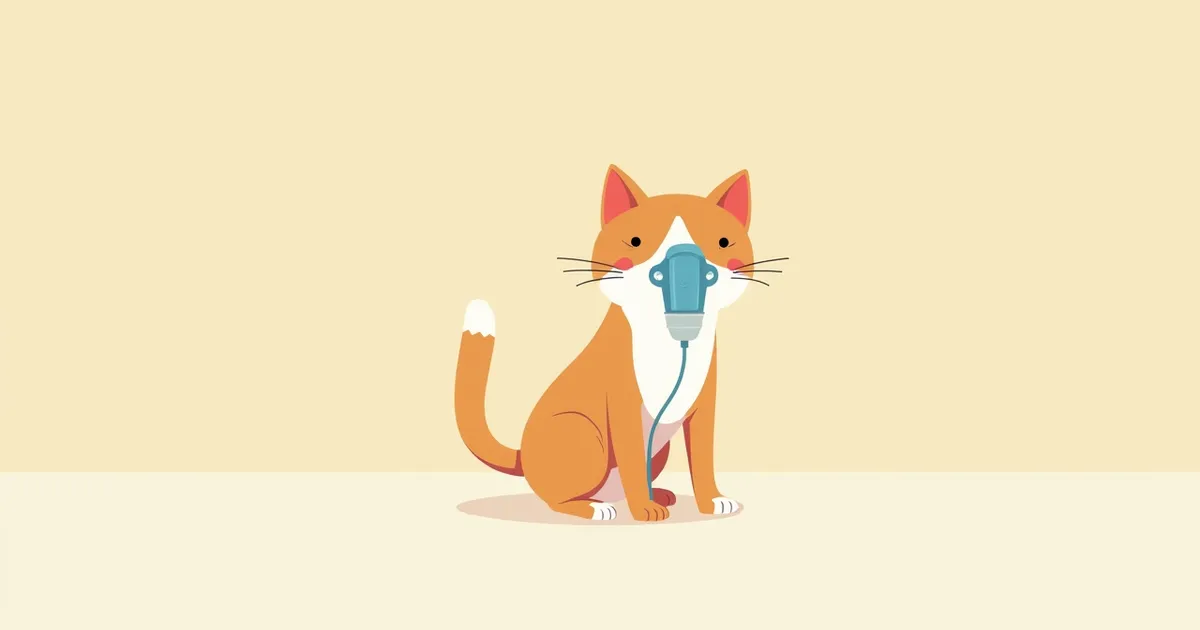
Cat Inhaled Steroid Therapy FAQ — Key Points Every Pet Owner Should Know
Inhaled steroid therapy is a cornerstone of managing asthma and chronic respiratory conditions in cats. Here’s a summary of the key points every pet owner should know.
What is cat inhaled steroid therapy?
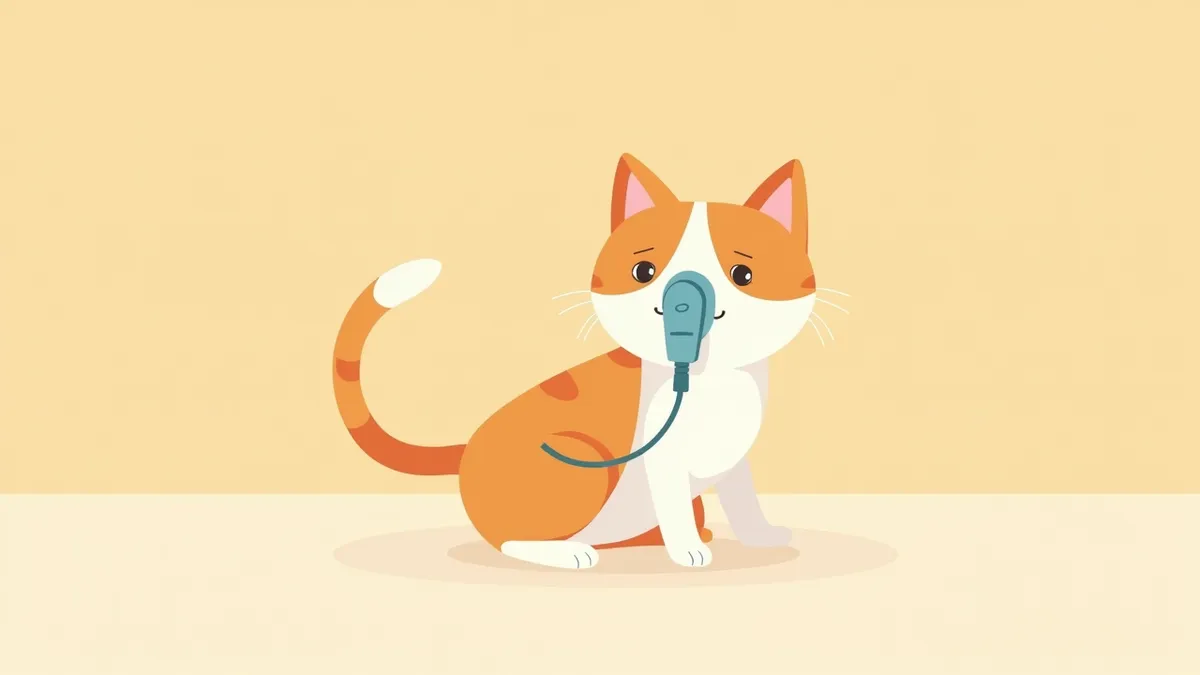
Why are inhaled steroids better than systemic steroids?
What are the main effects of inhaled steroid therapy?

What should you be careful about during inhaled steroid therapy?

Immediate veterinary visit required for acute respiratory distress
If your pet’s coughing worsens, they start panting heavily, their mouth turns blue, or they collapse, seek veterinary care immediately. These signs indicate an acute respiratory crisis that can be life-threatening.
What are the side effects of inhaled steroid therapy?

Comparison of inhaled steroids vs systemic steroids
| Item | Inhaled Corticosteroid | Systemic Corticosteroid |
|---|---|---|
| Drug Delivery Site | Directly to the airway | Systemic circulation |
| Risk of Side Effects | Low | High |
| Feasibility of Long-term Use | Highly feasible | Limited |
| Main Side Effects | Systemic side effects rare (rarely diabetes·heart failure with long-term use) | Diabetes, heart failure, polydipsia·polyuria |
Inhaled corticosteroids are specialized for controlling airway inflammation, making them suitable for long-term management. However, it may take an average of 7 to 10 days to see effects, and combined use with systemic corticosteroids may be necessary in the early stage of treatment.
What supplies are needed for inhaled steroid therapy?

Reviewed by a veterinarian

Dr. Tony — Punnawat Phongkittirak
VeterinarianA veterinarian who majored in veterinary medicine at Khon Kaen University, Thailand, and completed the IVSA program at North Carolina State University in the United States. Drawing on clinical experience at animal hospitals, he works in the pet healthcare field and is dedicated to building a digital care environment that connects pet parents with veterinarians.
Reviewed 2026-06-29
Frequently Asked Questions
How many times a day should I use the inhaled steroid?
What should I do if my cat dislikes wearing a mask during treatment?
Will my pet’s condition worsen if we stop the inhaled steroid?
What should I do if my pet develops mouth problems after treatment?
Can inhaled steroids affect a cat's growth?
Share
Related Guides
Top Recommended Feline Bronchodilators and Selection Criteria: A Complete Guide
Best Recommendations and Selection Criteria for Monitoring Your Cat’s Respiratory Rate (RR) During Sleep for Heart Care
Best Recommendations and Selection Criteria for Monitoring Your Dog’s Respiratory Rate (RR) During Sleep for Heart Care

Dog Seasonal Parasite Prevention Strategy FAQ — Key Points Every Pet Owner Must Know

Canine Lung Fluke FAQ — Key Information Every Pet Owner Should Know

Dog Lice Infestation FAQ — Key Information Pet Owners Must Know

Dog Echinococcus FAQ — Key Information Every Owner Must Know

Frequently Asked Questions on Drug Resistance in Dog Parasite Preventives — Key Information Pet Owners Must Know

Cat Tapeworm (Tapeworm) Frequently Asked Questions Q&A — Key Information Pet Owners Must Know

Cat Fecal Parasite Testing Methods FAQ — Key Information Every Pet Owner Should Know
References
[1] BSAVA Manual of Canine and Feline Dermatology, 4th Ed, 2020
[2] Handbook of Veterinary Pharmacology, 2021
[3] The Veterinary Workbook of Small Animal Clinical Cases, 2019