Like
Share
멍실장
자묘 이갈이 시기와 관리 완벽 가이드

The Complete Guide to Kitten Teething: Timing and Care

Oral HealthQ&AMeongsiljang Veterinary Advisory Board

Teething in kittens is a natural process where baby teeth fall out and are replaced by permanent teeth between 3 and 6 months of age. Here’s what to expect at each stage and how to care for your kitten during this time.

What Is Kitten Teething?
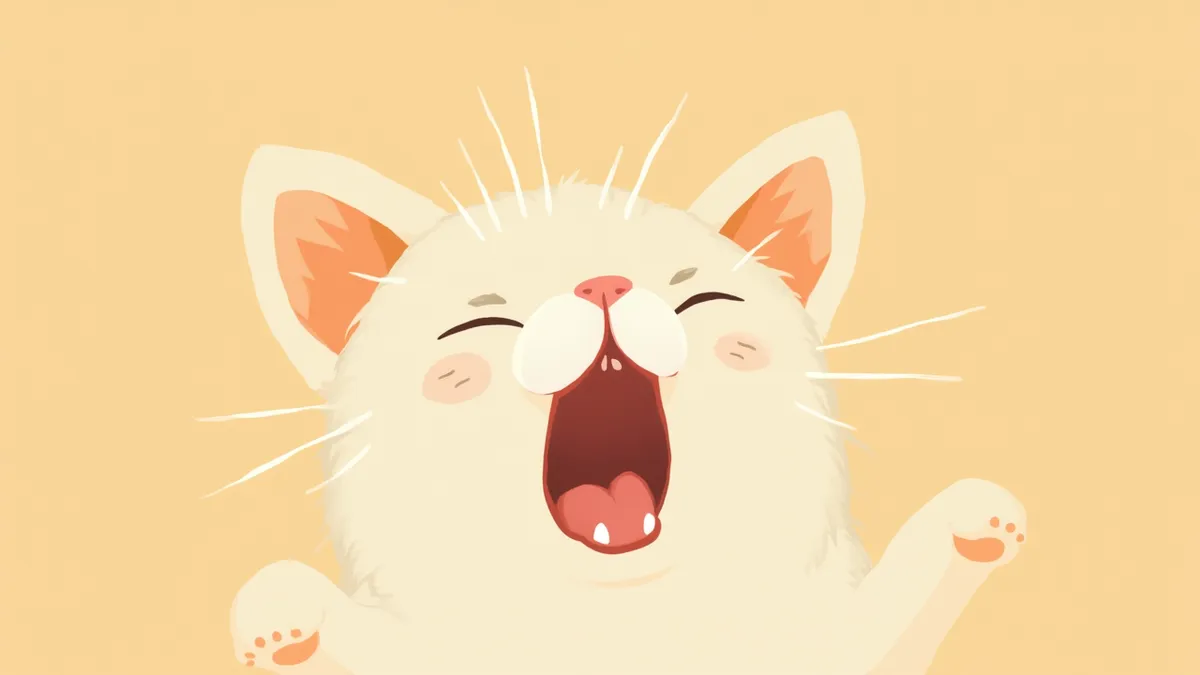
The teeth of a young kitten with its mouth open
Kitten teething is a natural part of growth that occurs between 3 and 6 months of age, during which 26 deciduous teeth are replaced by 30 permanent teeth. The key management points during this period are checking for retained deciduous teeth and satisfying the kitten’s urge to chew. If any baby teeth remain alongside the permanent teeth, or if gum bleeding or decreased appetite persists for more than 2–3 days, a veterinary oral examination is necessary. While this process typically passes without issue, the sequence and speed of tooth eruption can vary depending on the breed and individual kitten.

Stages of Kitten Dental Development

Kitten teeth develop in two stages. Kittens are born without teeth, and their deciduous (baby) teeth begin to erupt at 2–3 weeks of age. There are 26 deciduous teeth in total, which are fully in place by around 6 weeks of age. Starting at about 3–4 months of age, permanent teeth begin to push out the deciduous teeth. Canines and molars erupt at 4–5 months, while premolars erupt at 4–6 months. By approximately 7 months of age, all 30 permanent teeth are fully in place. This transition period is known as teething. Because signs of teething are not always obvious, owners may easily overlook them; therefore, it is important to regularly check your kitten’s oral health.

Kitten Dental Development Timeline

ItemNeonatal StageBaby Teeth StageTeething StagePermanent Teeth Complete
Timing0–2 weeks3 weeks–3 months3–6 monthsaround 6–7 months
Teeth ConditionNo teeth26 baby teethBaby teeth replaced by permanent teeth30 permanent teeth
Key ChangesNursingBegins weaning foodTeeth falling out, increased urge to chewAdult mouth complete
Owner PointsBreastfeedingSoft foodToys and check-upsRegular scaling

There is individual variation, and a difference of about ±1 month is within the normal range

Key Signs of Teething
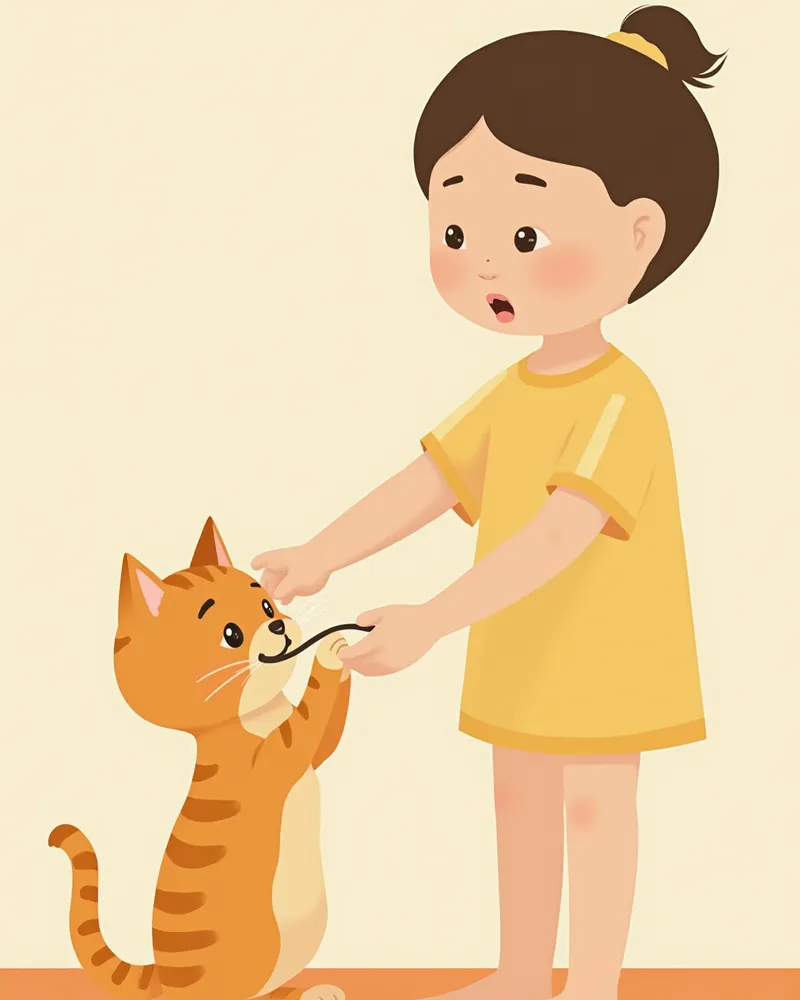
Kittens show more subtle signs of teething than puppies, so close observation is essential. - Finding lost baby teeth: Discovering small tooth fragments on the floor, in their sleeping area, or in their food bowl. - Increased chewing behavior: Biting cables, furniture, or fingers more frequently than usual. - Gum bleeding: Noticing trace amounts of blood after drinking water or eating food. - Bad breath: A temporary increase in halitosis during the tooth transition period. - Decreased appetite: Avoiding dry kibble or chewing on only one side. In most cases, kittens swallow the loose teeth, making it difficult to find them.
A guardian checking a kitten's teeth

When to See a Veterinarian Immediately

The following signs may indicate an oral disease or retained deciduous teeth, rather than normal teething: - Gum bleeding lasting more than three days - Severe pain or crying when the mouth is touched - Refusal to eat food for more than two days - Retained deciduous teeth (baby teeth remain in place even after permanent teeth have erupted) - Facial swelling or excessive drooling In particular, retained deciduous teeth can cause malocclusion and periodontal disease, so a veterinarian should evaluate whether extraction is necessary.

What Are Retained Deciduous Teeth?

Retained deciduous teeth are baby teeth that fail to fall out even after the permanent teeth have erupted. While relatively uncommon in kittens, they are occasionally seen in certain breeds, such as Persians. Retained baby teeth can cause the permanent teeth to grow in abnormal positions, leading to malocclusion, and food particles trapped between the teeth can result in periodontal disease. According to veterinary dental textbooks, if a baby tooth remains in place once the corresponding permanent tooth has erupted to any extent, it is considered retained, and early extraction is recommended. Even if the baby tooth does not appear noticeably loose, a veterinarian should promptly determine the appropriate timing for extraction.

Care Tips for Owners During Teething

During the teething stage, it’s important to safely satisfy your kitten’s urge to chew while supporting oral health. - Dental-specific toys: Provide kitten-sized teething toys made of silicone or natural rubber. - Softened food: Slightly soften dry kibble with lukewarm water before feeding. - Remove hazardous items: Keep electrical cords, rubber bands, and earphone wires out of sight. - Oral desensitization training: Gently massage your kitten’s gums with your finger once a day. - Use catnip toys: Help relieve stress and make chewing more enjoyable. If your kitten bites your fingers during this period, avoid scolding and instead redirect their attention to an appropriate toy.
A young cat chewing on a dental toy

The Start of Oral Care After Teething

The period when permanent teeth fully erupt, around 6 to 7 months of age, marks the beginning of lifelong oral care. Establishing a tooth-brushing routine from this stage helps minimize resistance as your cat matures into adulthood. Start by gently massaging the gums with gauze or a finger brush, then gradually transition to a kitten-sized toothbrush and cat-specific toothpaste. Never use human toothpaste, as it contains fluoride, which is harmful to cats. For more detailed information on dental care, please refer to our Cat Dental Care Guide.

Reviewed by a veterinarian

Dr. Tony — Punnawat Phongkittirak

Dr. Tony — Punnawat Phongkittirak

Veterinarian

A veterinarian who majored in veterinary medicine at Khon Kaen University, Thailand, and completed the IVSA program at North Carolina State University in the United States. Drawing on clinical experience at animal hospitals, he works in the pet healthcare field and is dedicated to building a digital care environment that connects pet parents with veterinarians.

Frequently Asked Questions

Is it okay if my kitten swallows a loose baby tooth?
Yes, there’s usually no cause for concern. Baby teeth are small and not particularly sharp, so they typically pass through the digestive tract and are excreted naturally. In fact, most pet owners don’t even realize a tooth has fallen out because it’s swallowed without incident.
Is it normal for my puppy to lose its appetite during the teething stage?
A temporary decrease in appetite is within the normal range. Try soaking dry kibble in lukewarm water or adding wet food to encourage eating. However, if your pet refuses to eat for more than two days, a veterinary visit is necessary.
Can I keep my pet’s lost baby teeth?
It’s perfectly fine to keep it as a keepsake. Just make sure to wash it thoroughly, dry it completely, and store it in an airtight container. Keep it out of reach so your kitten doesn’t accidentally swallow it again.
Is it okay to have scaling done during a teeth grinding session?
It is safest to wait until after 6 to 7 months of age, when the teething process is complete. The roots of teeth being replaced are weak and may fall out prematurely due to the stimulation of scaling. However, the extraction of retained deciduous teeth is an exception and can be performed.
Do I really need to buy a teething toy for my kitten?
It’s not mandatory, but it’s highly recommended. Without a safe alternative to satisfy their strong urge to chew, kittens may end up gnawing on cables or furniture, which can lead to accidents. Products made from silicone or natural rubber and specifically designed for kittens are the safest options.

Share

Related Guides

References

[1] Niemiec BA, Veterinary Periodontology, Wiley-Blackwell, 2013

[2] Lommer MJ, Oral and Maxillofacial Surgery in Dogs and Cats, 2012

[3] Hennet P, Dental Development and Retained Deciduous Teeth in Cats, J Vet Dent, 2019

This information is based on veterinary literature and does not replace diagnosis or treatment. Please consult a veterinarian for specific health concerns.

Metapet Co., Ltd. | CEO: Park Sung-yong | Business Reg. No. 417-88-02562 | Seoul, South Korea | Customer Center

When Do Kittens Teethe? A Complete Guide to Baby Tooth Loss and Care | Meongsiljang