
Like
Share
멍실장
강아지·고양이 혈압질환 진단 기준 총정리

Essential Guide to Diagnostic Criteria for Blood Pressure Disorders in Dogs and Cats

HeartQ&AMeongsiljang Veterinary Advisory Board

We’ve compiled the essential information pet owners need to know about blood pressure disorders in dogs and cats, including diagnostic criteria and measurement methods for hypertension and hypotension, underlying causes, and treatment approaches.

What Are Pet Blood Pressure Disorders?
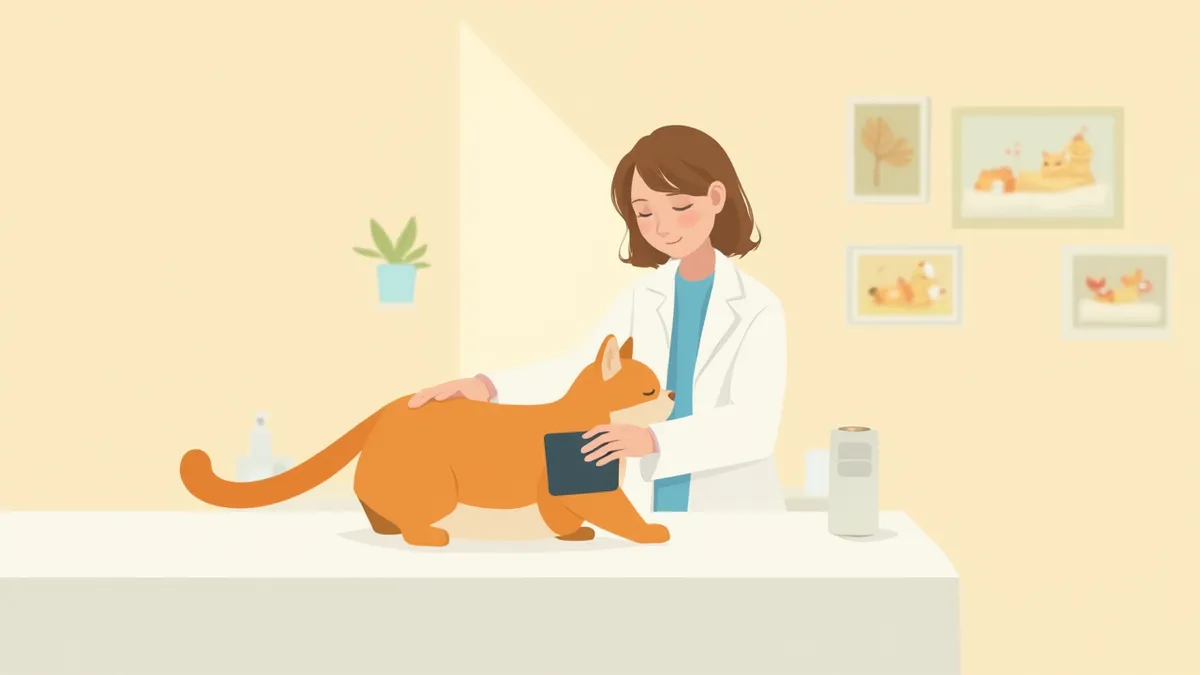
A veterinarian measuring a cat's blood pressure by wrapping a cuff around its tail in the examination room.
Blood pressure disorders in pets is a circulatory disorder where elevated systolic blood pressure can damage target organs such as the heart, kidneys, eyes, and brain. The most critical aspect is early diagnosis. Both dogs and cats typically show few noticeable symptoms in the early stages, making blood pressure readings the only reliable indicator. Therefore, blood pressure measurement should always be included in routine health check-ups.

How Is Blood Pressure Measured?

Pet blood pressure is typically measured using either the Doppler or oscillometric method. A cuff sized appropriately for the animal’s body is placed around one of the front legs, hind legs, or tail. Multiple readings are taken while the pet is calm, and the average is calculated. The first reading is often excluded because stress can cause an artificially high result, and if the pet is highly excited or fearful, remeasurement is necessary. To ensure accuracy, the cuff must be the correct size for the circumference of the distal limb.

Systolic Blood Pressure Reference Table (Dogs and Cats)

ItemSystolic blood pressure (mmHg)Risk of target organ damage
Normal<140Minimal
Prehypertensive140–159Low
Hypertensive160–179Moderate
Severely hypertensive≥180High

Based on the 2018 ACVIM consensus guidelines (classification of target organ damage risk in hypertension). Hypotension is assessed under a separate framework and falls outside the scope of this table. The veterinarian adjusts interpretation according to breed, situation, and measurement method.

Main Causes and Signs of Hypertension

In cats, high blood pressure is almost always secondary, meaning it’s caused by another underlying condition. While dogs also mostly experience secondary hypertension, primary (essential) hypertension is rarely reported and is known to be relatively more common in dogs than in cats. According to veterinary internal medicine textbooks, there are typically no noticeable symptoms until target organs begin to suffer damage. - Common underlying conditions: Chronic kidney disease, hyperthyroidism, hyperadrenocorticism (Cushing’s disease), diabetes mellitus - Ocular signs: Sudden blindness, dilated pupils, ocular hemorrhage - Neurological signs: Seizures, difficulty standing, head tilt
An elderly cat resting by the window, with one pupil slightly dilated.

When to Seek Immediate Veterinary Care

If your pet suddenly loses vision in one or both eyes, or experiences seizures, collapse, or head tilting, suspect target organ damage caused by severe hypertension (blood pressure ≥180 mmHg). In such cases, serious complications like retinal detachment or cerebral hemorrhage can progress rapidly, so you should immediately take your pet to a veterinary hospital that offers 24-hour emergency care.

When Is Hypotension a Problem?
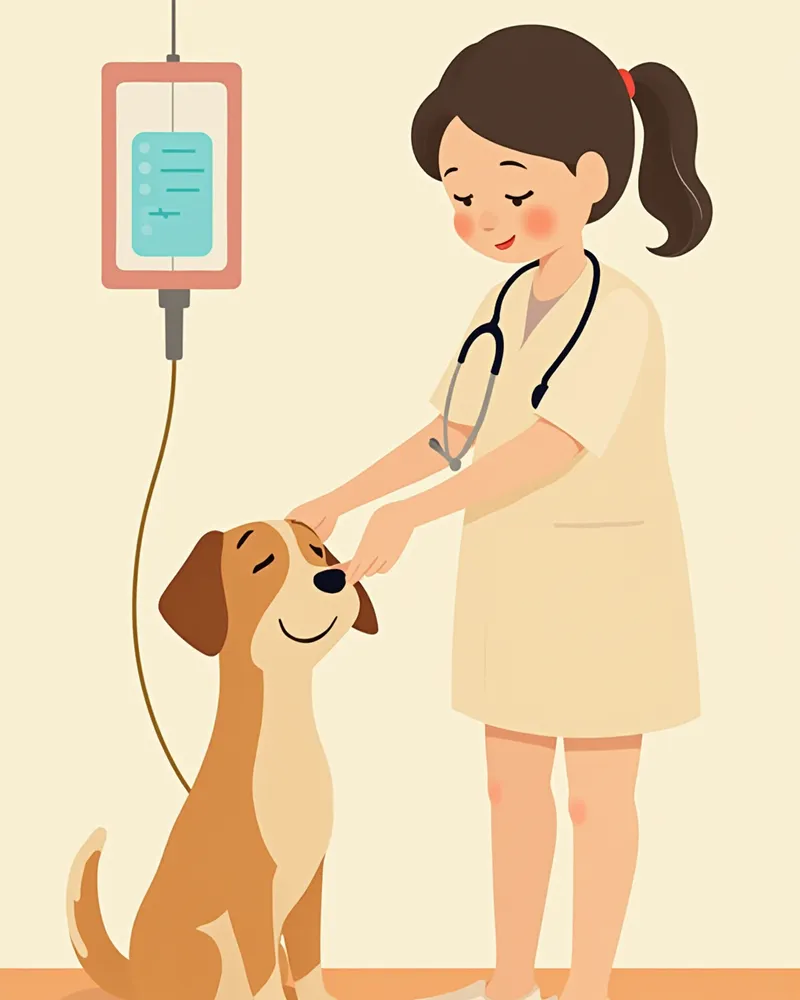
Hypotension refers to a state in which systolic blood pressure is significantly below the normal range. The underlying cause is more important than the numerical value itself. Common causes include dehydration, hemorrhage, heart failure, sepsis, and adverse drug reactions during anesthesia. - Gum color: Pale or grayish - Capillary refill time (CRT): Delayed beyond 2 seconds - Mental status: Lethargic and slow to respond - Body temperature: Decreased, with cold extremities If these signs are present, there is a risk of hypotension or shock, and immediate veterinary care is required.
A veterinarian checking the capillary refill time of a dog receiving intravenous fluids.

Diagnostic Procedure for Blood Pressure Disorders

An abnormal blood pressure reading is not the end of the story. We do not make a diagnosis based on a single measurement; instead, we recheck on a different day to confirm if the high readings are consistent. Following this, we proceed with tests to identify any underlying conditions. - Blood and urine tests: To assess kidney, thyroid, and adrenal function - Fundoscopic exam: To check for retinal hemorrhage or detachment - Echocardiogram and ECG: To evaluate for left ventricular hypertrophy - Abdominal ultrasound: To assess the structure of the adrenal glands and kidneys

Preparation and Precautions Before Measurement

Avoid vigorous play, travel, and meals for 30 minutes before the measurement. To minimize the "white coat effect," where stress in the waiting room can artificially elevate readings, it's best to measure in a quiet space with the pet owner present. If your pet is taking medications (such as steroids or certain blood pressure drugs), please inform your veterinarian beforehand to ensure accurate interpretation of the results.

Criteria for Initiating Treatment and Management Points

According to veterinary cardiology textbooks, treatment is initiated when systolic blood pressure exceeds 160 mmHg on two or more occasions and there are signs of target organ damage. Cats are typically prescribed amlodipine, while dogs are usually treated with ACE inhibitors or calcium channel blockers. The dosage is determined by the veterinarian based on the pet’s body weight and underlying disease. Blood pressure is rechecked 7–10 days after starting treatment to adjust the regimen (if systolic pressure exceeds 180 mmHg, follow-up within 1–3 days is required), and then monitored every 3–6 months thereafter. For hypotension, correcting the underlying cause (such as dehydration, hemorrhage, or heart failure) is the top priority.

Reviewed by a veterinarian

Dr. Tony — Punnawat Phongkittirak

Dr. Tony — Punnawat Phongkittirak

Veterinarian

A veterinarian who majored in veterinary medicine at Khon Kaen University, Thailand, and completed the IVSA program at North Carolina State University in the United States. Drawing on clinical experience at animal hospitals, he works in the pet healthcare field and is dedicated to building a digital care environment that connects pet parents with veterinarians.

Frequently Asked Questions

Can I measure my pet's blood pressure at home?
While home devices are available, their accuracy is limited, and readings can vary significantly depending on your pet’s stress level and posture. For the most accurate results, it’s best to have measurements taken at a veterinary clinic equipped with professional-grade instruments.
How often should blood pressure be measured?
For pets aged 7 years or older, or those with kidney, heart, or endocrine diseases, we recommend checking their blood pressure at least once every six months. If your pet is undergoing treatment, it is best to monitor their blood pressure every 3 to 6 months after it has stabilized.
Do I need to give my pet blood pressure medication for the rest of their life?
If the underlying condition is manageable (e.g., after thyroid surgery), the medication may be reduced or discontinued. However, if chronic kidney disease is the cause, long-term use is usually necessary.
If my pet has low blood pressure, are there any immediate steps I can take at home?
If you suspect dehydration, offer fresh water, but if your pet appears lethargic or has pale gums, seek veterinary care immediately, as they may require intravenous fluid therapy.
How can you tell if your pet is experiencing the white coat effect?
If the first reading is unusually high and subsequent values gradually decrease, it may be due to stress. Take multiple readings to calculate an average, and check again on another day to confirm.

Share

Related Guides

References

[1] The Cat, Clinical Medicine and Management, 2nd Edition — Cardiovascular Diseases: Hypertension

[2] Clinical Medicine of the Dog and Cat, 4th Edition — Systemic Hypertension

[3] ACVIM Consensus Statement: Guidelines for the identification, evaluation, and management of systemic hypertension in dogs and cats, 2018

This information is based on veterinary literature and does not replace diagnosis or treatment. Please consult a veterinarian for specific health concerns.

Metapet Co., Ltd. | CEO: Park Sung-yong | Business Reg. No. 417-88-02562 | Seoul, South Korea | Customer Center

Blood Pressure Disorders in Dogs & Cats: Diagnostic Criteria | Meongsiljang