
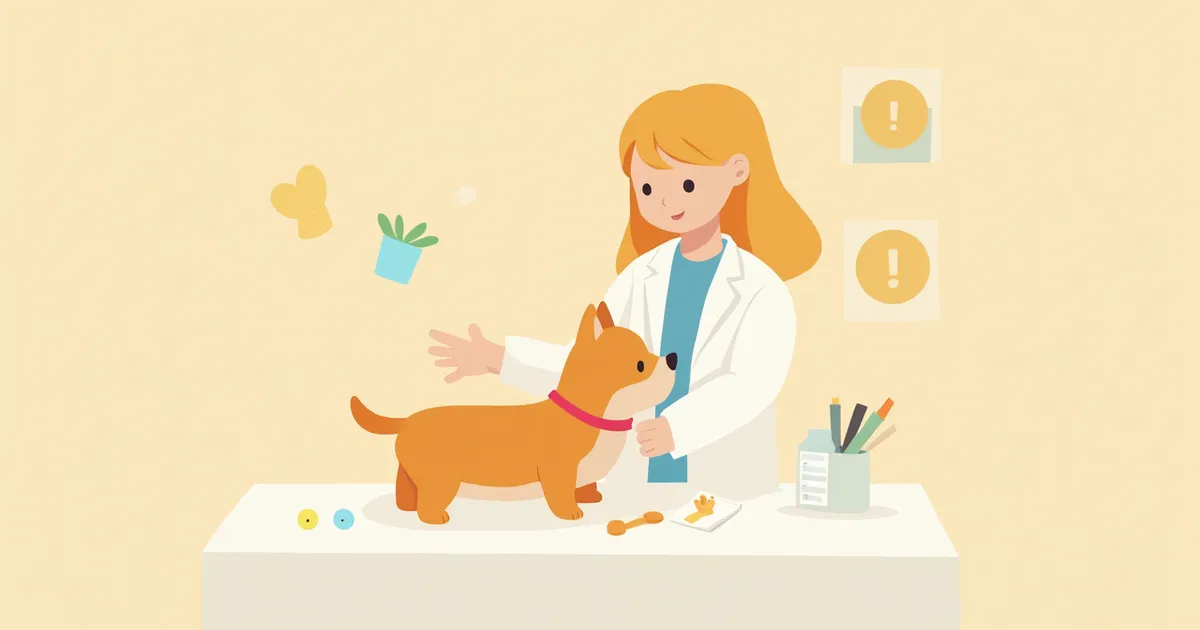
Canine Giardia: A Complete Guide to Testing and Treatment for Chronic Diarrhea
Giardia is a common cause of chronic diarrhea in dogs. It’s easily missed on routine fecal exams, so PCR or antigen testing is necessary, and treatment typically involves metronidazole or fenbendazole. We’ve also included home care tips to help prevent reinfection.
What Is Canine Giardiasis? A One-Line Summary

Understanding How Infection Occurs
Comparison of Giardia Testing Methods
| Item | Routine fecal exam (flotation) | ELISA antigen test | PCR test |
|---|---|---|---|
| Detection tendency | False negatives are common when cysts are shed intermittently | Relatively high | Highest |
| Test time | Same day | Same day to 1 day | 1–3 days |
| Cost level | Low | Medium | High |
| Advantages | Fast and inexpensive; live trophozoites can be confirmed via direct saline smear | Detects via antigen even during periods of intermittent cyst shedding | High sensitivity and can also check for other intestinal pathogens |
| Disadvantages | Cysts/trophozoites are shed intermittently, so a negative result may occur | Difficult to determine cure alone | Cost and turnaround time |
If chronic diarrhea is suspected, it is advisable to combine a routine fecal exam with an antigen test or PCR. Because cysts are shed intermittently, a single negative test alone should not provide reassurance.
Signs That Suggest Giardia Infection

When to Seek Immediate Veterinary Care
Young puppies and senior dogs can develop dehydration rapidly from Giardia alone. If diarrhea persists for more than 24 hours, contains blood, or is accompanied by lethargy and loss of appetite, seek veterinary care immediately. In young puppies, sudden vomiting and bloody stool require differential diagnosis to rule out other emergency conditions such as parvovirus.
What Medications Are Used for Treatment?

Home Care Tips to Prevent Reinfection

Zoonotic Transmission: It Can Spread to Humans
Giardia is a zoonotic infection, meaning it can be transmitted to humans. In households with young children, pregnant women, or immunocompromised individuals, it is essential to wash hands thoroughly after handling feces, prevent dogs from licking around their mouths, and keep bedding separate. If family members experience similar chronic diarrhea symptoms, seek medical attention at a human healthcare facility. However, since the frequency of transmission between dogs and humans is relatively low, there is no need for excessive concern.
Reviewed by a veterinarian

Dr. Tony — Punnawat Phongkittirak
VeterinarianA veterinarian who majored in veterinary medicine at Khon Kaen University, Thailand, and completed the IVSA program at North Carolina State University in the United States. Drawing on clinical experience at animal hospitals, he works in the pet healthcare field and is dedicated to building a digital care environment that connects pet parents with veterinarians.
Reviewed 2026-05-11
Frequently Asked Questions
Can my pet still have giardia even if the routine fecal test came back negative?
My pet has no symptoms, but Giardia was detected. Do they need treatment?
I'm worried about the side effects of metronidazole.
Can it be prevented with a vaccine?
The treatment is finished, but my pet is having diarrhea again. Could it be a reinfection?
Share
Related Guides

5 Flea and Tick Preventives for Cats Recommended by Veterinarians — Ingredient Safety Comparison

The Ultimate Guide to Differentiating Symptoms, Managing Internal Parasites in Dogs, and Choosing the Best Products

Best Practices and Selection Criteria for Dog Heartworm Antigen Testing

What is Omeprazole for Dogs and Cats? — Effects of the Acid-Suppressing Medication and Precautions

What is Enalapril? — A Dog Heart Medication: Is It Really Necessary for Your Pet?

Ondansetron: The Ultimate Guide to a Potent Antiemetic for Dogs and Cats
Carprofen (Rimadyl) Pain Reliever Guide

Enrofloxacin (Baytril) Broad-Spectrum Antibiotic

What is Itraconazole? — How to Safely Use This Antifungal for Dogs and Cats
Is Acepromazine Safe for Your Pet?
References
[1] Schaer M, Gaschen F. Clinical Medicine of the Dog and Cat, 4th Edition. CRC Press, 2024. Chapter 9: Digestive Diseases
[2] Hall E, Williams D. The Dog Care Handbook: Things I Wish My Vet Had Told Me. M10831, 2024
[3] Robinson NJ et al. 100 Top Consultations in Small Animal General Practice. Wiley-Blackwell. Section 4: Gastrointestinal
[4] Companion Animal Parasite Council (CAPC) Guidelines: Giardia. 2024