

Frequently Asked Questions About Prescription Diets for Canine Heart Disease — Key Points Pet Owners Must Know
We’ve compiled the most common questions pet owners have about prescription diets for managing canine heart disease. Here’s how to choose the right food and care for your dog effectively.
What Is a Prescription Heart Diet for Dogs?

Why Is a Prescription Heart Diet Necessary?

Key Points to Know Before Starting a Prescription Heart Diet

Comparison of Prescription Heart Diet Types
| Item | Main Features | Recommended Timing | Precautions |
|---|---|---|---|
| Sodium-Restricted Type | Moderately (mildly) restricts sodium, with concurrent potassium monitoring | Asymptomatic to early heart failure, or when edema is present | Veterinary prescription required; avoid excessive restriction |
| Omega-3 Enriched Type | High EPA/DHA content; aids in managing arrhythmia and inflammation | Cardiac rhythm abnormalities, cardiomyopathy | Can be fed long term |
| Low-Protein Type | Adjusts protein to ease the kidney burden | When heart disease occurs together with chronic kidney disease | Risk of muscle loss (cardiac cachexia); be cautious of excessive restriction |
Feed all diets only under a veterinarian's prescription. Always consult before giving supplements.
How to Feed a Prescription Diet
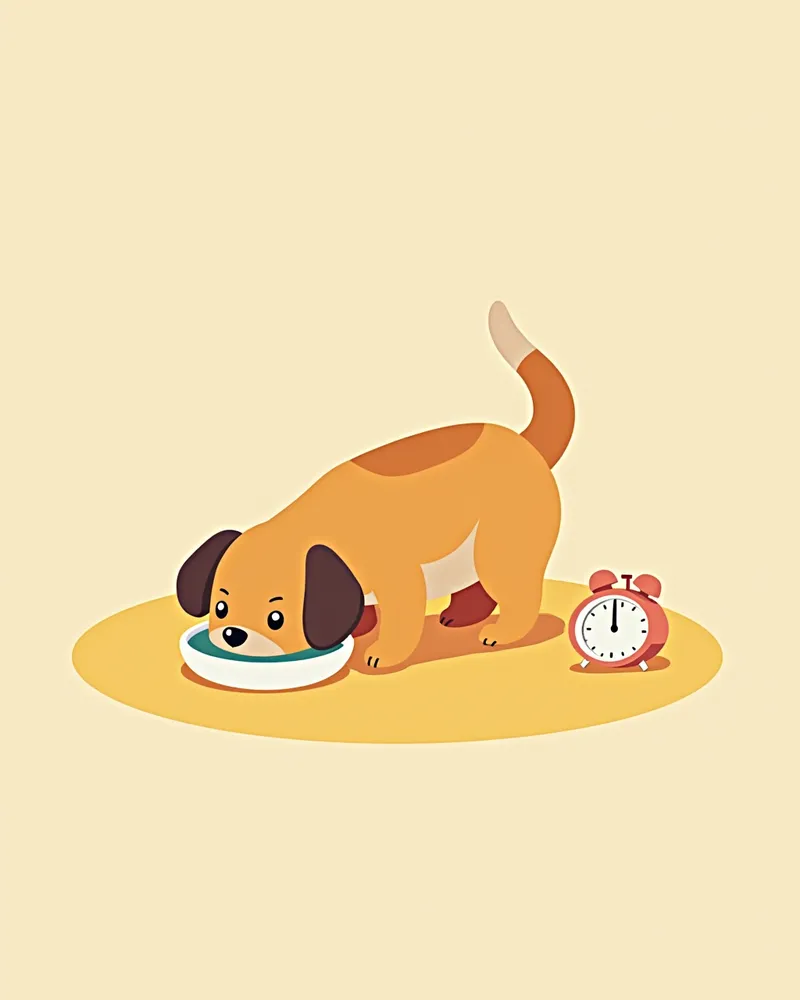
Abrupt Changes Are Dangerous
Abruptly switching to a heart-prescription diet can cause digestive upset or a loss of appetite. Always follow your veterinarian’s instructions to transition gradually over a minimum of 3 to 5 days. If your pet is experiencing acute heart failure or complications from medication, postpone any dietary changes. Should you notice any abnormal symptoms such as decreased appetite, vomiting, or lethargy after the diet change, seek veterinary care immediately.
Supplements That Work Well With Prescription Diets

Reviewed by a veterinarian

Dr. Tony — Punnawat Phongkittirak
VeterinarianA veterinarian who majored in veterinary medicine at Khon Kaen University, Thailand, and completed the IVSA program at North Carolina State University in the United States. Drawing on clinical experience at animal hospitals, he works in the pet healthcare field and is dedicated to building a digital care environment that connects pet parents with veterinarians.
Reviewed 2026-06-03
Frequently Asked Questions
Can't we just switch to regular pet food?
My dog on a prescription diet has no appetite.
After switching to the prescription diet, my pet’s bowel movements have become abnormal.
Can I give treats while my pet is on a prescription diet?
Can I give my pet other medications while they’re on a prescription diet?
Share
Related Guides

Coenzyme Q10 Benefits and Administration Guide

Dog Pulmonary Edema Warning — 7 Best Diuretics (Furosemide) for Heart Management

7 Best Prescription Diets for Feline Heart Disease Recommended by Veterinarians — Criteria for Choosing Low-Sodium Food

Signs and Care for Cats in Their Final Days

How much playtime is recommended for cats?
Trilostane (Vetoryl) for Cushing’s Treatment: What You Must Know

What is Selamectin (Revolution)? — A Complete Guide to the Parasites It Prevents All at Once

Understanding Trazodone: The Medication for Canine Anxiety and Calming

Maropitant (Cerenia) Antiemetic: Is It Safe for Your Pet?

What is Meloxicam (Metacam)? — Key Summary of Effects and Side Effects in Dogs
References
[1] Freeman, L.M. et al. (2003). Nutritional management of dogs with congestive heart failure. Journal of Veterinary Internal Medicine, 17(4), 525–532.
[2] Smith, J.D. et al. (2007). Effect of omega-3 fatty acids on ventricular arrhythmias in dogs with heart disease. American Journal of Veterinary Research, 68(12), 1345–1350.
[3] American College of Veterinary Internal Medicine (ACVIM). (2021). Consensus statement on the management of canine congestive heart failure. Journal of Veterinary Cardiology, 34, 1–18.