Like
Share
멍실장
고양이 구강 농양·치근 농양 자주 묻는 질문 Q&A — 보호자가 꼭 알아야 할 핵심

Feline Oral Abscess & Root Abscess FAQ — Key Information Every Pet Owner Should Know

Oral HealthQ&AMeongsiljang Veterinary Advisory Board

Feline oral abscesses are serious infections that develop when the tooth root becomes damaged. Here’s a summary of the key symptoms and care steps every pet owner should know.

What is a feline oral abscess or root abscess?

A cat with facial swelling due to an oral abscess
Feline oral abscesses are conditions that develop when the area around a tooth root (the root itself) becomes infected. This is especially common when a tooth breaks, exposing the nerve inside (the pulp), which allows bacteria to enter through that pathway. This can lead to pulpitis and pulp necrosis, and if the inflammation spreads to the area around the root tip (the apex), an apical abscess may form. In cases of acute apical abscesses, swelling of the lymph nodes on the face or fever may also occur. If the pain is severe, cats may have difficulty eating or may be reluctant to open their mouths. For an accurate diagnosis, dental X-rays are necessary, and a thorough oral examination is typically performed under anesthesia. Treatment may involve tooth extraction or root canal therapy, and the earlier the condition is detected, the easier it is to manage and recover from.

Why do feline oral abscesses occur?

A common cause of oral abscesses in cats is damage to the teeth and tooth roots. When a tooth fractures and exposes the nerve (pulp), bacteria can enter through this pathway, leading to pulpitis and pulp necrosis. If the inflammation spreads to the root tip, it can result in a periapical abscess. In cats, problems that weaken tooth structure, such as tooth resorption or advanced periodontal disease, are more frequently observed than dental caries (cavities). When these changes are present, teeth become susceptible to damage even from minor trauma. Sudden dropping of food while eating or chewing on only one side may be signs of oral disease, so please monitor your cat closely. The earlier the condition is detected, the higher the success rate of treatment.
Diagram of a cat’s oral anatomy showing how a periapical abscess can spread to the bone

What are the main symptoms of an oral abscess?

The main symptoms of a feline oral abscess include facial swelling, foul breath, refusal to eat, reluctance to open the mouth, excessive drooling, and sensitivity when the face is touched. In particular, if one side of the face is swollen, a root abscess is highly likely. Frequent licking of the mouth or rubbing of the chin are also warning signs. In severe cases, pain may lead to increased aggression or avoidance behavior. If these symptoms persist, they can result in bone damage or systemic infection, so immediate veterinary care is essential.
Cats with facial swelling and excessive drooling

Signs requiring immediate veterinary visit

If your cat’s face is swollen, if they refuse to eat, cannot open their mouth, or are drooling continuously, you should take them to the vet immediately. These are warning signs that the abscess may have spread to the bone or could affect the entire body. Emergency care is also needed if your cat is in severe pain and showing aggressive behavior, has a fever, or has suddenly become much less active. The veterinarian will use X-rays to assess the situation and perform surgery if necessary.

Comparison of abscess stages by symptom

ItemMildModerateSevere
Facial swellingSubtle swellingSwelling on one side of the faceSwelling of the entire face
Refusal to eatIntermittentPersistentNot eating at all
Pain responseAvoids when the mouth is touchedWon't open the mouthAggressive behavior
Need for treatmentEarly dental exam and treatment neededSurgery such as drainage or extraction neededImmediate drainage and surgery needed

If symptoms worsen, the treatment duration and cost can increase significantly.

What are the treatment methods?
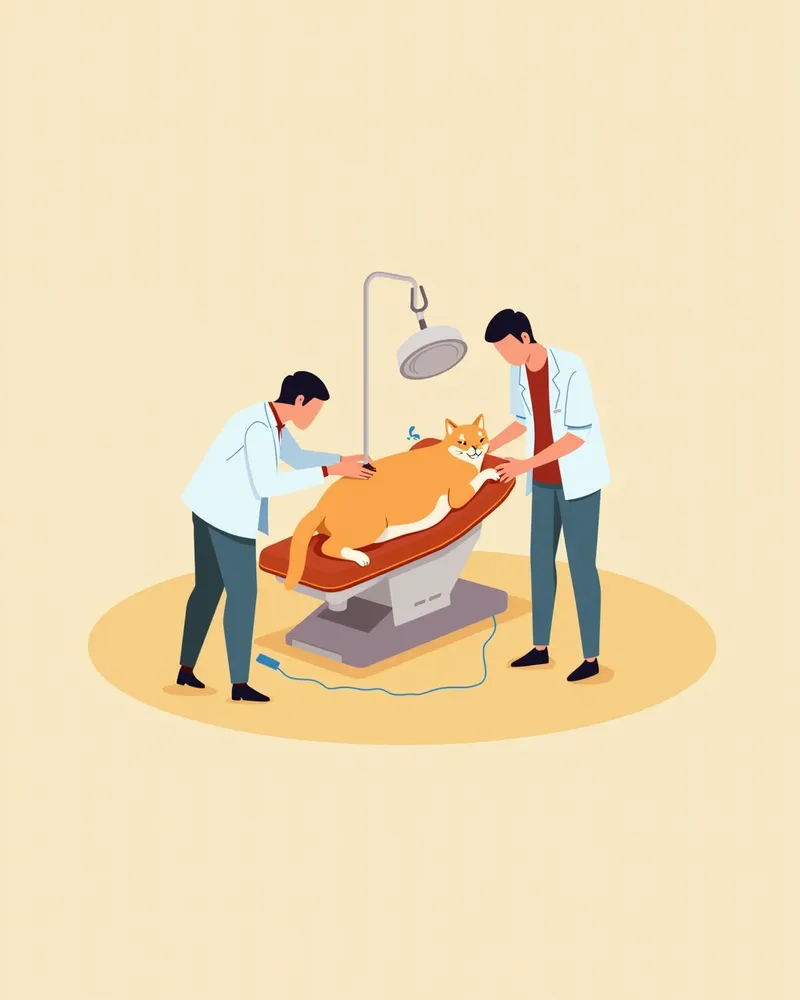
Treating a cat’s oral abscess centers on surgical intervention to drain the accumulated pus and eliminate the source of infection. Under general anesthesia, the abscess is opened and drained, then flushed with sterile saline. Severely damaged teeth may need to be extracted, or, depending on the condition, preserved through root canal therapy. The veterinarian will use dental X-rays to assess the status of the tooth roots and surrounding bone before deciding on the best course of action. After surgery, antibiotics and pain relievers are prescribed; whenever possible, the antibiotic is selected based on the results of a bacterial culture and sensitivity test. During recovery, offer soft food, and schedule regular dental check-ups to prevent recurrence. Early treatment significantly improves your cat’s quality of life.
A veterinarian performing a tooth extraction surgery under anesthesia

How to manage at home?

After treatment, help your cat recover by offering soft food and gently wiping around the mouth. If any teeth remain, you can use a toothpaste or oral rinse recommended by your veterinarian. If your cat is in significant pain, ensure they receive their medication exactly as prescribed. Additionally, if you notice repeated behaviors such as excessive mouth licking or face rubbing, return to the clinic for a check-up. Regular oral examinations enable early detection of potential issues.
Cats that eat soft food

Precautions: Preventing recurrence after treatment

Even after tooth extraction, bone damage may persist, so regular X-ray check-ups are recommended as advised by your veterinarian. If bad breath persists or facial swelling occurs post-treatment, there may be a risk of recurrence. If your cat continues to lick its mouth frequently, an immediate veterinary visit is necessary. To prevent such issues, annual oral health check-ups are recommended.

Reviewed by a veterinarian

Dr. Tony — Punnawat Phongkittirak

Dr. Tony — Punnawat Phongkittirak

Veterinarian

A veterinarian who majored in veterinary medicine at Khon Kaen University, Thailand, and completed the IVSA program at North Carolina State University in the United States. Drawing on clinical experience at animal hospitals, he works in the pet healthcare field and is dedicated to building a digital care environment that connects pet parents with veterinarians.

Frequently Asked Questions

Is a cat's oral abscess untreatable?
No, if detected early, it can be effectively treated with drainage surgery, tooth extraction, and medication, leading to a good recovery. However, delayed treatment can result in bone damage or systemic infection, so prompt action is crucial.
Do I need to have my pet’s teeth extracted?
If the teeth are severely damaged or the roots are affected by an abscess, extraction may be necessary. However, in some cases, the teeth can be preserved through root canal therapy, so a veterinary diagnosis is essential.
Can oral abscesses be prevented?
Regular dental checkups and proper oral care can help reduce the risk. If your cat is having trouble eating or frequently licks its mouth, it’s best to visit the vet early.
How long does the pain last after treatment?
For a few days after surgery, your pet may experience some pain or discomfort, which can be managed with the prescribed pain medication. If the pain persists or if you notice behavioral changes such as dropping food or frequently pawing at the mouth, please consult your veterinarian.
My cat broke a tooth. Could an abscess develop?
Yes, when a tooth breaks and exposes the inner pulp, bacteria can invade, leading to pulpitis, pulp necrosis, and potentially an abscess. It’s important to visit the vet as soon as possible.

Share

Related Guides

References

[1] Bellows J. Feline Dentistry – Oral Assessment, Treatment, and Preventative Care. 1st ed. Ames: Wiley-Blackwell; 2010.

[2] DeBowes LJ. Simple and surgical exodontia. Vet Clin North Am Small Anim Pract. 2005;35:963–984.

[3] The Cat, Clinical Medicine and Management, 2nd Edition. Elsevier; 2015.

This information is based on veterinary literature and does not replace diagnosis or treatment. Please consult a veterinarian for specific health concerns.

Metapet Co., Ltd. | CEO: Park Sung-yong | Business Reg. No. 417-88-02562 | Seoul, South Korea | Customer Center

Feline Oral & Root Abscess FAQ: Signs You Must See a Vet | Meongsiljang