
The Complete Guide to Bilirubin Tests and Jaundice Stages
A bilirubin test is a key blood test for early detection of liver, biliary, and red blood cell issues. We’ve summarized the jaundice stages by bilirubin levels and the criteria for immediate veterinary care all in one place.
Why Is a Bilirubin Test Performed?
Three Pathways for Elevated Bilirubin
Normal Values and Criteria for Visible Jaundice
Jaundice Stages by Bilirubin Level
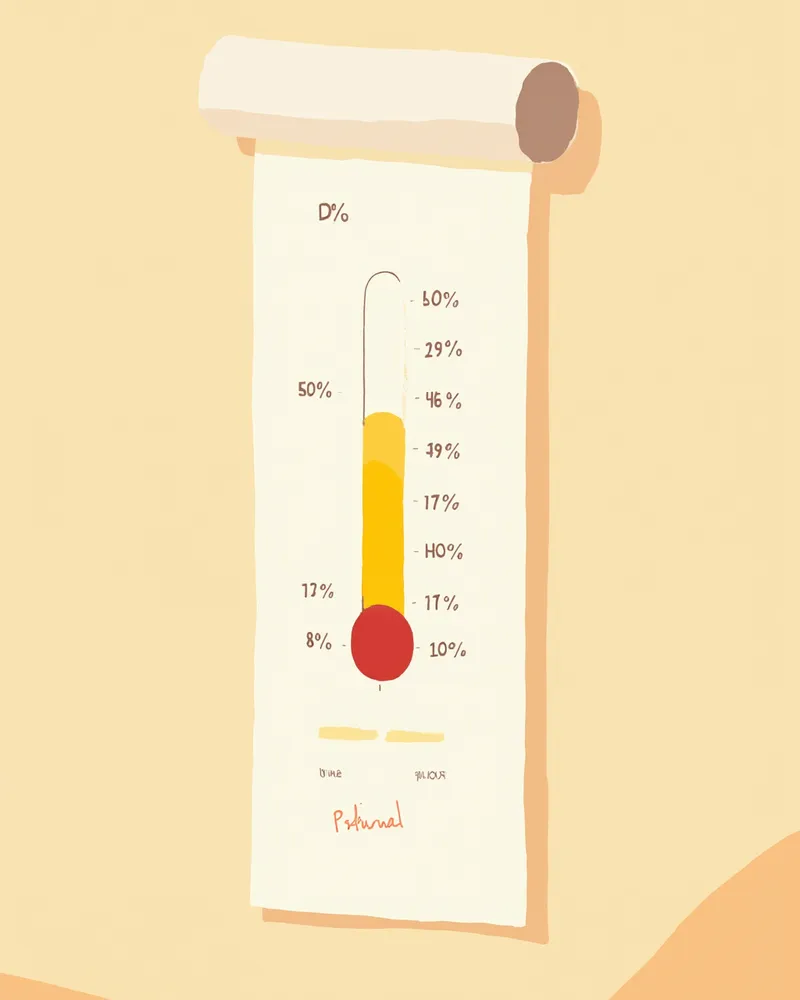
| Item | Normal | Mild elevation | Moderate elevation | Severe elevation |
|---|---|---|---|---|
| Total bilirubin level (mg/dL) | 0.1–0.4 | 0.5–1.0 | 1.0–3.0 | 3.0 or higher |
| Visible jaundice | None | Almost none (hard to detect visually) | Whites of the eyes (sclera) turn yellow (about 1.5 mg/dL or higher) | Non-pigmented mucous membranes such as gums and skin also turn yellow (about 2.6 mg/dL or higher) |
| Response | Regular checkup | Recheck needed | Immediate detailed testing | Emergency care |
Scleral jaundice starts to appear at about 1.5 mg/dL (25 µmol/L), and mucosal jaundice in non-pigmented mucous membranes at about 2.6 mg/dL (45 µmol/L) or higher. Normal ranges may vary depending on each hospital's equipment standards.
Additional Tests to Review
Seek Immediate Veterinary Care If You Notice These Symptoms
When total bilirubin exceeds 1.5 mg/dL (approximately 25 µmol/L), jaundice begins to appear in the whites of the eyes (sclera). In unpigmented mucous membranes, such as the gums, jaundice may become visible at levels above 2.6 mg/dL (approximately 45 µmol/L). If you notice any of the following symptoms, please visit the clinic within 24 hours: - Yellowing of the whites of the eyes or gums - Dark orange or brown urine - Vomiting or decreased appetite lasting more than two days - Lethargy or unsteadiness The sooner the underlying cause of jaundice is identified, the better the prognosis.
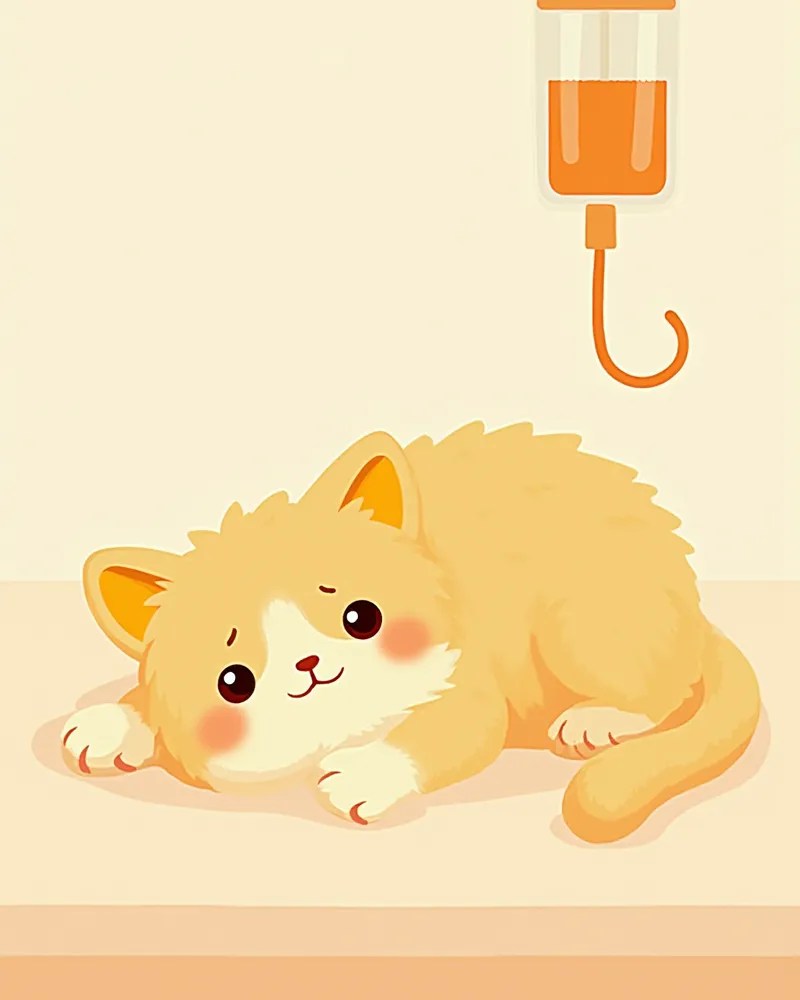
Always Suspect Hepatic Lipidosis in Cats
What to Monitor at Home After Testing
How to Self-Check for Jaundice at Home
Check your pet’s gums, the whites of their eyes, and the skin inside their ears under bright natural light. Indoor lighting, especially orange-hued LEDs, can mask yellow discoloration. If you notice a yellow tint for two consecutive days or if your pet’s urine appears noticeably darker than usual, be sure to have them undergo a blood test.
Reviewed by a veterinarian

Dr. Tony — Punnawat Phongkittirak
VeterinarianA veterinarian who majored in veterinary medicine at Khon Kaen University, Thailand, and completed the IVSA program at North Carolina State University in the United States. Drawing on clinical experience at animal hospitals, he works in the pet healthcare field and is dedicated to building a digital care environment that connects pet parents with veterinarians.
Reviewed 2026-04-26
Frequently Asked Questions
Can liver disease be diagnosed based solely on a bilirubin test?
Can even a slight increase in the values be dangerous?
Is it already too late if jaundice appears?
Can you tell the difference just by looking at your pet’s urine color at home?
Can I give my pet a liver supplement right away if their bilirubin levels are high?
Share
Related Guides
7 Key Symptoms and Management Essentials for Canine Cholecystitis Recommended by Veterinarians
Top 5 Milk Thistle (Silymarin) Liver Supplements for Dogs — A Comparison Guide Based on Silybin Content and Absorption Rates
Top Prescription Diets for Dogs with Liver Disease and Selection Criteria
Is This Signal Okay During Puppy Birth? — Emergency Management of Dystocia and Timing for Cesarean Section
Medications and Methods for Postoperative Pain Management in Dogs and Cats
How to Read Urinalysis Results — A Complete Guide to Hematuria, Proteinuria, and Crystals
Calico Cat Genetics and Characteristics — Why Are They Almost Always Female?
Emergency Response for Pet Poisoning
Basic Guide to Pet First Aid — CPR, Choking, and Bleeding Response
Guide to Introducing Cats in Multi-Cat Households
References
[1] Ettinger SJ, Feldman EC. Textbook of Veterinary Internal Medicine, 8th Ed. Chapter: Icterus & Hyperbilirubinemia
[2] Plumb's Veterinary Drug Handbook, 10th Ed
[3] Willard MD, Tvedten H. Small Animal Clinical Diagnosis by Laboratory Methods, 5th Ed