Like
Share
멍실장
강아지 세균성 방광염 자주 묻는 질문 Q&A — 보호자가 꼭 알아야 할 핵심

Dog Bacterial Cystitis FAQ — Key Information for Pet Owners

UrinaryQ&AMeongsiljang Veterinary Advisory Board

Bacterial cystitis in dogs primarily presents with painful urination and frequent urination. We’ve compiled the essential information pet owners need to know in a Q&A format.

What is bacterial cystitis in dogs?

A puppy struggling to urinate
Bacterial cystitis in dogs is an inflammatory condition caused by bacterial invasion of the bladder, most commonly due to Escherichia coli (E. coli). - Bacterial invasion: External bacteria enter the bladder via the urinary tract, leading to infection. - Inflammatory response: The inner bladder wall becomes inflamed, causing pain during urination, along with frequent urination and hematuria (blood in the urine). - Importance of early treatment: If symptoms appear, consult a veterinarian promptly to begin antibiotic therapy. - Curability: With appropriate treatment, most cases can be fully cured. However, if left untreated, the condition may become chronic or spread to the kidneys, significantly reducing your dog’s quality of life. Therefore, careful attention and timely intervention are essential.

Why do dogs get bacterial cystitis?

Bacterial cystitis in dogs can be triggered by a variety of factors. - Weakened defense mechanisms: Cystitis occurs when the body’s natural defenses against bacterial invasion break down. - Reduced immunity: Immunosuppression or chronic diseases increase the risk of infection. - Compromised urethral defense: The length of the urethra serves as a protective barrier against bacteria; when this defense is weakened, the risk of infection rises. - Urinary tract risk factors: Conditions such as urinary stones, tumors, or the use of urethral catheters can heighten the likelihood of infection. - Association with chronic diseases: Dogs with diabetes or kidney disease are more susceptible to infections. Early detection and prevention are key.
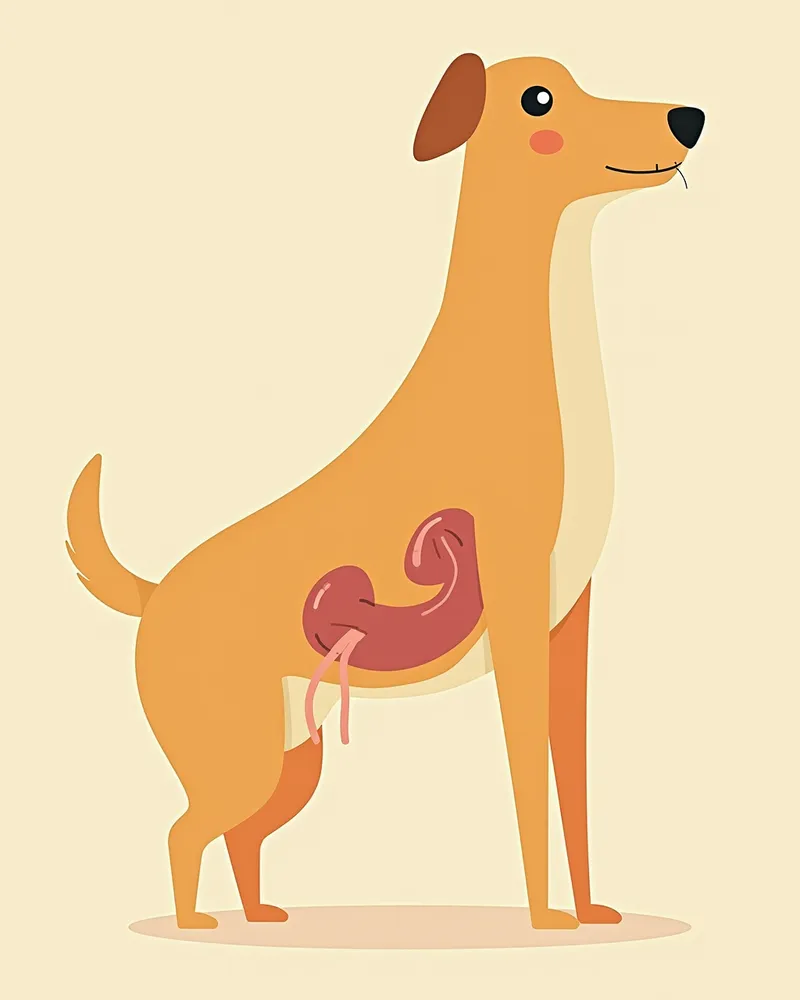
Diagram of a dog's urinary tract anatomy

What are the main symptoms of bacterial cystitis?

The primary symptom of bacterial cystitis in dogs is signs of pain during urination. - Painful urination: Your dog may suddenly stop mid-stream or strain while showing signs of discomfort (dysuria and strangury). - Frequent urination: They may urinate frequently but only pass small amounts, or just a few drops at a time. - Hematuria: Blood in the urine can make it appear red or brown. - Change in odor: The urine may have a stronger smell than usual. - Changes in urination behavior: You might notice accidents in inappropriate places or frequent posturing to urinate. If these symptoms persist, please consult your veterinarian immediately.
Your dog appears to be showing signs of suspected hematuria (blood in the urine) after urinating.

Signs requiring immediate veterinary care

If your dog experiences severe pain while urinating, is unable to urinate at all, or shows symptoms such as vomiting, fever, or lethargy, immediate veterinary care is necessary. There is a risk of bladder rupture.

What tests are needed for an accurate diagnosis?
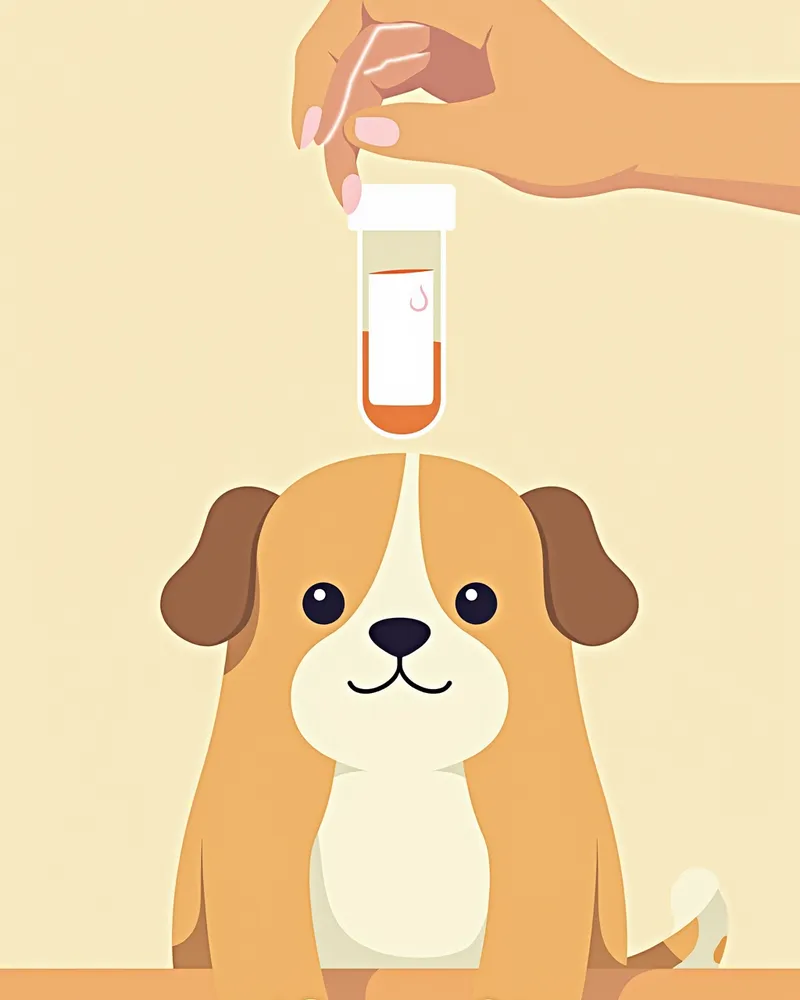
To accurately diagnose bacterial cystitis in dogs, several tests are required. - Urinalysis: A basic test that checks urine pH, white blood cells, protein, and blood, used for initial assessment. - Urine Culture: A key test to identify the specific bacteria present and determine their response to antibiotics. - Blood Test: Evaluates overall health and kidney function. - Ultrasound: Checks for structural abnormalities, stones, or tumors in the bladder. - Additional Imaging: In cases of chronic or recurrent infection, a urography may be necessary. An accurate diagnosis is the first step toward effective treatment.
A veterinarian examining a puppy's urine sample

How is it treated?

Treating bacterial cystitis in dogs centers on antibiotic therapy. - Antibiotic prescription: The most effective antibiotic is selected based on urine culture and susceptibility test results. - Treatment duration: The treatment period is determined by the veterinarian’s clinical judgment, with current guidelines recommending the shortest effective duration. Simple (sporadic) infections may require only 3–5 days. - Adherence to prescribed duration: Continue administering the medication for the full duration prescribed by your veterinarian, even if symptoms resolve. - Follow-up testing: A post-treatment urine test is necessary to confirm therapeutic efficacy. - Preventive care: To prevent recurrence, ensure adequate water intake and maintain good elimination habits. Do not discontinue medication without veterinary guidance, and always follow your veterinarian’s instructions.
A puppy taking antibiotics

Home care methods

Proper home care is essential for managing bacterial cystitis in dogs. - Increase water intake: Offer water frequently and place multiple bowls around the house to encourage drinking. - Maintain a clean elimination area: Clean the litter box or potty area daily to prevent urine residue. - Clean promptly after urination: Clean up immediately after your dog urinates to prevent bacterial growth. - Reduce stress: Provide a quiet environment and maintain a consistent daily routine. - Dietary management: Consider prescription diets as recommended by your veterinarian. - Regular check-ups: Schedule periodic urine tests to help prevent recurrence.
Organizing your dog’s bathroom environment

Step-by-step management for bacterial cystitis treatment

ItemMain symptomsMain managementPrecautions
MildFrequent urination, small amountsTake antibiotics, provide plenty of waterComplete the full course even after symptoms improve
ModeratePain during urination, blood in urineAntibiotics + urine culture testAdherence to the treatment period is essential
SevereNo urine output, fever, lethargyVisit the hospital immediately, injection treatmentRisk of bladder rupture

The treatment period must be completed as directed by the veterinarian to reduce the risk of recurrence.

Precautions to prevent recurrence

Even if symptoms disappear before finishing the antibiotic course, stopping early increases the risk of relapse. Be sure to continue the medication until the full course is completed, as directed by your veterinarian.

Reviewed by a veterinarian

Dr. Tony — Punnawat Phongkittirak

Dr. Tony — Punnawat Phongkittirak

Veterinarian

A veterinarian who majored in veterinary medicine at Khon Kaen University, Thailand, and completed the IVSA program at North Carolina State University in the United States. Drawing on clinical experience at animal hospitals, he works in the pet healthcare field and is dedicated to building a digital care environment that connects pet parents with veterinarians.

Frequently Asked Questions

Can bacterial cystitis in dogs be transmitted to humans?
No, bacterial cystitis in dogs is not contagious to humans. However, since E. coli can also infect people, it’s important to always wash your hands after handling your dog’s waste.
Can it be prevented?
Yes. Prevention is possible through adequate hydration, maintaining a clean toileting environment, and regular check-ups. Special attention is needed for female dogs.
Shouldn't I give antibiotics?
No. Antibiotics should only be given when prescribed by a veterinarian. Administering them on your own can lead to antibiotic-resistant bacteria, making treatment more difficult.
Why is a urinalysis important?
A urine test helps identify the specific bacteria present. Using the wrong antibiotic can lead to treatment failure.
What should I do if it comes back?
If the condition recurs, we’ll repeat the urine culture and ultrasound to check for any underlying issues and provide tailored treatment.

Share

Related Guides

References

[1] Johnson et al. (2016) Canine and Feline Respiratory Medicine, 3rd Edition. Elsevier.

[2] Dear et al. (2021) Textbook of Respiratory Disease in Dogs and Cats. Wiley-Blackwell.

[3] Clercx et al. (2003) Bacterial isolates from the lower trachea of clinically healthy dogs. JAAHA 20:139-142.

This information is based on veterinary literature and does not replace diagnosis or treatment. Please consult a veterinarian for specific health concerns.

Metapet Co., Ltd. | CEO: Park Sung-yong | Business Reg. No. 417-88-02562 | Seoul, South Korea | Customer Center

5 Common Questions About Bacterial Cystitis in Dogs | Meongsiljang