Like
Share
멍실장
고양이 림프종 치료법과 예후 — 항암 vs 보존 치료 결정

Feline Lymphoma Treatment and Prognosis — Chemotherapy vs. Conservative Management

Oncology/CancerQ&AMeongsiljang Veterinary Advisory Board

Feline lymphoma treatment approaches and prognoses vary significantly depending on the histological subtype (large-cell vs. small-cell) and the anatomical site of involvement. We’ve outlined the criteria for choosing between chemotherapy and conservative management, along with average survival times.

How to Decide Between Chemotherapy and Conservative Management for Feline Lymphoma

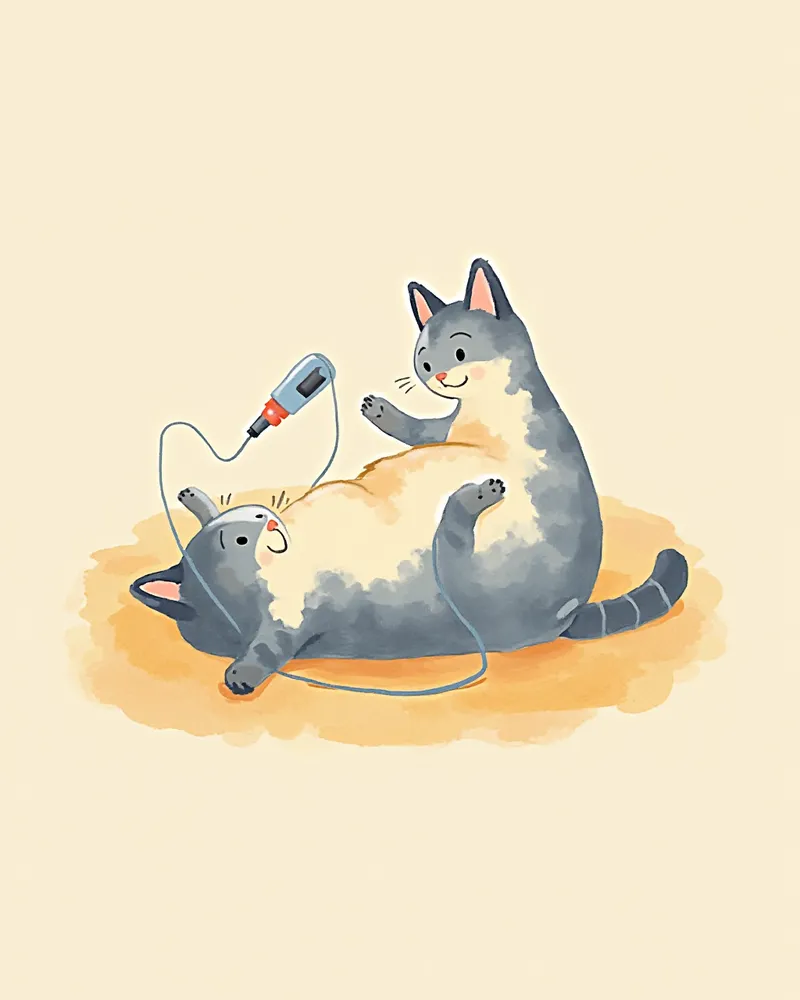
An illustration of a veterinarian gently palpating a cat’s abdomen during an examination.
Feline lymphoma is the most common blood cancer (hematopoietic tumor) in cats, characterized by the abnormal proliferation of lymphocytes that form tumors in the lymph nodes, small intestine, mediastinum, kidneys, and other sites. The most critical factor is that the treatment approach and prognosis vary significantly depending on the cell morphology (large-cell vs. small-cell) and the tumor location. Small-cell lymphoma in the small intestine can achieve long-term remission with oral chemotherapy (chlorambucil 2 mg every other day) and steroids (prednisolone) alone. In contrast, large-cell and mediastinal forms require more aggressive multi-agent combination chemotherapy, and their treatment response and prognosis are generally less favorable than those of the small-cell type. Therefore, an accurate diagnosis of the specific cell type and location is the essential starting point for determining the treatment plan.

Five Forms of Feline Lymphoma and Their Sites of Involvement

Feline lymphoma is classified into five forms based on its location. Because each form progresses at a different rate and responds differently to treatment, accurate classification is the starting point for determining the treatment plan. - Alimentary: The most common form, primarily occurring in the small intestine, such as the jejunum and ileum. - Mediastinal: Arises in the lymph nodes within the chest cavity, causing respiratory distress. - Multicentric: Occurs simultaneously in multiple lymph nodes. - Renal: Invades both kidneys, presenting with symptoms of kidney failure. - Extranodal: Develops outside the lymph nodes, such as in the nasal cavity, skin, or central nervous system. A key difference between cats and dogs is that alimentary lymphoma is overwhelmingly more common than multicentric lymphoma in cats.

Large Cell vs. Small Cell — Key Differences at a Glance

ItemLarge-cell type (High-grade)Small-cell type (Low-grade)
Progression speedFast (several weeks to several months)Slow (several months to several years)
Main sites of occurrenceMulticentric · mediastinal · gastrointestinalCentered on the small intestine (jejunum · ileum)
First-line treatmentMulti-agent combination chemotherapy (cyclophosphamide · doxorubicin · vincristine · prednisolone)Oral chlorambucil (2mg every other day) + prednisolone
Complete remission rateReported at about 18–80% with large variation between studiesMost reach long-term remission (exact rate varies by study)
Median survival timeMedian up to about 41 weeks (range 4–120 weeks)Long-term remission of several months to several years expected
Owner burdenWeekly outpatient visits · intravenous injectionMainly home oral administration

The figures are based on The Cat: Clinical Medicine and Management 2nd Ed. (large-cell intestinal type remission rate 18–80%, median survival up to 41 weeks, range 4–120 weeks) and Clinical Medicine of the Dog and Cat 4th Ed. (small-cell type achieves long-term remission with prednisolone + chlorambucil). Because variation between individuals and studies is large, it is more accurate to confirm the individual prognosis at the first visit.

Diagnosis — Cytology Alone May Not Be Enough
Before making a treatment decision, it is essential to accurately identify the cell morphology and the site of origin. If a lymph node is palpable, fine-needle aspiration cytology (FNA) is used for initial screening. However, because small-cell intestinal lymphoma resembles normal lymphocytes in appearance, a definitive diagnosis is difficult based on cytology alone. - Definitive diagnosis: Full-thickness biopsy via endoscopy or exploratory laparotomy - Immunohistochemistry (IHC): Classification into B-cell or T-cell subtypes to predict prognosis - PARR testing: Confirmation of clonality to differentiate from inflammatory bowel disease - Imaging: Chest radiographs and abdominal ultrasound to assess the extent of involvement - Blood tests: Evaluation for anemia, hypercalcemia, and renal values Veterinary internal medicine textbooks recommend PARR testing to differentiate small-cell lymphoma from chronic enteritis (inflammatory bowel disease).
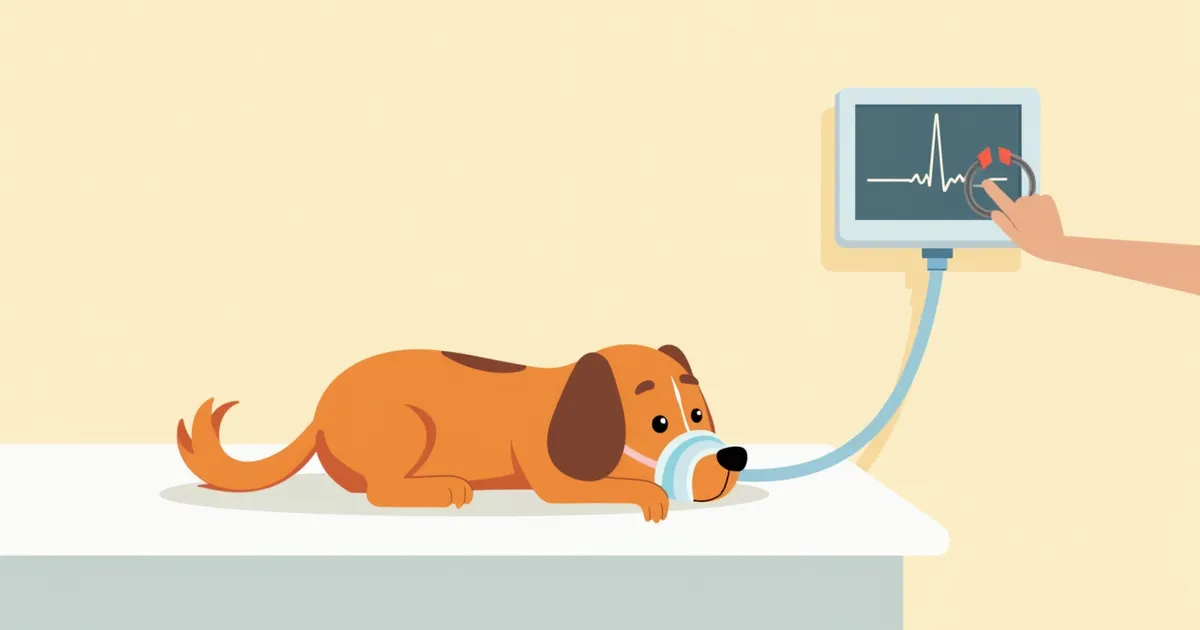
Illustration of a veterinarian performing an abdominal ultrasound on a cat lying on the examination table.

These Signs Require Immediate Veterinary Care

If any of the following symptoms persist for more than 24 hours, it could indicate lymphoma progression or an emergency complication. Seek veterinary care immediately. - Rapid breathing, open-mouth breathing, or panting (possible mediastinal form with pleural effusion) - Vomiting and diarrhea lasting more than three days, accompanied by rapid weight loss - Complete loss of appetite, lethargy, and jaundice - Sudden onset of excessive thirst and urination along with loss of appetite (suspected renal form with hypercalcemia) - Hypothermia below 38°C or fever above 39.5°C during cancer treatment

Treatment Options Compared — Multi-agent Chemotherapy vs. Single-agent vs. Conservative Management

Treatment generally falls into three main approaches, selected based on the tumor type, your ability to visit the clinic regularly, and your cat’s overall condition. - Multi-agent chemotherapy protocol: This is the first-line treatment for the large-cell type. It involves a rotating cycle of cyclophosphamide, doxorubicin, vincristine, and prednisolone for approximately six months. While this approach offers the highest rate of complete remission, it requires weekly intravenous injections. - Oral single-agent plus steroid: This is the first-line treatment for the small-cell gastrointestinal type. It consists of chlorambucil (2 mg administered every other day) and prednisolone, which can be given at home. This option reduces the burden of frequent clinic visits and has milder side effects, allowing for the possibility of long-term remission. - Lomustine monotherapy: This oral capsule is considered for cats that relapse after multi-agent chemotherapy or for those where intravenous injection is difficult. However, because the duration of response may be shorter, your veterinarian’s judgment is essential. - Palliative care: If chemotherapy is not chosen, prednisolone alone is used to alleviate symptoms. This can help maintain appetite and general condition for a period, though the duration of remission varies from cat to cat. Your veterinarian will determine the appropriate medication and dosage after evaluating your cat’s weight, kidney function, and bone marrow status.
An illustration showing a caregiver gently administering oral chemotherapy medication to a cat at home.

When to Choose Conservative (Palliative) Care

Conservative treatment isn’t about giving up on cancer therapy; it’s a rational choice that prioritizes quality of life. Our expert panel may recommend conservative care in the following situations: - Advanced age (15 years or older) combined with other chronic conditions (such as chronic kidney disease or heart disease) - When the pet’s condition is so poor that hospitalization or regular clinic visits would cause significant stress - When the owner’s ability to manage frequent clinic visits or cover costs makes a six-month chemotherapy schedule impractical - When the cat is extremely sensitive to handling, making intravenous injections virtually impossible Even prednisolone alone can temporarily restore appetite and shrink lymph nodes. However, the disease may progress again relatively soon, and the duration of response varies from pet to pet. Therefore, actively managing pain, vomiting, and appetite is key. It’s also possible to start chemotherapy and later transition to conservative care if needed.

Home Care During Treatment — Diet, Medication, and Infection Management

If your pet has started chemotherapy or oral treatment, home care will make or break the outcome. Here are the key management points emphasized by our veterinary advisory board: - Diet: Focus on a high-protein, high-calorie diet. Use prescription diets (e.g., recovery nutrition formulas) to help maintain body weight. - Medication Safety: For 72 hours after administering chemotherapy drugs, handle litter, urine, and feces while wearing gloves. - Infection Prevention: Minimize contact with other animals during the period when neutrophil counts drop (typically 7–10 days after treatment). - Temperature Monitoring: Take rectal temperature once daily. Contact us immediately if it falls below 38°C or rises above 39.5°C. - Weight Tracking: Weigh your pet once a week at the same time. Report any weight loss exceeding 5% within a week. Oral chlorambucil tablets must not be cut or crushed. Administer the capsule whole, and wash your hands thoroughly after handling the medication.

Different Treatment Plans for FeLV- and FIV-positive Cats

Some studies have reported that feline leukemia virus (FeLV) infection is a negative prognostic factor, as it may lead to faster development of drug resistance and shorter response to chemotherapy and survival times compared to FeLV-negative cats. However, other studies have shown no such association, so this has not yet been consistently established. Additionally, feline immunodeficiency virus (FIV) infection status itself has not been confirmed as a prognostic factor. Nevertheless, it is advisable to perform FeLV and FIV testing at the time of diagnosis. If the results are positive, further evaluation of immune status and bone marrow function should be conducted, followed by conservative adjustments to medication dosages for safety.

Reviewed by a veterinarian

Dr. Tony — Punnawat Phongkittirak

Dr. Tony — Punnawat Phongkittirak

Veterinarian

A veterinarian who majored in veterinary medicine at Khon Kaen University, Thailand, and completed the IVSA program at North Carolina State University in the United States. Drawing on clinical experience at animal hospitals, he works in the pet healthcare field and is dedicated to building a digital care environment that connects pet parents with veterinarians.

Frequently Asked Questions

How much does chemotherapy for feline lymphoma cost?
A six-month multi-drug chemotherapy protocol, including diagnostic costs, averages $3,000 to $5,000, while oral chlorambucil combined with prednisolone typically costs $40 to $100 per month. Since expenses vary significantly depending on the clinic, your pet’s weight, and the frequency of tests, obtaining a detailed estimate during the initial consultation is the most accurate approach.
Does chemotherapy cause dogs to lose all their fur?
Not at all. Cats rarely experience significant hair loss during chemotherapy. However, their whiskers may break or they may develop patchy hair loss, and long-haired breeds like Persians and Ragdolls may show more noticeable changes in appearance.
How long can they live without treatment?
The giant cell type progresses rapidly, often worsening within a relatively short period if left untreated, whereas the small cell type tends to progress more slowly. However, it is difficult to definitively state the exact survival time without treatment based on textbook figures, as most reported survival data are from cats that received treatment. While prednisolone alone as palliative care can help maintain appetite and overall condition for a while, the duration varies from cat to cat. It is important to monitor your cat’s quality of life by recording their pain levels, appetite, and breathing status daily.
Does entering remission mean the condition is cured?
A "clear" scan only means no tumor is visible; microscopic cancer cells may still remain. The giant cell type tends to progress rapidly and has a high risk of recurrence, whereas the small cell type typically remains stable for a longer period before progressing (the exact timing of recurrence varies by individual). Therefore, regular follow-up examinations are essential.
Is it okay to stop cancer treatment midway after starting it?
Yes, it’s possible. If side effects are severe or if the treatment places a significant burden on either you or your cat, we can switch to conservative management. However, do not stop all medications abruptly; prednisolone must be tapered gradually to prevent adrenal insufficiency. Always consult your veterinarian to adjust the dosage step by step.

Share

Related Guides

References

[1] Little, S. The Cat: Clinical Medicine and Management, 2nd Edition, Chapter on Lymphoma

[2] Schaer, M., Gaschen, F. Clinical Medicine of the Dog and Cat, 4th Edition, Hematopoietic Tumors

[3] Villiers, E., Ristic, J. 100 Top Consultations in Small Animal General Practice, Chapter 83 Lymphoma

This information is based on veterinary literature and does not replace diagnosis or treatment. Please consult a veterinarian for specific health concerns.

Metapet Co., Ltd. | CEO: Park Sung-yong | Business Reg. No. 417-88-02562 | Seoul, South Korea | Customer Center

Feline Lymphoma: Chemotherapy vs. Conservative Care & Prognosis | Meongsiljang