

When Your Dog Growls, Is It Fear or Aggression? — How to Tell by the Signals
We’ve outlined how to tell whether your dog’s growling or barking stems from fear or aggression, covering body language, context, and how to respond.
Fear-Based Aggression vs. True Aggression: What’s the Difference?
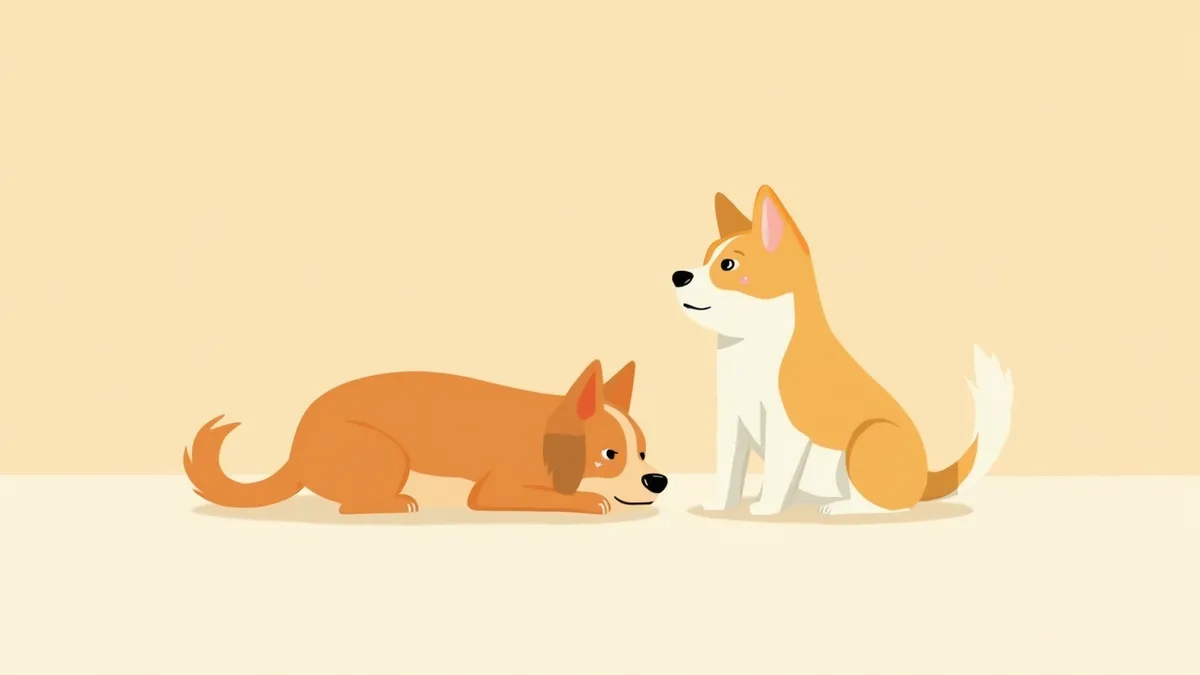
Why Is It Confusing? Both Involve Growling
5 Key Points to Distinguish by Body Language Signals
| Item | Fear response | Aggression (confident) |
|---|---|---|
| Tail | Tucked low, between the legs | Held high and wagged stiffly |
| Ears | Laid back or flattened | Pricked forward |
| Weight distribution | Shifted onto the hind legs/backward | Shifted onto the front legs/forward |
| Eyes | Avoids direct eye contact, with a tense look | A rigid, strong gaze staring straight ahead |
| Direction of movement | Backing away while growling | Moving forward while growling |
When the two signals appear mixed, it is more likely to be fear-based.
Common Situations Where Fear-Based Aggression Occurs

These Signals Mean You Should Stop Immediately
When a dog lowers its body, backs away, pins its ears back, and lifts its lips to bare its teeth, it is in a state of extreme defensive fear. Veterinary behavior textbooks describe this signal of baring teeth while retreating as the "final warning before a bite." Continuing to approach or forcing contact at this point can lead directly to a bite incident. For safety, immediately increase your distance and stop all contact. If this behavior recurs, consult a veterinary behavior specialist.
How to Respond to Fear-Based Aggression — Why Punishment Doesn’t Work
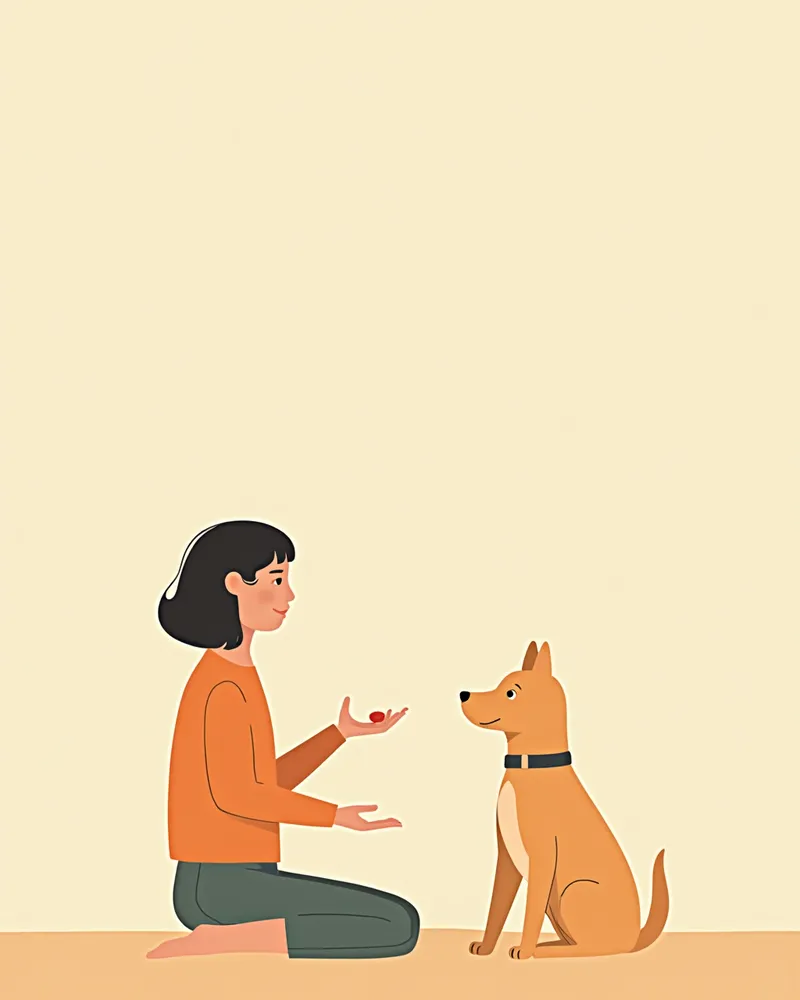
If It’s True Aggression, Management Changes
The Misconception That Neutering Is the Solution
While it’s often said that neutering eliminates aggression, the reality is more nuanced. According to veterinary behavior medicine, neutered males may show a tendency toward reduced aggression, but this effect is neither guaranteed nor consistent. In some cases, dogs may even exhibit worsened behavior after neutering. The procedure has limited impact on aggression driven by fear or learned behaviors rather than hormones. Therefore, rather than viewing surgery as a cure-all, it’s safer to first identify the underlying cause and prioritize behavior modification.
Reviewed by a veterinarian

Dr. Tony — Punnawat Phongkittirak
VeterinarianA veterinarian who majored in veterinary medicine at Khon Kaen University, Thailand, and completed the IVSA program at North Carolina State University in the United States. Drawing on clinical experience at animal hospitals, he works in the pet healthcare field and is dedicated to building a digital care environment that connects pet parents with veterinarians.
Reviewed 2026-04-27
Frequently Asked Questions
What does it mean when my dog wags its tail but still tries to bite?
My pet was gentle when young, but suddenly became aggressive as they grew older. Why is that?
Is it fear or aggression when your dog only growls at you?
My puppy’s daycare says he’s being aggressive. Should I send him to a training facility?
Will putting a muzzle on my pet correct its aggressive behavior?
Share
Related Guides

7 Behavioral Enrichment Strategies for Mental Stimulation Recommended by Veterinarians

Top 5 Calming Supplements for Dogs and Cats in 2026

L-Theanine Effects and Calming Support

How Much Do Puppy Vaccinations Cost?

Frequently Asked Questions on How to Increase Your Dog’s Water Intake — Key Points for Pet Owners

Dog Urinary Incontinence & Urethral Sphincter Mechanism Incompetence FAQ — Key Information for Pet Owners

Dog Urethral Obstruction FAQ — Key Information Every Pet Owner Must Know

Dog Sleep Respiratory Rate (RR) Monitoring Heart FAQ — Key Points Owners Must Know

Canine Pulmonary Thromboembolism FAQ — Key Information for Pet Owners

Dog Pulmonary Edema FAQ — Key Information Every Pet Owner Should Know
References
[1] Horwitz D., Mills D., BSAVA Manual of Canine and Feline Behavioural Medicine, 2nd ed., Chapter on Canine Aggression
[2] Landsberg G., Hunthausen W., Ackerman L., Behavior Problems of the Dog and Cat, 4th ed., Chapter on Fear and Aggression
[3] Shaw J., Martin D., Canine and Feline Behavior for Veterinary Technicians and Nurses, Chapter 15
[4] Overall K., Manual of Clinical Behavioral Medicine for Dogs and Cats, Chapter on Aggression