Like
Share
멍실장
강아지 새 가족 도입 스트레스 자주 묻는 질문 Q&A — 보호자가 꼭 알아야 할 핵심

Will the first dog get stressed when the second one comes home? — How to help with new family member adjustment

Brain & CognitionQ&AMeongsiljang Veterinary Advisory Board

We’ve compiled a Q&A covering the causes of stress, behavioral signals, and a 7-day step-by-step introduction method for your existing dog when a new family member arrives.

What is stress from introducing a new family member to a dog?
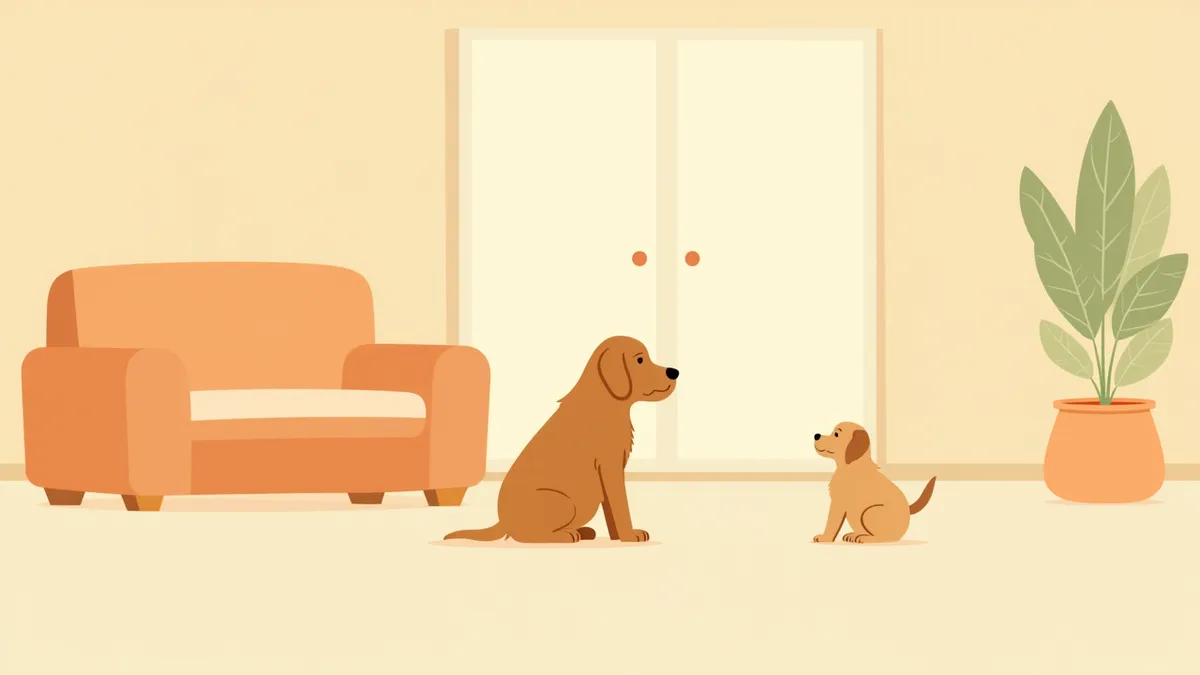
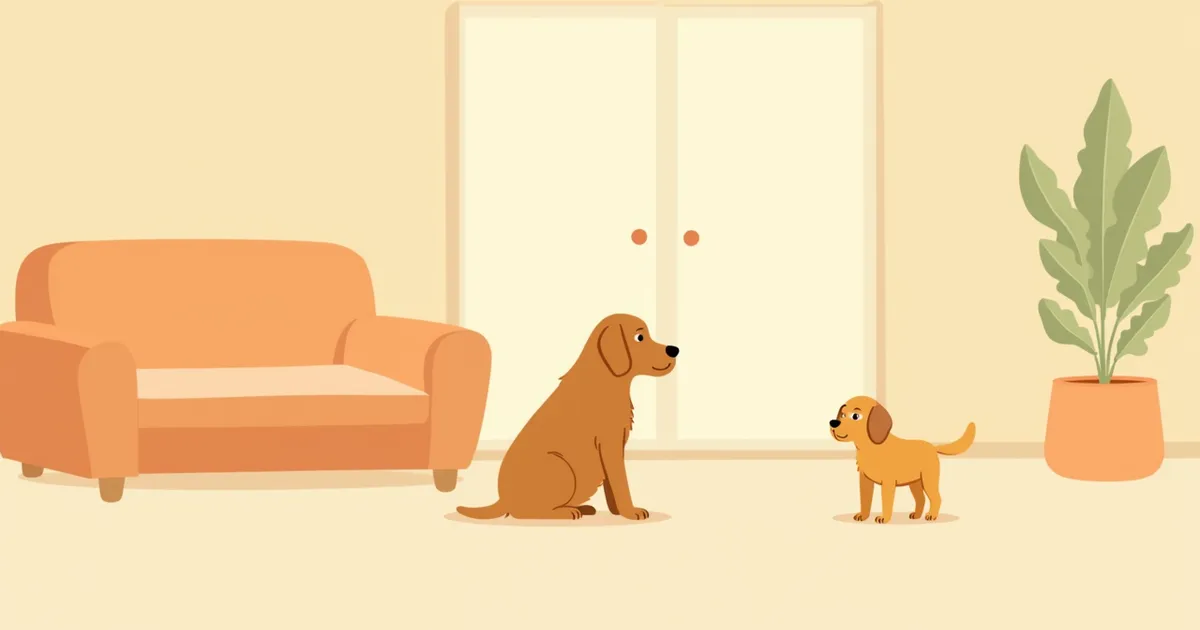
An existing dog feeling anxious after bringing home a new puppy
Stress from introducing a new family member occurs when your existing dog experiences anxiety and tension due to the arrival of a new pet, baby, or other household member. The key takeaway is that ignoring this stress can lead to issues such as aggression or separation anxiety. According to veterinary behavior textbooks, dogs encountering major changes in their environment or family structure for the first time—such as moving or changes in daily routine—may struggle to adapt initially and exhibit behavioral signs similar to separation anxiety. However, having another dog in the home does not automatically prevent this anxiety, so it is helpful to prepare gradually and systematically before the new family member arrives to support a smooth transition.

Why does the existing dog experience stress?

Dogs are creatures that rely heavily on familiar environments and routines. When a new family member arrives, sudden changes in smells, sounds, and the owner’s attention patterns can trigger anxiety. This is especially true for adult dogs experiencing major environmental or routine changes for the first time, as well as for dogs from shelters or rescue backgrounds, who tend to be more sensitive. According to veterinary behavior textbooks, gradual habituation and environmental preparation—allowing the dog to slowly acclimate to these changes—can help reduce anxiety. However, even with gradual introduction, some dogs may adapt more slowly, so it’s best to proceed while closely observing each individual dog’s response.

Behavioral signals and response methods by stress level

ItemKey Behavioral SignalsRecommended Response
MildSlight avoidance and wary staringMaintain routine + ensure ample space
ModerateDecreased appetite, excessive barking and whiningGradual introduction + concurrent use of a pheromone diffuser
SevereRepeated aggression, self-harm, persistent refusal to eat and fastingImmediate veterinary behavioral consultation at an animal hospital

Based on veterinary behavioral medicine textbook standards; the veterinarian's judgment takes priority.

What behaviors are stress signals?

Decreased appetite: Eating less than usual or refusing food
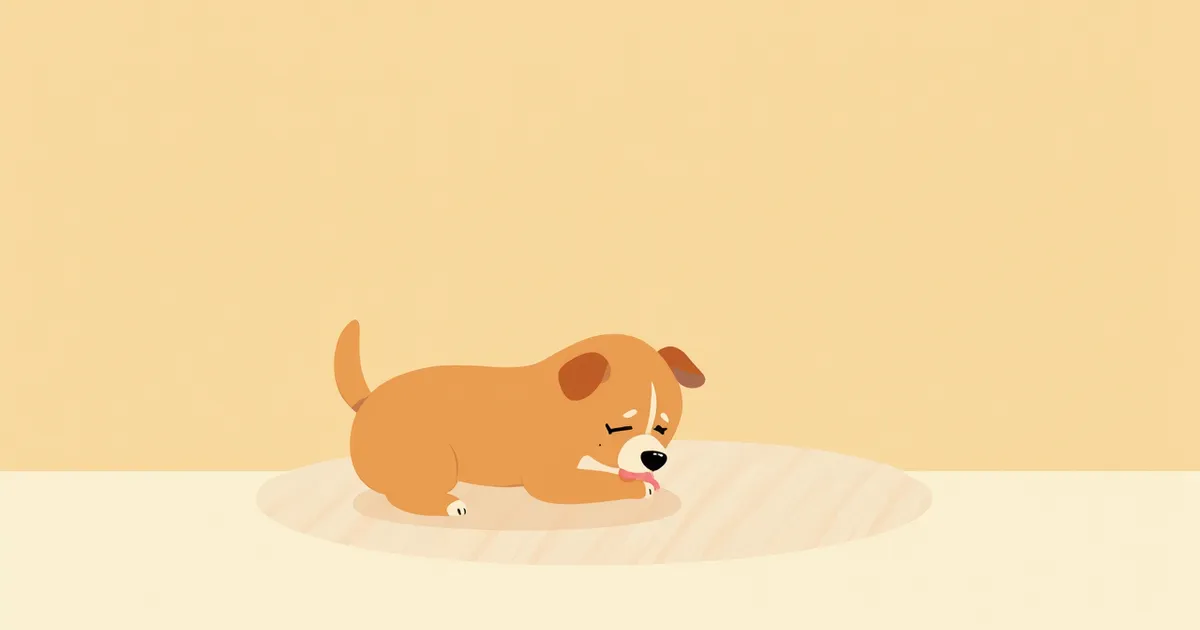
Excessive licking or chewing: Repeatedly licking or chewing paws or objects
Hiding or avoidance: Seeking solitude in corners, avoiding contact, or turning away
Increased vocalization or whining: Frequently making sounds without an apparent reason
Digestive issues require attention: Vomiting or diarrhea may seem stress-related, but they often stem from physical causes such as illness, so it’s best to have them checked by a veterinarian first
Excessive alertness: Continuously staring at new family members, growling, licking lips, or trembling
A dog with folded ears and a tense expression is showing signs of stress.

See a veterinarian immediately if you notice these behaviors

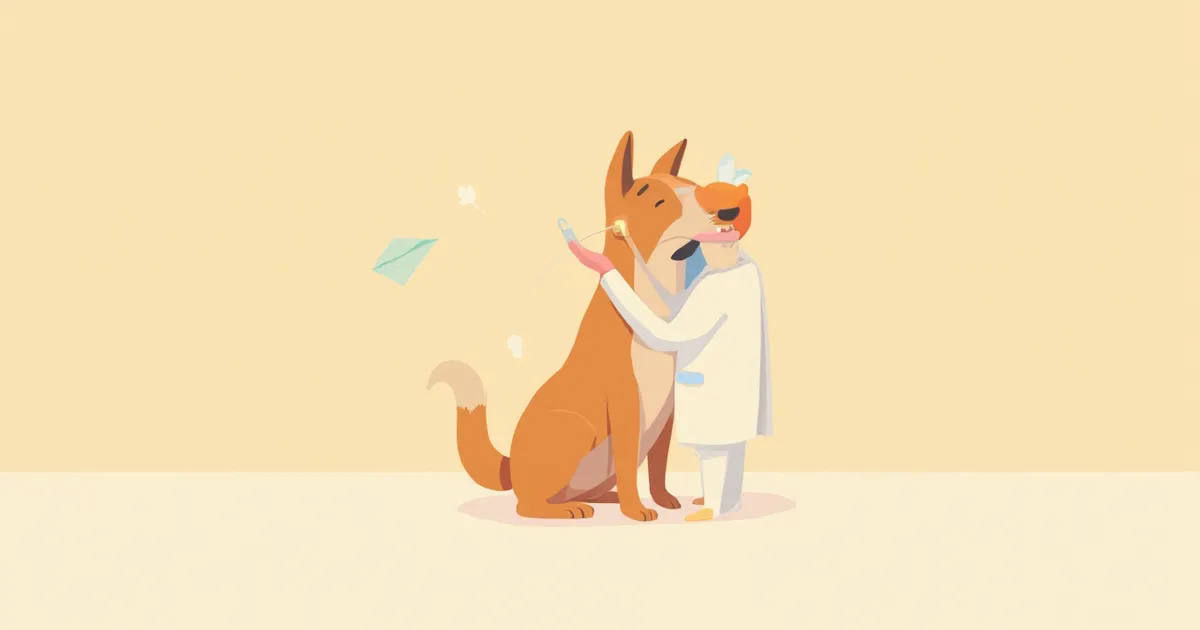
If your new puppy repeatedly attacks people or other pets, severely bites its own skin, or refuses food for several days, it may be experiencing more than just adjustment stress. Sudden behavioral changes can sometimes indicate pain or illness, so it’s best to first have a veterinarian rule out any physical health issues. For ongoing aggression, consulting a veterinary behavior specialist is recommended.

7-day step-by-step guide for introducing a new family member
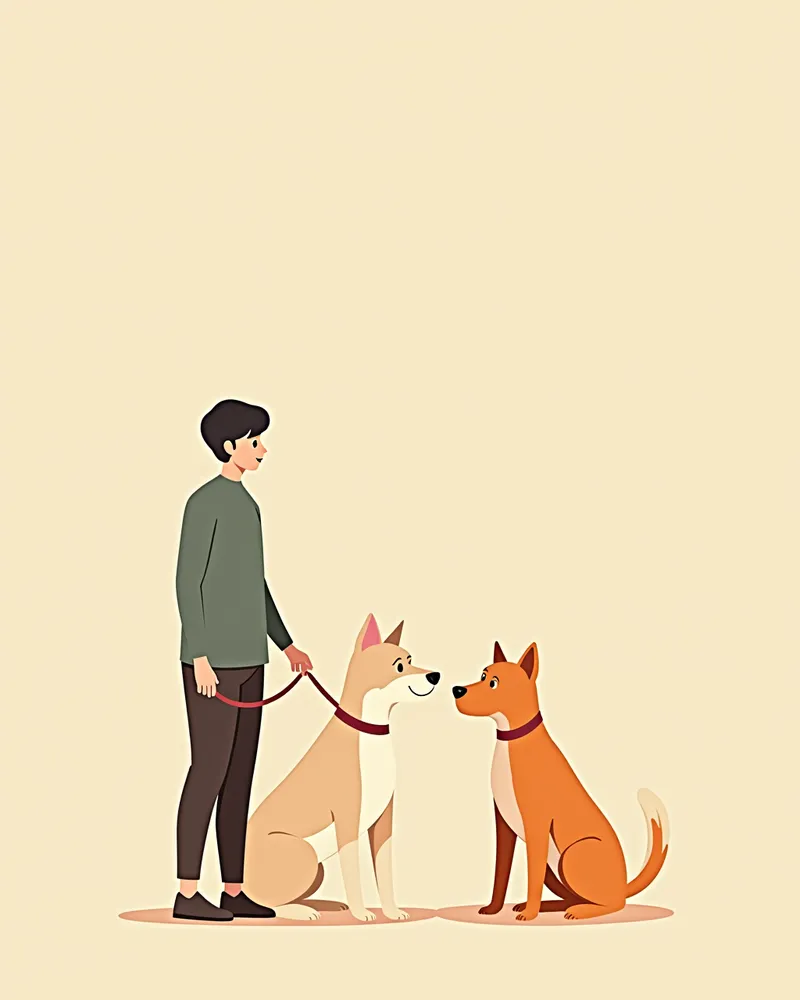
Days 1–2: Let the existing dog freely explore items that carry the new family member’s scent, such as a blanket or towel. Days 3–4: Keep them separated by a fence or door so they can see each other, but do not force any physical contact. Day 5: Arrange a brief meeting in a neutral outdoor space, such as a park. Days 6–7: Gradually increase their time together inside the home while the owner supervises and manages both dogs. Only proceed to the next step when both dogs remain calm at each stage.
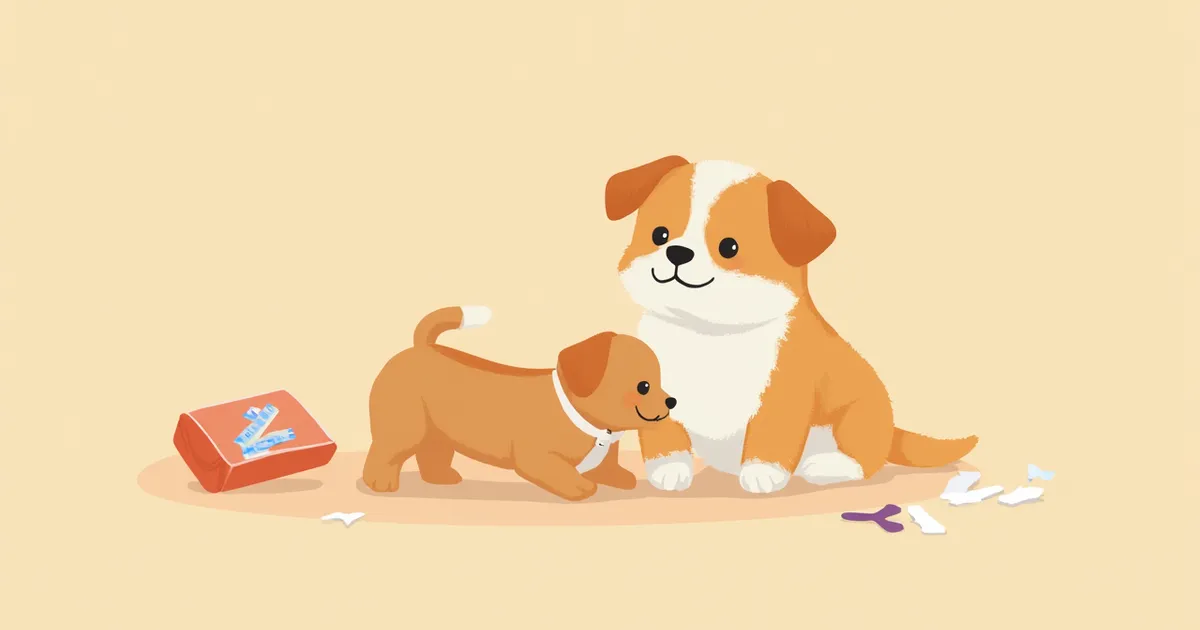
The owner introducing two dogs for the first time in a neutral space

Environmental setup points to aid adjustment

Be sure to provide your current dog with a safe haven, such as a crate or a dedicated room, where they can rest anytime. It is crucial to maintain spatial separation to prevent the new family member from intruding. Installing a pheromone diffuser (such as Adaptil) in the living room can help alleviate anxiety. Place food and water bowls separately to avoid resource competition, and strive to maintain your current dog's established routines for walks and meals.
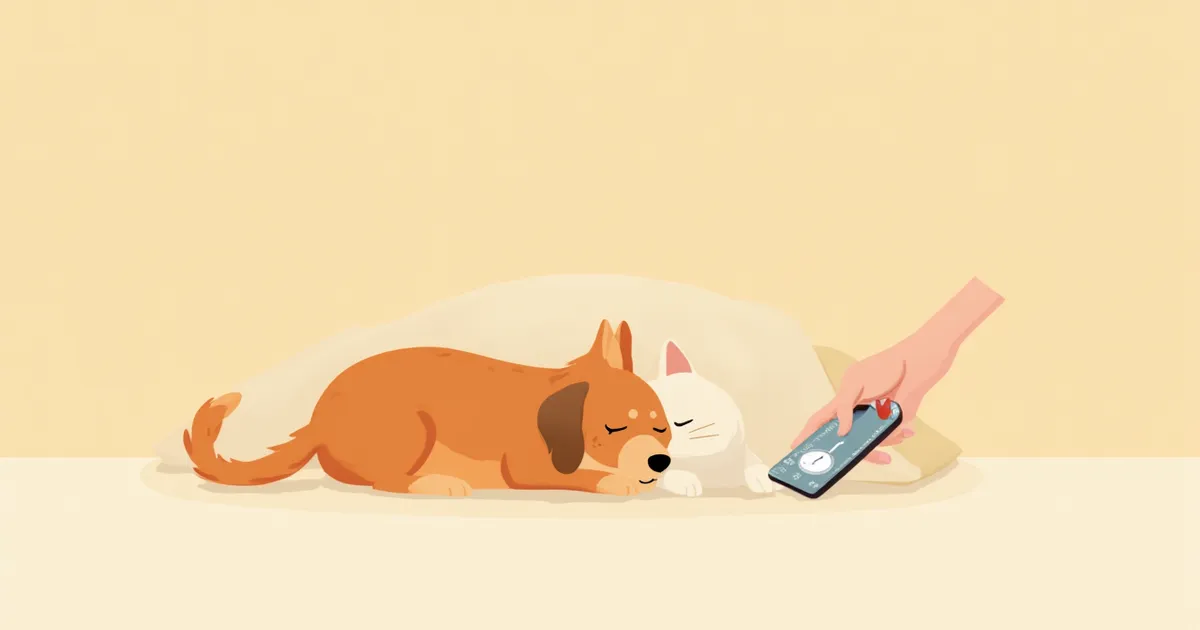
A dog resting in its own safe space (crate)

The owner's reaction can increase stress

When your dog feels anxious, staying calm and offering reassurance can actually help reduce their stress. However, if you become tense or overly excited, your dog may become even more anxious. It’s best to maintain a calm, consistent demeanor and give equal attention to both your existing dog and the new family member.

Reviewed by a veterinarian

Dr. Tony — Punnawat Phongkittirak

Dr. Tony — Punnawat Phongkittirak

Veterinarian

A veterinarian who majored in veterinary medicine at Khon Kaen University, Thailand, and completed the IVSA program at North Carolina State University in the United States. Drawing on clinical experience at animal hospitals, he works in the pet healthcare field and is dedicated to building a digital care environment that connects pet parents with veterinarians.

Frequently Asked Questions

I just brought home a new puppy, and my existing dog is growling at it. Is this dangerous?
Growling initially is a normal form of communication and boundary-setting. As long as the dog isn’t lunging with bared teeth or escalating to actual biting, it’s simply exchanging warning signals. If repetitive aggressive behavior occurs, separate the animals immediately and consult a veterinary behavior specialist.
How long does it take for a new family member to adjust after being introduced?
The adjustment period varies greatly from dog to dog. Puppies often bond with each other relatively quickly, but adult dogs or those experiencing change for the first time may take longer. While most dogs can learn to coexist over time through gradual, step-by-step introductions, some may adapt more slowly or struggle, so it’s important to monitor each dog individually and proceed accordingly.
My existing dog has stopped eating since we brought home a new family member. What should I do?
A decreased appetite due to stress is a common reaction. Try feeding your dog in a quiet, secluded space where they can eat alone, away from the new family members. However, if the loss of appetite persists for several days or if your dog loses weight, the cause may be illness rather than stress, so we recommend having a physical examination at a veterinary clinic.
Do pheromone diffusers really work?
Dog calming pheromone products like Adaptil (DAP) are used as a supportive tool to help reduce signs of stress and anxiety. While they won’t resolve all issues on their own, they can be beneficial when combined with behavioral management techniques such as gradual introduction training. We recommend consulting your veterinarian before use.
Is it okay to let two dogs sleep in the same room?
During the initial adjustment period, it's best to keep them in separate spaces. For the first few weeks, provide separate areas for sleeping and eating. Gradually increase their time together as they show indifference or positive behavior toward each other.

Share

Related Guides

References

[1] Horwitz, D.F., Mills, D.S. (eds.) BSAVA Manual of Canine and Feline Behavioural Medicine, 2nd ed. BSAVA, 2009

[2] Bamberger, M. and Houpt, K.A. (2006). Signalment factors, comorbidity, and trends in behavior diagnoses in dogs. Journal of the American Veterinary Medical Association 229(10): 1591–1601

[3] Anderson, K.H., Yao, Y., Perry, P.J. et al. (2022). Case distribution, sources, and breeds of dogs presenting to a veterinary behavior clinic in the United States from 1997 to 2017. Animals 12(5): 576

[4] Jensen, J.B.H., Sandøe, P. and Nielsen, S.S. (2020). Owner-Related Reasons Matter more than Behavioural Problems — A Study of Why Owners Relinquished Dogs and Cats to a Danish Animal Shelter from 1996 to 2017. Animals 10(6): 1064

This information is based on veterinary literature and does not replace diagnosis or treatment. Please consult a veterinarian for specific health concerns.

Metapet Co., Ltd. | CEO: Park Sung-yong | Business Reg. No. 417-88-02562 | Seoul, South Korea | Customer Center

Getting a Second Dog? Help Your First Dog Adjust | Meongsiljang