Like
Share
멍실장
고양이 눈물길 폐색·비루관 폐색 자주 묻는 질문 Q&A — 보호자가 꼭 알아야 할 핵심

What is feline nasolacrimal duct obstruction? — Key Q&A on symptoms and treatment

Eye HealthQ&AMeongsiljang Veterinary Advisory Board

Feline nasolacrimal duct obstruction occurs when tears cannot drain properly, causing the area around the eyes to become damp and the fur to darken. Here’s a summary of the key information pet owners should know.

Feline nasolacrimal duct obstruction is a problem where tears do not drain properly

Darkening of the fur around the eyes due to tear duct obstruction
Feline nasolacrimal duct obstruction occurs when tears cannot drain through the nasolacrimal duct into the belly, causing them to accumulate around the eyes. This leads to persistent tearing and dampness around the eye area, which can cause the fur to turn brown. - Nasolacrimal duct obstruction: A condition in which tears fail to drain properly and pool around the eyes, increasing the risk of infection. - Blocked nasolacrimal duct: An issue caused by blockage of the tear drainage pathway, which may result from hair accumulation or inflammation. - Periocular irritation: Accumulated tears can irritate the skin, leading to redness or inflammation. Early detection and proper care are essential. Consulting a veterinarian is the safest approach.

Why do cats get blocked tear ducts?

The main causes of blocked tear ducts in cats are abnormalities or inflammation in the tear drainage system. When there’s an issue with the nasolacrimal duct—the passage through which tears drain—tears can’t flow out properly and instead accumulate around the eyes. - Congenital structural abnormalities: In some cases, the tear drainage structures, such as the nasolacrimal duct, may be underdeveloped or partially absent from birth. These abnormalities typically become apparent at a young age. - Trauma or inflammation: Eye injuries or inflammation of surrounding tissues, such as conjunctivitis, can cause swelling or blockage of the nasolacrimal duct. - Foreign bodies or irritants: Particles like dust can get lodged in the tear drainage passage, leading to blockage. It’s important to identify and address the underlying cause early on.
Anatomical diagram of a cat's bile duct

5 main symptoms of nasolacrimal duct obstruction

The main symptoms of feline nasolacrimal duct obstruction include the following:
Persistent tearing: Tears continuously flow from the eyes throughout the day.
Darkening of fur around the eyes: Accumulated tears cause the fur around the eyes to turn brown or reddish-brown.
Irritation around the eyes: Increased rubbing or scratching of the eyes.
Odor from tears: Stagnant tears decompose, producing an unpleasant smell.
Eye redness or discharge: The eyes may appear red, with clear discharge present.
Darkening of the fur around the eyes due to tear duct obstruction

Signs that require an immediate veterinary visit

If your pet suddenly develops excessive tearing, redness or swelling around the eyes, or keeps the eyes closed, seek veterinary care immediately. These signs may indicate an infection or a serious structural abnormality.

Comparison of symptoms and responses by severity of nasolacrimal duct obstruction

ItemMildModerateSeverity
Tear FlowOccasionalContinuousVery severe
Fur DarkeningPartialOverallSevere staining
Reaction Around the EyeStarts rubbingScratchingClosing the eye
Need for TreatmentObservationVeterinary consultationImmediate care

If symptoms worsen, surgery may be necessary. Early diagnosis is important.

Home care methods
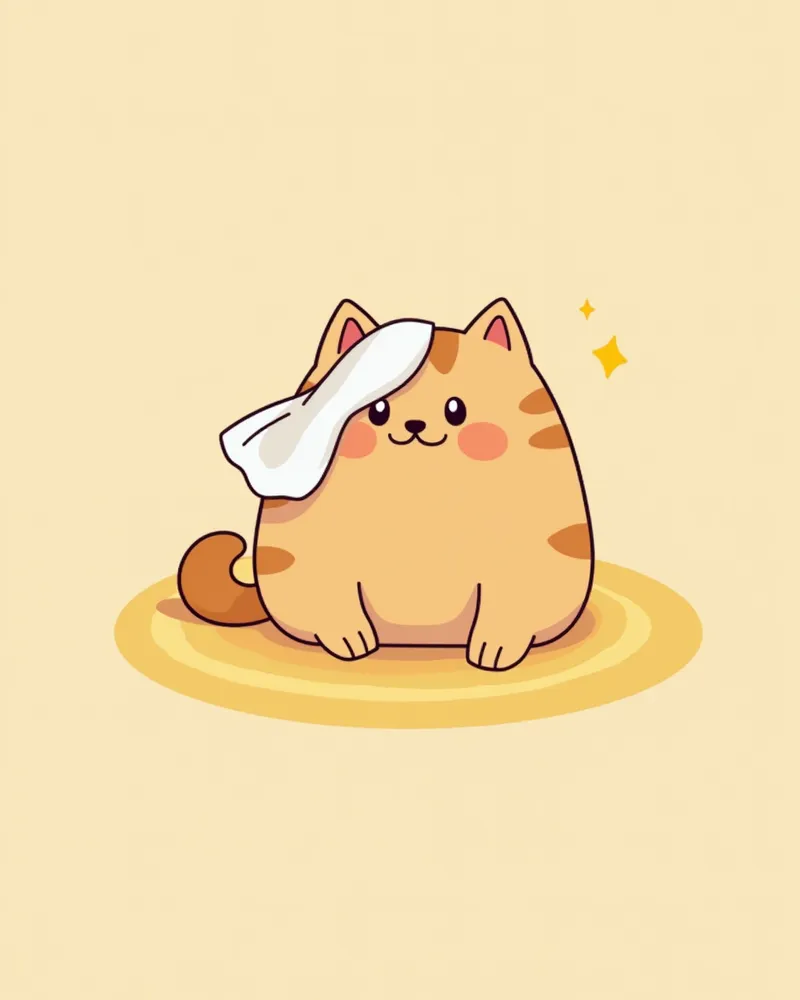
A veterinary diagnosis is essential for feline nasolacrimal duct obstruction. However, there are basic care steps you can perform at home. - Clean around the eyes: Gently wipe the area around the eyes once or twice daily using a soft cloth or sponge. Do not leave accumulated tears untreated. - Trim facial hair: Long hair around the eyes can cause irritation or act as a foreign body, so keep it neatly trimmed on a regular basis. - Reduce irritants: Minimize exposure to airborne particles like dust that could enter the eyes and help prevent blockage of the tear drainage system. - Maintain cleanliness: Keeping the area around the eyes dry and clean is important for preventing inflammation. Whether procedures such as nasolacrimal duct flushing are necessary should be determined under veterinary guidance.
A cat having its tear ducts gently wiped with a cloth for proper care.

Prevention and daily care tips

To prevent feline nasolacrimal duct obstruction, daily care is essential. - Daily Cleaning: Gently wipe around the eyes once or twice a day to prevent tear accumulation. - Grooming: Long hair around the eyes can cause irritation, so trim it regularly. - Clean Environment: Dust and foreign particles can irritate the eyes, so keep the living space clean. - Regular Check-ups: Cats prone to excessive tearing should have regular veterinary examinations to monitor eye health. - Early Detection: If tearing persists or the fur around the eyes becomes discolored, visit the clinic promptly. Early intervention is key.
A cat cleaning around its eyes on its own

Certain breeds are at higher risk of obstruction

If there are congenital developmental abnormalities in the tear drainage structures, such as the nasolacrimal duct, the risk of nasolacrimal duct obstruction increases. These congenital anomalies typically manifest at a young age, and they can also be influenced by excessive hair around the eyes that irritates the eye or acts as a foreign body. The safest way to determine whether your cat is at risk is through an accurate diagnosis by a veterinarian.

Reviewed by a veterinarian

Dr. Tony — Punnawat Phongkittirak

Dr. Tony — Punnawat Phongkittirak

Veterinarian

A veterinarian who majored in veterinary medicine at Khon Kaen University, Thailand, and completed the IVSA program at North Carolina State University in the United States. Drawing on clinical experience at animal hospitals, he works in the pet healthcare field and is dedicated to building a digital care environment that connects pet parents with veterinarians.

Frequently asked questions

Is it normal for a cat to have frequent tearing?
No, frequent tearing can be an early sign of nasolacrimal duct obstruction. If it persists, a veterinary examination is necessary.
Can a blocked tear duct be corrected with surgery?
Yes, surgical treatments such as flushing, dilating, or reconstructing the nasolacrimal duct have been reported. The appropriate method will be determined by the veterinarian based on the individual case.
What foods are good for cats with tear-stained eyes?
Tear staining caused by nasolacrimal duct obstruction is due to a problem with the tear drainage pathway, so it cannot be resolved through specific foods or diets. If excessive tearing persists, it is more important to have a veterinarian evaluate underlying causes such as anatomical drainage issues or inflammation rather than focusing on diet.
Is nasolacrimal duct obstruction hereditary?
In some cases, the nasolacrimal duct and other tear-drainage structures are congenitally underdeveloped or partially absent, and such abnormalities typically appear at a young age. It's best to have a veterinarian confirm the exact cause through a proper diagnosis.
Can I clean my pet’s tear stains at home?
Gently wiping around your pet’s eyes with a soft cloth is fine. However, avoid using harsh cleansers or rinsing with water. Always follow your veterinarian’s instructions.

Share

Related Guides

References

[1] Esson DW and Calvarese S (eds.). Clinical Atlas of Canine and Feline Ophthalmic Disease, 2nd Ed. Wiley-Blackwell, 2022.

[2] Gelatt KN et al. Veterinary Ophthalmology, 2nd Ed. Wiley-Blackwell, 2013.

[3] Ny Y et al. Medial canthoplasty for epiphora in dogs: a retrospective study of 23 cases. J Am Anim Hosp Assoc. 2006;42:435–439.

This information is based on veterinary literature and does not replace diagnosis or treatment. Please consult a veterinarian for specific health concerns.

Metapet Co., Ltd. | CEO: Park Sung-yong | Business Reg. No. 417-88-02562 | Seoul, South Korea | Customer Center

Feline Nasolacrimal Duct Obstruction: Symptoms & Treatment Q&A | Meongsiljang