Like
Share
멍실장
강아지 치석 제거 방법과 관리 가이드

How to Remove Tartar from Your Dog’s Teeth and Care Guide

Oral HealthQ&AMeongsiljang Veterinary Advisory Board

Once tartar hardens on your dog’s teeth, it can’t be removed by brushing alone. We’ve compiled evidence-based guidance from veterinary textbooks, covering everything from professional dental scaling at the clinic to at-home brushing routines.

How Should You Remove Tartar from Your Dog’s Teeth?

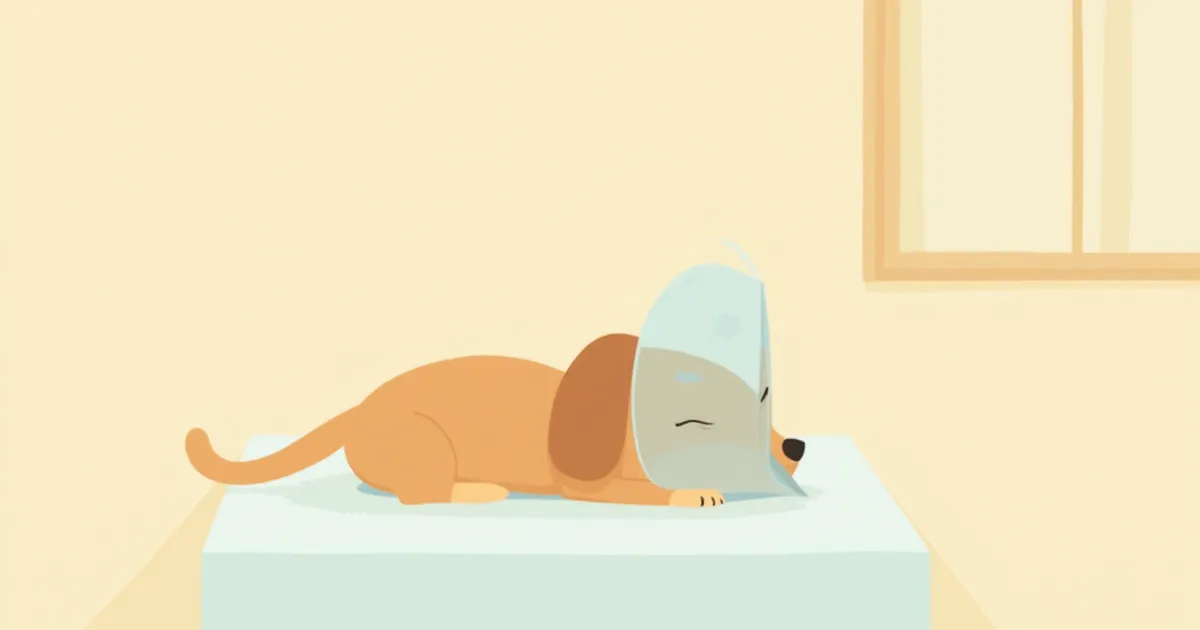
An illustration of a puppy undergoing a dental examination
Removing tartar from your dog’s teeth involves eliminating the hardened deposits that have firmly attached to the teeth and gums, typically through professional scaling or the use of dental care products. Receiving professional scaling at a veterinary clinic is the most effective method. However, preventing tartar buildup in the first place is far more important, and consistently maintaining proper brushing habits can significantly reduce the need for frequent scaling procedures.

How Tartar Forms

Plaque constantly forms on the surface of your dog’s teeth. It begins as a thin film called the pellicle, which bacteria in the mouth adhere to and multiply on, creating a biofilm. This complex structure consists of bacteria bound with minerals and proteins, and it is not simply leftover food particles. If plaque is not removed promptly, minerals such as calcium carbonate and calcium phosphate from saliva, breath, and the plaque itself deposit and harden into tartar. According to veterinary textbooks, tartar most commonly accumulates on the outer surfaces of the upper molars and the inner surfaces of the lower molars in dogs. These areas are exposed to significant amounts of saliva from the salivary glands, making them prone to tartar buildup. As tartar accumulates, it causes inflammation of the gums (gingivitis), which can progress to periodontal disease if left untreated. Periodontal disease damages the underlying jawbone, potentially leading to loose or lost teeth.

Tartar and Periodontal Disease: A Stage-by-Stage Overview

Tartar and periodontal disease are classified into stages based on their severity, and the treatment approach varies depending on the stage. The first visible sign is often red, swollen gums, while bleeding during brushing or probing is an early indicator of periodontal disease.
StageConditionMain SymptomsTreatment Approach
Stage 1 (Gingivitis)Gums are red, swollen, and inflamedGum bleeding, bad breathScaling + brushing care
Stage 2 (Early Periodontitis)Damage to gums and alveolar bone beginsGum recession, painScaling + periodontal therapy
Stage 3 (Moderate Periodontitis)Alveolar bone damage progressesTooth mobility, decreased appetitePeriodontal therapy, possible extraction of some teeth
Stage 4 (Severe Periodontitis)Severe alveolar bone damageTooth mobility/loss, severe painSurgical treatment such as extraction
Starting care at the gingivitis stage leads to faster recovery, but if left untreated and the alveolar bone becomes damaged, teeth that are loose or have deep periodontal pockets may require extraction.

How Professional Scaling Is Performed at the Clinic

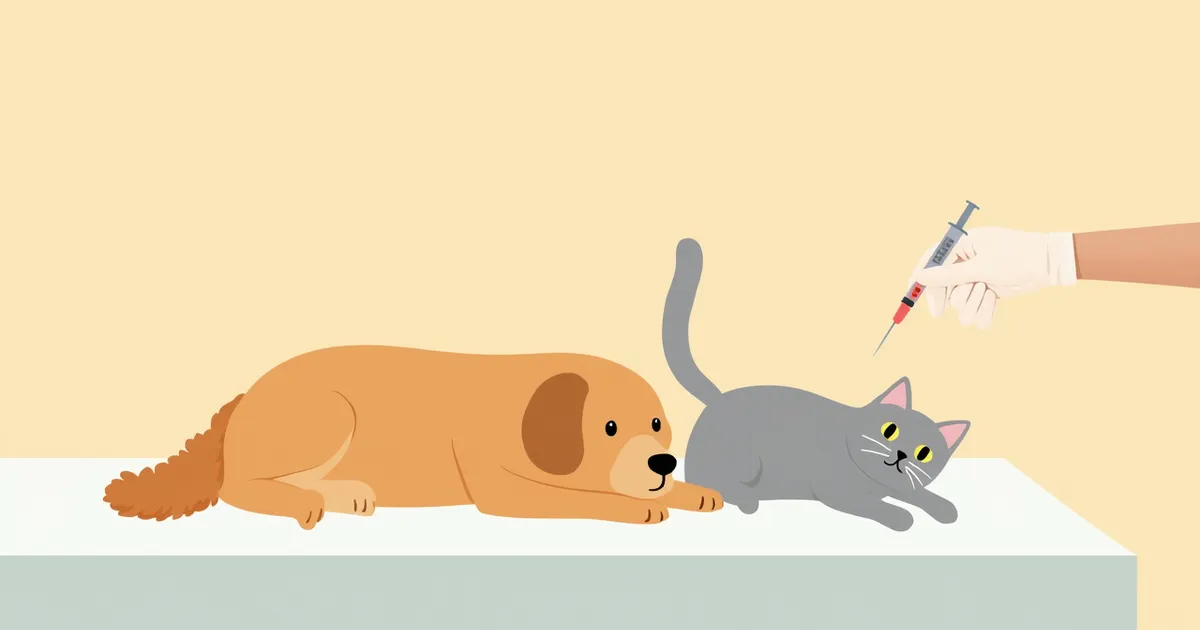
Scaling is performed under general anesthesia. It’s difficult to safely remove tartar without anesthesia.
Tartar removal with an ultrasonic scaler: Ultrasonic vibrations are used to chip away tartar from the tooth surface. This method minimizes damage to the teeth.
Manual instrumentation along the gum line: Specialized tools are used to meticulously remove tartar hidden in the spaces between the gums and teeth.
Polishing: After scaling, the tooth surfaces are smoothed out. This eliminates tiny scratches and helps slow down the buildup of new tartar.
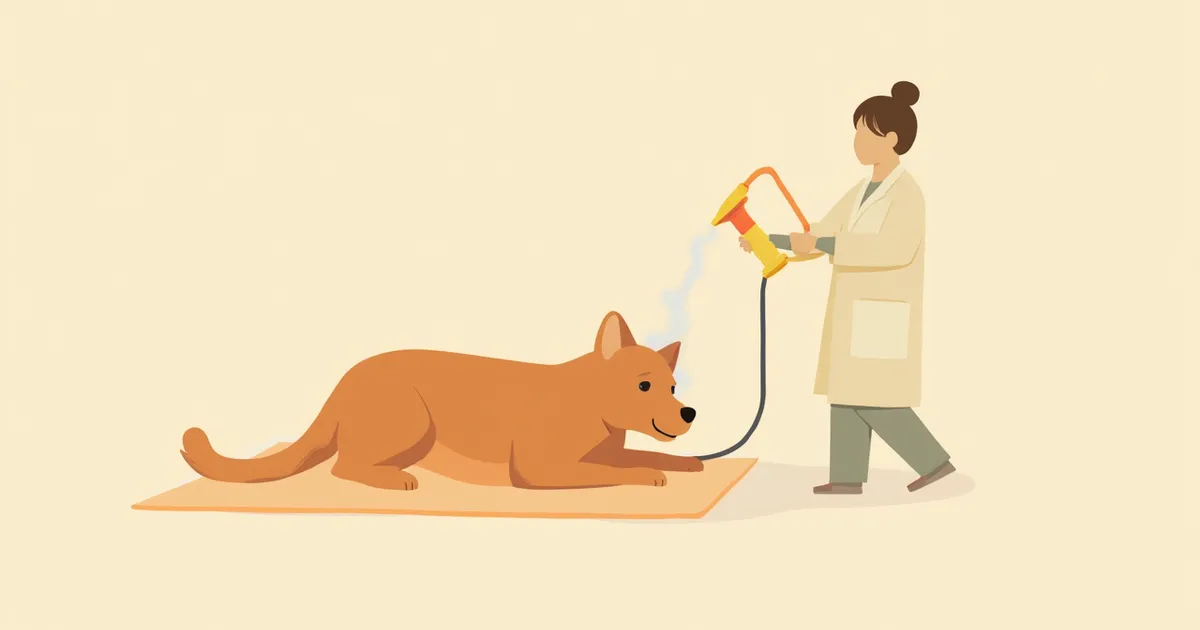
Illustration of a dog getting a dental scaling at the vet clinic

Do Not Scrape Tartar Off Your Dog’s Teeth at Home

Using online tartar removal tools to scrape tartar off your pet’s teeth yourself is extremely dangerous. Damaging the tooth enamel can actually cause tartar to build up faster, and injuring the gums increases the risk of bacterial infection. Additionally, non-anesthetic scaling cannot remove tartar beneath the gumline, so it only provides a superficial clean. Always leave tartar removal to a veterinarian.

At-Home Brushing Care Methods
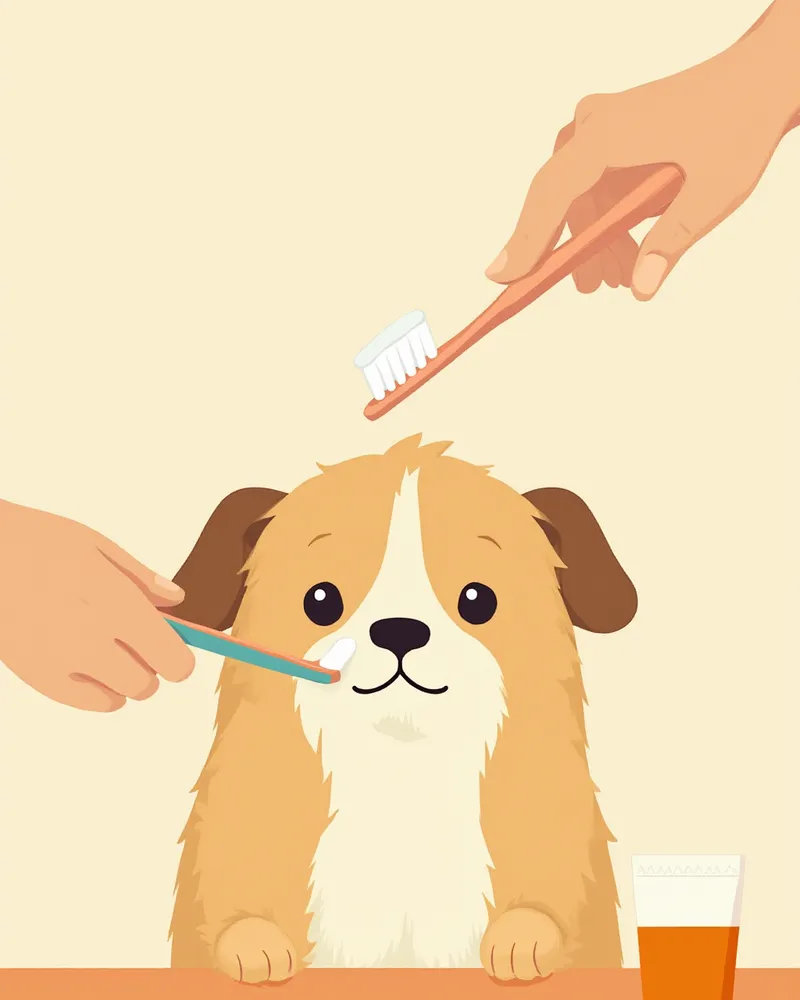
The most effective way to prevent tartar buildup is daily tooth brushing.
Use pet-specific toothbrushes and toothpaste: Human toothpaste may contain ingredients that are not suitable for dogs and should not be ingested. Always use products specifically designed for pets.
Gradual desensitization to brushing: Start by applying a small amount of toothpaste to your finger and gently rubbing your dog’s mouth. Once they are comfortable, progress to a finger brush, and then transition to a regular toothbrush.
Focus on the outer surfaces: Tartar tends to accumulate most heavily on the outer surfaces of the upper molars, so be sure to brush these areas thoroughly.
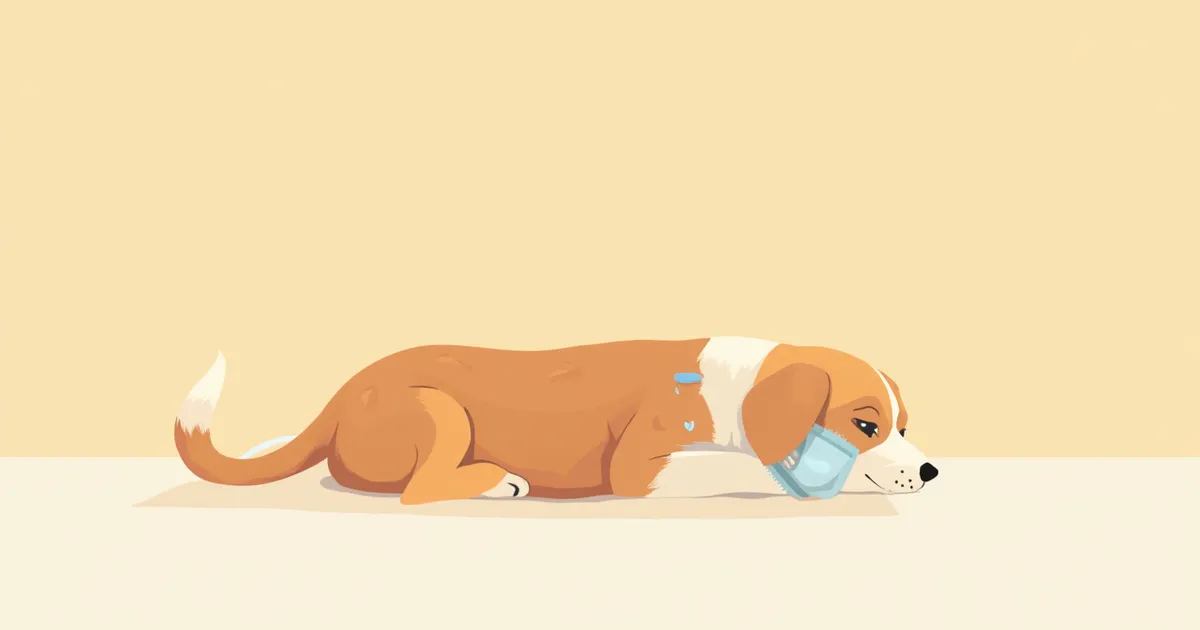
Illustration of a dog brushing its teeth

Products That Help Beyond Brushing

If your dog struggles with brushing, you can try using supplemental products.
Dental chews: These help physically remove plaque from the tooth surface as your dog chews. Choosing products with a veterinary oral health certification ensures their effectiveness has been verified.
Water additives: These are oral care solutions mixed into drinking water. While they cannot replace brushing, they play a supportive role in inhibiting bacterial growth.
Dental kibble: This food is designed to increase friction against the tooth surface. It can be helpful when used alongside regular kibble.
However, no product can completely replace tooth brushing. Use these items only as supplementary aids.
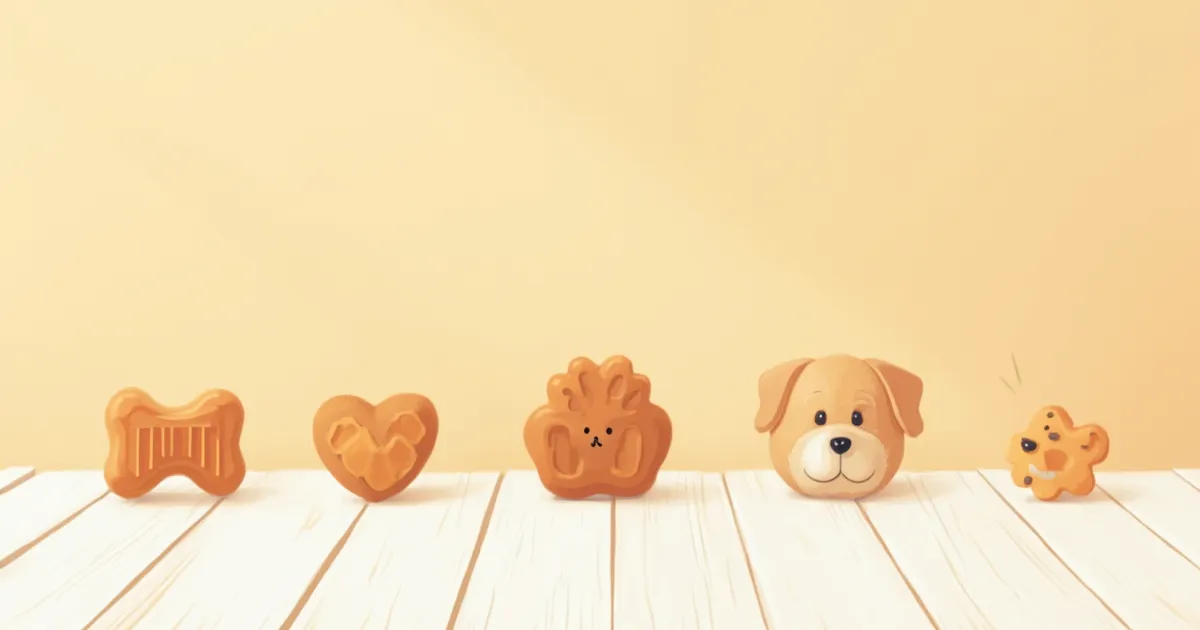
Illustrations of dog oral care products

How Often Should Your Dog Get Scaling?

The frequency of dental scaling for dogs varies depending on their oral health. Rather than adhering to a fixed schedule, it is most important to have regular dental check-ups and follow your veterinarian’s recommendations for when scaling is needed. If tartar builds up quickly or if maintaining oral hygiene is difficult, more frequent scaling may be necessary. Conversely, thorough daily brushing can delay the need for professional scaling. Since dental scaling requires general anesthesia, blood tests and pre-anesthetic examinations are conducted before the procedure. For senior dogs or those with underlying health conditions, be sure to discuss anesthesia risks with your veterinarian. If you’d like to learn more about the scaling process, please refer to our Detailed Scaling Guide.

Reviewed by a veterinarian

Dr. Tony — Punnawat Phongkittirak

Dr. Tony — Punnawat Phongkittirak

Veterinarian

A veterinarian who majored in veterinary medicine at Khon Kaen University, Thailand, and completed the IVSA program at North Carolina State University in the United States. Drawing on clinical experience at animal hospitals, he works in the pet healthcare field and is dedicated to building a digital care environment that connects pet parents with veterinarians.

Frequently Asked Questions

What symptoms appear when a dog has severe tartar buildup?
If your pet’s breath has become noticeably foul, their gums are red, swollen, or bleeding, or they’ve started dropping food while eating, avoiding hard treats, or chewing on only one side, it’s time for a dental checkup.
At what age should you start brushing your dog’s teeth?
It’s best to start getting your pet used to having their mouth touched from as early an age as possible. We recommend gradually introducing them to a toothbrush around the time their permanent teeth come in. For the most accurate guidance on when to begin, consult your veterinarian during your pet’s first regular checkup.
Is scaling without anesthesia a good option?
Non-anesthetic scaling only removes visible tartar. It cannot reach tartar hidden beneath the gumline, and it carries a higher risk of tooth damage and gum injury. For these reasons, veterinary professionals recommend performing dental scaling under general anesthesia.
How should I care for my pet’s teeth after tartar removal?
Because plaque begins to accumulate almost immediately after a dental cleaning, it’s important to start brushing your pet’s teeth as soon as possible. During the first few days, the gums may be sensitive, so brush gently. After that, make daily brushing a regular habit.
Can older dogs also receive dental scaling?
Dental scaling is possible for senior dogs as well. However, because the risk of anesthesia increases with age, we conduct more thorough pre-anesthetic tests, such as blood work and cardiac evaluations, before the procedure. The veterinarian will review these test results to determine whether it is safe to proceed with anesthesia.

Share

Related Guides

References

[1] The Dog Care Handbook, Things I Wish My Vet Had Told Me — Dental Scaling and Polishing

[2] 100 Top Consultations in Small Animal General Practice — Chapter 36: Dental Disease

[3] Small Animal Internal Medicine, 6th Ed — Chapter 69: Oral and Salivary Gland Disorders

This information is based on veterinary literature and does not replace diagnosis or treatment. Please consult a veterinarian for specific health concerns.

Metapet Co., Ltd. | CEO: Park Sung-yong | Business Reg. No. 417-88-02562 | Seoul, South Korea | Customer Center

How to Remove Tartar from Dog Teeth: Care Guide | Meongsiljang